
Review · DAY TRIPS
From Salta: Day Trip to Cachi and the Calchaquí Valleys
The best part of this 12-hour journey from Salta to Cachi is the sudden change in scenery. You begin among the green folds of the Lerma Valley, climb the winding Cuesta del Obispo, cross high, dry country, and finish in a small mountain town of white buildings and adobe walls. I like the huge range of views, and I like that the day includes both outdoor scenery and a little local culture in Cachi. The main drawback is the long bus ride, with some stops dependent on weather and road conditions.
I also like the price. At $31 per person, this is a practical way to reach a remote part of Salta Province without arranging a private vehicle. Guides such as Gabriela and Jasmine have been praised for their warm style, cultural knowledge, and humor. Still, check your pickup details carefully, pack food, and be prepared for a very early start.
Key points to know before booking
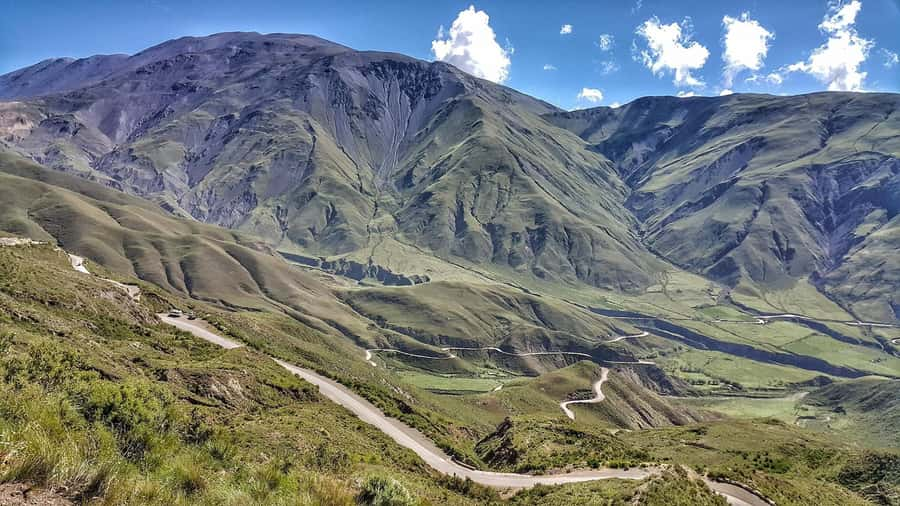
- Cuesta del Obispo is the scenic centerpiece: The bus climbs a twisting mountain road with views across the Encantado Valley and back toward the route below.
- Piedra del Molino reaches 3,384 meters: This is the highest point of the day, so bring identification and take the altitude seriously.
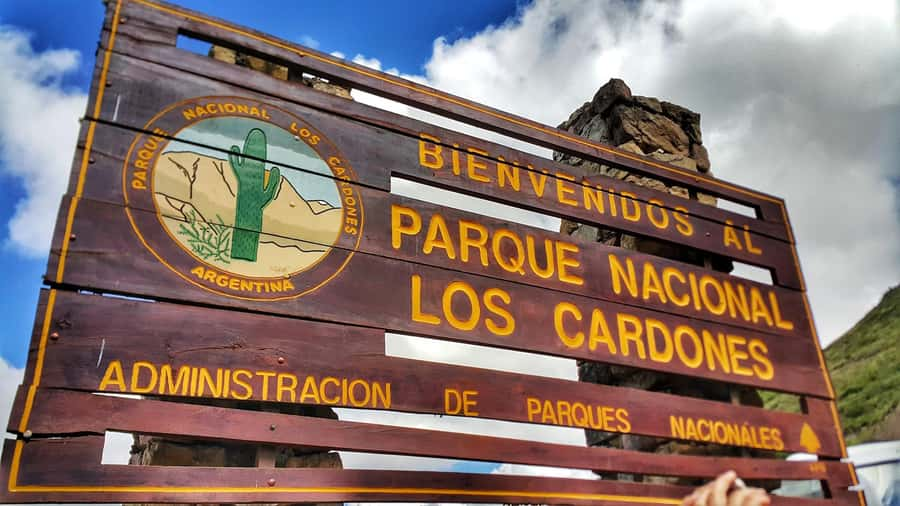
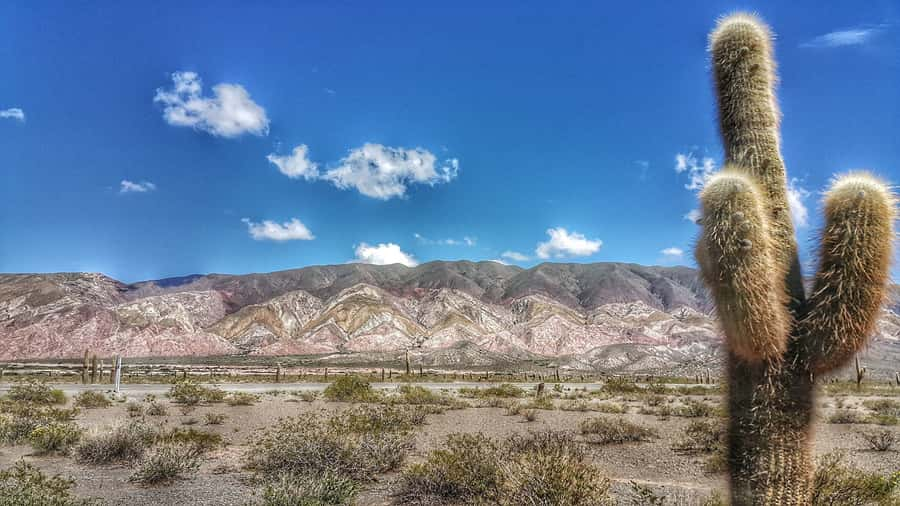
- Los Cardones National Park adds high-country scenery: You walk in a protected area before continuing toward Cachi.
- Cachi gives the day a human scale: Its adobe houses, white colonial buildings, archaeological museum, and Iglesia San José offer more than a quick photo stop.
- The route takes about 12 hours: It is rewarding, but you spend much of the day on the road.
- Road and weather conditions matter: One scheduled outing was canceled because of road conditions, and communication about that cancellation was delayed.
Why the road to Cachi is worth a full day
This is not a quick transfer with a few views added. It is a full crossing of Salta Province, moving from the cultivated Lerma Valley into mountain country and then across the broad Calchaquí Valleys. The changing scenery is the reason to book it.
You leave central Salta early, with hotel pickup generally scheduled between 6:30 and 7:15 AM if you stay within eight blocks of the 9 de Julio central square. The exact vehicle depends on the group size. You may ride in a bus or a minivan, and hotel access is not always possible on narrow city streets, so you could be asked to meet at another nearby point.
The day is long, but the early departure makes sense. The route to Cachi is too far for a relaxed late morning start, and the mountain road needs time. You return to Salta along the same route, so this excursion is best for you if the journey itself sounds as appealing as the town at the end.
A few more day trips around the world worth a look
- Tuscany Day Trip from Florence: Siena, San Gimignano, Pisa and Lunch at a Winery
★ 5.0 · 21,634 reviews - From Amsterdam: Zaanse Schans, Volendam & Marken Day Trip
★ 4.4 · 18,501 reviews - From Munich: Neuschwanstein & Linderhof Castle Full-Day Trip
★ 4.6 · 14,646 reviews
From the Lerma Valley into the Yungas forest
The first section takes you through the Valle de Lerma, the broad valley around Salta. This part of the route feels greener and more settled than the high country later in the day. It gives you a useful visual introduction to how quickly the province changes outside the city.
The road then enters the Quebrada de los Laureles. Here, you see Yungas forest, a plant-filled mountain environment that contrasts sharply with the dry upper valleys. Keep your eyes open during the drive, but remember that you are viewing much of this section through the vehicle windows rather than on a long forest walk.
This is one reason a window seat matters. The route turns and climbs, and the scenery can shift from thick vegetation to open mountain slopes in a short time. Since the bus is moving, your guide’s comments help put the changes into context. The tour is bilingual in Spanish and English, though the amount of detail in each language can vary with the group.
Cuesta del Obispo and the road above the valley
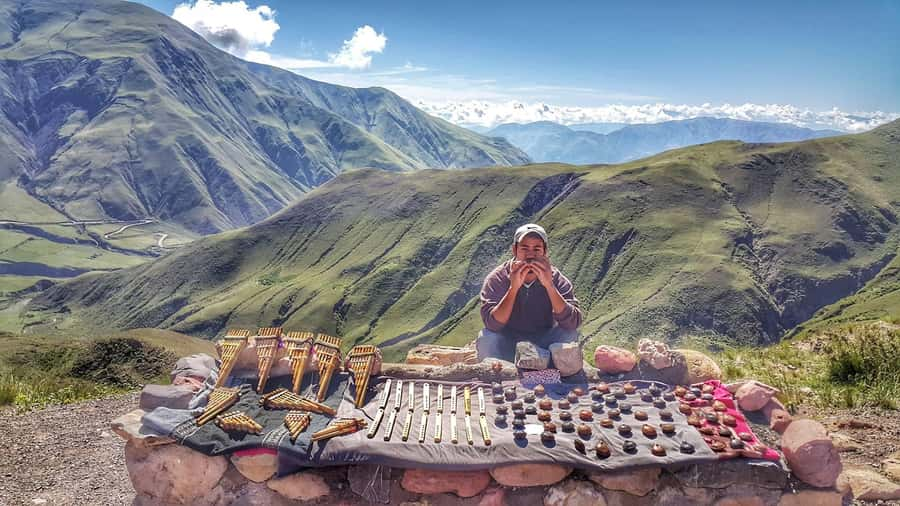
The Cuesta del Obispo is the visual high point for many people on this excursion. The road winds up the mountainside, giving you repeated views of the route below and the wider Encantado Valley. From the upper section, you can look back over the road you have just climbed, a reminder of how dramatic the ascent is.
This is a place where the bus ride becomes part of the attraction. You are not simply passing through a mountain range on a fast highway. The route itself is the experience, with bends, changing elevations, and broad views appearing between sections of road.
The tradeoff is comfort and timing. A winding road can feel tiring after several hours, especially if you are sensitive to motion. If you know that bus curves bother you, sit where movement is least noticeable, bring water, and avoid arriving without breakfast. Food and drinks are not included, so you need to plan for the day.
Weather can also change the experience. Rain affected one recent crossing of the Cuesta del Obispo, reducing visibility on the outward journey. The same group later found conditions clearer on the return, but the vehicle did not stop at the Straight of Tin-Tin on either leg. That is a useful reminder that this is a road excursion, not a fixed set of guaranteed photo stops.
Piedra del Molino at 3,384 meters
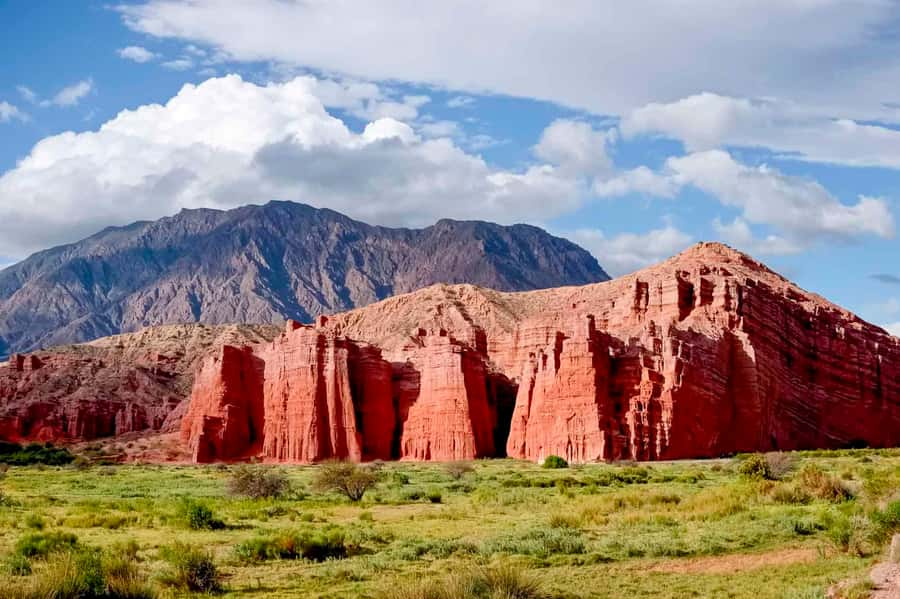
The route continues to Piedra del Molino, the highest point of the excursion at 3,384 meters above sea level. This is a substantial elevation compared with Salta, and you may notice the thinner air even if you do not plan strenuous walking.
The stop gives the journey a clear sense of scale. You have moved from the lower, greener valley into exposed high country in a matter of hours. Take a little time here, but do not rush around if you feel light-headed. The supplied information does not promise a specific length of stop, so follow the guide’s instructions and keep your expectations flexible.
Bring your passport or national ID, as requested for the activity. A light layer is also sensible because temperatures can vary sharply between the lower valleys and the high point, though the tour information does not provide a forecast or a guaranteed temperature range.
Same base, a completely different day out:
- Lisbon: Pena Palace, Sintra, Cabo da Roca, & Cascais Daytrip
★ 4.7 · 9,981 reviews - Florence: Pisa, Siena and San Gimignano Day Trip with Lunch
★ 4.6 · 9,771 reviews - From Marrakech: Day Trip to Ouarzazate and Ait Benhaddou
★ 4.7 · 9,447 reviews - Cinque Terre Day Trip with Optional Hiking or Pisa
★ 5.0 · 8,486 reviews
Walking in Los Cardones National Park
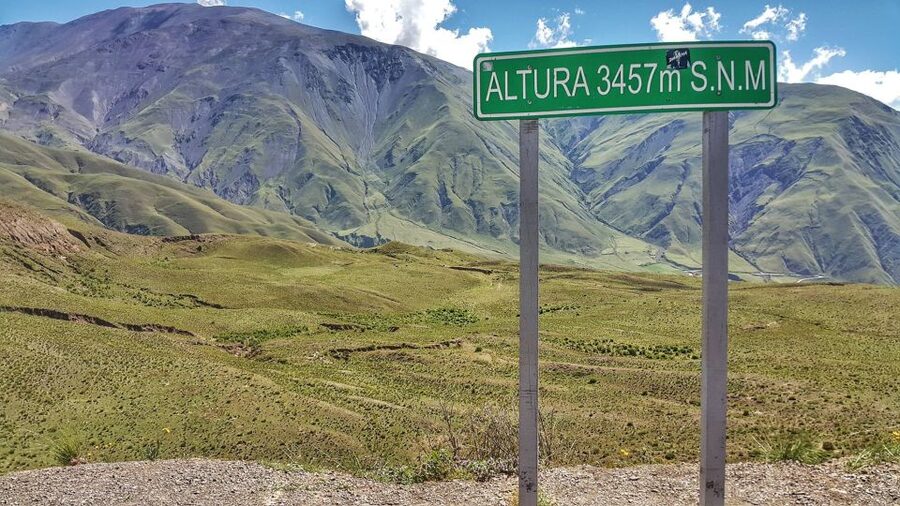
After the mountain climb, the route passes through Los Cardones National Park. The park is known here for its high-elevation setting and cardón cactus country, and the outing includes a walk in the protected area.
This is a welcome change from sitting in the vehicle. Even a short walk helps you appreciate the open space and the dry mountain setting in a way that a bus window cannot. The park also breaks up the long drive before Cachi.
Do not expect a full-day hike. The information describes a walk in the park, not a marked trekking program, and no trail distance is supplied. Wear comfortable shoes, carry water, and stay close to the group so you do not lose time on the schedule.
The park section also shows why this outing works better as a scenic circuit than as a simple Cachi town tour. You get forest, high mountain roads, protected cactus country, and a colonial village in one day. The price is low partly because you share transport and move on a set route, but you cover a remarkable amount of ground.
Tin-Tin, Payogasta, and the approach to Cachi
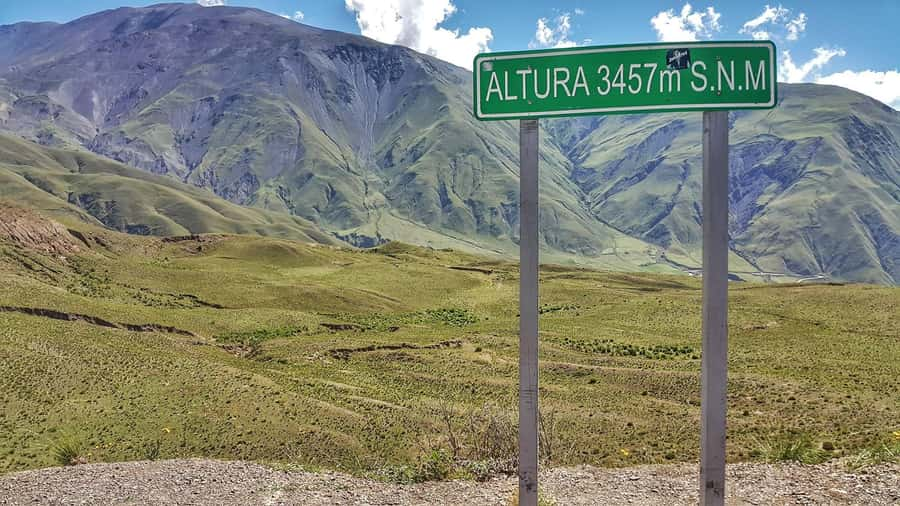
The road then continues through the Straight of Tin-Tin and Payogasta. The Straight of Tin-Tin is one of the named sights on the route, but a stop is not guaranteed. One recent passenger specifically wished the bus had paused there, even though there was enough time on the return journey for a possible stop.
Keep this in mind when comparing this trip with a private excursion. A group bus must follow its schedule, and the guide or driver may choose to continue because of weather, road conditions, timing, or the needs of the group. You will see the area, but you should not book this expecting a long, independent stop at every named point.
Payogasta marks the approach to Cachi and helps show the transition into the Calchaquí Valleys. The scenery becomes broader and more open, with the mountains framing the road rather than closing around it. This part of the route is about watching the country unfold, not ticking off attractions at speed.
Cachi’s adobe streets and colonial church
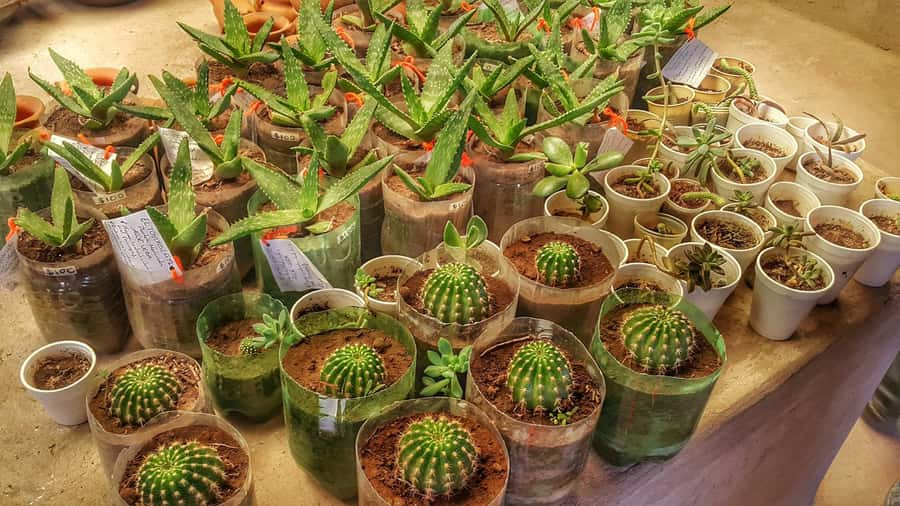
Cachi is the payoff for the long road. This small town sits between mountains and snow, with adobe houses, white colonial buildings, and a calm central area that is easy to explore on foot.
The tour includes time to stroll through the streets and admire the architecture. That matters because Cachi is not only a viewpoint or lunch stop. Its scale lets you slow down and notice details in the walls, doorways, and town layout.
The Iglesia San José is a particularly worthwhile stop. It is a Spanish colonial church, and its simple appearance fits the town’s white-and-adobe character. The visit is brief compared with a full church tour, but it adds a cultural layer to a day that could otherwise become one long sequence of mountain views.
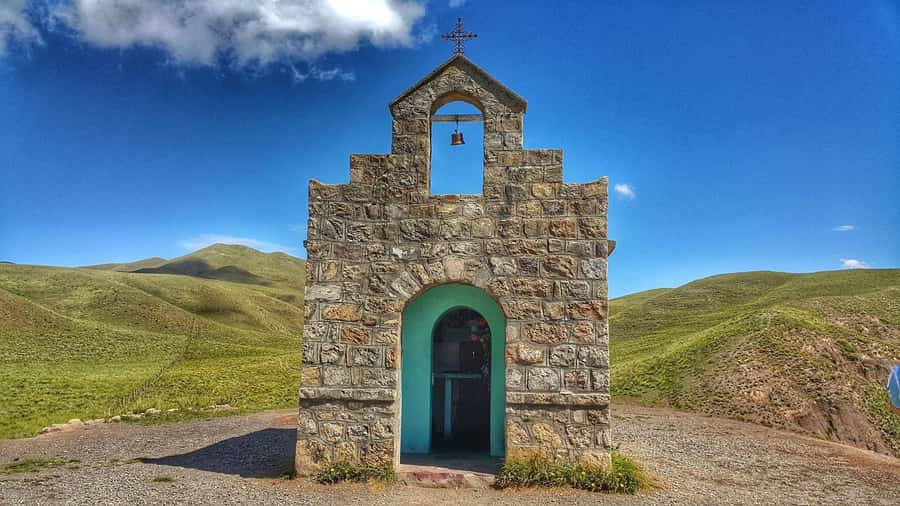
The Museo Arqueológico de Cachi Pío Pablo Díaz gives you another reason to leave the bus. It displays artifacts excavated locally, with some pieces dating back as far as 10,000 years. That makes the museum useful even if you have limited interest in formal museum visits: it connects the modern town to the people who lived in these valleys long before the colonial period.
Allow yourself to look around rather than treating Cachi as a single photo stop. The tour schedule must eventually turn you back toward Salta, but a relaxed stroll is part of the appeal. You will not have the freedom of an overnight stay, yet the town provides a welcome pause after the mountain road.
Guides, transport, and the rhythm of the day
The activity includes a bilingual guide in Spanish and English. Recent departures have been led by guides named Gabriela and Jasmine, both praised for making the day enjoyable, explaining cultural and natural details, and keeping the tone friendly. A guide also helped one group with suggestions for peñas in Salta, which can be useful if you want live music after returning to the city.
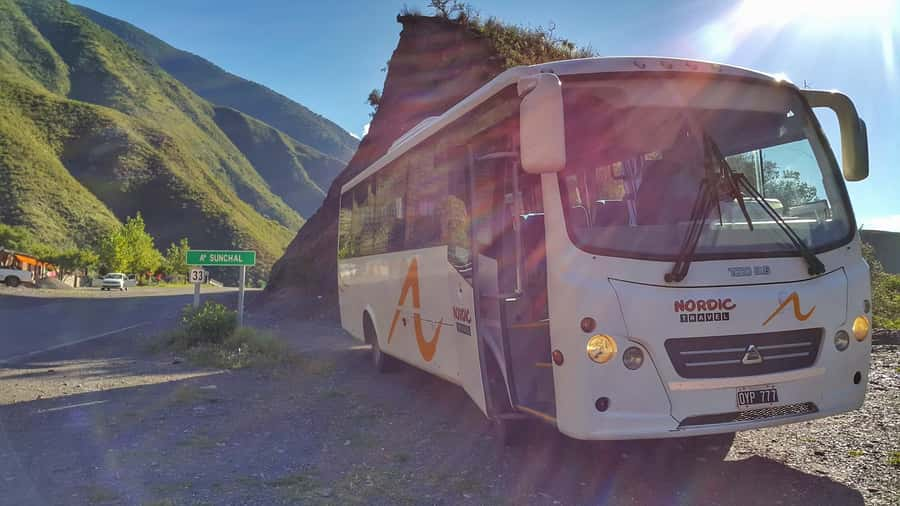
Do not assume the guide alone determines the pace. Vehicle size, road conditions, weather, and group needs all matter. Some departures use a bus, while others use a minivan, and the exact setup depends on how many people book.
Pickup is available from centrally located accommodation up to eight blocks from the 9 de Julio central square. If the vehicle cannot reach your hotel, you should be contacted with another meeting point. Be ready 15 minutes before the stated pickup time, keep your phone and email active, and provide contact details the supplier can reach.
There was one serious communication problem after a cancellation caused by road conditions. A group waited from 6:30 AM and only learned around 7:30 that the outing had been canceled after finding someone who could answer by email. This appears to be an exception rather than the normal day, but it is a practical reason to check your messages before leaving your accommodation, especially after heavy rain or uncertain weather.
Is $31 good value?
At $31, the value is strong if you want access to Cachi and the Calchaquí Valleys without paying for a private driver. The price covers transport, a bilingual guide, and the hotel or meeting-point service if you select that option. It also gives you a full route through several distinct parts of Salta Province.
Food and drinks are not included. That is the main extra cost to plan for, and the early start makes it easy to arrive hungry if you do not bring something with you. The provided details do not promise a meal stop, so carry snacks and water rather than relying on the schedule.
The low price also comes with limits. You share the vehicle, follow the group timetable, and may not stop at every named sight. If you want long photo breaks, a flexible lunch, or more time in Cachi, a private trip would offer more control, but it would not match this price.
The overall rating is 4.2 out of 5 from 67 ratings, with strong praise for the scenery and guides. The weaker points are not about the core route so much as road conditions, long hours, and missed stops. That is a fair profile for a budget day trip in mountain country.
Who should book this Cachi excursion?
I would book this if you have a spare day in Salta and want to see far more than the city. It suits you if you enjoy changing scenery, mountain roads, short walks, small towns, and guided context. It is also a good fit if you want Cachi but do not want to rent a car or arrange a driver.
Think twice if you dislike long vehicle days or need complete control over your schedule. The tour lasts about 12 hours, returns along the same road, excludes food, and can be altered by weather or road conditions.
For the best chance of enjoying it, bring water, snacks, comfortable shoes, your passport or ID, and a layer for the high point. Keep your phone available for pickup updates, and ask at the start how much time you will have in Cachi and whether the named road stops are planned.
My call: book it for scenery and value, not for a perfectly timed checklist. The Cuesta del Obispo, Piedra del Molino, Los Cardones National Park, and Cachi make this one of the most rewarding full-day outings from Salta when the roads and weather cooperate.
FAQ
How long is the trip from Salta to Cachi?
The excursion lasts about 12 hours, including the journey through the Lerma Valley, the mountain roads, the national park, time in Cachi, and the return to Salta.
What languages does the guide speak?
The tour provides a live guide in Spanish and English.
Is hotel pickup included?
Hotel pickup and drop-off are available if you select that option. Pickup applies to centrally located accommodation up to eight blocks from the 9 de Julio central square.
What is the highest point on the route?
The highest point is Piedra del Molino, at 3,384 meters above sea level.
Are food and drinks included?
No. Food and drinks are not included, so you should bring or purchase what you need for the day.
What should I bring?
Bring your passport or ID card. Comfortable walking shoes, water, snacks, and a layer for the high mountain section are also sensible choices for this long day.
Just added around the world
- River Kwai Day Tour from Bangkok – History, Scenery & Culture★ 4.5 · 206 reviews
- Dali Museum and Costa Brava Small Group Day Trip from Barcelona★ 5.0 · 77 reviews
- Amazon Tour in Ecuador: Puyo Day Trip from Baños★ 5.0 · 84 reviews
- The Ultimate Ancient city of Ayutthaya Private Day Trip★ 5.0 · 139 reviews
- Highlights of Bangkok (Private Day Trip)★ 5.0 · 127 reviews
- Private Tour: Floating Markets and Bridge on River Kwai Day Trip from Bangkok★ 3.5 · 35 reviews
- Kawah Putih tour – Day trip Ticket etc all including★ 5.0 · 66 reviews
- Floating Markets Day Trip from Bangkok★ 3.5 · 672 reviews