
Review · DAY TRIPS
Matobo Hills Day Trip with Rhino Tracking
Matobo Hills gives you something rare in one day: a close rhino encounter, ancient rock art, and a sweeping view from Cecil Rhodes’s grave. Guide Blessing, a former rhino ranger, brings strong field experience and a clear sense of how to approach these powerful animals on foot.
I like the mix of wildlife and human history, especially the short walk to the paintings and the stories of Ndebele kings and the Matabele wars. I also like that lunch, drinks, park fees, and hotel pickup are included. The one catch is that the day can run to eight hours, and lunch may come late after a morning spent tracking.
Key points at a glance
- Rhino tracking on foot: You may come within several metres of white rhinos, always under strict guide instructions.
- Blessing’s field experience: The guide is described as a former rhino ranger with a strong grasp of rhino behavior and local ecology.
- Ancient rock paintings: A roughly 500-metre walk leads to Bushmen paintings in the hills.
- World’s View: See Cecil John Rhodes’s grave and wide views across the Matobo Hills.
- More than a game drive: Expect balancing rocks, sacred places, plants, birds, Ndebele history, and stories of the Shangani Patrol.
- Easy all-inclusive planning: The $140 price covers pickup, entry fees, drinks, guided touring, and lunch.
Why Matobo Hills makes a fine day from Bulawayo
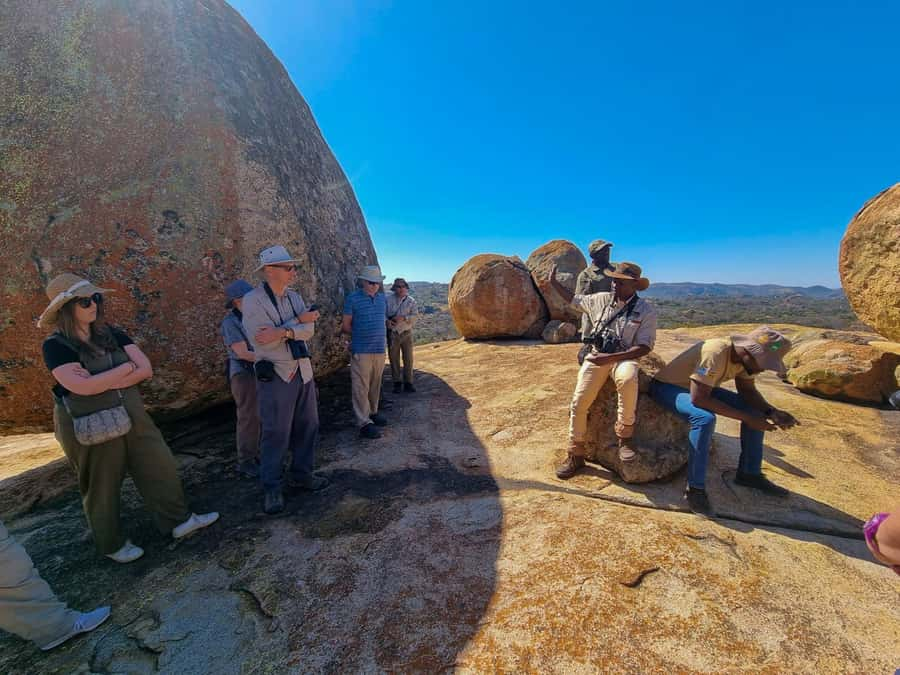
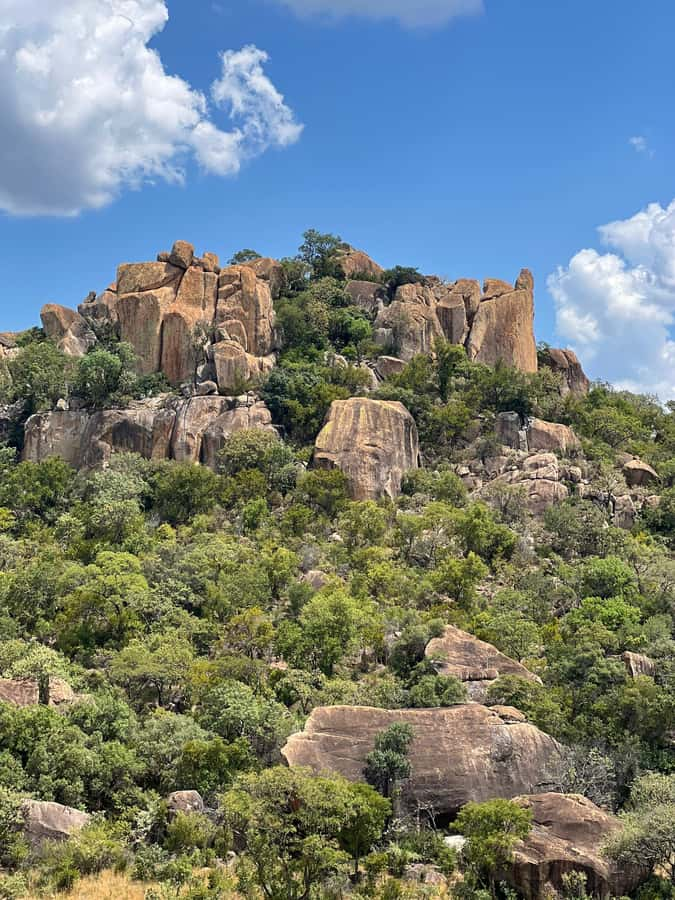
Matobo Hills National Park is not just a place to search for animals. Huge rounded rocks, balancing formations, caves, painted shelters, and sacred sites give the area a strong sense of place. The hills also carry stories from long before colonial rule, along with the difficult history of Cecil Rhodes and the Matabele wars.
This trip works well because it joins those threads instead of treating Matobo as a quick wildlife stop. You might spend part of the morning looking for rhino tracks, then walk to rock paintings, then hear about Ndebele kings and European settlers before eating lunch with a view.
The day begins with pickup in Bulawayo and uses a white open safari truck. That vehicle suits the setting, giving you a better chance to take in the scenery and spot smaller animals and birds along the way. It also means you should dress for sun, dust, and changing weather rather than treating this as a polished city excursion.
A few more day trips around the world worth a look
- Tuscany Day Trip from Florence: Siena, San Gimignano, Pisa and Lunch at a Winery
★ 5.0 · 21,634 reviews - From Amsterdam: Zaanse Schans, Volendam & Marken Day Trip
★ 4.4 · 18,501 reviews - From Munich: Neuschwanstein & Linderhof Castle Full-Day Trip
★ 4.6 · 14,646 reviews
Rhino tracking on foot with Blessing
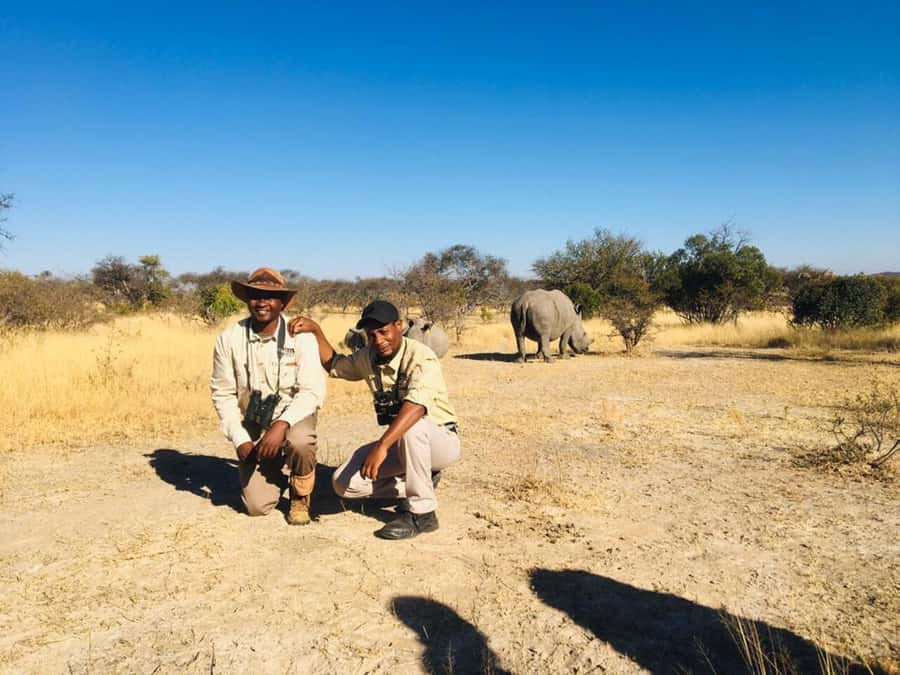
The main reason to book this outing is the chance to leave the vehicle and follow rhinos on foot. That changes the mood completely. Instead of watching animals from a distance, you must pay attention to your guide, the wind, the ground, and the animal’s behavior.
Blessing is repeatedly singled out for his calm handling of this part of the day. His former work as a rhino ranger gives him useful practical experience, and he explains when to move closer, when to wait, and how to react if a rhino changes direction.
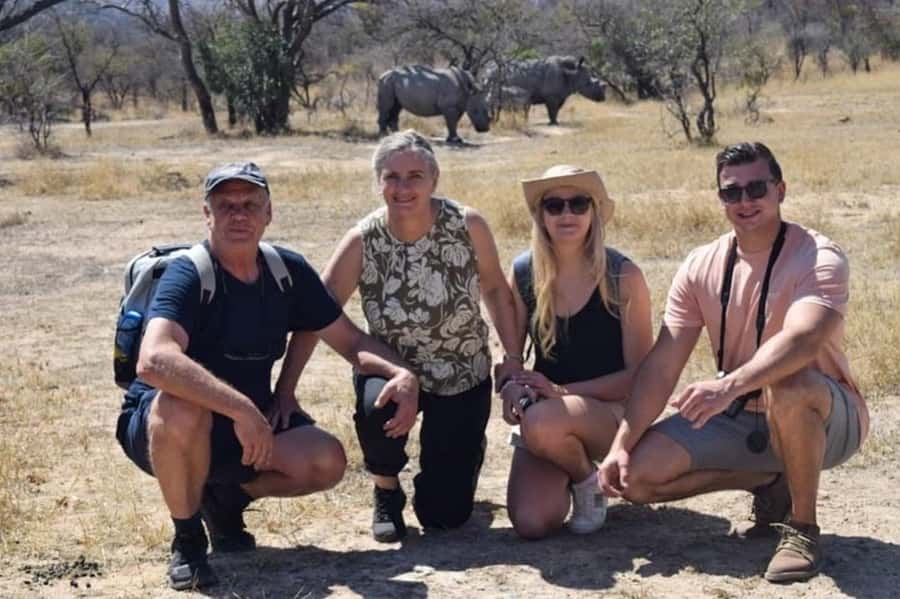
That matters. White rhinos can look slow and peaceful while still being large, fast, and unpredictable. The instructions are simple: listen, stay together, do not make sudden movements, and respect the animal’s space. One recorded encounter brought a young male to within a few centimetres of the guide’s knee as it grazed. That is an extraordinary moment, but it also shows why this is not a casual walk in the park.
Other sightings have been around six or seven metres away. You should see those distances as possible outcomes, not promises. Wildlife is never scheduled, and the quality of the experience depends on how the animals behave on the day.
The guides also look for smaller details. You may learn about plants and their uses, spot birds, or see other wildlife such as a leopard tortoise. This wider attention keeps the morning interesting even if the rhino search takes time.
The short walk to Bushmen paintings
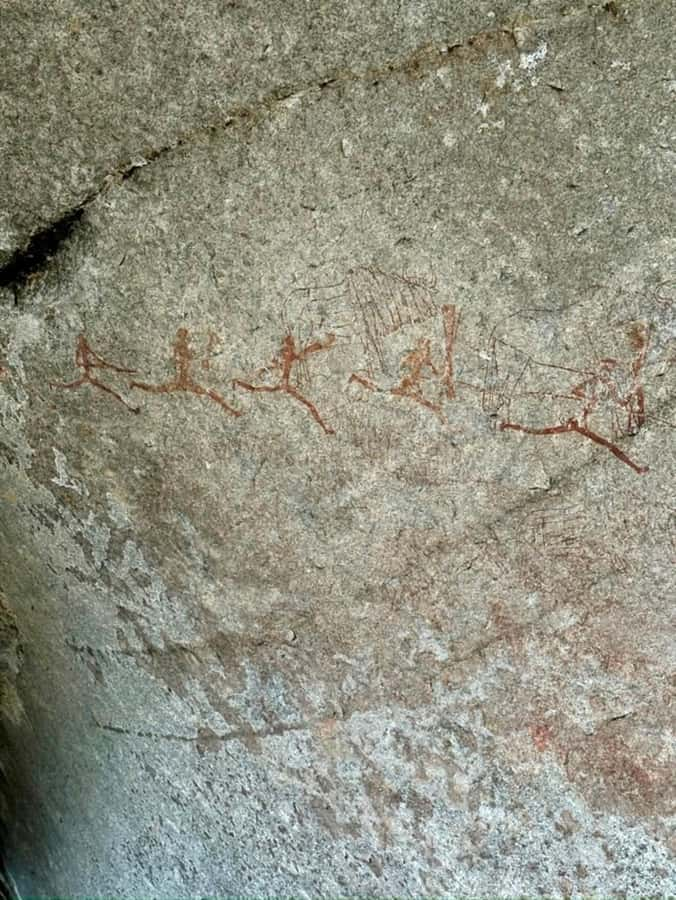
The walk to the rock paintings adds a cultural and archaeological layer to the outing. The route described is about 500 metres, so it is not a long hike, but you still need closed shoes and a reasonable level of comfort on uneven ground.
The paintings are important not simply because they are old. They show how people used and understood this area long before modern park boundaries existed. The connection between the paintings, local knowledge, and the later protection and reintroduction of rhinos gives your guide plenty to explain.
Expect this stop to be more than a photo break. Look closely at the rock surface and listen to the explanation of the site. Since the tour includes a walk, rather than only a drive past the rocks, you get a better sense of why shelters and caves mattered to earlier communities.
There is a practical point here. This outing is not a good fit for anyone with serious back problems or for wheelchair users. The walk may be short, but outdoor ground, standing, and getting in and out of the safari vehicle are part of the day.
Balancing rocks, sacred places, and wide views
Matobo is famous for its unusual rock formations. Rounded granite boulders seem to balance on one another, creating shapes that look almost arranged by hand. They are among the simplest and most memorable sights of the day.
Your guide also takes you to sacred and historic places. The value of these stops is partly visual, but the explanations matter just as much. Matobo is a place where geology, religious belief, local tradition, colonial history, and wildlife protection overlap.
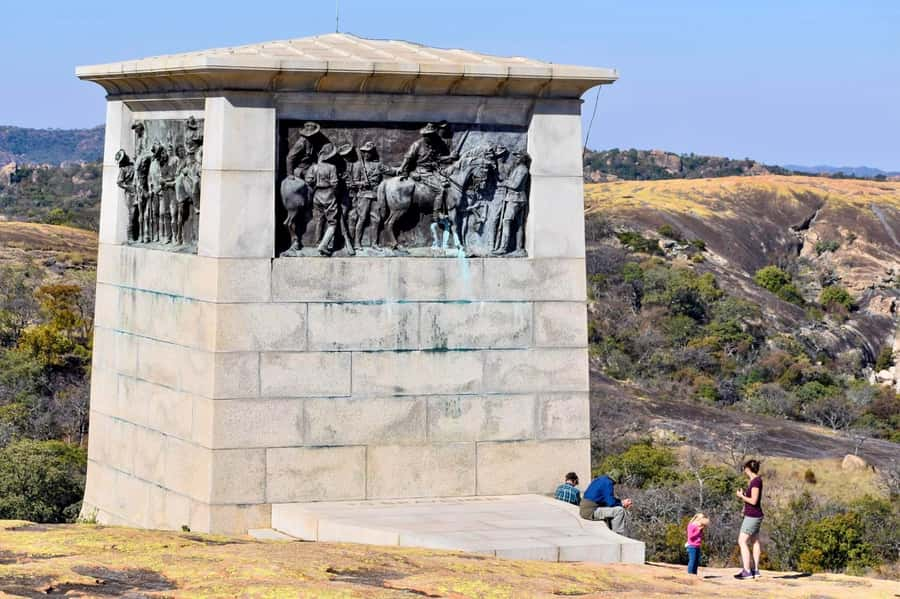
At World’s View, you see the final resting place of Cecil John Rhodes. The view is broad and dramatic, but the stop should not be treated as a simple tribute to a colonial figure. Rhodes’s role in the region is complicated, and the tour includes factual history about him, the Ndebele kings, and the arrival of European settlers.
You also hear about the Matabele wars, including the event in which 3,000 warriors killed the Shangani Patrol. These stories give the hills a human weight that a standard scenic drive might miss. If you want only animals, this may feel like extra material. If you want to understand Zimbabwe beyond its postcard views, it is one of the trip’s strengths.
Same base, a completely different day out:
- Lisbon: Pena Palace, Sintra, Cabo da Roca, & Cascais Daytrip
★ 4.7 · 9,981 reviews - Florence: Pisa, Siena and San Gimignano Day Trip with Lunch
★ 4.6 · 9,771 reviews - From Marrakech: Day Trip to Ouarzazate and Ait Benhaddou
★ 4.7 · 9,447 reviews - Cinque Terre Day Trip with Optional Hiking or Pisa
★ 5.0 · 8,486 reviews
A full seven hours inside Matobo National Park
The park portion lasts about seven hours within an eight-hour day. That is enough time for a proper mix of driving, walking, wildlife watching, historic sites, and a meal. It is not a rushed circuit where every stop gets ten minutes.
The trade-off is stamina. You will spend much of the day outdoors, and the weather can change. A sun hat, sunscreen, insect repellent, comfortable walking shoes, and suitable outdoor clothing are essential. Wear muted colors, since bright clothing is not allowed.
The open safari truck is useful for viewing, but it offers less protection from sun and wind than a closed vehicle. Bring the practical items listed above, and take the guide’s advice seriously around wildlife. Bottled water and drinks are supplied, and the guide may also carry fruit or snacks for a break between activities.
One useful detail from the day’s pattern is that lunch can be later than you expect. Morning tracking may take priority, and the meal comes after several stops. The snacks help bridge that gap, but you should still eat breakfast before pickup.
Lunch with a view, not just a box in the vehicle
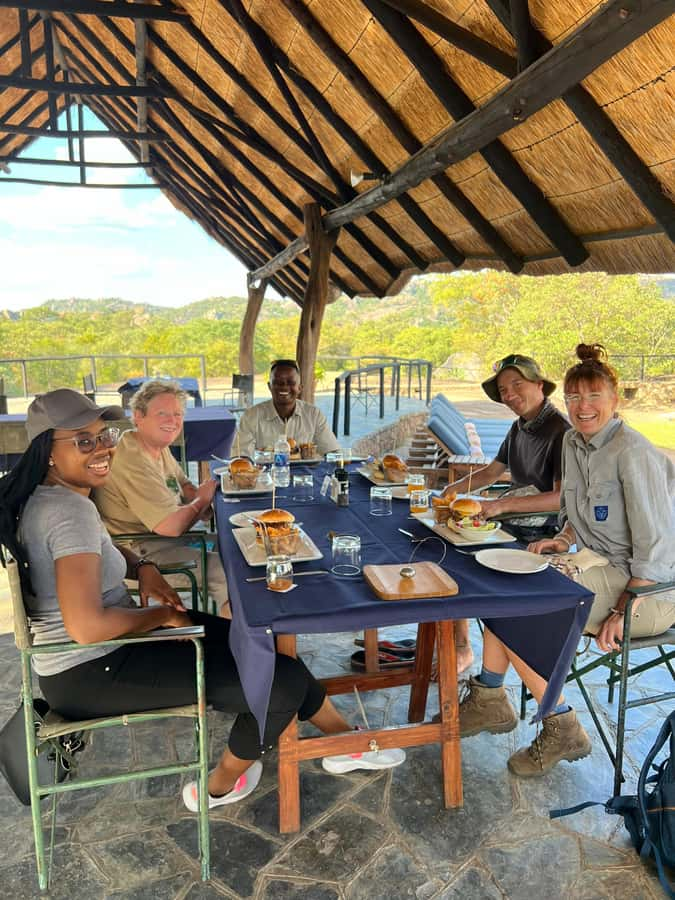
Lunch is served at a local spot or lodge in the Matobo Hills. Several accounts describe generous, satisfying food and attractive views. One day included a late meal at a lodge that made up for the delay with excellent food and scenery.
That is a meaningful part of the price. You are not paying only for transport into the park and a rhino search. The day includes an arranged meal, drinks, entry costs, and a guide who stays with you through the different parts of the visit.
The food is described as using local flavors and careful preparation. Exact dishes are not specified, so do not book expecting a particular menu. If you have dietary needs, the available information does not confirm how these are handled, so ask before booking.
What the $140 price really covers
At $140 per person, this is not the cheapest way to see the Matobo Hills. It is, however, a fairly broad package for an eight-hour day. The fee includes:
- Pickup and drop-off in Bulawayo
- Entry fees and taxes
- A guided tour of the hills and park
- Rhino tracking on foot
- The rock paintings and scenic sites
- Wildlife viewing and a game drive
- Lunch at a local restaurant or lodge
- Bottled water and drinks
The value is strongest if you want one carefully organized day rather than several separate arrangements. Paying for transport, park admission, a specialist wildlife guide, lunch, and a historic tour on your own could take more planning and might not provide the same continuity.
The price makes less sense if you only want a quick scenic visit or if you dislike long outdoor days. You are paying for the range of experiences, not just a guaranteed animal sighting. Since rhinos remain wild, the guide can improve your chances and your safety, but cannot control what appears.
The experience has a perfect five-star rating from 22 published ratings, with special praise for Blessing’s punctuality, clear English, patience, and care around the rhinos. The most consistent strength is his ability to connect animal behavior with the wider story of Matobo.
History that gives the scenery more meaning
The history here is not a decoration added between wildlife stops. It helps explain why the hills matter to different communities and why particular sites are treated with respect.
You hear about Ndebele kings and their interaction with early European settlers. You also hear about the Matabele wars and the Shangani Patrol. At Rhodes’s grave, the guide gives a factual account of Cecil John Rhodes rather than turning the stop into a simple celebration.
That balanced approach is useful in Zimbabwe, where colonial history still shapes how places are described and remembered. You can admire the view while also thinking about who controlled the land, who resisted, and whose stories have been preserved.
The rock paintings add another time scale. They connect the hills to people who lived here long before the events associated with Rhodes or the Ndebele kingdom. Taken together, the stops make Matobo feel like a living cultural place, not merely a scenic park.
Who will enjoy this day most
I would choose this tour if you are staying in Bulawayo and want to see the best-known sides of Matobo in one outing. It suits first-time visitors who would rather have a guide connect the wildlife, history, geology, and rock art than arrange separate visits.
It is also a strong choice for anyone especially interested in rhinos. Blessing’s experience and careful instructions are the main reason this part feels safe and meaningful rather than like a simple chase for a photograph.
The day is less suitable for people with back problems, wheelchair users, or anyone who finds walking on outdoor ground difficult. It may also disappoint you if you want a slow, quiet meal and minimal activity. There is a lot packed into the schedule, and the lunch stop comes after the morning’s work.
Families and older visitors should consider their own comfort with a full day in an open vehicle and a short walk. The supplied information does not give an age limit or group size, so ask the operator if those details matter to your booking.
Practical advice before you leave Bulawayo
Wear closed-toe walking shoes and clothing suited to sun and changing weather. Avoid bright colors, and bring a hat, sunscreen, and insect repellent.
Start the day with breakfast because lunch may be delayed by the rhino search. Water and drinks are included, while the guide may also provide fruit or snacks during a break.
Keep your camera ready, but do not let it distract you from instructions. A rhino encounter can change quickly, and the guide’s directions matter more than getting a close photograph.
The tour is conducted in English. Pickup and drop-off are included in Bulawayo, and you should look for the guide in the white open safari truck. You can cancel up to 24 hours before departure for a full refund, and reserve now while paying later if that option suits your plans.
Should you book the Matobo Hills rhino trip?
Yes, if you want an active, all-day introduction to Matobo rather than a short drive through pretty rocks. The combination of rhino tracking, Bushmen paintings, balancing rocks, World’s View, Ndebele history, and lunch gives you a lot for the $140 price.
I would book it especially if Blessing is confirmed as your guide. His background with rhinos and his care around close encounters are the clearest strengths of the experience.
Skip it if you need an accessible outing, cannot manage a full day outdoors, or want a guaranteed wildlife sighting. For most visitors based in Bulawayo, though, this is a well-rounded way to meet the Matobo Hills on foot, from the back of a safari truck, and through the stories that made the area matter long before you arrived.
FAQ
How long does the Matobo Hills day trip last?
The full experience lasts eight hours, including pickup in Bulawayo, the park visit, lunch, and the return trip.
Where does the tour begin and end?
Pickup and drop-off are provided in Bulawayo.
Is rhino tracking done on foot?
Yes. The tour includes an opportunity to track rhinos on foot, alongside wildlife viewing and a game drive.
How close can I get to the rhinos?
Past encounters have brought people within about six or seven metres, and one encounter came even closer. Exact distances are not guaranteed and depend on animal behavior and the guide’s safety judgment.
Who leads the tour?
The guide named in the supplied experience is Blessing. He is described as a former rhino ranger and conducts the tour in English.
Does the tour include the park entry fee?
Yes. Entry fees and taxes are included in the $140 price.
Is lunch included?
Yes. Lunch is provided at a local restaurant or lodge in the Matobo Hills. The meal may be served later in the day after the morning activities.
What should I bring?
Bring a sun hat, sunscreen, insect repellent, comfortable closed-toe shoes, and suitable outdoor clothing. Bright colors are not allowed.
Is the tour suitable for wheelchair users?
No. The experience is not suitable for wheelchair users. It is also not recommended for people with back problems.
Can I cancel the booking?
You can cancel up to 24 hours in advance for a full refund. A reserve now and pay later option is also available.
Just added around the world
- River Kwai Day Tour from Bangkok – History, Scenery & Culture★ 4.5 · 206 reviews
- Dali Museum and Costa Brava Small Group Day Trip from Barcelona★ 5.0 · 77 reviews
- Amazon Tour in Ecuador: Puyo Day Trip from Baños★ 5.0 · 84 reviews
- The Ultimate Ancient city of Ayutthaya Private Day Trip★ 5.0 · 139 reviews
- Highlights of Bangkok (Private Day Trip)★ 5.0 · 127 reviews
- Private Tour: Floating Markets and Bridge on River Kwai Day Trip from Bangkok★ 3.5 · 35 reviews
- Kawah Putih tour – Day trip Ticket etc all including★ 5.0 · 66 reviews
- Floating Markets Day Trip from Bangkok★ 3.5 · 672 reviews