
Review · PARIS
From Paris: Giverny and Monet’s Home Day Trip
Giverny gives you the rare chance to step inside Claude Monet’s working world, then see the ponds, bridge, and flower beds that became some of his best-known paintings. The lily ponds and Japanese bridge are the main draw, but Monet’s house and its collection of Japanese prints help explain how he saw and arranged the world around him.
I like the easy ride from Paris and the useful commentary provided by guides such as Michelle, Sebastien, and Matthieu. I also like having a prepaid entry ticket, which removes one chore at the gate. The main catch is simple: this is transportation with background information, not a guided tour inside the gardens, and the visit can feel short and crowded.
Key points to know before booking
- Monet’s lily ponds: See the Japanese bridge, wisterias, weeping willows, and water garden that inspired his famous paintings.
- A comfortable Paris escape: Travel by deluxe minibus with an English-speaking driver-guide instead of managing the train to Vernon.
- Mostly independent time: Your driver-guide provides commentary on the road, but you explore Monet’s home and gardens on your own.
- A four-and-a-half-hour outing: The schedule works well as an afternoon break from Paris, though extra time in the village would be welcome.
- Best for art and garden lovers: The visit has real value if you plan to connect it with Monet’s paintings in Paris.
- Crowds matter: Giverny can become packed, especially around the house, garden paths, and best photo spots.
Why Giverny is worth leaving Paris for
Paris has the museums, cafés, and grand avenues. Giverny offers something different: a direct look at the place where Monet arranged his daily surroundings as carefully as a painting.
The village is in Normandy, and the drive takes you away from central Paris into quieter French countryside. The trip is not a full Normandy tour, but the ride adds a welcome change of pace. Guides have pointed out small villages, thatched-roof houses, cave churches, and other sights along the route, depending on the driver and road conditions.
The main attraction is not an abstract art lesson. You can see the visual ingredients yourself. Water reflects the sky beneath willows. The Japanese bridge crosses the pond. Wisterias hang over the structure, and flowers fill the paths in the Clos Normand garden. After visiting, paintings of Monet’s garden at the Musée d’Orsay can feel more immediate because you have seen the setting with your own eyes.
I would not book this trip simply to tick off another famous name. Book it because you want time with gardens, color, and the physical setting behind Impressionist art.
A few more day trips around Paris worth a look
- Normandy D-Day Sites & Cemetery Day Trip from Paris with Lunch
★ 5.0 · 6,877 reviews - Day Trip to Mont-Saint-Michel from Paris
★ 4.5 · 4,876 reviews - Loire Valley Castles Day Trip from Paris with Complementary Wine
★ 4.5 · 3,907 reviews
The ride from 41 Avenue de la Bourdonnais
The meeting point is 41 Avenue de la Bourdonnais in the 7th arrondissement. You can reach it from École Militaire on Metro line 8, Trocadéro on lines 6 or 9, or Pont de l’Alma on RER C.
The exact starting time varies, so check the available departure when booking. Build in enough time to find the address without rushing. This is a shared minibus trip, not a hotel pickup service based on the information provided, so arriving at the stated meeting point matters.
The deluxe minibus is one of the strongest practical reasons to choose this outing. You avoid the separate train journey to Vernon, the transfer arrangements, and the need to organize your own taxi or bus connection to Giverny. On a warm day, the vehicle has also been a welcome break from the heat.
Your driver-guide speaks English and usually provides context during the journey. Sebastien was praised for his clear English and safe driving, while Michelle used the ride to explain French art and Monet’s life in detail. Other guides, including Matthieu, Nicolas, Isabelle, Honoré, and Matthew, have been described as friendly and informative.
The quality of the commentary can shape the trip. Since the garden visit is independent, the information on the road gives you the background you may otherwise miss. Still, do not expect a formal lecture or a guide walking beside you through every room and flower bed.
Entering Monet’s house and garden
Your prepaid ticket covers entry to Monet’s house and gardens. That is useful at a busy attraction, although it does not guarantee an empty entrance or quiet paths.
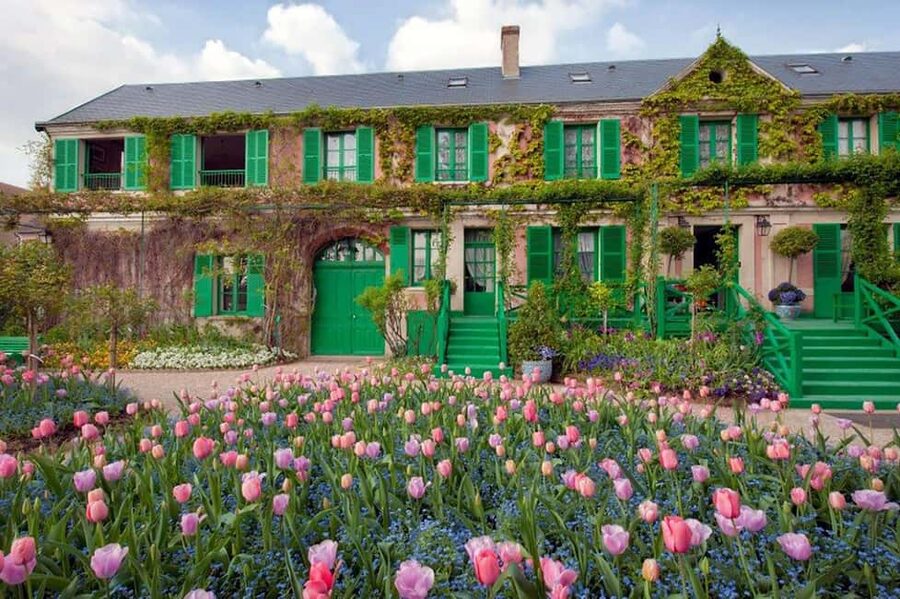
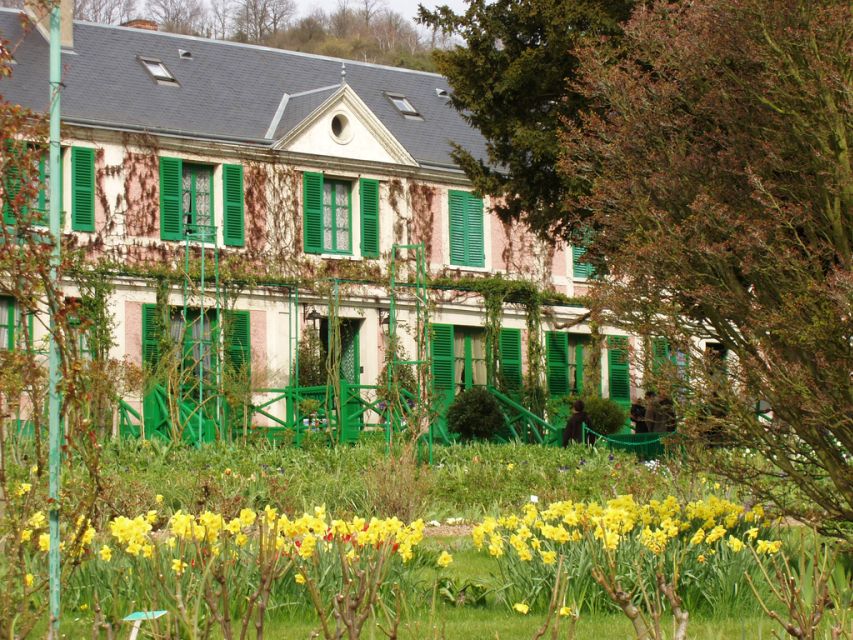
The house is modest in scale compared with the grand estates around France. That is part of its appeal. You see the domestic setting behind the artist, along with a collection of Japanese engravings that reflects Monet’s long interest in Japanese art.
The rooms help you understand that the garden was not simply a pretty backdrop. It was part of Monet’s creative life. Colors, lines, water, and changing light were close at hand. You can look for the relationship between the indoor prints and the outdoor garden design.
The house can become crowded. Waiting times and slow movement are possible, particularly when several groups arrive together. You may need patience in narrow rooms and at popular viewing points.
A useful approach is to move steadily rather than linger too long in the first room. If the house is packed, keep your attention on the details you can actually see. The visit is more satisfying when you accept that this is a heavily visited site, not a private museum.
Following the lily ponds and Japanese bridge
The water garden is the emotional center of the visit. You follow paths shaded by weeping willows and reach the pond associated with Monet’s Nymphéas paintings.
The Japanese bridge is quaint rather than grand. Its importance comes from how often Monet used it as a subject and how naturally it fits into the garden. Wisterias, azaleas, water, and greenery create the familiar visual mix, though the exact display changes with the season.
I suggest slowing down here. Look first at the whole pond, then notice the smaller elements: the curve of the bridge, the hanging plants, the reflection on the water, and the way the paths frame different views. You do not need to know every painting title to appreciate the connection.
Photography can be difficult at busy times. Popular viewpoints fill quickly, and people may gather on the bridge or along the pond. If you want a clear picture, wait calmly rather than trying to push through. The garden is more pleasant when you treat it as a place to observe, not just a series of photo stops.
The visit is especially rewarding if you plan to see Monet’s work elsewhere in Paris. One visitor paired Giverny with the Musée d’Orsay the following day and found the paintings more meaningful after seeing the garden itself. That is a smart way to build an Impressionist theme into your trip.
Same base, a completely different day out:
- From Paris: Giverny, Monet’s Home & Gardens Half-Day Trip
★ 4.5 · 2,887 reviews - Normandy D-Day Small-Group Day Trip with Omaha Beach, Cemetery & Cider Tasting
★ 5.0 · 2,786 reviews - Mont Saint Michel Day Trip from Paris with English Speaking Guide
★ 4.5 · 2,750 reviews - Normandy D-Day Beaches and American Cemetery Day Trip from Paris
★ 4.5 · 2,673 reviews
Walking through the Clos Normand
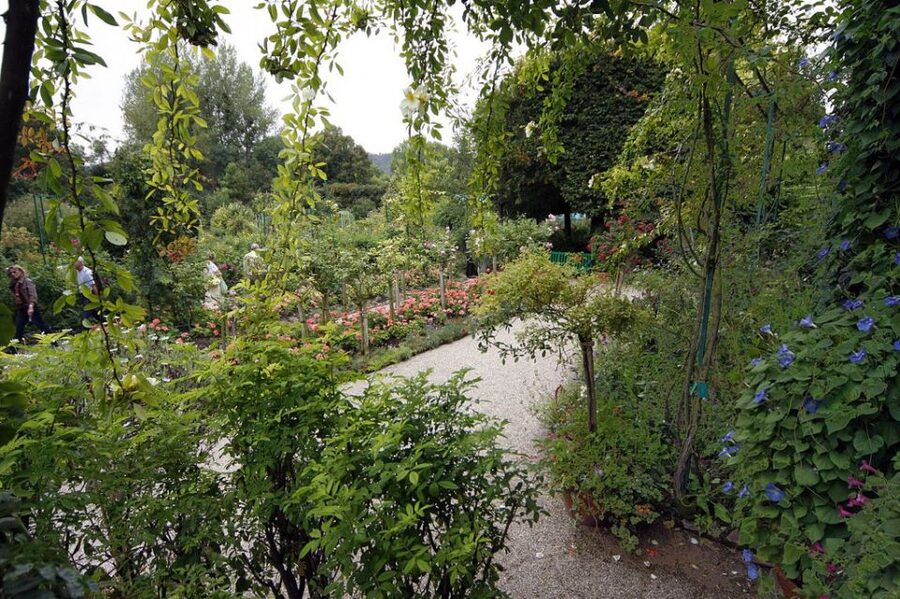
The Clos Normand is the garden directly associated with the house. Its archways are covered with climbing plants, and the beds are filled with colorful shrubs and flowers.
The word garden can sound too gentle for the experience here. The Clos Normand is arranged with strong visual purpose. The paths, arches, colors, and plant heights give you a sense of how Monet created scenes that could change with the season.
Spring through autumn offers something different. May and early June are especially appealing for flower displays and comfortable conditions, based on the timing of particularly strong visits. Summer can bring lush growth and bright color, but it can also bring heat and larger crowds. Autumn has a different mood, with changing tones and less emphasis on spring flowers.
The garden is beautifully maintained, but that polish can make the visit feel less spontaneous than a rural walk. You are seeing a preserved and carefully managed historic garden, not an untouched patch of countryside.
Allow time to look beyond the famous pond. Some of the best moments may be along the flower beds and archways, where you can understand the scale of the property. One common complaint is that the allotted visit feels rushed, with about two hours not always enough for the house, both gardens, the shop, and the village.
The Nympheas studio and Foundation shop
The Nympheas studio is home to the Foundation’s shop. It gives you a convenient place to find a souvenir connected with Monet and Giverny.
You should treat this as optional, especially if your time is tight. The gardens and house deserve priority. If you already know you want books, prints, or small art-related gifts, the shop may be useful. If not, do not let browsing cut into your time outside.
The studio name also reinforces the link between the property and Monet’s water-lily paintings. Even a short look helps tie together the objects, the garden, and the works you may see in Paris museums.
A little time in the village
Giverny itself has a quaint village feel and attracted many American artists between 1883 and 1920. The attraction is not only Monet’s property. The surrounding village helps you picture why artists found the area appealing.
Time here is limited. Some schedules leave enough room for a café stop, a drink, or a quick walk. Other visits feel focused almost entirely on the house and gardens. Do not assume you will have a long village tour, because a guided village walk is not included.
If the church on the hill is open and time allows, it may be worth seeing. A visitor particularly enjoyed the church where Monet and his family were buried. That stop gives the outing a more personal ending, but you should check your timing before walking away from the main site.
A little more village time would improve the trip. Several people wanted another 30 to 60 minutes to sit, take pictures, or see more of Giverny. If you care about local atmosphere as much as Monet’s garden, consider visiting independently on a day when you can set your own pace.
How much time do you really get?
The total duration is 270 minutes, or four and a half hours. That includes the drive from Paris and back, so the time at Giverny is much shorter than the headline duration.
The outing works best when you want a focused half-day visit. You can see the house, water garden, Clos Normand, and shop without spending an entire day away from Paris. It also leaves room for an evening meal or another museum.
The tradeoff is limited flexibility. You cannot easily linger when a flower bed catches your attention, wait for a quiet bridge, or take a long village walk. If you need generous time for photography, lunch, and slow wandering, a self-planned visit may suit you better.
Afternoon traffic is another consideration. The drive is generally described as smooth, but Paris roads can change quickly. One advantage of a driver-guide is that you do not have to manage the route yourself. The driver handles the traffic while you look out at the countryside.
What the $152 price includes
The price is $152 per person. It includes transportation by deluxe minibus, an English-speaking driver, and a prepaid ticket for Monet’s house and gardens.
That is fair value if you put a high price on convenience. You get door-to-door style transport between the meeting point and Giverny, a smaller vehicle than a large coach, entry arranged in advance, and commentary during the journey.
It is less convincing value if you view the outing as little more than a ride. There is no formal guided tour inside the house or gardens, and meals are not included. One person felt the cost was high because transportation made up most of the service.
My advice is to compare the price with your priorities. If you dislike train connections and want an easy half-day from Paris, the fee can make sense. If you enjoy planning rail trips and want more time in Giverny, paying for transport may not be the best use of your budget.
Crowds, comfort, and access
The attraction runs rain or shine. Bring clothing that matches the forecast, since much of the visit takes place outdoors. Comfortable shoes will help on garden paths, although the tour information does not specify the surface in detail.
Crowds are the biggest practical issue. The house and gardens can be swamped when several groups arrive at once. Afternoon departures may be quieter on some days, but you should not count on an empty site. A morning visit may help with crowd levels, though this particular outing is described as an afternoon tour.
The activity is not suitable for wheelchair users. If mobility access is important, you should seek a different arrangement before booking.
The minibus has been described as comfortable, including on warm days. That comfort matters because the drive is a significant part of the four-and-a-half-hour schedule.
Who should book this Giverny trip?
I would recommend it to you if Monet, gardens, or Impressionist art are central interests. It also suits anyone who wants a simple break from Paris without organizing trains and local transport.
It works well for first-time visitors who want useful background from an English-speaking driver-guide but prefer to explore the site independently. The ride can add context without forcing you into a long formal lecture.
I would hesitate if your main goal is a quiet, unhurried visit. The time is fixed, crowds are possible, and the village portion is limited. Families or groups that want lunch, a long stroll, and extensive photography may feel pressed.
At $152, this is a convenience purchase. You are paying for a smooth route, a comfortable vehicle, admission, and an easy connection to one of France’s most recognizable art sites. If that removes stress from your day, it is worthwhile. If you are comfortable arranging transport yourself, the independent option may offer better control.
Should you book it?
Book this trip if you want to see the real pond, bridge, and flower beds behind Monet’s paintings, while keeping the day simple. The strongest parts are the scenic drive, comfortable minibus, useful commentary from guides such as Michelle or Sebastien, and direct entry to the property.
Go with realistic expectations. Giverny can be crowded, the garden visit is independent, and four and a half hours leaves limited time for the village. Arrive ready to walk, accept a little waiting, and protect your garden time from the shop.
For an art lover or garden enthusiast, Giverny can be one of the most memorable breaks from Paris. For everyone else, the price and short schedule deserve a closer look before you commit.
FAQ
Where does the tour meet in Paris?
The meeting point is 41 Avenue de la Bourdonnais, 75007 Paris.
Which Metro stops are near the meeting point?
École Militaire on line 8, Trocadéro on lines 6 or 9, and Pont de l’Alma on RER C are the listed nearby stops.
How long does the experience last?
The total duration is 270 minutes, or four and a half hours.
What transportation is provided?
You travel by deluxe minibus with a driver.
Is the driver-guide English-speaking?
Yes. English is the listed tour language, and the driver-guide provides commentary during the journey.
Is a guided tour of Monet’s house and gardens included?
No. The activity includes transportation, a driver, and a prepaid entry ticket, but not a guided tour inside the property.
What is included in the admission?
A prepaid ticket for Monet’s house and gardens is included.
Can I visit the lily ponds and Japanese bridge?
Yes. The visit includes Monet’s water garden, lily ponds, Japanese bridge, weeping willows, wisterias, and azaleas.
Is the activity suitable for wheelchair users?
No. The tour is listed as not suitable for wheelchair users.
What happens if it rains?
The tour runs rain or shine, so you should prepare for the weather.
Just added around Paris
- Paris: Private Day Trip to Champagne with 8 Tastings & Lunch★ 5.0 · 29 reviews
- Paris: Normandy D-Day Sights Day Trip with Hotel Transfers★ 4.4 · 23 reviews
- From London: Paris Day Trip with Lunch on Eiffel Tower★ 4.5 · 239 reviews
- From Paris: Guided Day Trip to Monet’s Garden in Giverny★ 4.8 · 751 reviews
- From Paris: Versailles Full-Day Trip by Train★ 4.8 · 86 reviews
- From Paris: Versailles Palace and Gardens Guided Day Trip★ 4.5 · 57 reviews
- From Paris: Normandy D-Day Beaches Day Trip with Lunch★ 4.9 · 35 reviews
- From Paris: Day Trip to Giverny & Versailles with Lunch★ 4.4 · 429 reviews
Paris Day Trips, compared.

Normandy D-Day Sites & Cemetery Day Trip from Paris with Lunch
Read our review →

Loire Valley Castles Day Trip from Paris with Complementary Wine
Read our review →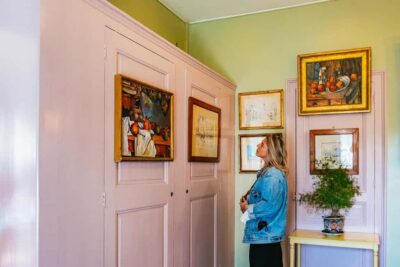
From Paris: Giverny, Monet’s Home & Gardens Half-Day Trip
Read our review →
Normandy D-Day Small-Group Day Trip with Omaha Beach, Cemetery & Cider Tasting
Read our review →
Mont Saint Michel Day Trip from Paris with English Speaking Guide
Read our review →
Normandy D-Day Beaches and American Cemetery Day Trip from Paris
Read our review →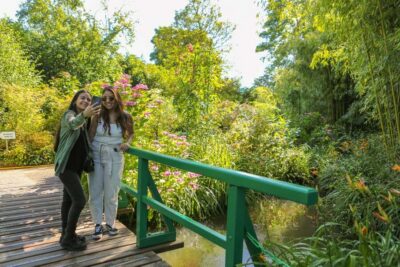
From Paris: Giverny Day Trip with Audio Guide or Live Guide
Read our review →Browse the lists this tour appears in