
Review · ICELAND
Silfra: Half-Day Snorkeling Day Trip with Underwater Photos
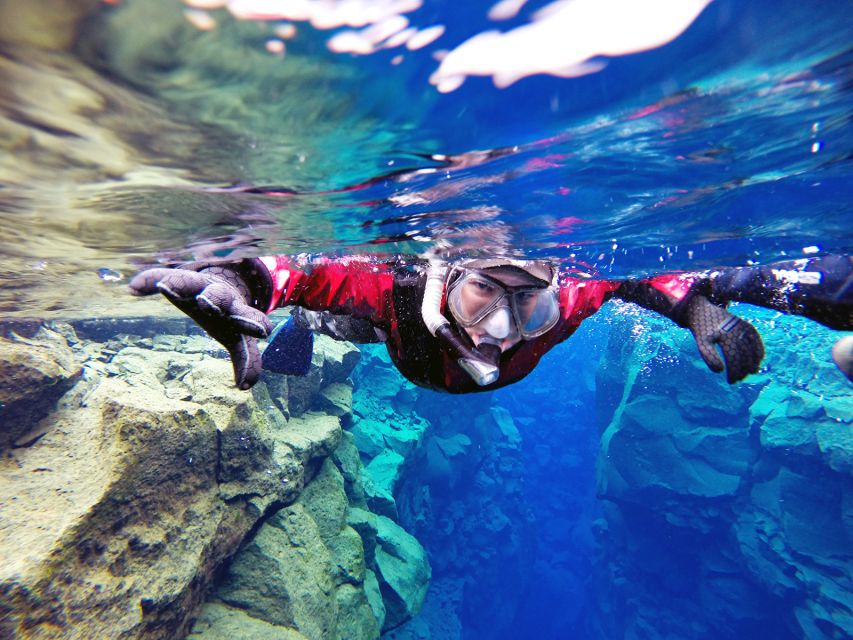
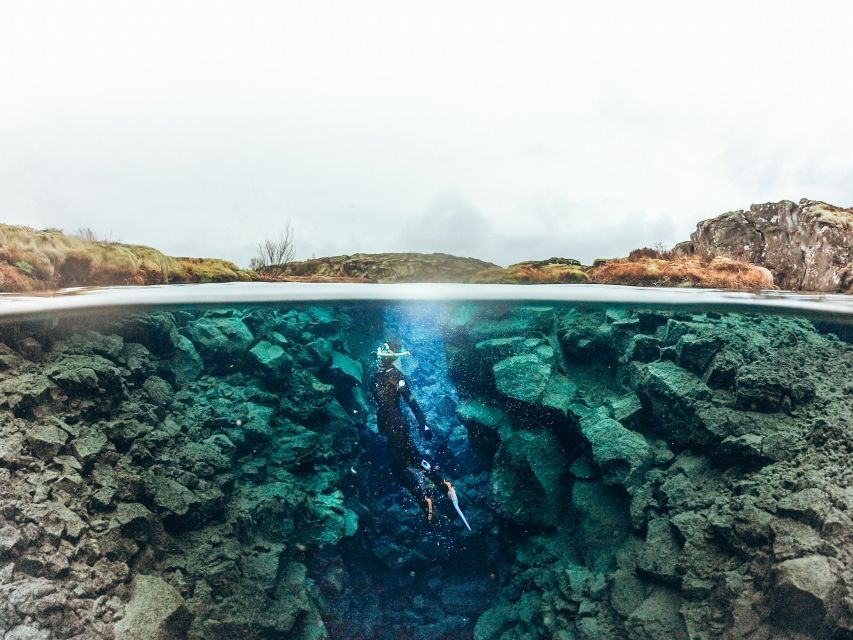
Silfra is one of Iceland’s strangest and most memorable outings: you float through a narrow rift between the American and Eurasian tectonic plates, surrounded by clear blue water and rock formations. The water comes from filtered glacial melt, and visibility can reach 100 meters, making the underwater world look almost unreal.
I like two things right away. The small groups of no more than six allow the guide to help with suits and nerves, and the included photos mean you can focus on swimming instead of handling a camera. The main drawback is the cold and the time spent getting into the water, especially in winter. Your feet, hands, and face still feel the chill even in a drysuit.
Key points to know before booking
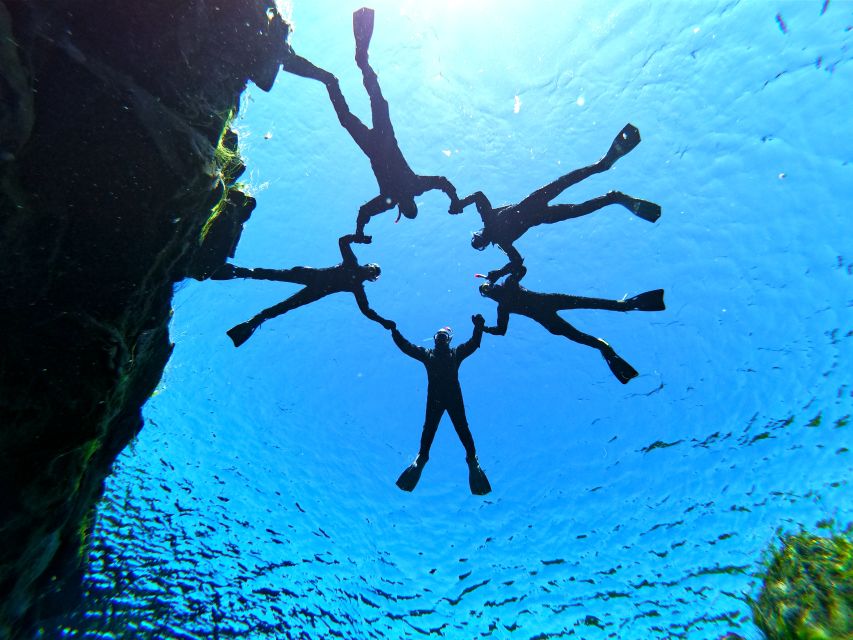
- Float between two continents: The snorkel follows the Silfra rift in Thingvellir National Park, a UNESCO World Heritage Site.
- Expect excellent visibility: The water is famously clear, with bright blue channels and unusual rock formations.
- Choose your protection: A drysuit keeps your body mostly dry, while a wetsuit lets you feel the cold water more directly.
- Allow time for changing: The advertised three hours includes preparation, gearing up, swimming, and warming up afterward.
- Bring serious warm layers: Thermal clothing, thick socks, a towel, and dry clothes matter more than you might expect.
- Book only if you are comfortable in water: You must be able to swim, communicate in English, and complete a medical waiver.
What makes Silfra different from ordinary snorkeling
Most snorkeling trips are about fish, coral, or warm water. Silfra offers none of those. Its appeal is geological: you are floating through a water-filled crack between two continental plates in one of Iceland’s most important natural and historic areas.
The water is the star. It has been filtered through underground rock for decades before reaching the rift, which helps explain its remarkable clarity. You may be able to see the bottom far below you, depending on the section and conditions. The bright blue color changes with depth and light, while the rock walls give the route a stark, otherworldly look.
The experience is gentle in one sense. A slow current carries you along, so you do not need to swim hard for most of the route. But you still need to be calm in the water and able to follow instructions. This is not a pool lesson, and the drysuit can feel bulky before you get used to it.
The setting adds another layer. Thingvellir is not simply a convenient parking area for an activity. It is a major Icelandic site, tied to the country’s geology and early parliament. A Silfra snorkel fits well into a day exploring the Golden Circle, although this booking does not include transport from Reykjavik.
More snorkelling and diving day trips around Iceland:
- Nusa Penida day trip: boat, 4 snorkeling, Manta rays & Land tour
★ 5.0 · 2,033 reviews - Half-Day Trip from Key West with Kayaking, Snorkeling & Sunset
★ 5.0 · 1,683 reviews - Cairns: Premium Snorkelling and Diving Reef Day Trip
★ 4.7 · 1,528 reviews
Arriving at Silfra and finding the meeting point
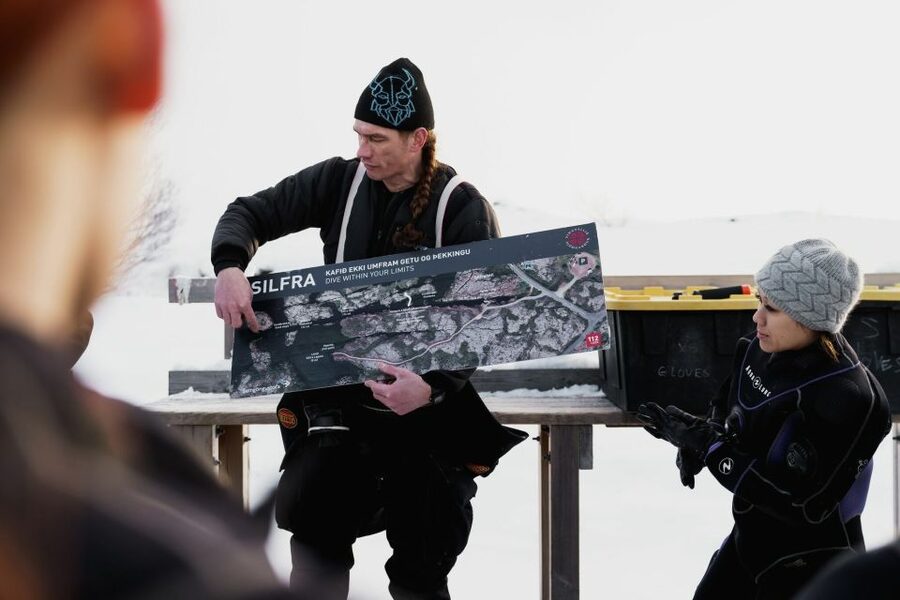
You meet the Adventure Vikings team directly at Silfra in Thingvellir National Park. If you drive, park at Thingvellir P5, then walk about 400 yards back along the road to a smaller parking area where the snorkeling and diving vans are parked.
That detail matters. Do not assume the main P5 parking area is the actual meeting spot. Give yourself enough time to park, walk, and find the correct vehicle. The tour does not include round-trip transport from Reykjavik, so you need your own car or a separate transport plan.
The group size is limited to six people. That is a useful balance: large enough to feel social, but small enough for the guide to keep an eye on everyone. Guides such as Doris, Anil, Hugo, Wilmar, Ines, Niko, Kevin, and Oliver have been praised for patience, calm instruction, and personal help with equipment.
The guide’s role is especially important if you have never snorkeled before. You do not need a diving certificate, but you do need to be at ease in water. A good guide can help you settle down, adjust your gear, and keep your attention on the route rather than on your nerves.
Getting into the drysuit takes patience
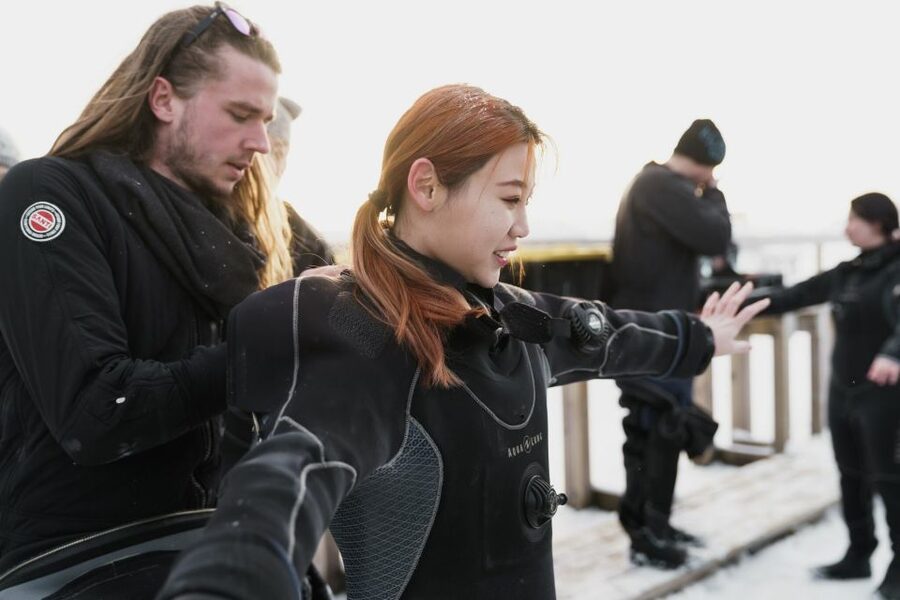
The preparation is less glamorous than the photos. You will change, complete and sign a medical waiver, and put on the required equipment with help from the guide. The suit must fit closely around your neck and wrists, and it can feel restrictive until you are in the water.
Most people choose the drysuit, particularly outside summer. It keeps your main clothing layers dry and protects your body from the cold. You may still feel cold around your head, hands, and feet. Several cold-weather experiences point to the same practical lesson: wear more than one layer of thermal socks.
Under the drysuit, wear warm base layers that do not bunch up. One participant had trouble with clothing gathering under the suit, while another found that three thin layers of thermal trousers and two shirt layers worked well in subzero conditions. Avoid bulky cotton clothing. Bring warm items that fit comfortably beneath the suit.
The waiting period can be the hardest part in winter. You may be dressed and standing outside before entering the water, and temperatures can drop well below freezing. One outing took place at minus 12 degrees Celsius, while another was at minus 3. Thick socks, gloves for the waiting time, a hat, and a warm outer layer for before and after are sensible additions.
The operator supplies the snorkeling equipment and either a wetsuit or drysuit, depending on the option you select. Your own packing list should include swimwear, socks, warm clothes, a towel, snacks, and a medical statement if required for your circumstances.
The three-hour route through clear blue water
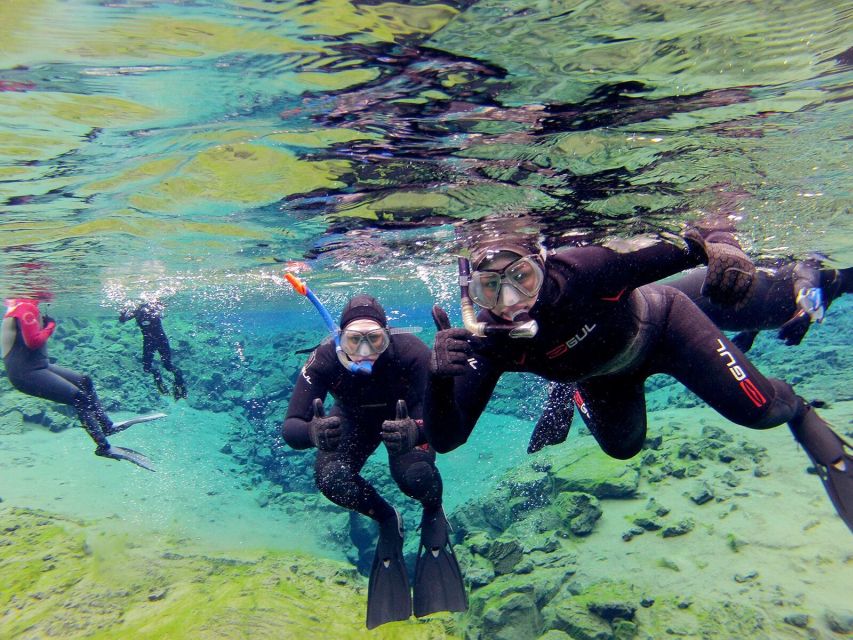
Once the group is ready, the guide explains the rules and leads you to the entry point. You begin on the surface, then follow the rift as the gentle current carries you along.
The underwater route is not a race. You will look down into the clear water, watch the rock formations pass below, and move between sections of the rift. The guide sets the pace and helps keep the group together. The focus is on the strange feeling of floating in a geological fault, not on athletic swimming.
The clearest sections are the reason to book. Silfra’s water can look almost empty because there are few fish or plants to distract you. Instead, you get clean lines, blue tones, rocky walls, and a view that seems much farther than it really is.
The lagoon at the end is often called the real Blue Lagoon because of its intense color. It is a fitting finish to the route, although you should not expect a long free swim. Some participants wished for more time in the lagoon, and another found the actual water time close to 30 minutes. The total booking lasts three hours because changing, safety briefings, entry, exit, and equipment handling take a large share of the schedule.
That distinction is useful when comparing prices. You are paying for a carefully managed cold-water outing, not three continuous hours in the rift.
A few more day trips around Iceland worth a look
- From Lembongan: Nusa Penida Snorkeling Day Trip
★ 4.6 · 1,126 reviews - Adamas: Kleftiko Sailing Day Trip with Snorkeling and Lunch
★ 4.8 · 713 reviews - Ko Tao: Tao-Nangyuan Snorkeling Day Trip with Meals & Sunset
★ 4.6 · 711 reviews - Lady Musgrave Day Trip from Bundaberg Including Snorkeling
★ 5.0 · 683 reviews
What the guide adds to the experience
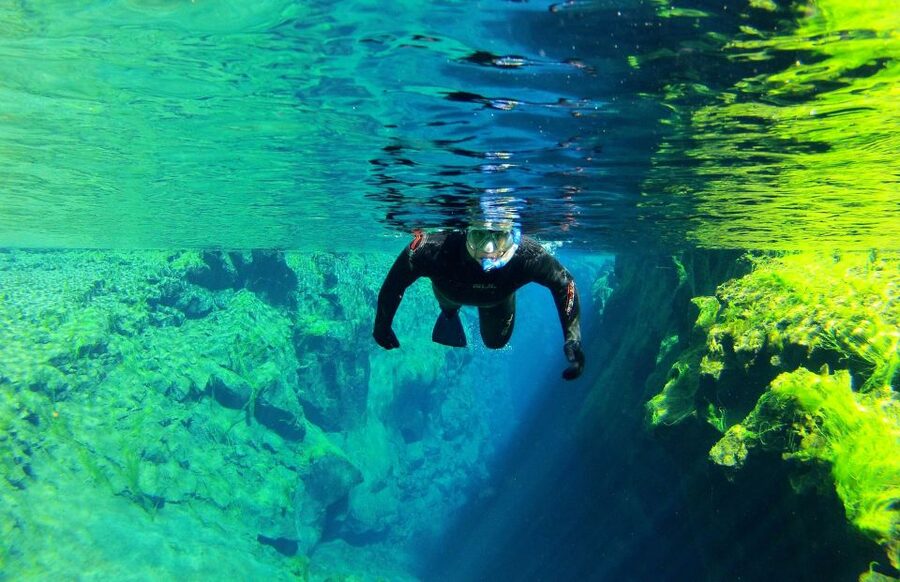
The gear is important, but the guide can make or break the day. Getting into a drysuit is awkward, and first-time snorkelers often have questions about breathing, body position, and staying warm. The best guides give clear instructions without making the process feel rushed.
Doris has been singled out for calm, patient help with first-time snorkelers. Anil has helped nervous participants feel at ease and has taken time to adjust equipment. Hugo and Wilmar have been praised for friendly, attentive guidance, while Ines has made beginners feel confident with patient answers.
The small group helps here. A guide can watch individual swimmers instead of simply leading a large line through the rift. This is particularly useful if one person in your party is less confident, older, or trying snorkeling for the first time.
There is one practical limitation. If you are at the back of the group, you may have trouble hearing every explanation, especially outdoors with people spread out. Stay close when the guide is speaking, and ask for a repeat if you miss something. The safety instructions matter.
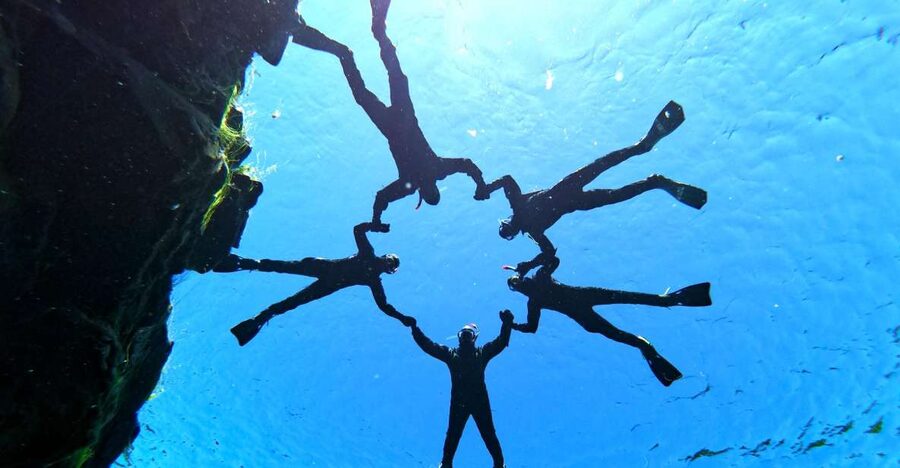
The guide also takes the underwater photos. You do not need to manage a camera while wearing gloves and a mask. The included images are a real value, especially because it is difficult to photograph yourself while keeping up with the group. If you want to use your own GoPro, rental is available for 6,900 ISK.
Cold water, warm clothes, and the drysuit choice
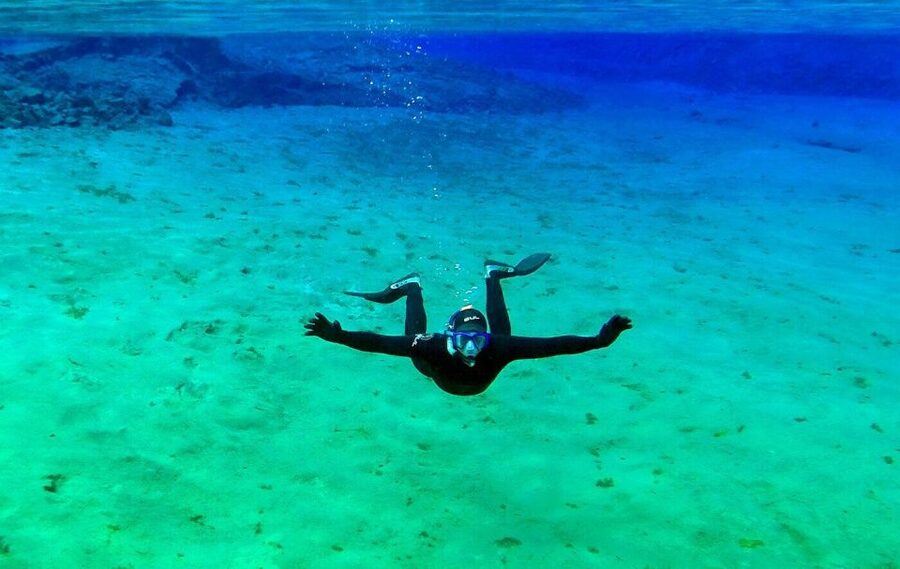
The water temperature is about 2 degrees Celsius, so do not confuse clear water with warm water. The drysuit makes the experience manageable, but it does not turn Silfra into a heated pool.
Many people find the water more comfortable than expected once they begin moving. The waiting time before entry can feel worse than the snorkel itself, especially in winter. Your feet are likely to be the weak point, so pack thick thermal socks and consider a spare pair for afterward.
The wetsuit option is for the more adventurous and gives you more direct contact with the water. One participant who chose a wetsuit in January stayed mostly warm but found cold feet. Unless you specifically want to feel the water, the drysuit is the sensible choice for most people.
You may sip the water during the outing. It is exceptionally clean and has no strong taste, although I would not treat drinking it as the main attraction. The memorable part is seeing the bottom through water that looks almost too clear to be real.
Is $140 a fair price?
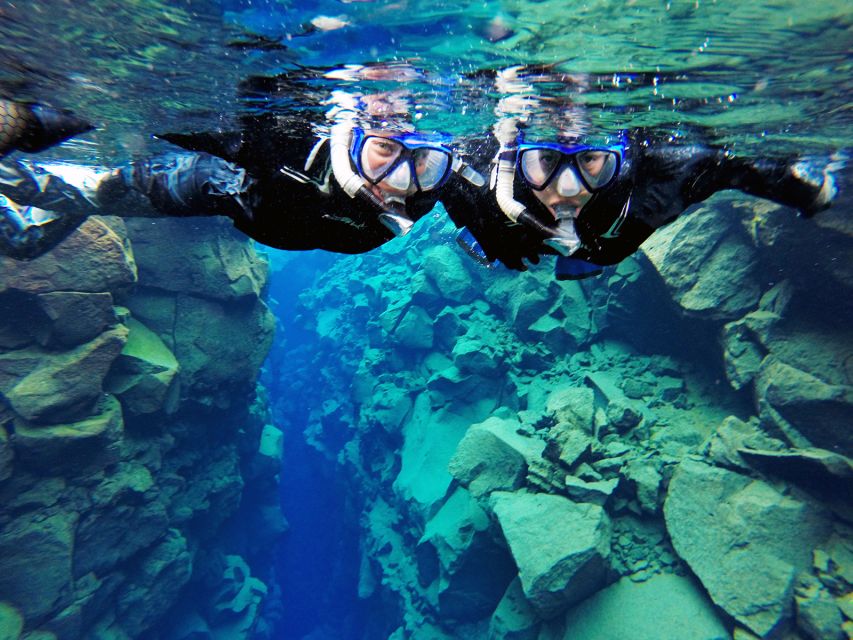
At $140 per person, this is not a cheap add-on. Iceland activities can be expensive, and the water time itself may feel short if you measure the tour by minutes spent snorkeling.
The value improves when you count what is included: a guide, equipment, a small group, underwater photos, and hot chocolate. You also avoid buying or transporting specialist cold-water gear. The photo service is useful because taking your own pictures in a drysuit is difficult.
I would consider it good value for someone who wants a rare experience rather than a long activity. You are not paying for distance covered or a full day of entertainment. You are paying for access to a specific geological site, professional supervision in very cold water, and a memory that is difficult to reproduce elsewhere.
It is less convincing value if you dislike cold, feel uncomfortable in restrictive clothing, or want a relaxed swim with plenty of time in the water. The preparation can feel long, and the route may seem brief once you are enjoying it.
Who should book this Silfra snorkel?
This outing suits confident swimmers, first-time snorkelers who are comfortable following instructions, couples, solo visitors, and families with children aged 12 or older. You do not need technical training or a certification.
It is also a good fit for a Golden Circle day, especially if you want an active break from waterfalls, viewpoints, and roadside stops. You can pair it with other Thingvellir sights, but leave enough time for parking, changing, and the three-hour activity.
Think twice if you are pregnant, have heart problems, use a wheelchair, or have mobility limitations. The listed body-size limits are also firm: the activity requires a height of 150 to 200 centimeters and a weight of 50 to 120 kilograms. The suitability information separately excludes people under 45 kilograms, so anyone near the lower limit should confirm before paying.
You must be able to communicate in English and complete the medical waiver. Glasses cannot be worn under the mask. Contact lenses are required, unless you have a prescription diving mask.
Practical ways to make the day better
Eat breakfast before you arrive. This is not the time to start the day hungry, especially when you are spending time outdoors in cold weather.
Bring snacks, even though hot chocolate is supplied afterward. Pack your towel and a complete change of warm clothing. Do not rely on the clothes you wore to the meeting point if they are damp or thin.
Arrive with enough time to find the correct parking area and walk to the smaller lot. Wear clothing that is easy to manage and avoid excess layers that make the drysuit hard to fit.
If you are visiting in winter, choose your date with some flexibility. Weather can force cancellation, in which case the activity may be refunded or moved to another date. The standard cancellation policy allows a full refund when you cancel at least 24 hours ahead.
Should you book it?
Book this Silfra snorkeling trip if you want a distinctly Icelandic experience built around geology, cold water, and extraordinary clarity. The small group, patient guides, equipment, photos, and hot chocolate make the $140 price easier to justify.
Skip it if you want warm water, abundant marine life, or a long uninterrupted swim. The cold and the changing process are real parts of the outing, not minor footnotes. For a confident swimmer who packs properly and accepts that the actual water time is limited, floating between two tectonic plates is a memorable use of half a day.
FAQ
Where does the Silfra snorkeling tour meet?
The meeting point is at the Silfra parking area in Thingvellir National Park. Park at Thingvellir P5, then walk about 400 yards back along the road to the smaller parking lot with the snorkeling and diving vans.
Is transportation from Reykjavik included?
No. Round-trip transportation to Reykjavik is not included, so you need to arrange your own transport to Thingvellir National Park.
How long does the activity last?
The activity lasts three hours. This includes the briefing, changing, equipment preparation, snorkeling, and time to warm up afterward.
Do I need to be a certified diver?
No. A diving certification is not required. You must be able to swim and feel comfortable in water.
Is the water very cold?
Yes. The water is about 2 degrees Celsius. A drysuit protects most of your body, but your hands, head, and feet may still feel cold. Warm layers and thick socks are important.
What should I bring?
Bring warm clothing, a towel, snacks, socks, swimwear, and a medical statement. Thermal layers are especially useful in cold weather.
Can I wear glasses?
No. Regular glasses cannot be used with the mask. You need contact lenses or a prescription diving mask.
What is the minimum age?
The minimum age is 12, and anyone under 18 must be accompanied by an adult.
More Photography Sessions in Iceland
- Bangkok: Nemo Island Day Trip with Drone Photos and Lunch
★ 4.5 · 90 reviews - Lempuyang Gate of Heaven: Day Trip with a Photographer
★ 4.7 · 30 reviews
Just added around Iceland
- Day Trip to Lake Mývatn And The Nature Baths from Akureyri★ 5.0 · 74 reviews
- Top-Rated Family Rafting-Warm Drysuits, Volcanic Canyon, Epic Fun★ 5.0 · 411 reviews
- Iceland’s Top Grade 4 Rafting – Drysuit, Canyon & Adrenaline★ 5.0 · 438 reviews
- Reykjavik: Small-Group Snæfellsnes Day Trip★ 4.8 · 214 reviews
- From Reykjavik: Small Group Golden Circle Day Trip★ 4.6 · 220 reviews
- From Reykjavik: South Coast Full-Day Trip★ 4.9 · 181 reviews
- Reykjavik: Thrihnukagigur Volcano Guided Hiking Day Trip★ 4.9 · 564 reviews
- Reykjavik: Golden Circle Day Trip with Blue Lagoon Transfer★ 4.8 · 345 reviews
Snorkeling & Diving Day Trips, compared.
Nusa Penida day trip: boat, 4 snorkeling, Manta rays & Land tour
Read our review →
Half-Day Trip from Key West with Kayaking, Snorkeling & Sunset
Read our review →
Cairns: Premium Snorkelling and Diving Reef Day Trip
Read our review →
From Lembongan: Nusa Penida Snorkeling Day Trip
Read our review →
Adamas: Kleftiko Sailing Day Trip with Snorkeling and Lunch
Read our review →
Ko Tao: Tao-Nangyuan Snorkeling Day Trip with Meals & Sunset
Read our review →
Lady Musgrave Day Trip from Bundaberg Including Snorkeling
Read our review →
Moreton Island Day Trip (Kayak, Snorkel & Sandboard) frm Brisbane or Gold Coast
Read our review →Browse the lists this tour appears in