
Review · TOKYO
Tokyo: Day Trip to Kamakura in Spanish – Spanish
Kamakura gives you a very different Japan in one day: temple gardens, wooded hills, old legends, a seaside-town feel, and a 13-meter bronze Buddha. The day begins at Tokyo Station and uses ordinary public transportation, so you see how the journey works rather than being sealed inside a private coach.
I like the Spanish-language guiding and the route’s strong mix of temples, stories, food, and shopping. Guides including Camila, Nerea, Ori, Paula, and Nikita have been praised for clear explanations, patience, and useful recommendations. The main catch is that the $86 price does not include transport or temple tickets, and the full day involves walking, trains, and a tram.
- The 13-meter Great Buddha: Kotoku-in houses a bronze figure weighing 121 tons, one of Kamakura’s most memorable sights.
- Hase-dera by historic tram: Ride one of Japan’s oldest trams still in service before exploring a temple filled with myths and legends.
- A Spanish-speaking day out: The guide explains Japanese history and customs in Spanish, with several guides praised for warmth and patience.
- A practical Tokyo escape: The eight-hour outing leaves from Tokyo Station and returns to the same meeting point.
- Time for local food and shops: Kamakura’s main street gives you space to eat lunch and browse independently.
- Know the extra costs: Budget ¥2,300 for transportation and ¥700 for temple admissions, plus food and drinks.
Why Kamakura Makes a Good Break from Tokyo
Tokyo can fill your day with towers, department stores, neon, and crowded train platforms. Kamakura changes the pace. This former settlement is known for Buddhist temples, shrines, legends, and wooded grounds, all within an easy day trip from the capital.
I like this outing because it does not treat Kamakura as only a photo stop. You visit two major temple sites, ride a local tram, hear the stories behind the places, and get time on the main shopping street. That mix helps you understand how the town works today while seeing why it mattered in Japan’s past.
The tour lasts eight hours, which sounds long until you count the journey from central Tokyo, the temple visits, lunch, shopping, and the return trip. You should still expect a fairly active day. Public transportation is used throughout, and the itinerary includes walking between some stops.
Meeting at Tokyo Station and Taking the Train
The group meets in front of Tokyo Station’s facade at Marunouchi Square, by the central exit. This is a useful starting point, but Tokyo Station is large, so give yourself time to find the correct exit and the station facade.
From there, you take a train toward Kamakura. Transportation is not included in the tour price and is listed at ¥2,300. The same information also notes that public transportation is used for the excursion, so you should plan for regular trains and the local tram rather than a private vehicle.
That setup has two sides. I like the fact that you travel as people living in Japan do, and the train keeps the day practical. On the other hand, an inexperienced Tokyo visitor may find the station changes and ticket arrangements less simple than riding in a private bus. One person specifically felt caught off guard because transport to the destination was not included. Treat the ¥2,300 as part of the real cost from the beginning.
The train ride also gives you a useful transition. Tokyo’s dense center gradually gives way to a smaller town with a more relaxed feel. The exact ride time and train route are not specified, so your guide will direct the group on the day.
A few more day trips around Tokyo worth a look
- From Tokyo: Mount Fuji Customizable Private Day Tour
★ 4.9 · 1,070 reviews - Tokyo: Mt. Fuji, Kamakura, Big Buddha, & Lake Ashi Day Trip
★ 4.5 · 867 reviews - Tokyo Private Day Trip – Enjoy Your First-Time Visit to Tokyo!
★ 5.0 · 793 reviews
Riding Kamakura’s Old Electric Tram
Once you reach Kamakura, the group boards one of the oldest trams still operating in Japan. This is more than a practical connection between sights. The tram adds local character and makes the route feel tied to the town instead of being a simple series of temple entrances.
The tram takes you toward Hase-dera. Public transportation can mean standing room or busy platforms, especially at popular times, so wear shoes you can walk in and keep your belongings compact. Large bags and luggage are not allowed on this activity, which is sensible for trains and temple paths.
The ride is also one reason this tour suits you if you want a day that includes everyday Japan. You are not simply driven from one attraction to the next. You see a working town and use the same basic system that residents use.
Exploring Hase-dera’s Stories and Temple Grounds
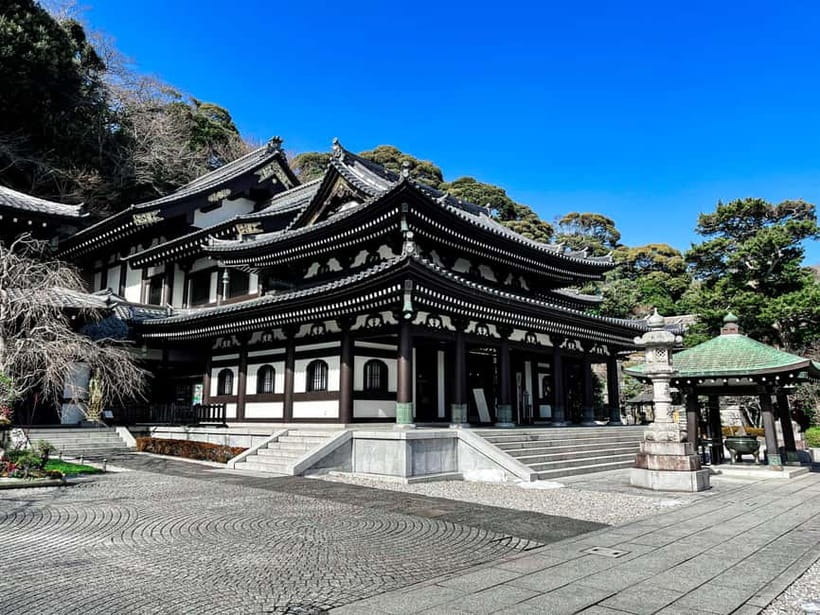
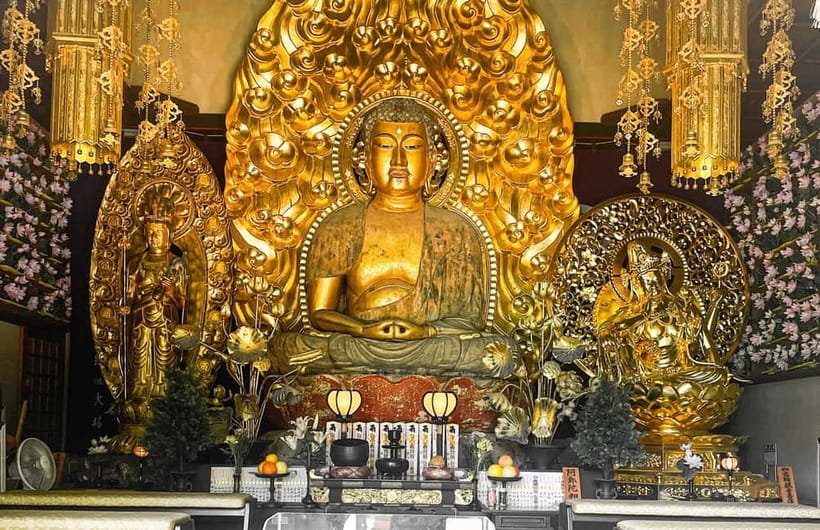
Hase-dera is presented as a temple filled with myths and legends. That storytelling matters. Without context, a temple visit can become a quick look at a gate, a statue, and a garden. With a Spanish-speaking guide, you can connect the buildings and religious figures to the beliefs and tales that give the place its character.
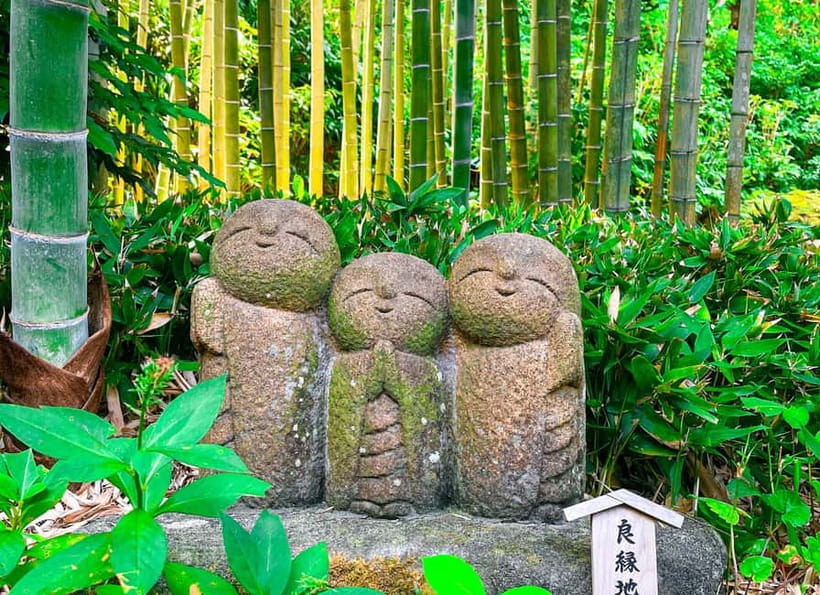
The grounds are described as beautiful and surrounded by serene nature. You can expect the visit to combine temple architecture with vegetation and views, rather than focusing only on one central building. The account of the tour does not promise a specific viewpoint or exact sequence inside the grounds, so let the guide set the pace.
This is one of the better parts of the day for visitors who want more than photographs. The temple’s legends give your guide material to explain Japanese spirituality in a way that is easier to remember. It is also a quieter counterpoint to the shopping street later in the afternoon.
There is a practical point to keep in mind. Temple grounds can involve paths, steps, and uneven surfaces, and the experience is not suitable for wheelchair users. The tour is also not suitable for people with hearing impairments, so the spoken explanations are a central part of the experience.
Meeting the Great Buddha at Kotoku-in
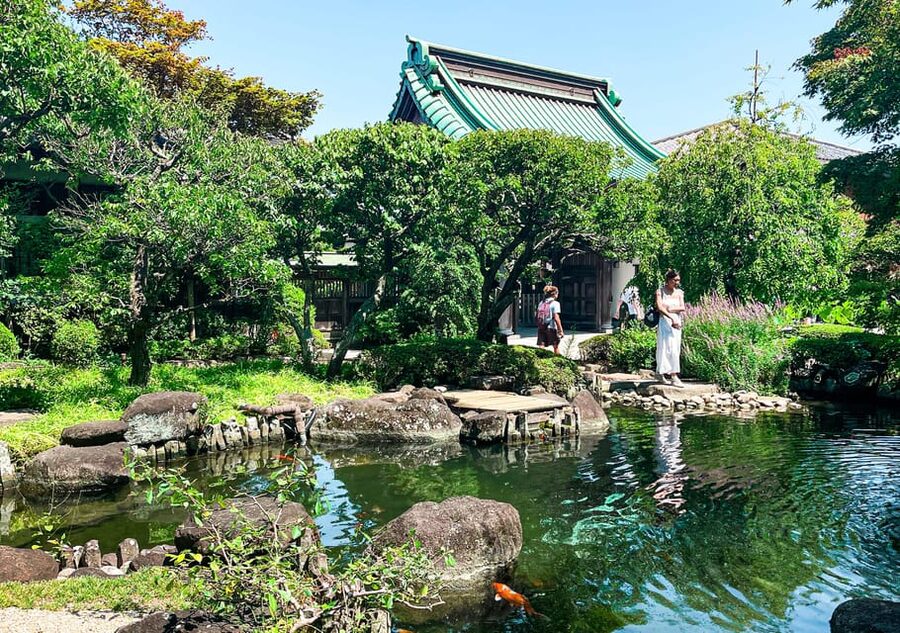
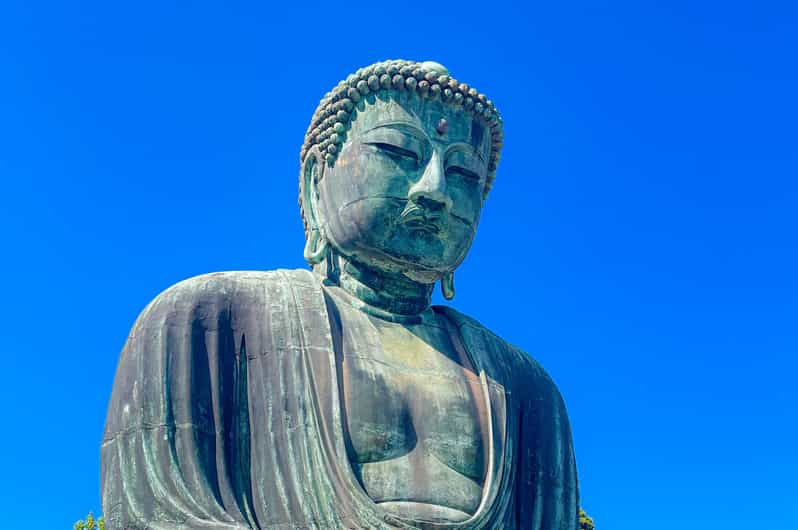
After Hase-dera, you walk to Kotoku-in Temple. The main attraction here is Kamakura’s Great Buddha, a bronze figure measuring 13 meters and weighing 121 tons. It is described as the second largest bronze Buddha in Japan, which gives the visit real scale even if you have already seen major statues elsewhere in Asia.
I like the contrast between the two temple stops. Hase-dera brings myths, greenery, and a more varied setting. Kotoku-in gives you one powerful object to study. The Buddha’s size is impressive, but the guide’s explanation is what can turn a large statue into a meaningful part of Kamakura’s story.
Admission to the temples is not included. The listed temple cost is ¥700. Since the price covers the Spanish-language excursion and eight hours, you are paying for the guide’s organization and interpretation rather than for an all-inclusive entry package. Add the ¥700 and ¥2,300 transport cost when comparing this experience with other day trips.
The tour does not state whether the Great Buddha can be entered or how long the group stays at Kotoku-in. Your guide will manage the timing so the day can continue to the main street.
Same base, a completely different day out:
- Mt. Fuji Day Trip from Tokyo with English Speaking Driver Guide
★ 5.0 · 443 reviews - Tokyo: Mount Fuji and Hakone Private Sightseeing Day Trip
★ 4.8 · 434 reviews - From Tokyo: Mount Fuji And Hakone Private Full Day Trip
★ 4.8 · 359 reviews - From Tokyo: Nikko World Heritage Site Private Full-Day Trip
★ 4.9 · 243 reviews
Lunch and Shopping on Kamakura’s Main Street
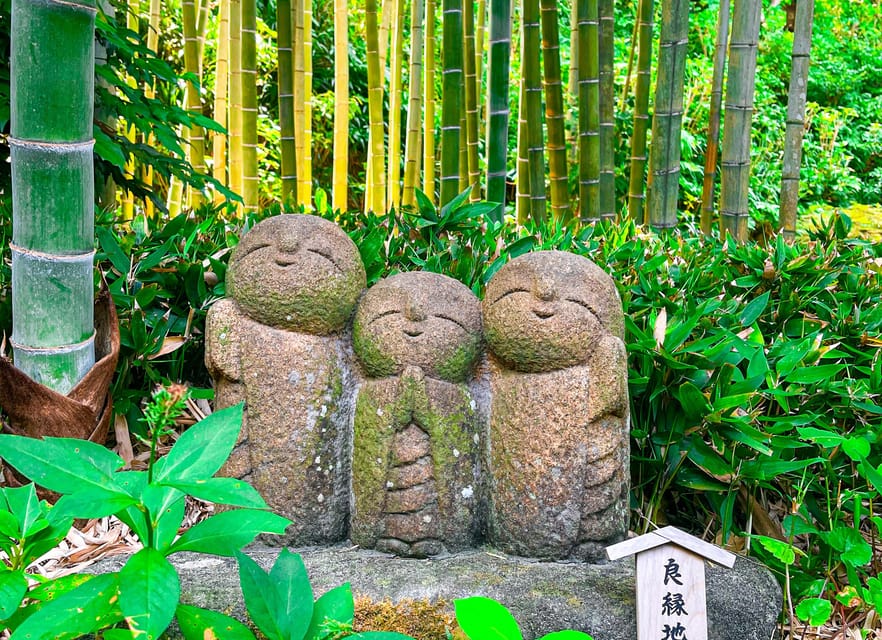
After the temples, you reach the settlement’s main street, lined with shops and known for its distinctive atmosphere. This is your chance to step away from guided sightseeing and choose what you want to eat or browse.
Food and drinks are not included, so lunch is your own expense. That arrangement gives you some freedom, especially if you have dietary preferences or want to choose between a quick meal and a longer stop. The available information does not name particular restaurants or dishes, so I would ask the guide for current suggestions and confirm prices before ordering.
The shopping time also helps keep the day from feeling like a museum route. You can look for local snacks, souvenirs, or small gifts, then regroup for the return journey. The time is described as an opportunity to explore, not as a guided shopping experience, so do not expect every store to be part of the official tour.
This stop is especially useful for families and mixed-interest groups. One guide, Nerea, was praised for adjusting her pace to children, and that matters on a long day with several changes of scene. Still, children need to manage public transport and walking for much of the outing.
Returning to Tokyo by Public Transportation
The activity ends back at the original meeting point near Tokyo Station. That makes the finish simple, especially if you are staying near the station or have evening plans in central Tokyo.
A full day of trains, tram travel, temple grounds, and shopping can be tiring. The practical upside is that the route avoids private traffic and keeps the schedule connected to Japan’s regular transport system. One detailed account described air-conditioned trains and short waits for transport, but conditions can vary by time and day, so I would not treat that as a guarantee.
Bring only what you need. Large bags and luggage are not allowed, and a compact day bag is more comfortable on trains and while walking. Comfortable footwear matters more than dressing up for this outing.
What the Spanish Guiding Adds
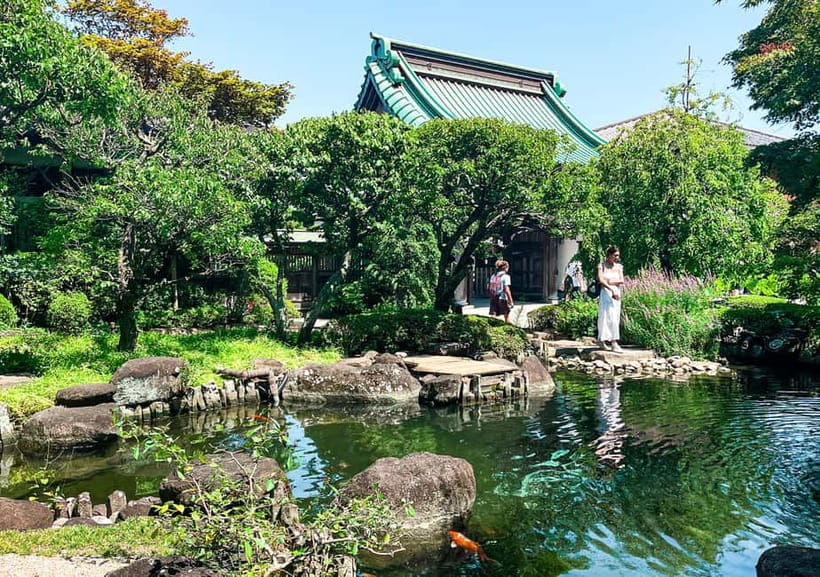
The strongest reason to choose this particular version of the Kamakura day trip is the language. You receive explanations in Spanish, which can make the temple legends, historical references, and cultural details much easier to follow.
The guide roster may vary by date. Guides named in the feedback include Camila, Nerea, Ori, Paula, Nikita, and Emi. Their praised qualities are quite consistent: friendliness, patience, useful recommendations, and the ability to explain Japanese history in an approachable way.
There was one language-related point of confusion. On one occasion, the guide initially described the tour as Spanish but also guided in English. If receiving the entire tour in Spanish is essential to you, confirm the language arrangement before departure. The listed language is Spanish, but the practical experience can depend on the assigned guide and group.
I also like that the guide offers suggestions for continuing your trip after Kamakura. Those tips are not a separate sightseeing stop, but they can be useful if you want ideas for later meals, neighborhoods, or cultural visits in Japan.
Price, Extra Costs, and Overall Value
The advertised price is $86 per person. It includes the Spanish-language Kamakura excursion and eight hours of guiding, but not transportation, temple tickets, food, or drinks.
The fixed extras are:
- ¥2,300 for transportation
- ¥700 for temple tickets
- Your own lunch and drinks
That makes the tour more expensive than the headline price suggests. Still, I would judge the value by what you want from the day. If you are comfortable planning Tokyo train connections and researching Kamakura yourself, an independent visit may cost less. You would then need to arrange the route, understand the tram, choose the temples, and find or translate the background information.
If you prefer a Spanish-speaking guide who handles the sequence and explains the places as you go, the additional cost can be reasonable. The strongest value is not transport. It is the combination of organization, cultural explanation, and personal recommendations over a long day.
The cancellation policy is flexible: you can cancel up to 24 hours ahead for a full refund. You can also reserve now and pay later, which helps if your Japan plans are still shifting.
Who Should Book This Kamakura Day Trip
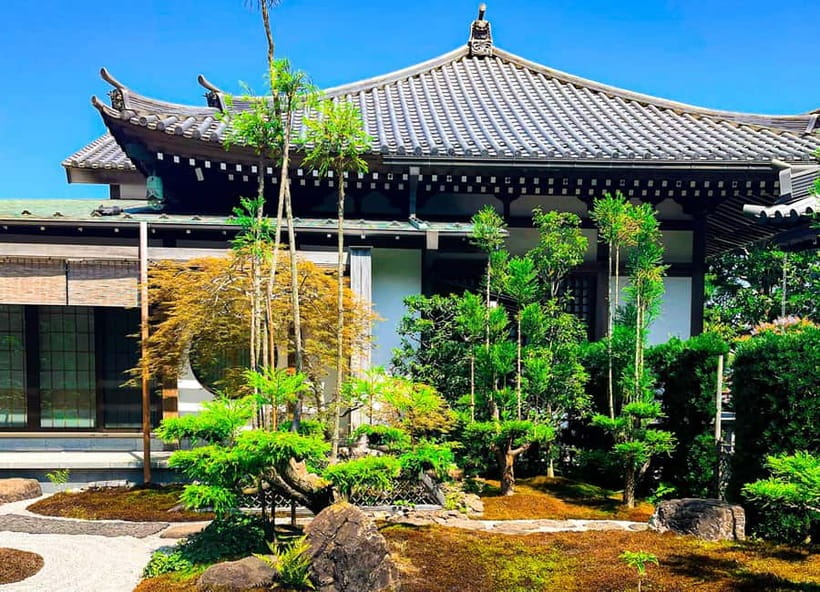
I would choose this excursion if you want to see Kamakura but do not want to build a full day around Japanese train research. It is a good fit for Spanish-speaking couples, families with older children, and anyone who prefers hearing temple stories in Spanish rather than reading brief signs.
It also suits you if you want a balanced day. You get religious sites, nature, a historic tram, a large bronze Buddha, lunch, and shopping instead of spending all eight hours at one complex.
I would hesitate if you have limited mobility, rely on accessibility features, dislike public transportation, or want a private vehicle. The tour is not suitable for wheelchair users, and large bags are prohibited. You should also think twice if you need a strictly Spanish-only experience without any possibility of English being used.
Final Verdict: A Strong Spanish-Language Day Out
I recommend this Kamakura trip if the Spanish guide is your priority and you want a structured day with real cultural context. Hase-dera’s legends, Kotoku-in’s huge bronze Buddha, and the local tram give the outing more character than a basic sightseeing transfer.
Before booking, add the ¥2,300 transport cost, ¥700 temple admission, and your meals to the $86 price. Confirm the meeting point at Marunouchi Square, arrive with a small bag, and wear comfortable shoes.
Choose it for the guiding, the stories, and the easy introduction to Kamakura. Skip it if you want a low-cost independent day or need step-free access.
FAQ
Where does the Kamakura tour begin?
It begins in front of Tokyo Station’s facade at Marunouchi Square, near the central exit.
Where does the tour end?
The activity ends back at the original meeting point near Tokyo Station.
How long does the excursion last?
The excursion lasts eight hours.
Is the tour conducted in Spanish?
Yes. Spanish is the listed language for the excursion. On at least one occasion, the guide also used English, so confirm the language arrangement if Spanish-only guiding is important to you.
Is transportation included in the price?
No. Public transportation is used, and transportation is listed at ¥2,300.
Are temple entrance tickets included?
No. Temple tickets cost ¥700.
Are food and drinks included?
No. You pay separately for lunch, food, and drinks during the free time on the main street.
Can I bring luggage or a large bag?
No. Luggage and large bags are not allowed.
Just added around Tokyo
- Tokyo: Onsen, Arts, and Nature Day Trip to Fuji and Hakone★ 5.0 · 66 reviews
- Tokyo: Nikko World Heritage Private Day Trip Hotel Pick-up★ 4.8 · 145 reviews
- Tokyo Private Day Trip With English Speaking Driver★ 4.9 · 34 reviews
- Tokyo: Mount Fuji and Hakone Private Sightseeing Day Tour★ 4.9 · 76 reviews
- From Tokyo:Mount Fuji&Hakone Customize Full Day Private Tour★ 4.8 · 27 reviews
- Tokyo → Nikko:Private Customizable Day Trip (English Driver)★ 4.9 · 26 reviews
- Tokyo: Mt. Fuji 5th St, Gotemba & Hakone by Luxury Bus★ 4.5 · 84 reviews
- Tokyo: A Half-Day Trip Bus Tour in the Morning★ 4.6 · 236 reviews
Tokyo Day Trips, compared.
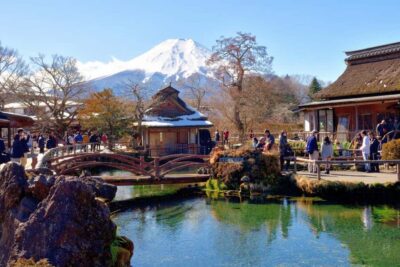
Tokyo: Mt. Fuji, Kamakura, Big Buddha, & Lake Ashi Day Trip
Read our review →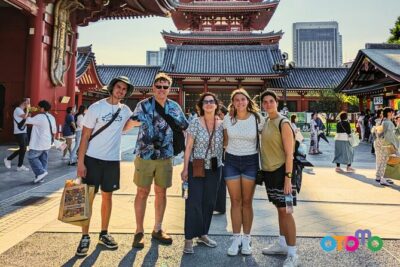
Tokyo Private Day Trip – Enjoy Your First-Time Visit to Tokyo!
Read our review →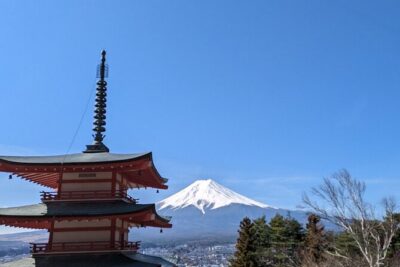
Mt. Fuji Day Trip from Tokyo with English Speaking Driver Guide
Read our review →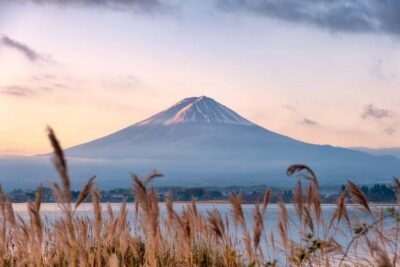
Tokyo: Mount Fuji and Hakone Private Sightseeing Day Trip
Read our review →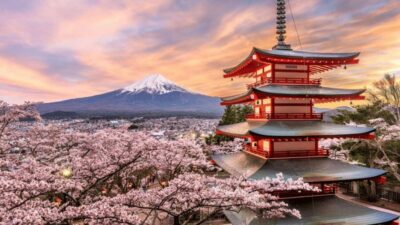
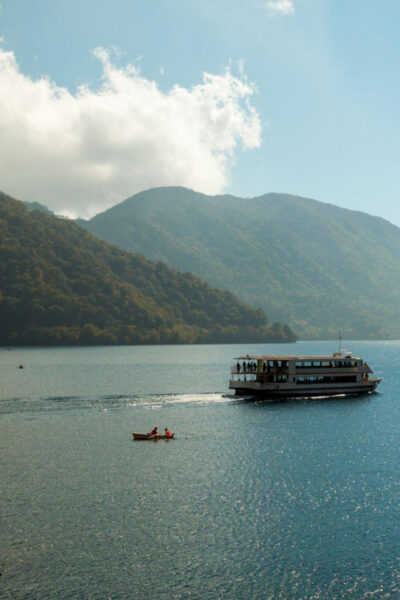
From Tokyo: Nikko World Heritage Site Private Full-Day Trip
Read our review →
Browse the lists this tour appears in