
Review · MUNICH
From Munich: Dachau Memorial Site Half-Day Trip
Dachau is not a sightseeing stop in the usual sense. It is a place of memory, loss, and hard lessons, and this half-day tour gives you a steady way into it. You travel from Munich by train and local bus, then spend about three hours at the memorial with an English-speaking guide.
I like the careful tone of the guiding and the fact that the tour covers both the original grounds and the modern museum. I also like that guides such as Nick, Patricia, Jake, and Iain leave room for questions and quiet reflection rather than turning the visit into a rushed lecture.
The main drawback is the pace. Three hours can feel short when you want to read every panel, and much of the tour is outside in an exposed setting. On a crowded day, the train and bus connections can also feel cramped.
Key points to know before you book
- The journey uses public transport: You go from the Radius Tours office by train to Dachau town, then by local bus to the memorial site.
- The visit is emotionally demanding: The subject matter includes imprisonment, abuse, forced labor, death, and the Holocaust. The presentation is serious and handled with care.
- Expect an outdoor tour: Wear weather-ready clothing and comfortable shoes. There is no food or drink for sale inside the memorial grounds.
- The guide adds real value: A trained guide helps you understand the site, its layout, and the historical setting without leaving you to piece everything together alone.
- The tour suits older children and adults: It is not suitable for children under 13, and parental discretion is advised for minors.
- You may want more free time: Some people find the three-hour visit enough, while others want another hour to read the exhibits alone.
Why Dachau requires a different kind of tour
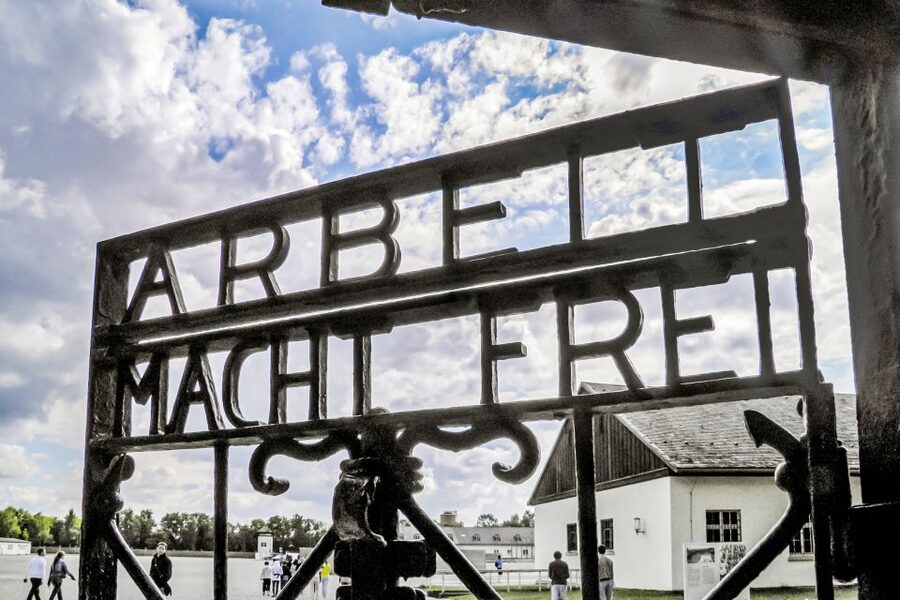
Dachau was the first regular concentration camp established by the Nazi regime, and it later became a model for the camp system. The memorial today is not designed as entertainment. It asks you to pay attention, move slowly, and think about how ordinary systems of administration were used to carry out extraordinary cruelty.
That is why a guide can matter here. The grounds contain original buildings, reconstructed elements, memorials, documents, and museum displays. Without some structure, you might see the main gate and barracks but miss how the camp operated and how its prisoners were treated.
The guides on this tour are trained and authorized by the memorial site. Their job is not to dramatize the past. It is to explain it clearly, place it in context, and give you room to absorb what you are seeing. The strongest guiding style, reflected in the work of people such as Nick, Jake, Patricia, Iain, Connie, and Emmet, mixes facts with survivor accounts and pauses for thought.
This is still a heavy visit. You should not book it simply because it is a famous place near Munich. Book it because you are prepared to give the subject your full attention.
A few more day trips around Germany worth a look
- From Munich: Neuschwanstein & Linderhof Castle Full-Day Trip
★ 4.6 · 14,646 reviews - From Munich: Neuschwanstein Castle Full-Day Trip
★ 4.7 · 3,977 reviews - Salzburg Sightseeing Day Trip from Munich by Rail
★ 4.5 · 3,125 reviews
From Radius Tours to Dachau by train and bus
The meeting point is the Radius Tours office in Munich. From there, the group travels by train for roughly 30 minutes to the town of Dachau, followed by a local bus to the memorial site.
This part of the outing is practical as well as useful. If you are not familiar with German public transport, your guide handles the route and keeps the group moving through the stations. That removes much of the worry about choosing the right train, finding the bus, and getting off at the correct stop.
The transport is not private. You are using regular public buses and trains, so conditions can vary. At busy times, the group may be packed into a carriage or bus, and keeping sight of your guide in a crowded station can take some attention. A guide holding a clearly visible sign or marker would be helpful, but you should still stay close and listen for meeting instructions.
The return trip follows the same general route and takes about 30 minutes by train, with the local bus connection from the memorial site. The full outing lasts about five hours, including transport.
Bring water and a snack before leaving Munich. Food and drinks cannot be purchased within the memorial grounds, and this is not the sort of place where you will want to leave the group looking for supplies.
Entering the Dachau Memorial Site
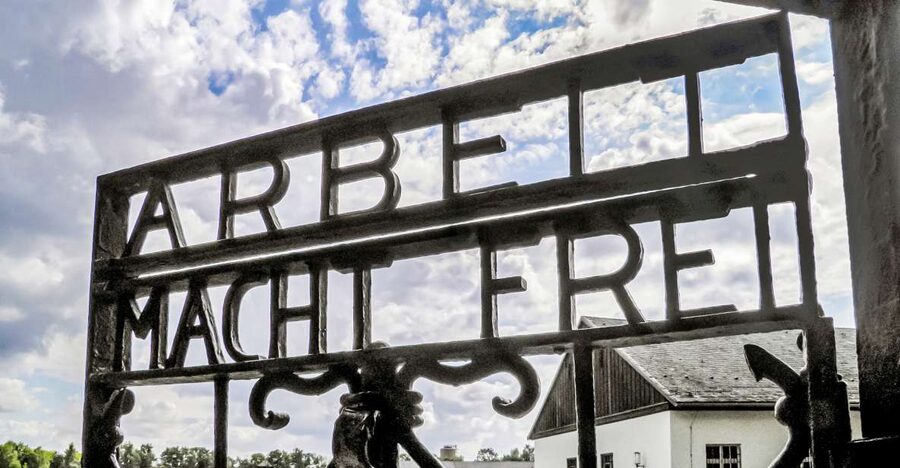
The memorial site is open and exposed, so weather affects the experience more than you might expect. Summer can mean strong sun, while winter can be bitterly cold. One December visit was described as freezing, and that is a useful warning: a coat, hat, and gloves may matter as much as your interest in history.
The walking is generally manageable and mostly flat. One detailed account estimated roughly 6,000 to 7,000 steps, so comfortable shoes are a sensible choice. The distance is not the main challenge. The emotional weight is.
Your guide will orient you to the site before taking you through its key areas. You can expect the original buildings that survive, the former prisoner area, the prison, the crematorium area, and the museum exhibition. The order and exact pacing may vary by guide and conditions, but the aim is to show how the camp was organized and how that organization controlled daily life.
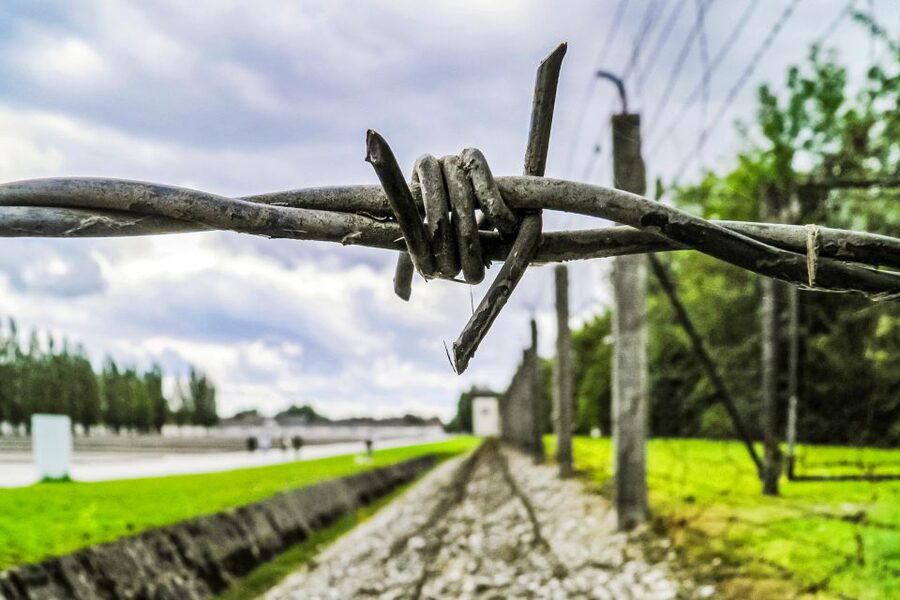
The setting can look deceptively quiet. Open ground, trees, and low buildings do not immediately communicate the terror that took place here. The guide helps connect the physical remains to the prisoners who lived under surveillance, hunger, illness, punishment, and constant fear.
Barracks, prison, and the camp layout
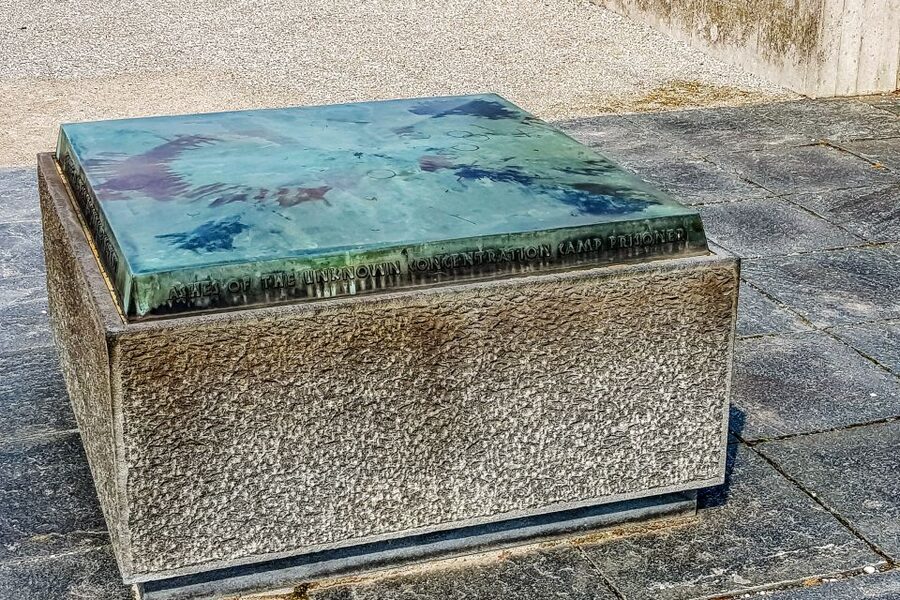
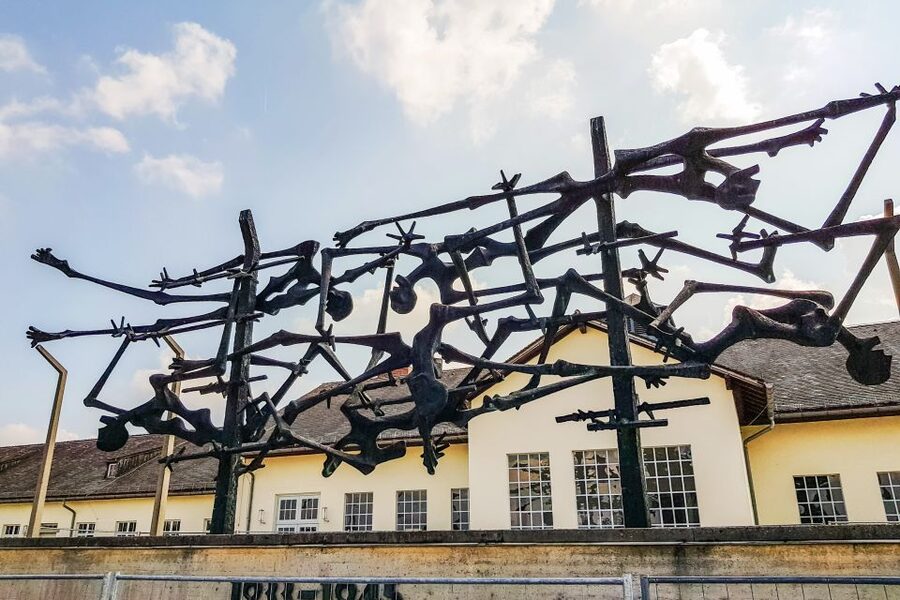
The surviving barracks are among the most important parts of the visit because they help you understand the crowded, controlled environment in which prisoners were held. You are not simply looking at old structures. You are seeing part of a system designed to strip people of privacy, freedom, identity, and dignity.
The prison area adds another layer. Here, the experience becomes more personal and enclosed. A good guide explains the rules and punishments without sensational detail, helping you see how terror operated through routine, paperwork, guards, and arbitrary power.
The tour also includes the crematorium area. This is one of the most difficult sections, and the guide’s manner matters greatly. The best approach is direct and restrained. You do not need theatrical language to understand what happened.
Guides named in the feedback, including Eric, Steve, Scott, and Achim, were praised for giving clear information without overloading the group or relying on graphic description. That balance is important. You will hear disturbing facts, but the presentation aims to respect the victims rather than use their suffering for shock.
At several points, your guide may allow silence or a little time to look around on your own. Do not expect a completely private visit, since you are part of a group. Still, good pacing gives you a chance to take in the place without a running commentary every second.
Same base, a completely different day out:
- From Munich: Rothenburg and Romantic Road Day Trip by Bus
★ 4.5 · 2,168 reviews - Neuschwanstein Castle and Linderhof Palace Day Trip from Munich
★ 4.5 · 1,756 reviews - From Frankfurt: Rhine Valley Day Trip
★ 4.4 · 1,317 reviews - From Munich: Neuschwanstein Castle Full-Day Trip by Van
★ 4.8 · 1,177 reviews
The museum and English-language documentary
The modern museum exhibition is where the visit gains much of its broader context. The grounds show you where things happened. The museum helps explain who was imprisoned, how the camp system developed, and how the machinery of persecution worked.
You will also watch an English-language documentary in the cinema. This gives you another way to understand daily life in the camp and the experiences of prisoners. Visual material can be difficult, so prepare yourself before the screening.
The museum contains a great deal to read. That creates one of the tour’s clearest trade-offs. With a guide, you get a structured route and a human explanation of the most important areas. On your own, you could spend much longer reading every display and following individual stories.
If you are the kind of person who wants to study each panel, three hours may not be enough. Several people wished for another 30 to 60 minutes at the end. Others appreciated having the guide select the essential material and leave a little free time for quiet reflection.
My advice is simple: listen closely during the guided sections, then use any free time for the part of the museum that speaks most strongly to you. Do not try to read everything. You cannot absorb every detail in one visit.
How the guides handle difficult material
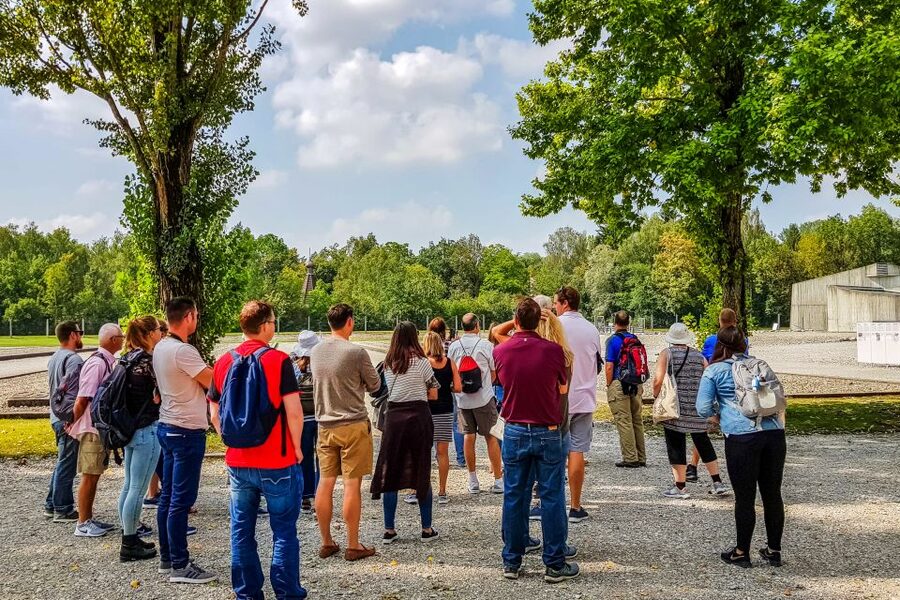
This tour rises or falls on the guide. The route is straightforward, but the subject demands judgment, empathy, and control.
The strongest guides use plain language. They explain the historical setting, describe the camp’s function, and answer questions without turning the visit into a performance. Nick was praised for giving background while allowing people to form their own conclusions. Patricia was noted for her pacing and respectful approach. Jake was valued for combining serious material with a little human warmth when the group needed it.
That last point is worth understanding. A small amount of appropriate lightness is not the same as making jokes about the subject. It can help a group remain attentive during a long and painful visit. The guide must know where the line is.
Personal connection can also add meaning. One guide shared family history connected with the site, while another had met survivors or children of survivors. These details can make the past feel less remote, but they should support the evidence rather than replace it.
You are encouraged to ask questions. Still, remember that this is a memorial, not a debate club. Ask with care, listen to the answer, and give other people room to process the visit in their own way.
Is $62 good value?
At $62 per person, this is not the cheapest way to reach Dachau. You are paying for a guided experience, not just transport. The train and bus themselves cost far less than the tour price, so the value depends on how much help you want with the route and interpretation.
For a first visit, I think the price can be justified. The guide keeps you on track, explains the site as you move through it, handles the public transport, and helps you understand details that would be easy to miss. You also avoid the uncertainty of arriving alone with no idea where to begin.
The calculation changes if you already know the history, are comfortable with German public transport, and want several hours to read at your own pace. In that case, an independent visit may offer more time and lower cost.
Think of the $62 as paying for orientation and human guidance. It is worthwhile for a short Munich visit, a first trip to Dachau, or anyone who wants a clear introduction without spending a full day planning the outing.
Free cancellation up to 24 hours before departure and the reserve-now, pay-later option make the booking less rigid. Starting times vary, so check the schedule against your Munich plans.
Who should take this half-day visit?
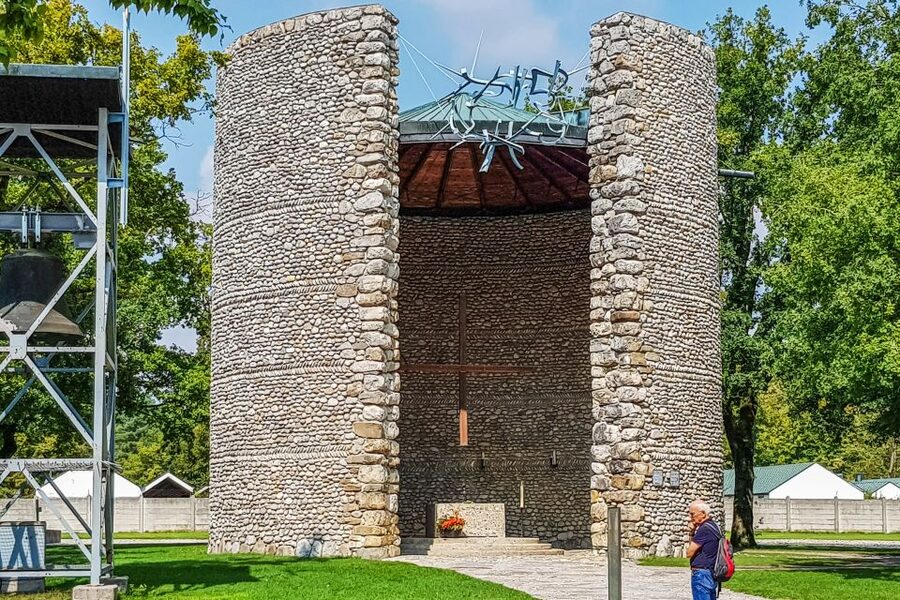
This tour fits adults and older teenagers who want historical context and prefer not to manage the transport alone. It also works well if you have only one morning or afternoon available in Munich.
It is not suitable for children under 13. Even with older children, think carefully about maturity and readiness. The museum, documentary, and guide’s explanations deal with imprisonment, death, and genocide.
You should also be comfortable walking outdoors for much of the visit. Bring water, food for before or after the memorial, and clothing suited to the forecast. There is no café stop within the grounds.
The tour may not suit you if you need a light day, dislike group travel, or want to read every exhibit without time pressure. It is a half-day introduction, not an exhaustive study visit.
My verdict: book it if you want context, not just a glimpse
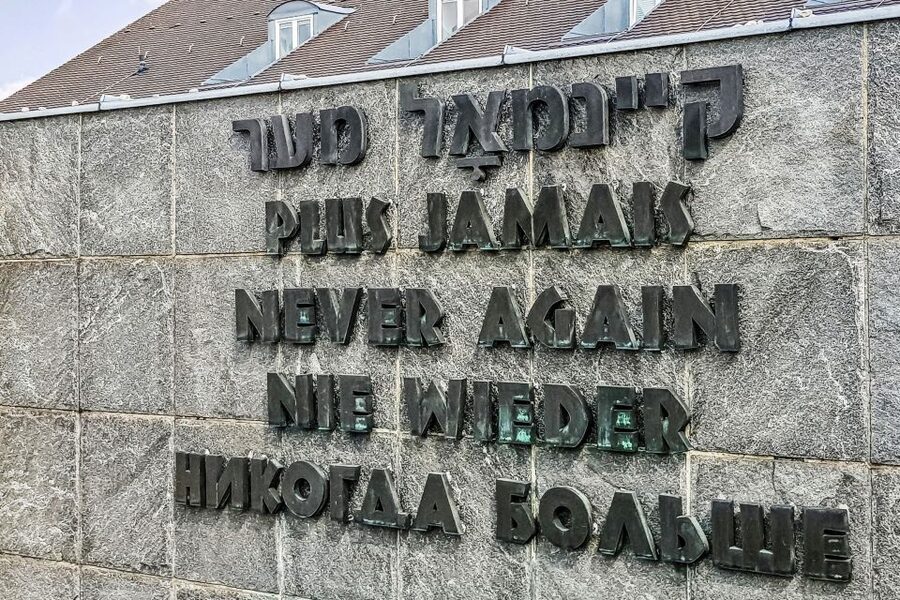
I recommend this Dachau tour for most first-time visitors from Munich, especially if you want a serious, well-guided introduction and do not want to handle the train and bus connections yourself.
Its best feature is the quality of the human explanation. Guides such as Nick, Patricia, Jake, Iain, and Achim have been praised for clarity, respect, pacing, and their ability to handle painful material without sensationalism. Its weak point is the limited time for independent reading, along with the exposed outdoor setting and occasional crowding on public transport.
Book it when you are ready for a difficult but important afternoon. If you want a slower research visit, go independently and allow much longer. If you want a balanced route through the key areas with an English-speaking guide, $62 is a reasonable price for the help you receive.
FAQ
How long does the Dachau Memorial Site tour take?
The full activity lasts about five hours. The journey from Munich to Dachau takes roughly 30 minutes by train, followed by a bus connection. The guided visit at the memorial site lasts about three hours, and the return train journey takes about 30 minutes.
How do you get to Dachau from Munich on this tour?
You meet at the Radius Tours office, then travel by train to the town of Dachau. From there, the group takes a local bus to the Dachau Memorial Site. The guide organizes and leads the public transport journey.
Is the tour conducted in English?
Yes. The tour includes a live English-speaking guide, and the documentary shown at the memorial site is also in English.
Can you buy food or drinks at the memorial site?
No. Food and drinks cannot be purchased within the memorial grounds. Bring refreshments with you, as well as weather-appropriate clothing for the outdoor sections.
Is the tour suitable for children?
The activity is not suitable for children under 13. The subject matter and some visual material may require parental discretion for older minors.
Is there time to explore the memorial on your own?
Some free time may be provided, depending on the guide and the day’s pacing. The main visit is guided, and three hours may not be enough to read every museum display. If you want to study the exhibits in detail, you may prefer an independent visit with more time.
Just added around Germany
- Day Trip to Rothenburg from Frankfurt★ 4.6 · 25 reviews
- From Munich: Nuremberg Day Trip by Train★ 4.4 · 357 reviews
- From Strasbourg: Black Forest and Baden Baden Day Trip★ 4.8 · 95 reviews
- From Prague: Bastei and Dresden Small-Group Day Trip★ 4.9 · 25 reviews
- From Hamburg, Brunsbüttel or Cuxhaven: Day Trip to Helgoland★ 4.6 · 290 reviews
- From Dresden: Bohemian & Saxon Switzerland Day Trip★ 4.8 · 64 reviews
- From Berlin: Sachsenhausen Concentration Camp Day Trip★ 4.7 · 52 reviews
- From Alken: Return Day Trip by Boat to Cochem★ 4.6 · 141 reviews
Munich Day Trips, compared.

From Munich: Neuschwanstein & Linderhof Castle Full-Day Trip
Read our review →
From Munich: Neuschwanstein Castle Full-Day Trip
Read our review →
Salzburg Sightseeing Day Trip from Munich by Rail
Read our review →
Neuschwanstein Castle and Linderhof Palace Day Trip from Munich
Read our review →

From Munich: Neuschwanstein Castle Full-Day Trip by Van
Read our review →
Berchtesgaden and Eagle’s Nest Day Trip from Munich
Read our review →
Browse the lists this tour appears in