
Review · DAY TRIPS
Busan: Gyeongju Guided Day Trip to Three Kingdoms Capital
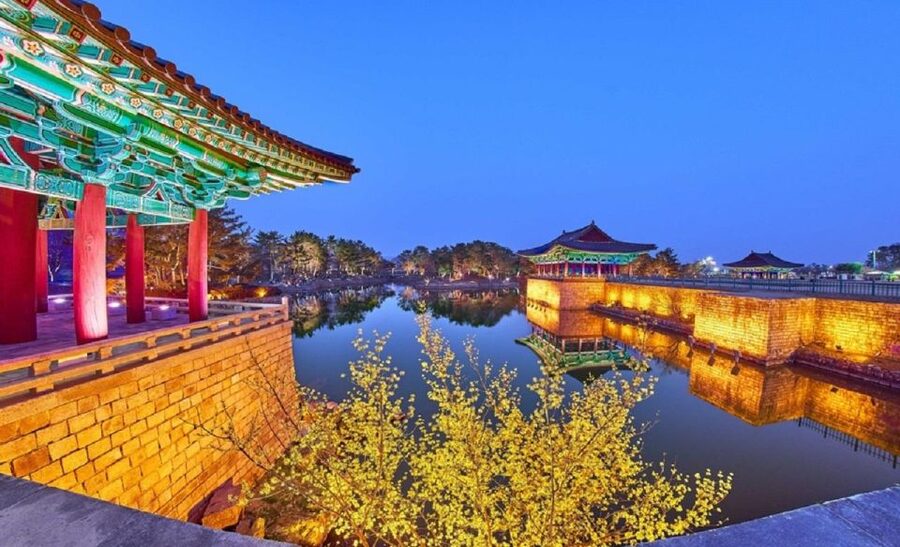
Gyeongju packs centuries of Korean history into one very long day. From Bulguksa Temple and royal burial mounds to the evening reflections at Donggung Palace and Wolji Pond, this trip gives you a useful first look at Korea’s ancient Silla capital without arranging several trains, buses, and entrance tickets yourself. I especially like the mix of major sights and quieter cultural stops, plus the way guides such as Kayla, Bada, and Katrina add stories, photo tips, and practical help.
I also like the three central Busan pickup points and the generous free time at many stops. The catch is simple: this is an 11 to 12-hour day with plenty of walking, stairs, hills, and a packed schedule. You must choose your package and pickup point carefully, since the exact stops vary and late arrival means missing the bus without a refund.
Key points at a glance
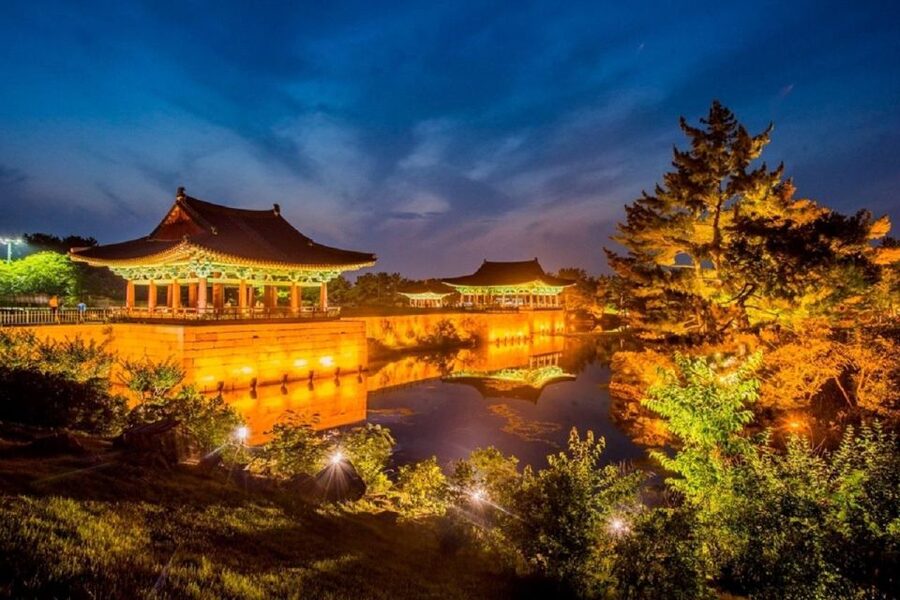
- Evening at Donggung Palace: The former palace site and Wolji Pond are especially appealing when lights shimmer across the water.
- Bulguksa and Silla culture: An 80-minute visit gives you time for a guided introduction and independent wandering.
- Three package choices: Select the Three Kingdoms, Seokguram Grotto, or UNESCO and APEC option for different special stops.
- Three easy Busan meeting points: Pickup is available at subway stations in Busan, Seomyeon, and Haeundae.
- English-speaking guides: Kayla, Bada, Katrina, Hyony, Yuna, and other guides are praised for clear explanations, humor, patience, and help with photographs.
- A full day for $52: The price is strong value if you want several distant Gyeongju sights in one organized outing, but food and personal expenses are extra.
Why Gyeongju makes sense as a day trip from Busan
Gyeongju is not simply another Korean city with a few old buildings. It was the center of the Silla Kingdom and later Unified Silla, and its historic sites are spread across a broad area. That makes independent sightseeing possible, but not especially simple during a short stay in Busan.
This trip handles the long connections by coach or van. You spend about 1.5 hours reaching the Gyeongju area, then move between major sites with shorter rides. At the end, the return journey takes about 80 minutes, followed by drop-off at one of three Busan subway locations.
The real value is time. For $52 per person, you receive transport, an English-speaking guide, and some admission, including Donggung Palace and Wolji Pond in all three packages. The UNESCO and APEC option also includes admission to Yangdong Folk Village. You still pay for lunch, drinks, and personal purchases, but arranging this same route independently could take more planning than the low price suggests.
I would choose this trip if you have limited time in Busan and want an overview of Gyeongju. I would not choose it if you prefer to linger for an hour at every temple, museum, or tomb. This is a broad introduction, not a slow archaeological study.
A few more day trips around the world worth a look
- From Brussels: Guided Day Trip to Bruges and Ghent
★ 4.6 · 8,353 reviews - From Madrid: Guided Day Trip to Toledo by Bus
★ 4.1 · 5,280 reviews - Montserrat, Girona & Costa Brava Guided Day Trip from Barcelona
★ 5.0 · 5,128 reviews
Choosing between the three Gyeongju packages
The experience is sold in three versions. Four main sights are shared across the options: Bulguksa Temple, the Daereungwon Tomb Complex, Hwangridan-gil, and Donggung Palace and Wolji Pond.
The special stops differ:
- Gyeongju Three Kingdoms Trip: Gyochon Traditional Village and Woljeonggyo Bridge.
- Gyeongju Seokguram Grotto Tour: Seokguram Grotto and Cheomseongdae Observatory.
- Gyeongju UNESCO Tour 2025 APEC: Yangdong Folk Village and Cheomseongdae Observatory.
The detailed day outline includes several of these places, but you should check the exact package before booking. Do not assume that selecting one title gives you every stop listed in the full description.
This choice matters. Pick the Three Kingdoms option if you want traditional streets, hanok homes, and the illuminated bridge. Pick the Seokguram version if Buddhist art and mountain scenery appeal most. Pick the UNESCO and APEC option if Yangdong’s preserved village setting is the priority.
Bulguksa Temple and the Buddhist heart of the day
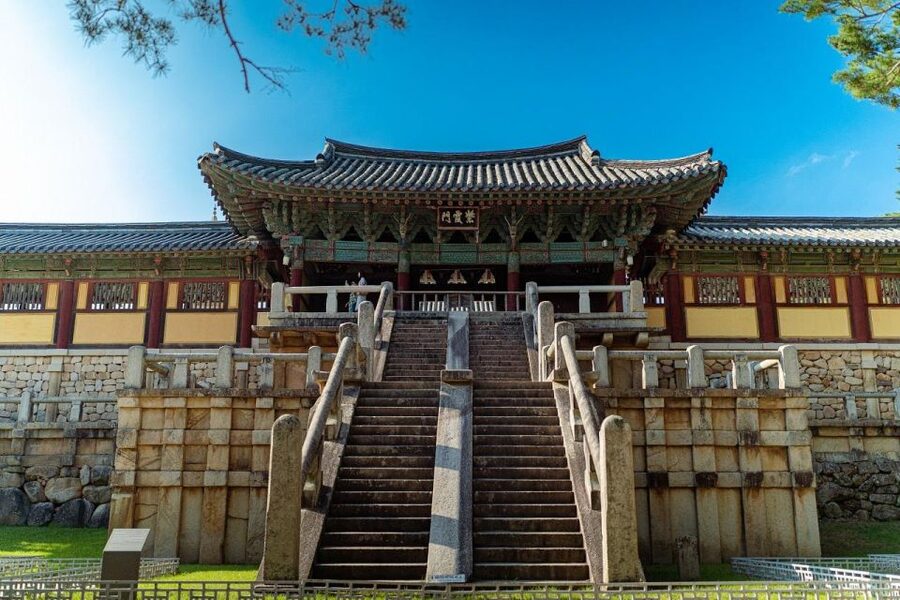
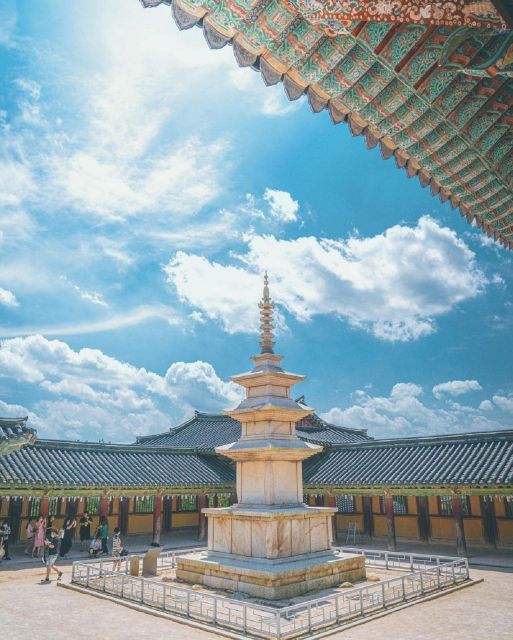
Bulguksa is one of the strongest stops on the route. The UNESCO-listed temple is known for its carefully balanced relationship with the surrounding hills and gardens, along with its stone terraces, pagodas, and Buddhist design.
You receive about 80 minutes here. That is enough for a guided walk, photographs, and some time alone. Your guide may explain the temple’s religious meaning, architectural details, and place in Silla culture. Bada, in particular, has been praised for making Buddhist subjects clear and engaging rather than turning the visit into a dry lecture.
I like the length of this stop. You are not rushed through in twenty minutes, yet the schedule keeps you moving. Wear shoes with good grip. The day includes stairs and uneven walking, and this is a place where you will want to look up, pause, and take photographs rather than hurry from one gate to the next.
People with mobility impairments should think carefully before booking. The activity is not suitable for wheelchair users, and the combination of hills, stairs, and repeated walks can be tiring.
Seokguram Grotto or Yangdong Folk Village
Your special package determines the character of this part of the day.
Seokguram Grotto is a UNESCO World Heritage site where Buddhist sculpture and spiritual space come together. The visit lasts about one hour and includes a guided tour and walking time. It is a good choice if you want a focused encounter with Silla religious art. The grotto is not a casual roadside photo stop, so listen closely to the guide’s explanation and allow time for the quiet atmosphere to register.
Yangdong Folk Village offers a different view of Korea. It is described as the country’s largest UNESCO-listed traditional village, with hanok homes and Confucian heritage linked to the Joseon period. The village helps balance the older Silla sites with a later chapter of Korean life. You will have about an hour for guided sightseeing, photographs, and independent walking.
Neither stop is automatically better. Seokguram suits visitors drawn to sculpture, faith, and ancient Buddhist culture. Yangdong suits anyone interested in traditional homes, village patterns, and Confucian society. Check the admission details, since Yangdong entry is included with the UNESCO and APEC package.
Same base, a completely different day out:
- Tuscany Day Trip from Florence: Siena, San Gimignano, Pisa and Lunch at a Winery
★ 5.0 · 21,634 reviews - From Amsterdam: Zaanse Schans, Volendam & Marken Day Trip
★ 4.4 · 18,501 reviews - From Munich: Neuschwanstein & Linderhof Castle Full-Day Trip
★ 4.6 · 14,646 reviews - Lisbon: Pena Palace, Sintra, Cabo da Roca, & Cascais Daytrip
★ 4.7 · 9,981 reviews
Gyochon Village and Woljeonggyo Bridge
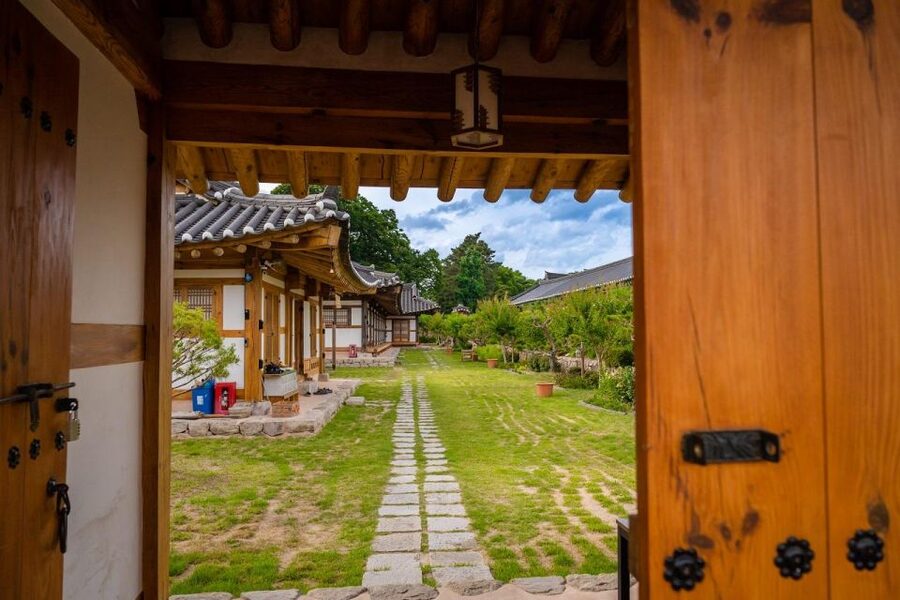
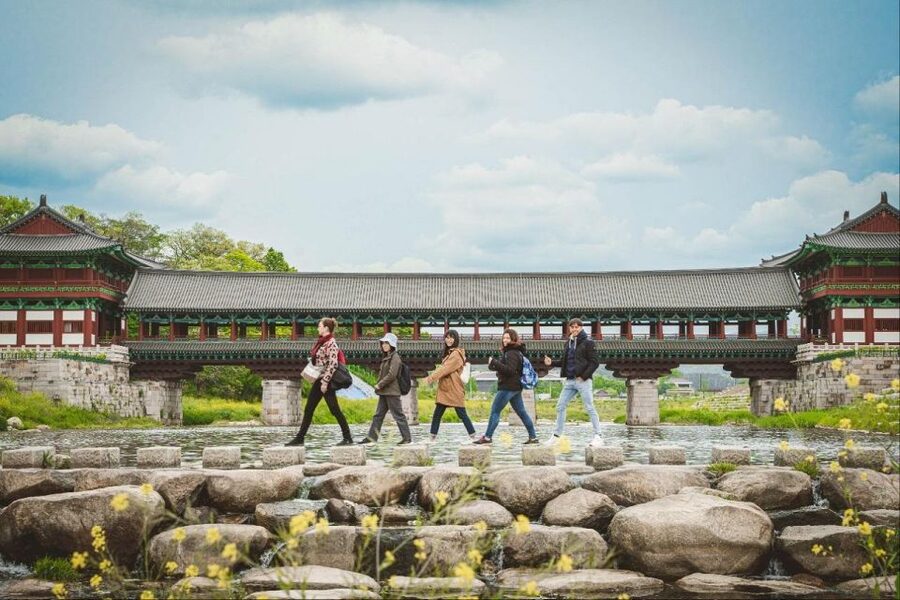
The Three Kingdoms package adds Gyochon Traditional Village and Woljeonggyo Bridge. Gyochon gives you a chance to leave the main tourist circuit for a while and walk among traditional hanok houses, Gyeongju Hyanggyo, and old-style streets.
The stop lasts about an hour. It is partly a photo opportunity, but it also offers a more human sense of Gyeongju than a royal tomb or temple can provide. You can walk, listen to the guide, and notice the details of the homes and public buildings.
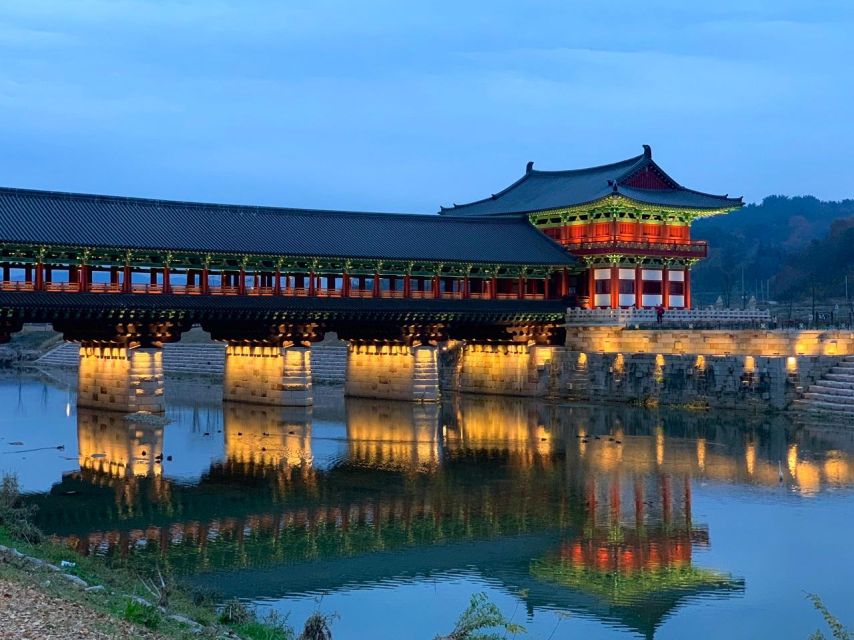
Woljeonggyo Bridge is saved for a shorter visit of about 30 minutes. Its strongest moment comes after dark, when the historic structure and its reflection create one of the prettiest views of the day. This is a good example of the route’s timing: the schedule is not only about collecting monuments in daylight. It tries to place this bridge and Donggung Palace at a more attractive hour.
The limitation is that 30 minutes goes quickly. Have your camera ready, follow the meeting instructions, and do not wander too far along the riverbank.
Cheomseongdae and the science of Silla
Cheomseongdae is presented as Korea’s oldest astronomical observatory. It gives the day a useful change of pace. After temples, tombs, and traditional homes, you are looking at ancient scientific design and the way astronomy mattered to an agricultural and royal society.
The planned visit takes about an hour, including explanation, free time, and photographs. This is one of the stops where a guide adds real value. The stone structure can be appreciated visually, but its purpose and construction are easier to understand with context.
The surrounding area is also tied to other historic sights, so the hour can feel full. You may find yourself choosing between listening to the guide, taking photographs, and simply enjoying the open space. That is a pleasant problem, but it reinforces the need for comfortable shoes and sensible expectations about how much you can see in one day.
Daereungwon Tomb Complex and the Silla royal past
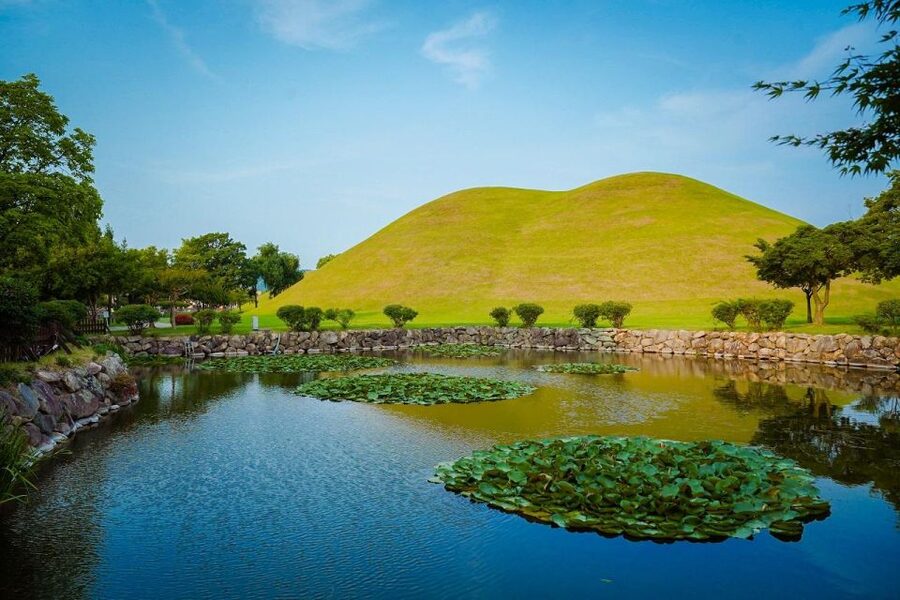
Daereungwon is a group of large royal and aristocratic burial mounds from the Silla Kingdom. The rounded grassy tombs look simple from outside, but their scale and careful placement make the complex memorable.
You spend about an hour here, with guided information and time to explore. The guide explains how the tombs were built and what they reveal about Silla society. The stop is not just a walk through a park. It helps you see the difference between a living temple complex and a royal burial site designed to preserve status after death.
The walking is generally straightforward compared with some temple areas, but the full day adds up. If you have already walked through Bulguksa, Gyochon, Cheomseongdae, and Hwangridan-gil, your legs will notice this stop. Still, I would not want it removed. The tombs are one of the clearest visual reminders that Gyeongju was once a royal capital.
Hwangridan-gil for a modern break
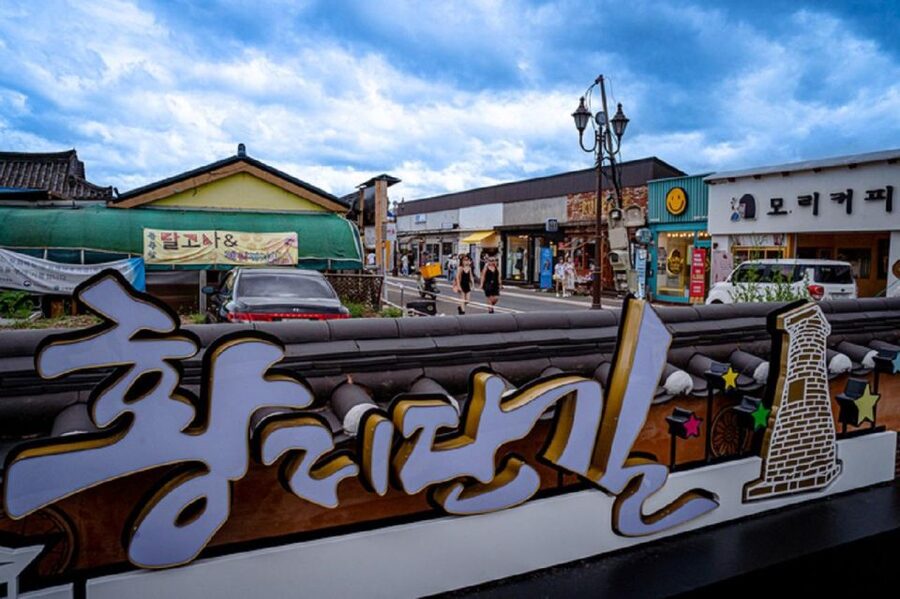
Hwangridan-gil provides 30 minutes of free time for shopping, browsing, and a self-guided look at a nostalgic street lined with preserved 1960s architecture. It is shorter and less formal than the heritage sites, which is useful late in the day.
You can use this pause to look at small shops, take photographs, or grab something if timing allows. Food and drinks are not included, so this is one of the places where you may want to budget for your own purchase.
Half an hour is enough for a taste, not a full exploration. If you enjoy shops and cafés, you may wish the stop were longer. The short visit does, however, prevent the route from becoming one uninterrupted series of temples and tombs.
Donggung Palace and Wolji Pond after dark
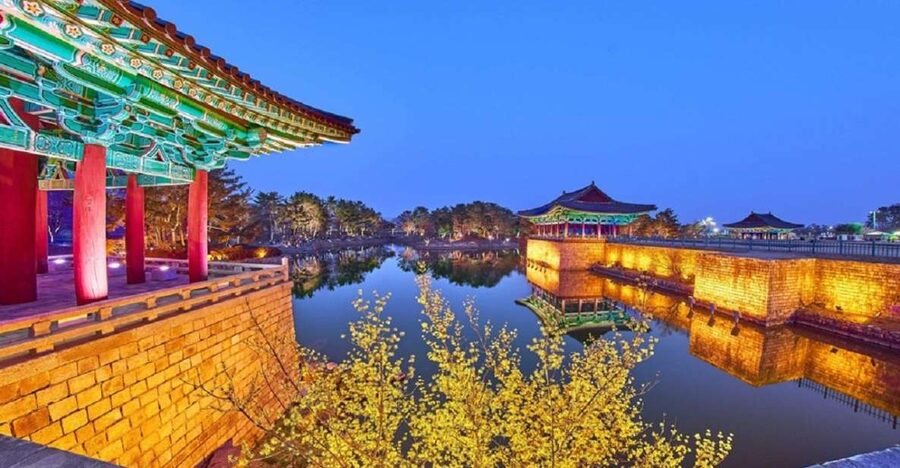
For many people, Donggung Palace and Wolji Pond will be the visual high point. This former palace complex is associated with Unified Silla, and the reconstructed buildings and water create a strong evening scene.
The visit lasts about an hour. You receive a guided introduction, then time to walk around the pond and take photographs. The changing light is part of the appeal. Reflections on the water give the site a calm, polished look that feels different from the daylight stops.
Admission is included in all three packages, which makes this an especially good inclusion. The stop also comes near the end, when the day’s temples, villages, tombs, and observatory have given you enough context to understand why the palace mattered.
Keep your meeting time in mind. It is easy to linger by the water, especially at sunset and after the lights come on. The group cannot wait for late arrivals, and the return to Busan still takes about 80 minutes.
What the guides add to a long day
The English-speaking guides are a major part of the experience. Kayla Kim is repeatedly described as energetic, funny, attentive, and generous with photography help. Bada is praised for clear explanations of history and Buddhist subjects, careful pacing, and patience with questions. Katrina is noted for keeping a large group organized while making the information entertaining.
Other named guides include Hyony, Yuna, Allan, Ethan, Jieun, and Jiseulhee. The exact guide depends on the departure, but the common pattern is clear: expect lively storytelling, frequent reminders about meeting points, and help finding good photo positions.
I appreciate that the format leaves time for you to wander after the introduction. You are not required to remain beside the guide for every minute. The best approach is to listen at the start, ask questions while the group is together, then use the free time for your own photographs and quiet observation.
Busan pickup, timing, and what to bring
Pickup is available at three subway stations:
- Busan Subway Station Exit 2
- Seomyeon Subway Station Exit 12
- Haeundae Subway Station Exit 7
The stated Haeundae meeting window is 9:50 to 10:00 in the morning. Arrive ten minutes early at your selected point. These are subway station exits, not KTX station or shopping mall exits.
Look for the guide holding a white flag with a green LECIRT logo. Select your pickup point before the trip. Missing the bus because you failed to choose a point, arrived late, or went to the wrong exit does not qualify for a refund.
Bring comfortable walking shoes, weather protection, and enough money for lunch, drinks, and personal purchases. The tour runs rain or shine. The schedule includes a local restaurant break of about one hour, but food is not included.
The coach or van is an important part of the value. You avoid changing transport between sites, and the return journey is direct to one of the three Busan drop-off points. Still, sitting in a vehicle for long stretches and then walking for much of the day may not suit everyone.
Is $52 good value for Gyeongju?
Yes, if your priority is coverage. At $52, the trip includes transport from Busan, an English-speaking guide, several guided visits, and admission to Donggung Palace and Wolji Pond. The UNESCO and APEC version includes Yangdong admission as well.
You are paying for convenience as much as for sightseeing. Gyeongju’s attractions are spread out, and reaching them independently requires careful timing. A private tour would cost far more, while public transport could limit how many places you reach in one day.
The tradeoff is personal pace. You will not have the freedom to abandon a stop, stay for a long lunch, or return to a favorite site. Food, drinks, insurance, and personal expenses are also extra. For most short Busan visits, the balance is favorable.
Free cancellation is available up to 24 hours before departure, and you can reserve now and pay later. That adds flexibility, but it does not protect late arrivals or no-shows.
Who should book this day trip?
I would recommend it to first-time visitors based in Busan, history fans, photographers, and anyone who wants a guided introduction to Gyeongju. It also suits solo visitors who prefer not to manage regional transport alone.
Families and active adults may enjoy the variety, but the day is long. Anyone who needs step-free access, uses a wheelchair, or dislikes hills and stairs should choose another way to see Gyeongju.
Choose your package based on your strongest interest. Go for Gyochon and Woljeonggyo if evening architecture appeals to you. Select Seokguram if Buddhist art matters most. Choose Yangdong and Cheomseongdae for UNESCO heritage and traditional village life.
FAQ
How long is the Gyeongju day trip from Busan?
The activity lasts about 11 to 12 hours, including transport between Busan and Gyeongju and visits to the scheduled sites.
Where can I meet the tour in Busan?
You can meet at Busan Subway Station Exit 2, Seomyeon Subway Station Exit 12, or Haeundae Subway Station Exit 7. You must select your pickup point before the trip.
Is hotel pickup included?
No. Pickup and drop-off are provided at one of the three designated subway stations, not at hotels.
Is lunch included in the price?
No. The schedule includes about one hour at a local restaurant, but food and drinks are not included.
Which languages are available for the guided tour?
The tour is conducted in English with a live guide.
Is the tour suitable for wheelchair users?
No. The activity is not suitable for wheelchair users or people with mobility impairments because it includes walking, stairs, and hills.
Should you book it?
Book this tour if you want to see the main Gyeongju sights in one organized day and value lively explanations over a slow, private pace. The combination of Bulguksa, Daereungwon, Hwangridan-gil, Donggung Palace, and your package’s special stops gives you a broad and memorable introduction to Silla-era Korea.
Skip it if you want a quiet, unhurried visit or cannot manage a full day of walking. For most visitors with limited time in Busan, though, $52 is a sensible way to reach Gyeongju, understand what you are seeing, and finish with palace lights reflected on Wolji Pond.
Just added around the world
- Private Delphi Daytrip from Athens★ 5.0 · 28 reviews
- Private Full-Day Trip to Meteora by Train From Athens – Local Agency★ 5.0 · 28 reviews
- Private Tour: Delphi Day Trip from Athens Including wonderful local Lunch★ 5.0 · 20 reviews
- Meteora Day Trip with central Pick up & optional Lunch★ 5.0 · 590 reviews
- Mycenae and Nafplion Day Trip from Athens with Official guide★ 4.5 · 501 reviews
- Full-day or Half-Day Trip from Athens to Cape Sounion★ 5.0 · 37 reviews
- Athens: Ancient Corinth & Nafplio Full Day Trip with Swim★ 5.0 · 33 reviews
- Aegina island small group day trip: Greek island experience★ 5.0 · 23 reviews