
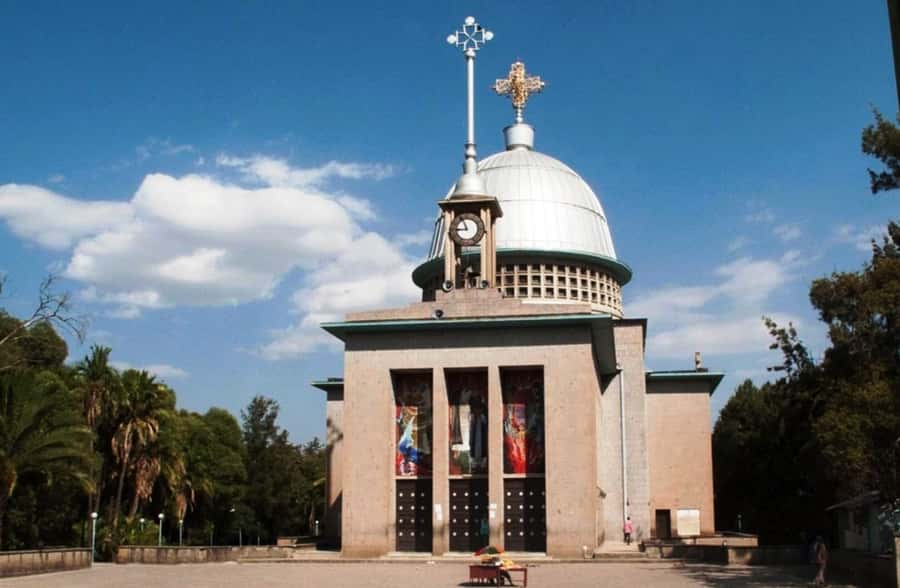
Review · DAY TRIPS
Day trip Debre Libanos, Bule nile George &Portugal Bridge
The Portuguese Bridge and Blue Nile Gorge are the day’s big visual reward. From the old stone bridge, you look across a dramatic gorge, watch for Gelada baboons, and see a side of Ethiopia far removed from Addis Ababa’s traffic and new construction. The road there is long and rough, but the countryside keeps giving you something to look at.
I like two things especially: the chance to visit Debre Libanos, one of Ethiopia’s most important Orthodox Christian sites, and the way this trip joins religion, rural life, wildlife, and mountain scenery in one outing. Guides such as Kena and Kane have been praised for handling the day with care and explaining local customs clearly.
The main drawback is simple: this is a tiring nine-hour day, with about two and a half hours on the road each way according to one detailed account. Heavy trucks and bumpy sections can make the drive uncomfortable, so you should choose this trip for the experience, not for a relaxed ride.
Key points to know before booking

- A long but rewarding escape from Addis Ababa: Leave the city behind and pass forests, farms, livestock, villages, and highland valleys.
- A major Ethiopian Orthodox site: See Debre Libanos Church, the museum, Saint Tekle Haimanot’s cave, holy water, and the martyrs’ memorial.
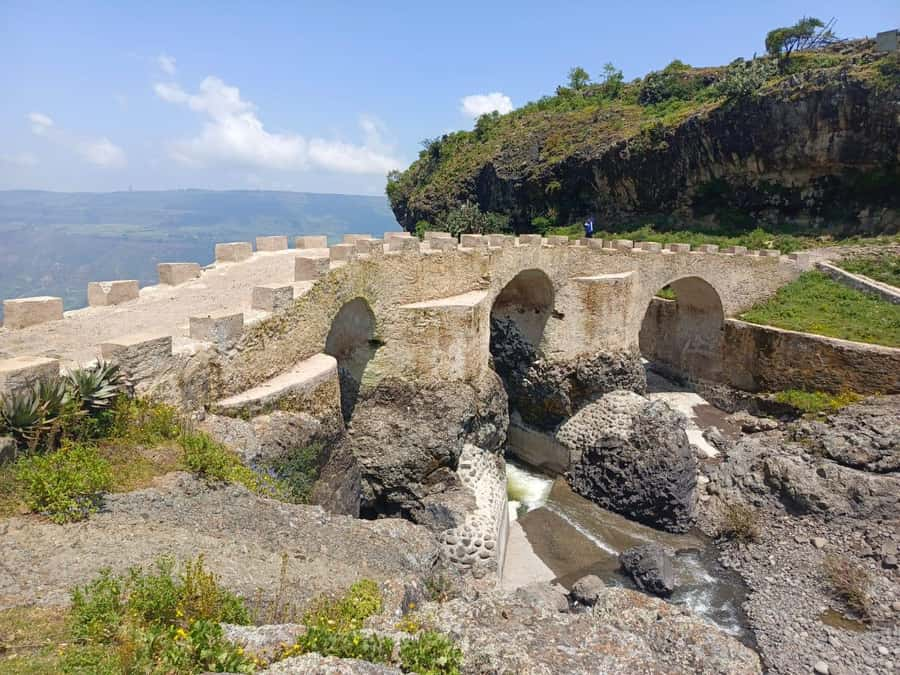
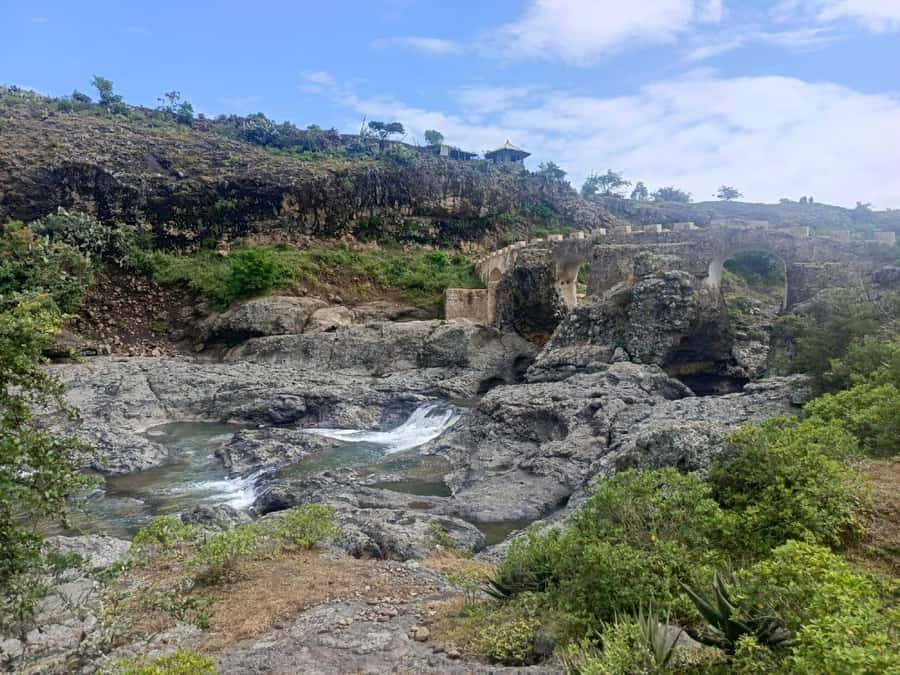
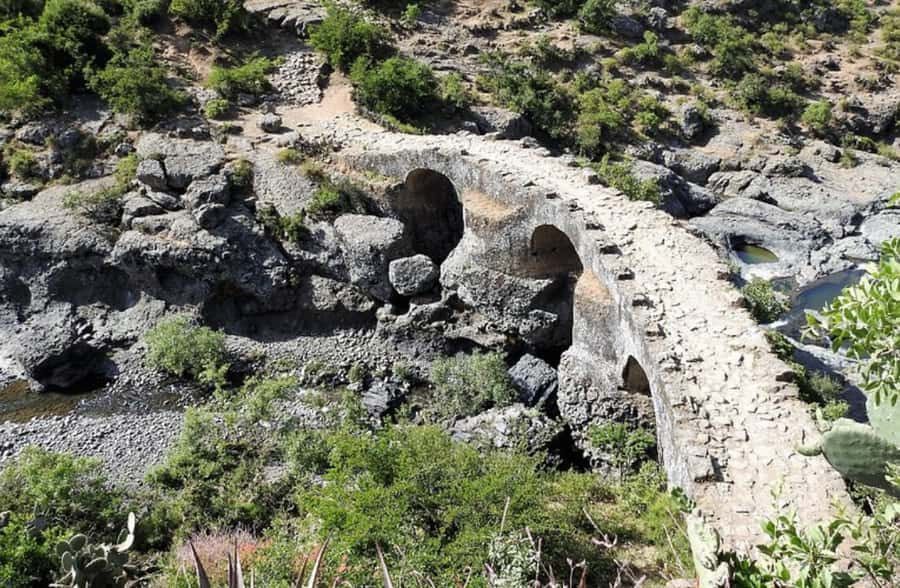
- A 16th-century bridge with a dramatic setting: The Portuguese Bridge gives you one of the clearest views into the Blue Nile Gorge.
- Real wildlife potential: Gelada baboons and native birds may appear near the gorge, with a guide helping you spot them.
- A private tour with useful inclusions: Transport, entrance fees, an Addis-based escort guide, a monastery guide, water, and Ethiopian coffee are included.
- Come prepared for a full day: Bring sturdy shoes, comfortable clothes, a head scarf for the monastery, and lunch money.
Why this day trip matters beyond the view

This is not just a church visit followed by a photo stop. The route gives you a compact introduction to northern Ethiopian highland life. You leave Addis Ababa through the Entoto Mountains, then pass wooded slopes, open farmland, donkeys, cattle, roadside markets, and people working the soil.
That change of setting is one of the best reasons to book. Addis can feel like a city racing toward the future. Outside it, the pace and daily routine are different. You see more of the country’s rural life, including the practical work of farming and livestock care. For me, that context adds weight to the historic stops. The monastery is not an isolated museum piece. It remains part of living religious culture.
The price is $90 per person, which is fair if you value a private vehicle, a full-day guide, entrance fees, local interpretation at the monastery, and pickup from a hotel or Addis Ababa Bole International Airport. Lunch is not included, and the price does not cover personal spending, drinks beyond the supplied water and coffee, tips, or souvenirs.
The value depends on your priorities. If you want the cheapest possible way to reach the gorge, you may find the price high. If you want a planned day with transport from Addis, an English-speaking guide, and several connected sights, the cost is easier to justify.
A few more day trips around the world worth a look
- Tuscany Day Trip from Florence: Siena, San Gimignano, Pisa and Lunch at a Winery
★ 5.0 · 21,634 reviews - From Amsterdam: Zaanse Schans, Volendam & Marken Day Trip
★ 4.4 · 18,501 reviews - From Munich: Neuschwanstein & Linderhof Castle Full-Day Trip
★ 4.6 · 14,646 reviews
The road north from Addis Ababa
Pickup is scheduled for 7:30 AM, with collection from your hotel in the city or from Bole International Airport. If you are coming from the airport, the driver uses a banner with your name so you can find the meeting point after leaving the terminal. Be ready at least 15 minutes early.
The route takes you north through the Entoto Mountains. The drive is listed at roughly 110 kilometers and about two hours to Debre Libanos, though the full road time can stretch longer depending on traffic and road conditions. One detailed account puts the total journey at about five hours on the road, with a rough surface and many trucks.
That is the part you need to understand before booking. The distance may look modest on a map, but this is not a fast highway outing. You may spend long stretches seated in the vehicle, and the ride can be bumpy. On the other hand, the scenery changes steadily. Dense trees, highland views, valleys, roadside communities, and working farmland make the drive part of the cultural experience.
I would bring water, keep breakfast practical, and avoid assuming you will have a long restaurant stop. Lunch is excluded, so ask the guide early about the day’s food plan or carry something suitable. The tour includes bottled water and Ethiopian coffee, but not a meal.
Debre Libanos Monastery and its living faith
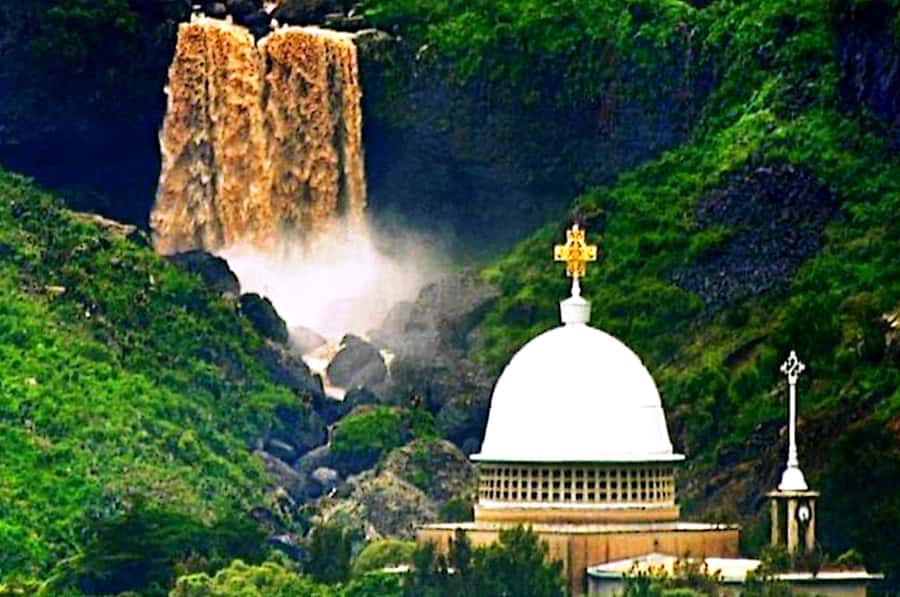
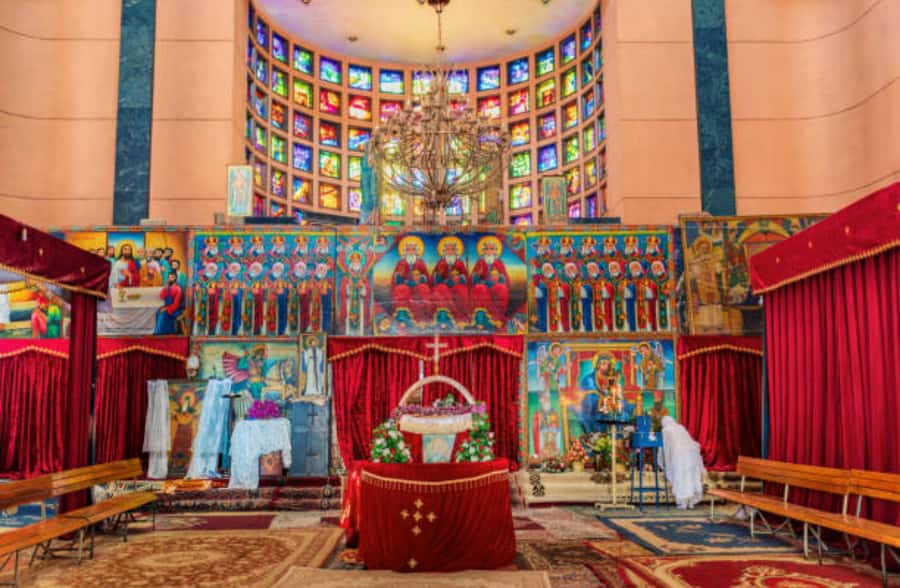
Debre Libanos was established in 1284 by Saint Tekle Haymanot, a major figure in Ethiopian Orthodox Tewahedo Christianity. It is one of the country’s most respected religious sites, and the visit gives you a direct look at how important faith remains in Ethiopian public and private life.
You spend about an hour and a half here, including a guided visit, walking, photographs, and time in the church and museum. A local monastery guide joins the main escort guide, which matters because the site has its own customs and religious details. The Addis-based guide can help with the wider cultural picture, while the local guide can explain the church and sacred places in their proper setting.
Inside the monastery area, expect decorated religious spaces and a museum containing artifacts linked to Ethiopian Orthodox tradition. The collection includes crowns, musical instruments, and objects connected to the Italian occupation. These items help tie religious life to the country’s wider political past.
The visit also includes Saint Tekle Haimanot’s cave. It is a sacred place connected with the monastery’s founder, and you can see the holy spring believed to have healing powers. This is a spiritual site, not a theatrical attraction, so dress and behave respectfully.
Women should bring a scarf to cover their heads when entering the monastery. Comfortable, modest clothing is a sensible choice for everyone. You should also expect some walking, and a change of clothes can be useful after a long day on dusty or uneven roads.
Remembering the 1937 massacre
Near the church is a memorial to priests and worshippers killed by Italian forces in 1937. The stop adds a painful but important layer to the visit. It shows that Debre Libanos is connected not only with centuries of religious tradition, but also with Ethiopia’s modern struggle and the violence of the Italian occupation.
Your guide can help place the memorial in context. Give this part of the visit the attention it deserves. It is easy to rush toward the next scenic stop, but the memorial is one of the places where the day moves beyond sightseeing.
Same base, a completely different day out:
- Lisbon: Pena Palace, Sintra, Cabo da Roca, & Cascais Daytrip
★ 4.7 · 9,981 reviews - Florence: Pisa, Siena and San Gimignano Day Trip with Lunch
★ 4.6 · 9,771 reviews - From Marrakech: Day Trip to Ouarzazate and Ait Benhaddou
★ 4.7 · 9,447 reviews - Cinque Terre Day Trip with Optional Hiking or Pisa
★ 5.0 · 8,486 reviews
The Portuguese Bridge above the Blue Nile Gorge
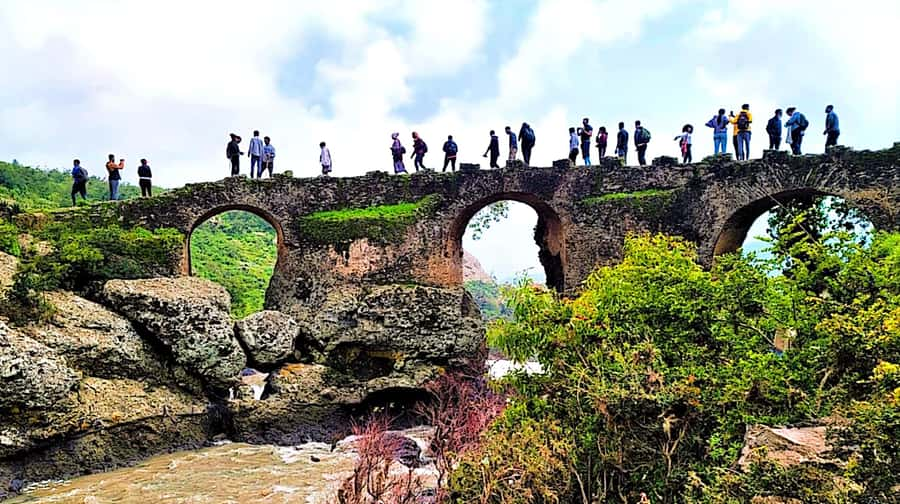
After Debre Libanos, the tour continues toward the 16th-century Portuguese Bridge. The bridge sits above the Blue Nile Gorge, where the terrain opens into broad views and steep-sided valleys. This is the point when the long road begins to feel worthwhile.
The name raises a natural question: why is there a Portuguese bridge in this part of Ethiopia? The outing provides the setting to consider Ethiopia’s long connections with outside powers, trade routes, military campaigns, and European visitors. The bridge itself is the focus, but the surrounding gorge is what gives the stop its force.
You have about an hour here for a guided visit, photos, walking, free time, sightseeing, and possible souvenir shopping. The route to the bridge also provides scenic views, so keep your camera ready before you arrive.
The gorge is more than a single lookout. Depending on conditions, you may see a large waterfall, rocky slopes, distant valleys, and the Blue Nile cutting through the region. The supplied information uses both Blue Nile Gorge and Bule Nile Gorge, but the intended setting is the dramatic gorge near Debre Libanos.
This stop is best for people who enjoy broad mountain views rather than a tightly scheduled list of attractions. You get time to look, walk, and take photographs. The tradeoff is that the terrain may not suit everyone, especially after the long ride. Good shoes matter.
Gelada baboons and highland birds
The gorge area is also the day’s best chance for wildlife. Gelada baboons are Ethiopian endemics, and groups may be visible around the rocky highland terrain. They are one of the most distinctive animals you can see near Addis Ababa, and a guide can help locate them.
Do not treat the wildlife viewing as guaranteed. Animals move, and sightings depend on timing and conditions. Still, the chance to see Geladas gives this outing more variety than a standard cultural excursion. You are not simply looking at a gorge, then returning to the vehicle. You may also watch birds and scan the slopes for movement.
Bring binoculars if you have them, though they are not listed as supplied equipment. Keep a sensible distance from animals and follow the guide’s instructions. The goal is to observe, not chase a better photograph.
A stop at the Jamma River
The itinerary also includes about an hour at the Jamma River, with a photo stop, a guided visit, free time, walking, hiking, wildlife viewing, and scenic surroundings. This is a useful middle section of the day because it gives you time outside the vehicle after the long road journey.
The information provided does not specify one single landmark at the river, so you should think of this as a nature and walking stop rather than a formal monument visit. The appeal is the chance to stretch your legs, see more of the highland setting, and look for birds or other wildlife.
Bring shoes that can handle walking. The tour is described as wheelchair accessible, but the combination of walking and hiking means you should discuss your specific mobility needs before booking. The activity is also listed as unsuitable for pregnant women.
The ride back and Mount Entoto
The return to Addis Ababa is expected in the late afternoon, around 5:00 PM. Before reaching the city, the tour pauses at Mount Entoto for a panoramic view over Addis Ababa.
This final viewpoint works well after a day outside the capital. From above, you can see the city in a wider setting and better understand how quickly it changes from highland forest and rural valleys into a major urban center. It also gives you a final photo opportunity before hotel or airport drop-off.
Drop-off is available at the same two main points: your hotel at Metas Hotel and Spa or Addis Ababa Bole International Airport. If you are using the airport, confirm your flight timing carefully. The tour is planned to return in the late afternoon, but road traffic and the long route mean you should not schedule a tight departure immediately afterward.
What the private format changes
This is a private group experience, so you are not placed into a large coach with strangers. That gives you more room to ask questions, take photographs, and adjust the pace within the limits of the day’s route.
The English-speaking guide is important here. Guides named Kena and Kane have been associated with this experience, and direct, clear guidance matters at the monastery, where customs and dress rules are part of the visit. The driver also has a major role because so much of the day takes place on the road.
Private does not mean leisurely. The route still covers several hours of driving and several stops. It means the day is more personal and easier to manage, not that the distances disappear.
What to bring and what to expect
Pack light, but bring the basics:
- Comfortable walking shoes
- Comfortable clothes suitable for a religious site
- A scarf for women entering the monastery
- A change of clothes
- Water for personal use, even though bottled water is included
- Money for lunch, tips, souvenirs, and personal purchases
Alcohol and drugs are not allowed. Tips are not included, and personal expenses are your responsibility.
The tour includes hotel pickup and drop-off, ground transport, entrance fees, the Addis escort guide, the local monastery guide, Ethiopian coffee, and bottled water. It does not include lunch or alcoholic drinks.
Cancellation is flexible up to 24 hours before departure for a full refund, and you can reserve now and pay later. Those policies are useful if your Addis Ababa schedule is still moving around.
Who should book this day trip?
You should book it if you want a full day that combines Ethiopian Orthodox culture, a historic bridge, rural scenery, mountain views, and a chance to see Gelada baboons. It is especially useful if you have limited time in Addis Ababa but want to experience more than the city itself.
It suits people who accept long drives as part of the trip. You need patience with traffic, trucks, rough sections, and a schedule that begins early and ends late. Comfortable shoes and a willingness to walk will improve the day.
I would hesitate to recommend it to anyone who needs a smooth, short outing, dislikes uneven roads, or has a very tight airport connection. The activity is also not suitable for pregnant women, according to the tour information.
Should you book the Debre Libanos day trip?
For $90 per person, this is a strong choice if you want cultural depth and outdoor scenery in one private day from Addis Ababa. The monastery, memorial, Portuguese Bridge, Blue Nile Gorge, Jamma River, Geladas, and Entoto viewpoint give you a varied program rather than one isolated sight.
Book it with realistic expectations. The road is long and can be rough, lunch is not included, and the wildlife sightings are possible rather than promised. If you can handle those limits, the combination of sacred places, rural life, historic architecture, and highland views makes this one of the more worthwhile day trips from the capital.
FAQ
How long does the Debre Libanos and Portuguese Bridge tour last?
The tour lasts about nine hours. Pickup is recommended at 7:30 AM, with return to Addis Ababa expected in the late afternoon, around 5:00 PM.
Where can I be picked up?
Pickup is available from Addis Ababa Bole International Airport or from your hotel in the city. Metas Hotel and Spa is listed as one pickup and drop-off location.
Is lunch included?
No. Lunch is not included, so bring money for food or ask about the day’s meal arrangements before departure.
Is the tour conducted in English?
Yes. The activity includes a live English-speaking guide, an escort guide from Addis Ababa, and a local guide at the monastery.
What should women wear at Debre Libanos Monastery?
Women should bring a scarf to cover their heads when entering the monastery. Comfortable and respectful clothing is suitable for the religious visit.
Can I see Gelada baboons?
You may see Gelada baboons near the Blue Nile Gorge. They are Ethiopian endemic animals, but wildlife sightings cannot be guaranteed.
Is cancellation allowed?
Yes. You can cancel up to 24 hours in advance for a full refund. The tour also allows you to reserve now and pay later.
Just added around the world
- River Kwai Day Tour from Bangkok – History, Scenery & Culture★ 4.5 · 206 reviews
- Dali Museum and Costa Brava Small Group Day Trip from Barcelona★ 5.0 · 77 reviews
- Amazon Tour in Ecuador: Puyo Day Trip from Baños★ 5.0 · 84 reviews
- The Ultimate Ancient city of Ayutthaya Private Day Trip★ 5.0 · 139 reviews
- Highlights of Bangkok (Private Day Trip)★ 5.0 · 127 reviews
- Private Tour: Floating Markets and Bridge on River Kwai Day Trip from Bangkok★ 3.5 · 35 reviews
- Kawah Putih tour – Day trip Ticket etc all including★ 5.0 · 66 reviews
- Floating Markets Day Trip from Bangkok★ 3.5 · 672 reviews