
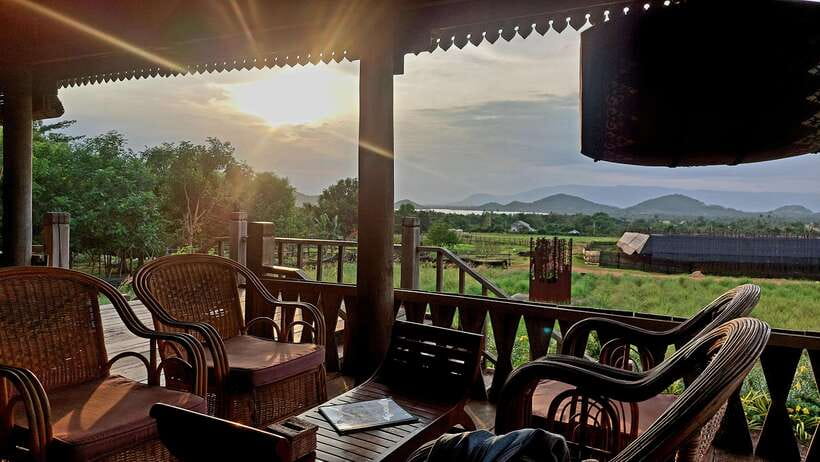
Review · DAY TRIPS
Discover Kampot-Kep for a day trip include Bokor mountain
Bokor Mountain, Kep’s crab market, Kampot pepper, salt fields, and Secret Lake make for a remarkably full Cambodian day out. The local guide is the key: Micki and Roy are praised for clear English, cultural knowledge, humor, and the ability to adjust the pace when weather or late arrivals get in the way. I especially like the range of places and the chance to taste pepper at a farm rather than simply buy a packet in town. The seafood stop is another strong point, since a local guide can help you understand what to order.
I also like that this is built for a short stay. You cover rural Cambodia, the coast, a mountain, farms, and local food in one long sweep. The tradeoff is real: ten hours in a tuk-tuk can mean dust, heat, bumps, and long stretches between stops. Lunch is not included, so you should settle the meal plan early rather than reach Kep hungry late in the afternoon.
Key points to know before booking
- Bokor fills the first half of the day: Expect old religious buildings, viewpoints, forest scenery, and the unusual remains of Bokor Hill Station.
- Micki and Roy are named guides: The experience depends heavily on your assigned English-speaking local driver-guide, with Micki receiving especially strong praise for flexibility and local insight.
- Kampot pepper gets proper attention: You visit a pepper farm, learn about different types, and taste them. Some departures use a smaller farm, such as Bo Farm, rather than La Plantation.
- Kep is about seafood and salt: The Crab Market gives you a chance to see the local catch, shop, and eat at your own expense.
- This is a fast regional sampler: You see a lot, but you do not linger at every attraction. Roads may be dusty or rough in a tuk-tuk.
- Plan for a long, active day: Pickup is from Kampot, the group can reach nine people, and the tour may run slightly beyond ten hours.
A big day from Kampot to Bokor and Kep
At $55 per person, this tour is priced as a day of transport, guiding, entrance fees, water, soft drinks, and snacks rather than as a simple ride between sights. That matters in Kampot, where the attractions are spread over a wide area. You are paying for the local driver-guide’s time and for the convenience of linking Bokor, the coast, farms, and countryside without arranging several separate trips.
The route covers a great deal of ground. You leave from Kampot and return there after roughly ten hours. A small group of up to nine people keeps it more personal than a large coach, though the exact feel depends on how many people book that day.
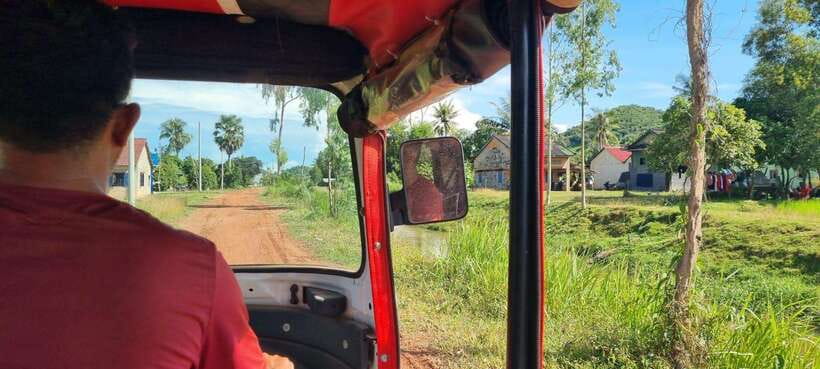
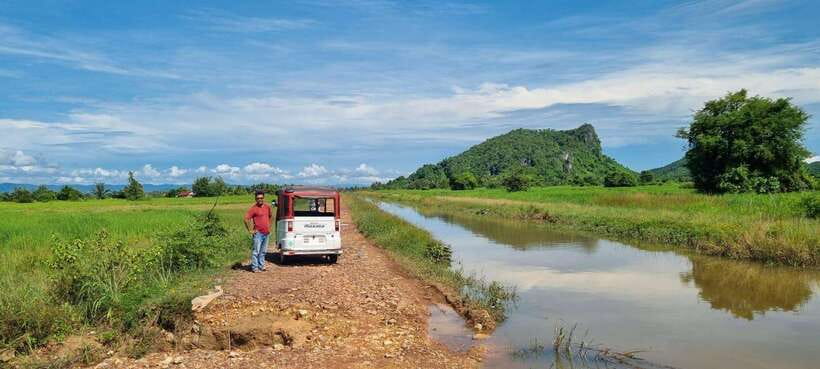
Transport can be a tuk-tuk, SUV, or van, depending on availability. A tuk-tuk gives you open views and a more local feel, but it also exposes you to road dust, sun, and bumps. For a long day, a car or van will be easier on your back. If you have a choice, ask what vehicle is planned before departure.
More mountain day trips around the world:
- From Marrakech: Atlas Mountains Day Trip with Camel Ride
★ 4.8 · 4,709 reviews - From Sydney: Blue Mountains Full-Day Trip
★ 4.5 · 4,471 reviews - From Tirana: Bovilla Lake & Gamti Mountain Hiking Day Trip
★ 4.9 · 4,397 reviews
Bokor Hill Station: strange, scenic, and not polished
The climb toward Bokor is the first major part of the day. Bokor is known for its high elevation, cooler temperatures, forest setting, and wide views over the surrounding region. The tour describes it as Cambodia’s second-highest hill and a place with some of the country’s lowest temperatures.
The first stop is Bokor Hill Station. You have time to walk, hear the story of the site, and take in the views on the way. This is not a neatly preserved historic town. It is an odd mix of old structures, open mountain space, construction, and natural areas. That roughness is part of its character, but it also means you should not arrive expecting a perfectly restored colonial complex.
Some of the most memorable details here are visual. The buildings feel out of place in the mountain setting, and the changing weather can make the views appear and disappear. One guide adjusted the order and timing when clouds and rain threatened the mountain outlook, a useful reminder that Bokor is better enjoyed with some flexibility.
The road and walking portions require a reasonable level of mobility. The experience is not suitable for wheelchair users, and it is not designed for children under 18 or people over 70. Those rules may sound strict, but they reflect the long day, walking, vehicle transfers, and uneven surfaces.
The church, pagoda, and mountain folklore
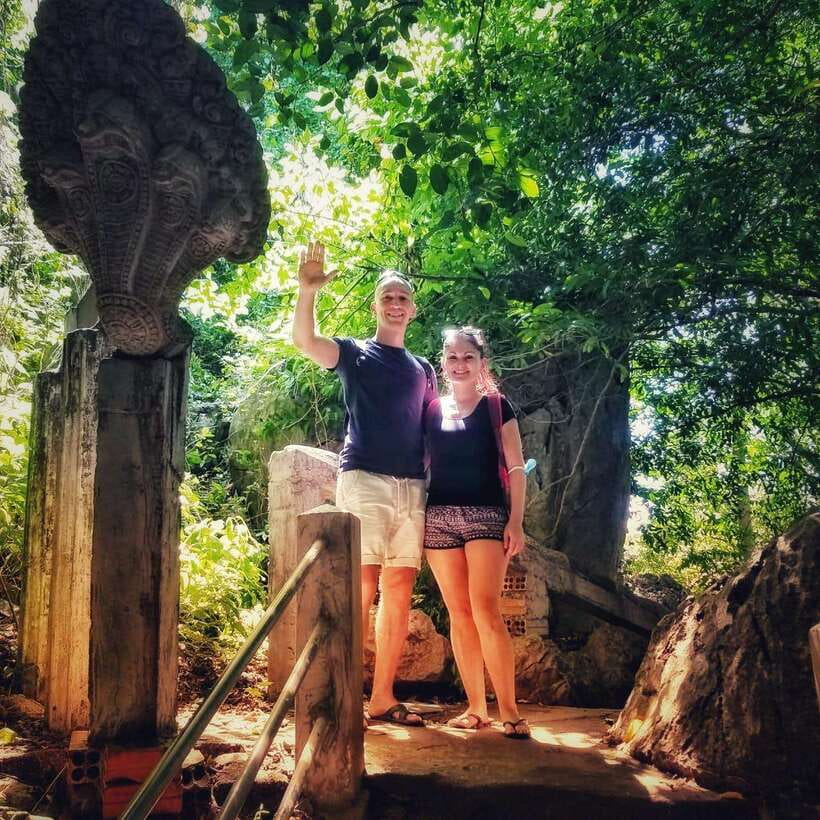
Bokor Catholic Church provides a quieter stop. You get about half an hour to walk around, take photographs, and hear about the building from the guide. Its isolated position gives it a haunting quality without needing much decoration or staging.
Next comes Wat Sampov Pram, where you have another half hour for a visit, photos, and views. The stop adds a religious side to the mountain experience and breaks up the old-building visits. Your guide can explain local beliefs and the role of the site, which is one reason a local English-speaking guide adds value here.
The route then continues to the area around Phumi Pôpôk Vil for a short break and photo stop. After that, the Lok Yeay Mao Monument gives you another look at Cambodian popular belief and local religious culture. These stops are not long. I would think of them as brief windows into the region rather than full visits with time for extensive wandering.
Bokor is the part of the trip most likely to divide opinion. If you enjoy unusual buildings, mountain roads, local stories, and views, it may be the day’s most distinctive section. If you prefer a focused nature walk or a polished historic site, it may feel scattered. One useful tip: the waterfall can be dry in the dry season, so do not book this day mainly for waterfalls.
Salt fields and the countryside between mountain and sea
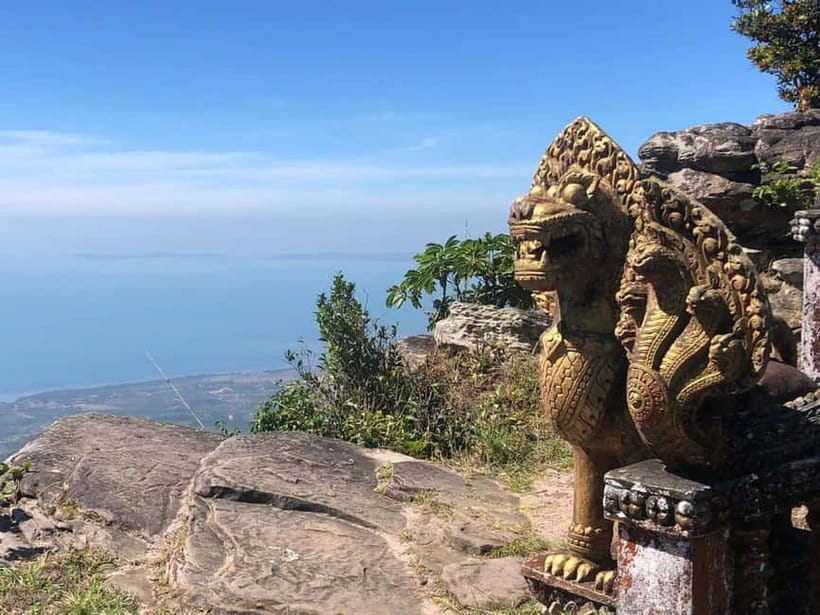
After Bokor, the tour drops toward the coast and rural areas. The long transfer is part of the experience, but it is also where the day can feel tiring. You pass through countryside and see how daily life changes outside Kampot’s center.
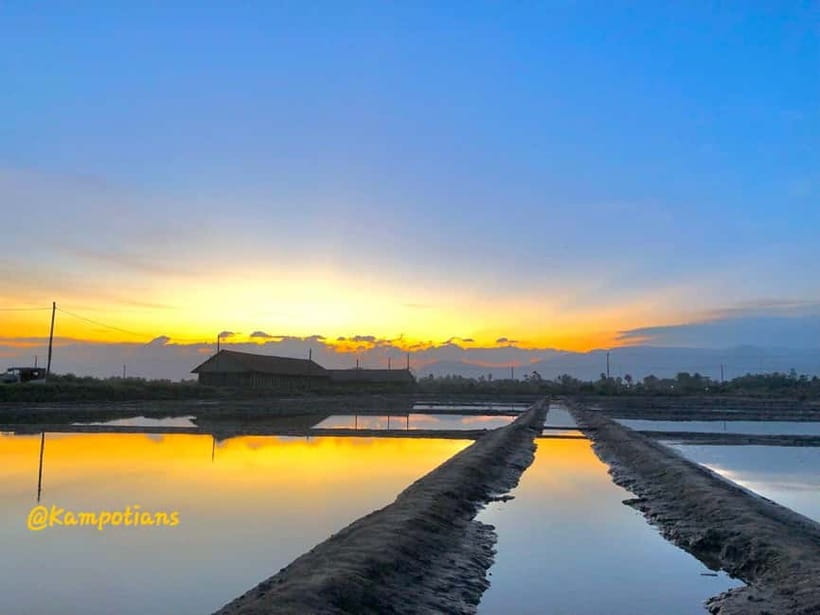
Salt Farm Coffee provides a short stop near the salt fields. You have time for photographs, a walk, and an explanation of salt production. The value here is not a dramatic monument. It is the chance to connect the region’s food culture with the land and work that support it.
The countryside is one of the better reasons to choose this tour instead of simply hiring a car between major attractions. A local driver can point out ordinary details and explain what you are seeing. The supplied information describes the guide as a local English speaker who can discuss both the area and Cambodia more broadly. That makes the transfers less like dead time.
Still, keep your expectations practical. The stop is about twenty minutes, not a full farm visit. Bring sunscreen, and expect heat once you leave the cooler mountain air. Dust can be an issue on some roads, especially when road work is underway.
A few more day trips around the world worth a look
- Tuscany Day Trip from Florence: Siena, San Gimignano, Pisa and Lunch at a Winery
★ 5.0 · 21,634 reviews - From Amsterdam: Zaanse Schans, Volendam & Marken Day Trip
★ 4.4 · 18,501 reviews - From Munich: Neuschwanstein & Linderhof Castle Full-Day Trip
★ 4.6 · 14,646 reviews - Lisbon: Pena Palace, Sintra, Cabo da Roca, & Cascais Daytrip
★ 4.7 · 9,981 reviews
Kep Crab Market and the meal question
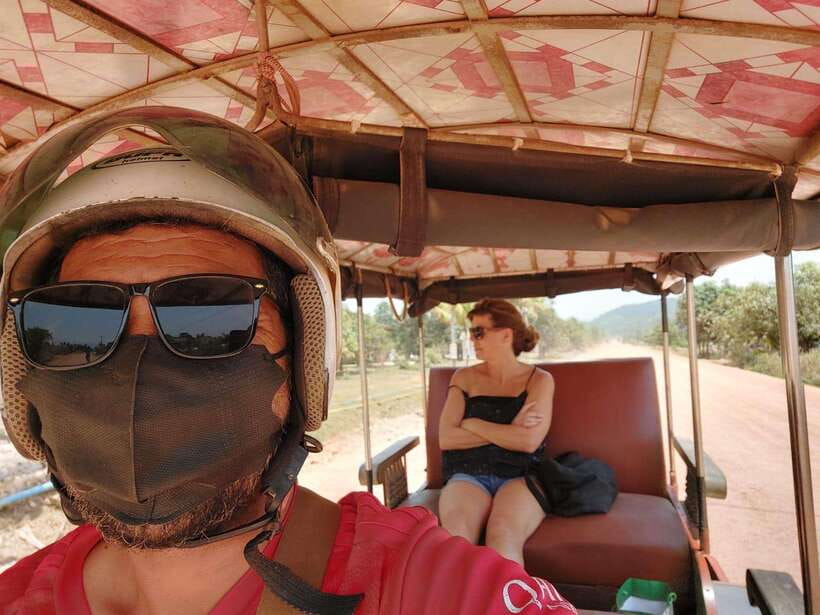
Kep Crab Market is where the tour turns from scenery to food. You have about an hour to walk, take photographs, shop, and experience the seafood scene. The market is famous for crab and other local seafood, and the setting gives you a direct look at how the coast feeds itself.
Meals are not included in the $55 price. This is important because the timing can vary. The published route places La Plantation after the crab market, but the day’s actual order and arrival times may change. On one departure, the group reached the market late and had already spent hours in the heat without food. If you care about lunch, ask your guide early when and where you will eat.
The best approach is to treat Kep as a flexible food stop. You can eat seafood at your own cost, browse the market, or keep the visit shorter if you have other priorities. A local guide can be particularly useful here because ordering and eating seafood in a busy market may not be obvious on your first visit.
I like the fact that the tour does not reduce Kep to a quick photograph from the road. You get time to walk and eat. The drawback is that one hour is not generous if the market is busy, you want a full meal, and the day is running late.
Kampot pepper is the tour’s strongest food stop
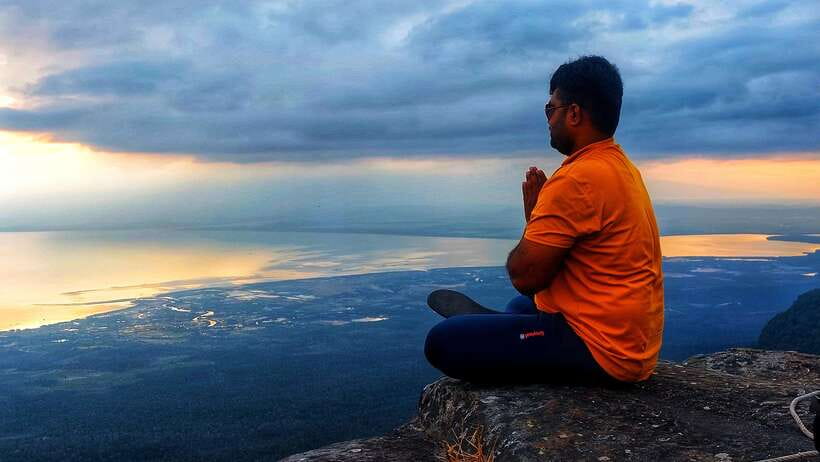
The pepper farm visit is a major reason to book this route. Kampot pepper is internationally prized, but a farm visit gives you more than the label. You can learn about different types of pepper and taste them side by side.
The route lists La Plantation Restaurant for a longer visit of about an hour and a half, including scenic time and a guided experience. Some departures have used a smaller farm such as Bo Farm instead. That can be a plus if you prefer a quieter, less formal visit. One solo participant had the smaller farm largely to herself and found the hands-on attention worthwhile.
This is also where the guide’s English and local background matter. Pepper is easy to buy and hard to understand from a shop shelf. You will get more from the stop if you ask about the differences between pepper varieties, how they are processed, and how to taste them. The supplied tour details specifically promise learning and tasting, not just shopping.
The stop can be long enough to become the center of the day. If food and local production interest you, that is a good thing. If you mainly want temples and views, the time may feel heavy. For many people, though, the pepper visit gives the trip its clearest connection to Kampot’s identity.
Secret Lake and the final countryside stop
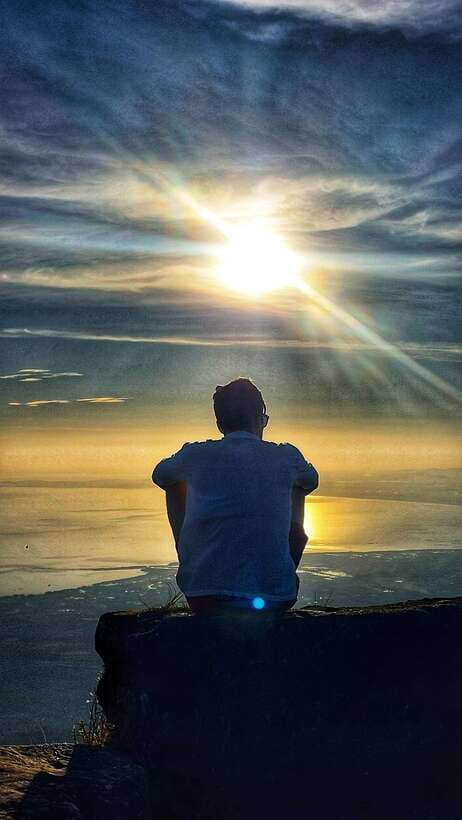
Brateak Krola Lake, often called Secret Lake, comes near the end. You have about twenty minutes for a break, photographs, views, and a short rest. Some visitors have used the area for a drink or a hammock nap, which tells you how this stop works best: as a pause after a long day rather than a major attraction requiring a full afternoon.
The lake adds variety. After mountain buildings, religious sites, salt fields, seafood, and pepper, you get a quieter natural setting. The name also gives the guide a chance to explain why the lake was considered secret for so long.
Do not expect a long lakeside walk. The visit is short, and the main benefit is the change of pace. It can be especially welcome if you have spent much of the day sitting in a tuk-tuk.
Guides, group size, and how flexible the day can be
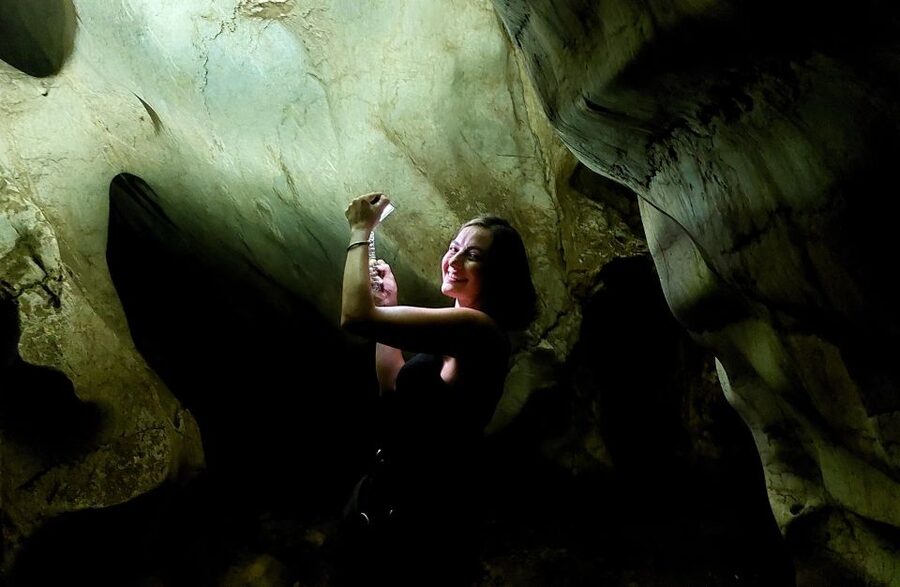
Micki is the guide most often named in the supplied feedback, with Roy also receiving praise for excellent English and good structure. Micki is described as energetic, funny, attentive, and able to answer questions about both Kampot and Cambodia. He has also adjusted the route for late arrivals, changing weather, and individual interests.
That flexibility is valuable because a ten-hour route cannot be perfectly rigid. A late bus arrival, a mountain shower, road conditions, or a group’s interest in lunch can affect the schedule. One solo participant arrived late from Phnom Penh and still received an adjusted day, while another had a more private experience when the group became smaller.
The group limit is nine. A small group usually gives you more room to ask questions and request a little extra time, but it does not guarantee a private tour. Some departures may be shared, while others could feel almost private if few people book.
The driver is also the guide. That is efficient, but it asks a lot of one person over a long day. Be realistic about the pace and show patience if the guide needs a short break.
Practical details that affect the value
Pickup is included for hotels within three kilometers of the Durian Monument in Kampot. If you stay outside that area, you can meet at the Kampot Tourist Information Center or request hotel pickup for an additional fee of at least $2. Be ready about ten minutes before departure, since the driver will wait no longer than ten minutes.
Water, a soft drink, snacks, transport, entrance fees, and English-language guiding are included. Meals are not. Sunscreen is essential, and comfortable clothing for heat and walking makes sense.
Pets, backpacks, alcohol, drugs, baby strollers, baby carriages, and electric wheelchairs are not allowed. The tour is not suitable for wheelchair users, children under 18, or people over 70. These restrictions should be checked before booking, especially for mixed-age groups.
Free cancellation is available up to 24 hours before departure, and you can reserve now and pay later. Starting times depend on availability, so confirm the departure time when booking.
Should you book this Kampot day trip?
I would book it if you have only one full day around Kampot and want a broad introduction rather than a slow, focused visit. You will see Bokor, Kep, pepper production, salt fields, and countryside without having to negotiate each transfer yourself. The guide’s local knowledge is a major part of the value.
I would not choose it if you dislike long vehicle rides, need a relaxed lunch schedule, or want to spend serious time at each place. In that case, a shorter Kep and pepper-farm day may suit you better, and a separate Bokor visit would give the mountain more breathing room.
For most fit adults with limited time, $55 is fair for the number of places covered and the included transport and entrance fees. Just choose your vehicle carefully, carry sunscreen, ask about lunch at the start, and accept that this is a busy sampler of the Kampot region, not a leisurely day.
FAQ
How long does the tour last?
The scheduled duration is 10 hours, though the day may run slightly longer depending on traffic, weather, road conditions, and the group.
Where does pickup take place?
Pickup is included from hotels within three kilometers of the Durian Monument in Krong Kampot. You can meet at the Kampot Tourist Information Center if you stay outside the pickup area, or request hotel pickup for an additional fee of at least $2.
What type of transport is used?
Transport may be a tuk-tuk, SUV, or van, depending on vehicle availability. The vehicle type is not guaranteed in advance.
Is lunch included?
No. Meals are not included. Water, a soft drink, snacks, and entrance fees are included.
Is the tour suitable for children?
No. The activity is listed as unsuitable for children under 18.
Is the tour suitable for wheelchair users?
No. The activity is not suitable for wheelchair users, and electric wheelchairs are not allowed.
Can I cancel for a full refund?
Yes. You can cancel up to 24 hours in advance for a full refund. You can also reserve now and pay later.
Just added around the world
- Private Delphi Daytrip from Athens★ 5.0 · 28 reviews
- Private Full-Day Trip to Meteora by Train From Athens – Local Agency★ 5.0 · 28 reviews
- Private Tour: Delphi Day Trip from Athens Including wonderful local Lunch★ 5.0 · 20 reviews
- Meteora Day Trip with central Pick up & optional Lunch★ 5.0 · 590 reviews
- Mycenae and Nafplion Day Trip from Athens with Official guide★ 4.5 · 501 reviews
- Full-day or Half-Day Trip from Athens to Cape Sounion★ 5.0 · 37 reviews
- Athens: Ancient Corinth & Nafplio Full Day Trip with Swim★ 5.0 · 33 reviews
- Aegina island small group day trip: Greek island experience★ 5.0 · 23 reviews
Mountain Day Trips, compared.
From Marrakech: Atlas Mountains Day Trip with Camel Ride
Read our review →
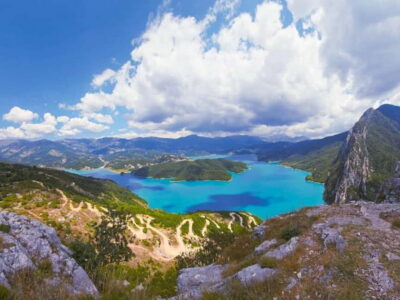
From Tirana: Bovilla Lake & Gamti Mountain Hiking Day Trip
Read our review →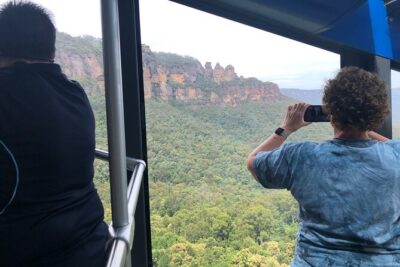
Blue Mountains Day Trip from Sydney Including Scenic World
Read our review →
Marrakech Day Trip: Agafay Desert, Atlas Mountains and Camel Ride
Read our review →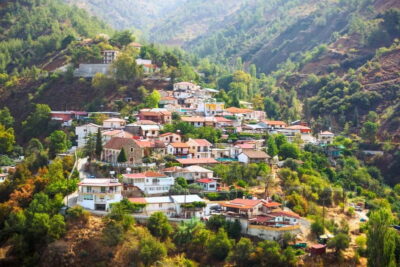
From Paphos: Troodos Mountains & Villages Guided Day Trip
Read our review →
Marrakech: Ourika Valley Waterfalls & Atlas Mountains Trip
Read our review →
Browse the lists this tour appears in