
Review · EGYPT
From Aswan: Abu Simbel Temple Day Trip with Hotel Pickup
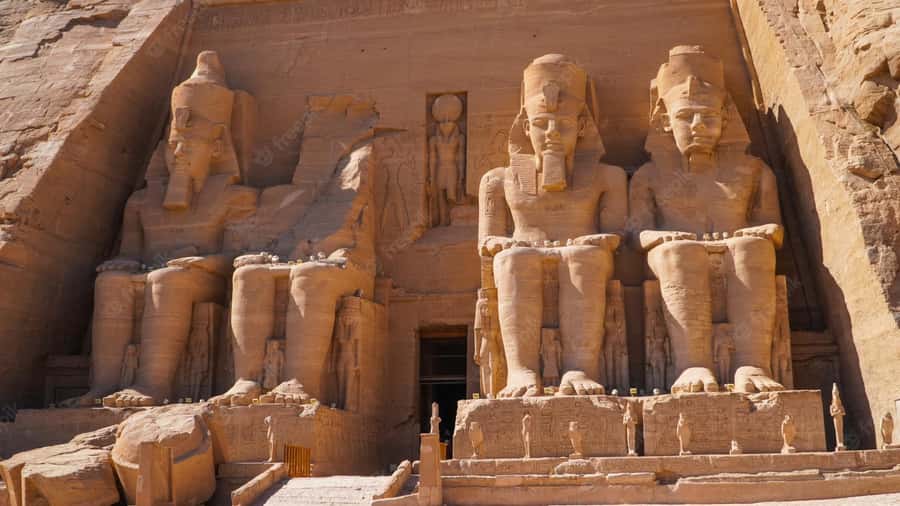
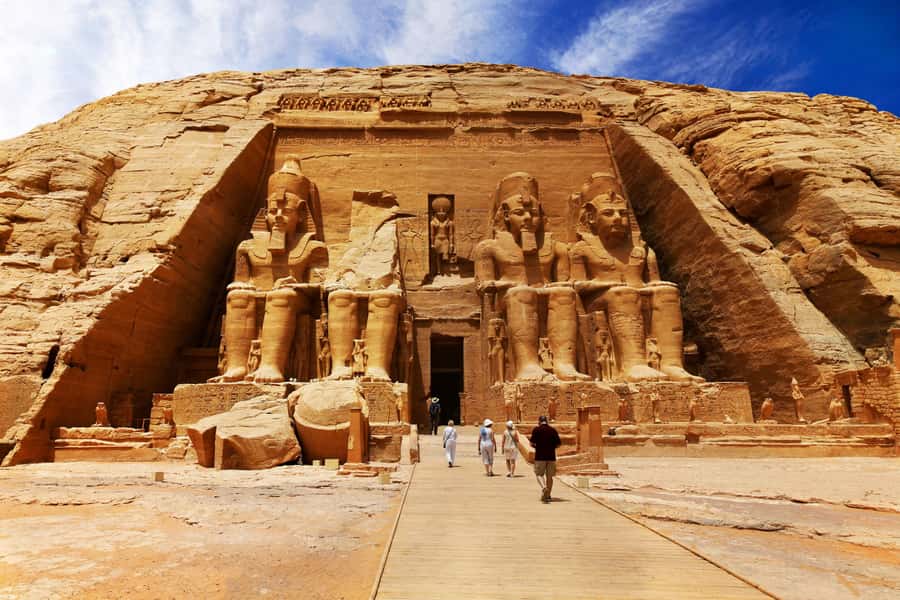
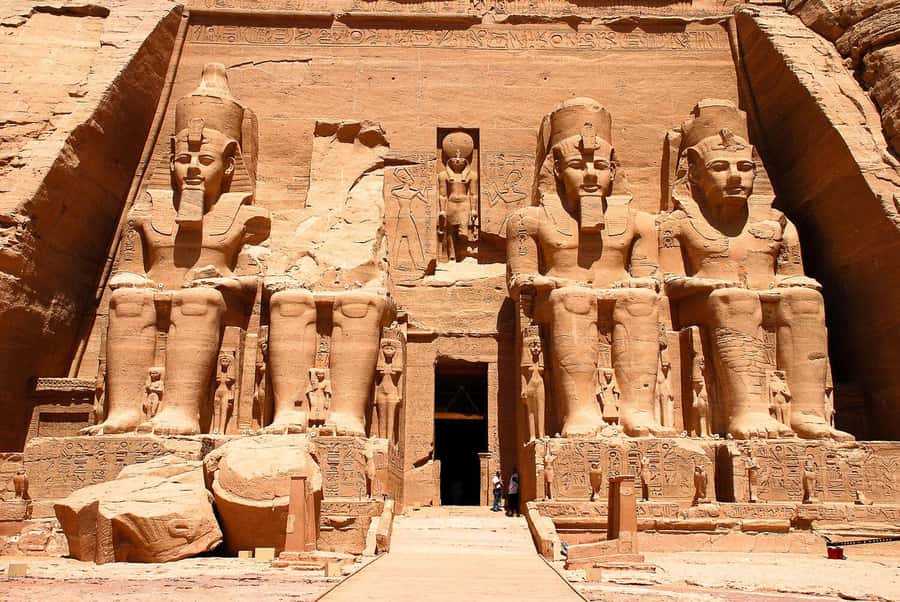
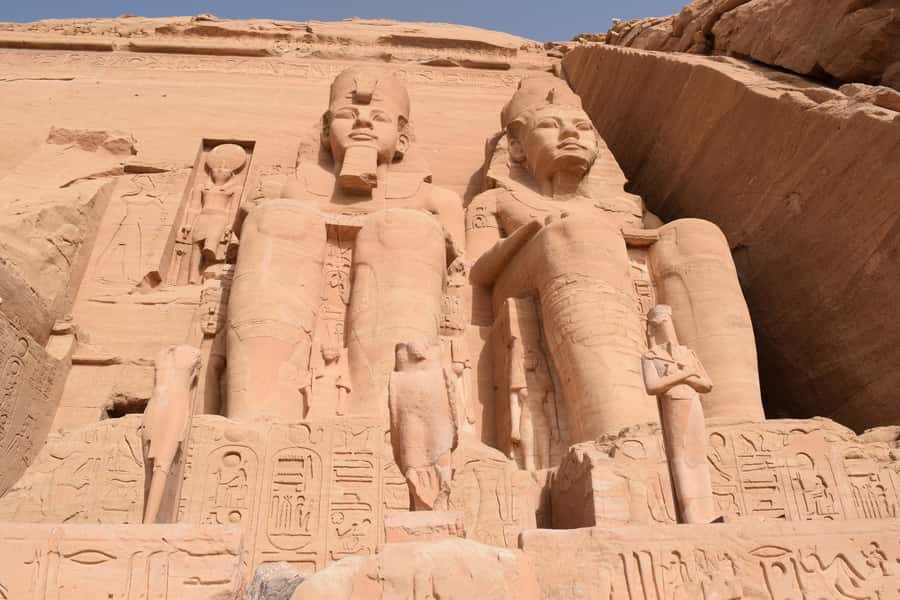
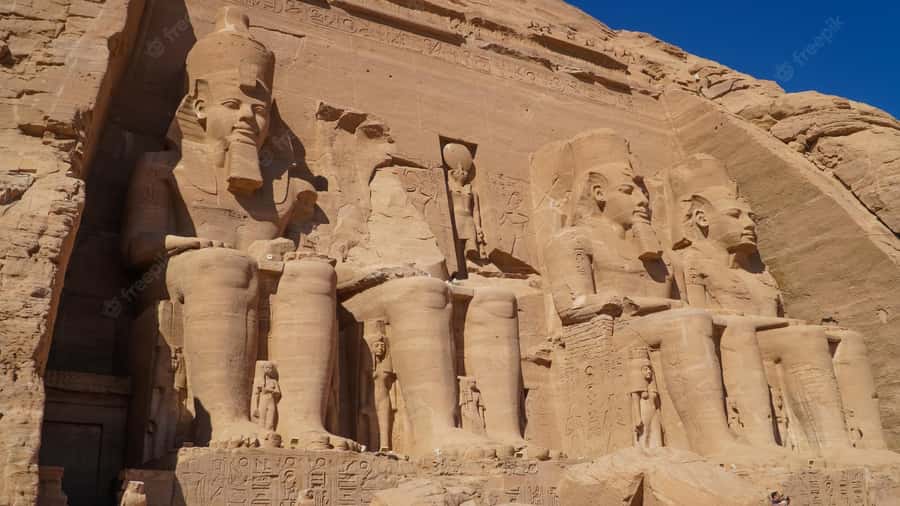
Abu Simbel is one of Egypt’s great payoffs: four giant statues of Ramesses II greet you from a cliffside façade, while the temple interiors hold carvings, royal scenes, and a remarkable solar design. The journey from Aswan is long, but the monument is far too special to dismiss as a quick photo stop.
I like two things here. Hotel pickup keeps the morning simple, and the air-conditioned bus takes care of the long road south. I also like the choice between a guide and independent time, since strong guides such as Waleed Adnan, Ahmed Abd Elwahab, Mido, and Mostafa have helped many people understand what they are seeing.
The trade-off is clear: you spend roughly six hours on the road for around two hours at the temples, and some departures begin near 4 a.m. The bus is described as clean and comfortable, though one person wanted a larger vehicle. This is a full-day outing, not a relaxed half-day excursion.
Key points to know before booking
- The Abu Simbel road takes about three hours each way, so bring water, sun protection, and a packed lunch.
- Pickup is included from Aswan accommodation, with extra pickup coverage available for Elephantine Island, Gharb Soheil, Nagaa al-Mahatta, and New Aswan when selected.
- You can choose a guide or go independently, but the entry ticket and guide are option-dependent.
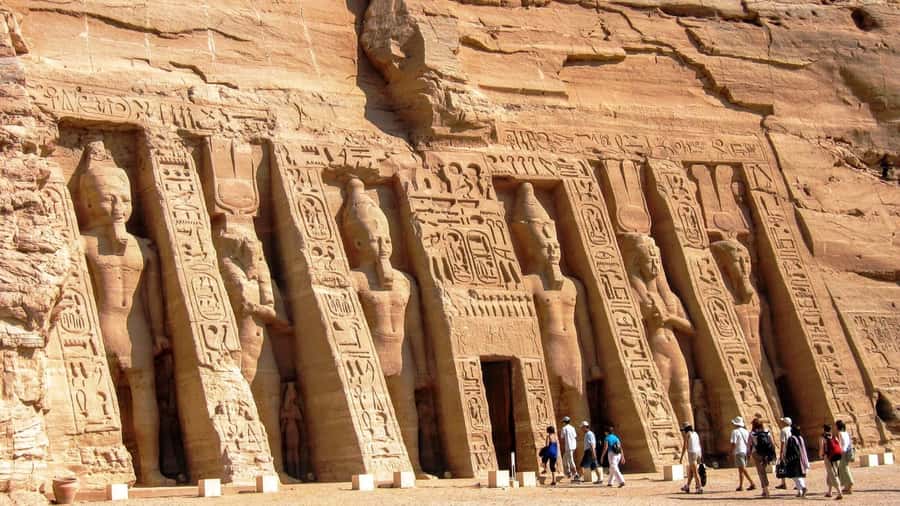
- The main temple has four huge seated statues, while the nearby temple honors Queen Nefertari.
- Early arrival helps with heat and crowds, although the exact pickup time can be very early.
- The tour has a 4.4 rating from 2,807 bookings, with especially strong praise for guides, organization, safety, and transport.
Why Abu Simbel is worth a very early start
Abu Simbel is not close to Aswan. The temples sit far south, and the road trip is the main reason this outing fills ten hours. Still, I would put Abu Simbel near the top of any Aswan plan. The arrival is dramatic: huge seated figures of Ramesses II dominate the façade, cut into the rock and facing the open desert.
The scale is hard to grasp from photographs. The statues are not small decorations around a doorway. They are the doorway’s visual statement, designed to present the king as powerful and permanent. Two temples occupy the site, and the smaller one is dedicated to Nefertari, Ramesses II’s royal wife.
Inside, you can expect wall carvings and painted scenes that explain the temples’ religious and royal purpose. A good guide gives you a useful framework before you enter, pointing out the meaning of the figures and major events represented on the walls. Without that help, you can still admire the carvings, but much of the message may pass you by.
The visit also carries a modern story. The temples were moved to their present position during the creation of the Aswan High Dam. Guides such as Ahmed Bahaa and Waleed Adnan have explained how the relocation protected the monuments, turning the site into both an ancient Egyptian masterpiece and a major modern preservation project.
More Ancient Ruins Day Trips in Egypt
- Hurghada: Cairo Pyramids, Sphinx & Egyptian Museum Day Trip
★ 4.7 · 2,271 reviews - Hurghada Day Trip to Giza Pyramids, Sphinx, Museum and lunch
★ 4.4 · 820 reviews - Luxor: Abu Simbel Temple Private Guided Day Trip with Lunch
★ 4.6 · 546 reviews
The 4 a.m. pickup and the long road south
The day begins with pickup from your accommodation in Aswan. Some departures start around 4 a.m., which sounds harsh until you consider the distance and heat. An early start gives you a better chance of reaching the site before the strongest sun and larger crowds.
Pickup is included from hotels and accommodation in Aswan. Coverage can also include Elephantine Island, Gharb Soheil, Nagaa al-Mahatta, or New Aswan if you select the relevant add-on. If you stay on an island or outside the central area, check that the correct pickup option is selected. One otherwise smooth trip required extra time because of a location mix-up, so this is worth confirming.
The transfer uses an air-conditioned bus with a group. The road takes about three hours each way, based on the timing described by people who took the trip. That means your comfort matters. Wear loose clothes, keep water within reach, and bring a packed lunch. Sunglasses, sunscreen, and comfortable shoes are practical choices rather than optional extras.
The bus is generally described as clean, safe, and comfortable. A few details can vary on a group departure, including how long pickup takes if other people are late. One person found the vehicle smaller than ideal, while others described the transport as smooth and well organized. I would allow some patience at the start of the day, especially if several hotels are on the pickup route.
Arriving at the Great Temple of Ramesses II
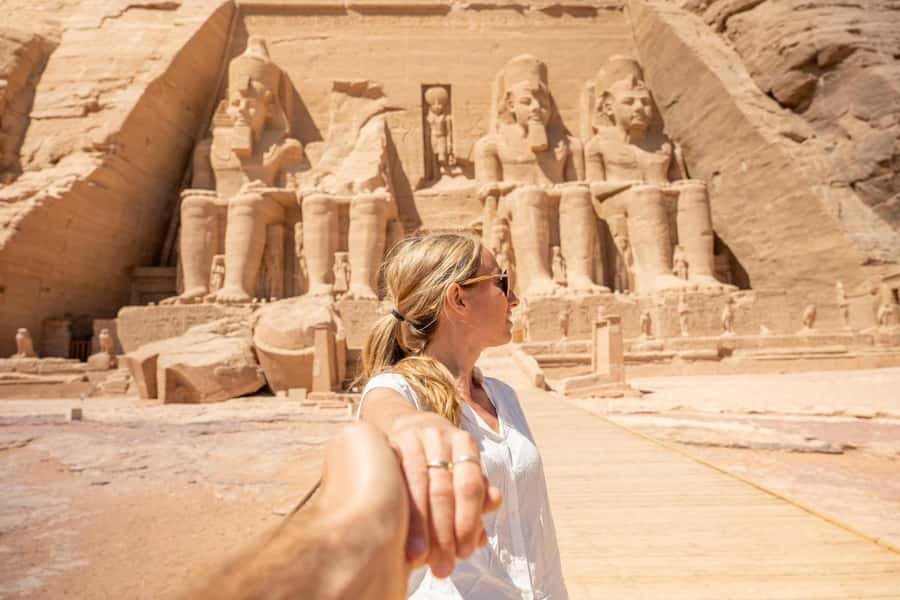
The first temple is the site’s main visual shock. Four seated statues of Ramesses II frame the entrance, and the façade gives you an immediate sense of the king’s ambition. You have time to look closely, take photographs, and enter the monument rather than simply viewing it from the outside.
A guide usually explains the temple before you go in. That order works well because the space can feel overwhelming at first. You are shown what to notice, then given time to examine the scenes at your own pace. Guides named in the feedback include Ahmed Abd Elwahab, Waleed Adnan, Mido, Ahmed Sony, Mostafa, Emad, and Andrew Awny.
The quality of the explanation may depend on the person assigned to your group. Many guides are praised for clear English, humor, patience, and detailed explanations. Waleed Adnan, in particular, is noted for discussing Nubian culture, the royal connection between Ramesses II and Nefertari, damage to the second statue, the relocation project, and the temple’s solar alignment.
That last detail is especially worth hearing about. The shrine was designed so sunlight reaches the inner sanctuary on particular days of the year. It is a small detail in a huge complex, but it shows how architecture, kingship, religion, and astronomy were tied together.
You are not rushed through every room, but the total time at Abu Simbel is limited compared with the driving time. If you want every carving explained, a guide is useful. If you prefer quiet time with your own book or notes, choose the independent option if available for your booking.
The smaller temple of Nefertari
The second temple is dedicated to Queen Nefertari and is smaller than Ramesses II’s temple, but do not treat it as an afterthought. Its façade presents Nefertari alongside Ramesses II, and the interior gives you another view of royal power and religious devotion.
This is where a guide can add real value. The carvings and figures are easier to appreciate when you understand who they represent and why the queen received such an important monument. A guide can also help you compare the two temples rather than viewing them as separate buildings with similar decoration.
The smaller scale makes the second temple feel more intimate. I would save enough energy and attention for it. After a long road journey, it is tempting to rush once you have seen the famous façade, but the pair of temples is the reason the visit feels complete.
More ancient ruins day trips around Egypt:
- Private Tour: Day Trip to the Pyramids and Sphinx from Cairo
★ 5.0 · 202 reviews - From Hurghada: Grand Egyptian Museum Pyramids Cairo Day Trip
★ 4.2 · 187 reviews - Hurghada: Giza Pyramids, Sphinx, Museum & Old Souq Day Trip
★ 4.5 · 152 reviews - Marsa Alam: Ancient Cairo & Giza Pyramids Day Trip by Plane
★ 4.3 · 106 reviews
Guided or independent: which option fits you?
The booking choices matter. Some options include the entrance ticket, and some include an English-speaking guide. French, German, or Spanish guiding can be added when available at checkout. Arabic, English, French, German, and Spanish are listed among the guide languages.
Choose the guided option if you want the scenes translated into a clear story. Several guides are praised for answering questions, explaining the relocation of the temples, and making the visit easy to follow. Mohammed Abdo is noted for combining strong explanations with humor, while Ahmed Abd Elwahab is praised for making people feel at ease and sharing photos of the temple interiors before entry.
The independent option can suit someone who has already studied Abu Simbel or wants more freedom. You avoid listening to a set explanation and can focus on photographs, details, or a quiet walk through the complex. The drawback is that you may miss the meaning behind the carvings.
Do check exactly what your selected option contains. The entry ticket is included only if that option is selected, and the guide is also option-dependent. The general booking information says you can skip the ticket line, but that does not remove the need to select the correct ticket package.
How much value do you get for $70?
At $70 per person, the price needs to be judged against the distance, transport, hotel pickup, and the importance of Abu Simbel. You are not paying for a short local outing. You are paying for a full-day transfer into southern Egypt, an air-conditioned group vehicle, and organized return transport.
The value is strongest if you are already staying in Aswan and do not want to arrange a private car, tickets, and site logistics yourself. The pickup and drop-off save planning time, which matters when your accommodation is on an island or outside the central part of town.
The price is less attractive if you dislike long group journeys or want several hours of unhurried exploration. A private vehicle could offer more control, but that is a different product and may cost more. This tour is best understood as a practical way to reach a remote landmark, not as a slow, leisurely day in the desert.
Before paying, confirm whether your chosen price includes the temple ticket and guide. Those details change the real cost. Also check whether a special pickup area add-on applies to your accommodation.
What to pack for the desert visit
The supplied advice is sensible. Wear comfortable shoes and clothing, and bring sunglasses, sunscreen, water, and a credit card. A packed lunch is also recommended, which makes sense on a ten-hour day with a long transfer.
I would keep your essentials in a small day bag rather than buried in luggage. Your phone, water, sun protection, and any booking details should be easy to reach. Early departures can make people forget simple things, especially breakfast and water.
The site is not listed as suitable for wheelchair users. If you have mobility needs, contact the provider before booking rather than assuming the bus, route, or temple access will work for you.
What the strongest guide service looks like
The best guide comments focus on more than facts. They describe people who explain clearly, keep the group together, answer questions, and help the day feel calm. That matters here because the schedule is long and the site visit is relatively short.
Waleed Adnan receives especially strong praise for clear English and for bringing Nubian insight to the story. Ahmed Abd Elwahab is repeatedly associated with friendly leadership and detailed explanations. Mido, Mostafa, Ahmed Sony, Malak Aziz, Emad, Hadr, and Andrew Awny are also described as helpful, friendly, and effective at the temples.
There is one useful warning. One person found that the guide assigned at the entrance repeated only a few facts and did not enter the temples. That is a reminder to check whether your selected package includes the tour guide you expect. A guide option is not automatically the same as a private historian accompanying you every minute.
The return to Aswan
After the temple visit, you return by bus to Aswan and are dropped off at your accommodation. The return journey is the least exciting part of the day, but reliable timing and a safe driver make a real difference after the early start.
The most positive accounts describe punctual pickup, clean vehicles, smooth driving, and a well-managed return. A few delays occurred when people were late for pickup or when the wrong location had to be sorted out. Those are ordinary group-tour risks, but you should not book this outing if you need a perfectly fixed arrival time for a flight or another close connection.
With free cancellation up to 24 hours before departure and a reserve-now, pay-later option, you get some flexibility when arranging your Aswan days. Starting times vary, so check availability for your date and prepare for an early morning.
Should you book this Abu Simbel day trip?
I would book it if Abu Simbel is high on your Egypt wish list and you are staying in Aswan. The temples justify the long road, and hotel pickup removes much of the hassle. The guided option is the better choice if you want the carvings, solar alignment, relocation project, and royal symbolism explained in plain language.
I would skip it only if a three-hour drive each way sounds miserable, you need a relaxed schedule, or you have mobility needs that the provider cannot accommodate. For most people, the day is a demanding bargain: a lot of road, a limited site visit, and one of Egypt’s most remarkable monuments at the end of it.
FAQ
How long does the Abu Simbel day trip take?
The advertised duration is 10 hours. The road journey takes about three hours each way, leaving roughly a couple of hours at the temples, although exact timings can vary.
Is hotel pickup included from Aswan?
Yes. Pickup and drop-off from accommodation in Aswan are included. Additional pickup coverage is available for Elephantine Island, Gharb Soheil, Nagaa al-Mahatta, and New Aswan when selected as an add-on.
What time does the tour start?
Starting times depend on availability, and some departures begin around 4 a.m. Check the available start time for your date before booking.
Is the Abu Simbel entry ticket included?
The entry ticket is included only if you select the option that includes it. Check your chosen package carefully before payment.
Is a guide included?
A guide is included only with the relevant guided option. English, Arabic, French, German, and Spanish are listed as available languages, with some language options offered as add-ons.
Is transportation shared?
Yes. The transfer uses an air-conditioned bus with a group of people. You return to Aswan by the same organized transfer service.
What should I bring?
Bring comfortable shoes, sunglasses, sunscreen, water, comfortable clothes, a credit card, and a packed lunch.
Can wheelchair users join this tour?
The experience is listed as not suitable for wheelchair users. If you have mobility requirements, contact the provider before booking.
Just added around Egypt
- Day Trip to Nubian Village with Camel Tour from Aswan★ 5.0 · 80 reviews
- Abu Simbel Excursion Day Trip from Aswan (Sharing Bus without Guide)★ 4.0 · 21 reviews
- Private Day Trip To Kom Ombo And Edfu Temples From Aswan★ 4.5 · 41 reviews
- Abu Simbel Excursion 1 Day Trip from Aswan (Sharing Bus & Egyptologist Guide)★ 4.0 · 52 reviews
- Abu Simbel Temple Day Trip with Hotel Pickup From Aswan★ 4.5 · 48 reviews
- El Alamein Private Day Trip from Alexandria★ 4.5 · 21 reviews
- Alexandria Full Day Trip★ 4.5 · 191 reviews
- Hurghada:Eden Island Full-Day Trip with Water sports & Lunch★ 4.8 · 65 reviews
Ancient Ruins Day Trips, compared.

Cape Sounion & Poseidon Temple Sunset Half-Day Trip
Read our review →
London: Windsor, Stonehenge, Bath, and Roman Baths Day Trip
Read our review →
Fes: Volubilis Roman Ruins, Mouly Idriss, & Meknes Day Trip
Read our review →
Hurghada: Cairo Pyramids, Sphinx & Egyptian Museum Day Trip
Read our review →
Discover the Ancient Ruins of Pompeii: Day Trip from Rome
Read our review →
Stonehenge and Bath Day Trip from London with Optional Roman Baths Visit
Read our review →
From London: Stonehenge & Roman Baths Full-Day Trip
Read our review →
Mykonos Town: Archaeological Site of Delos Guided Day Trip
Read our review →Browse the lists this tour appears in