
Review · BELGIUM
From Bruges: Flanders Fields Remembrance Full-Day Trip
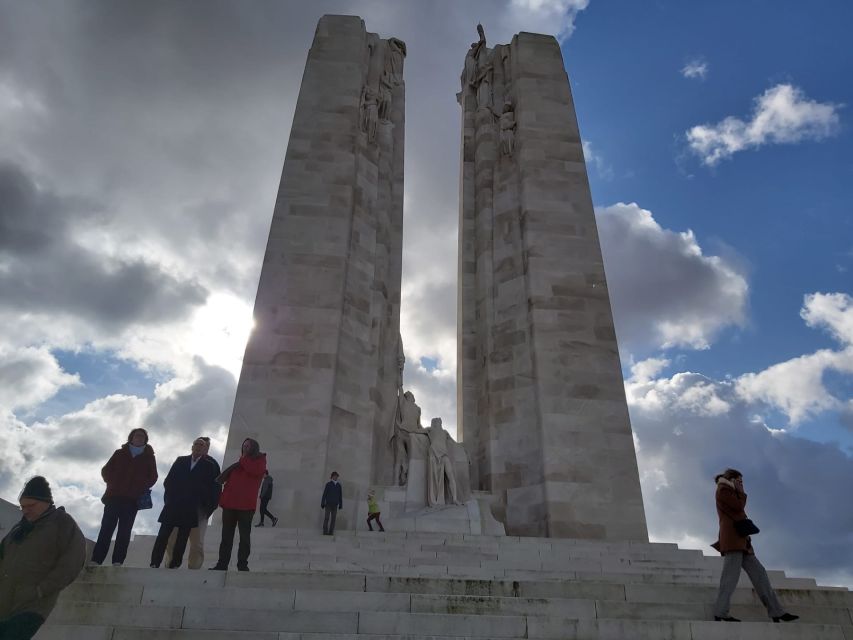
Flanders Fields is not a single battlefield you visit and leave. It is a wide, quiet area of cemeteries, trenches, memorials, and rebuilt towns, each revealing another part of the First World War. This 10-hour guided trip from Bruges gives you a practical way to connect those places, ending at Ypres’ deeply moving Last Post Ceremony.
I like the strong historical storytelling, especially the way guides such as Diederik, Stefan, and Johannes explain the war before you reach the sites. I also like that the tour includes both famous locations, such as Tyne Cot and Menin Gate, and smaller, more personal places such as Essex Farm and the Monument of the Brooding Soldier.
The main drawback is the packed schedule. You cover a lot of ground, but some stops can feel short, and lunch is not leisurely. If you need plenty of museum time or have mobility limits, this may feel rushed.
Key points to know before booking
- The Last Post Ceremony is included: You finish at Menin Gate in Ypres for the daily 8 pm tribute to Commonwealth soldiers missing after battle.
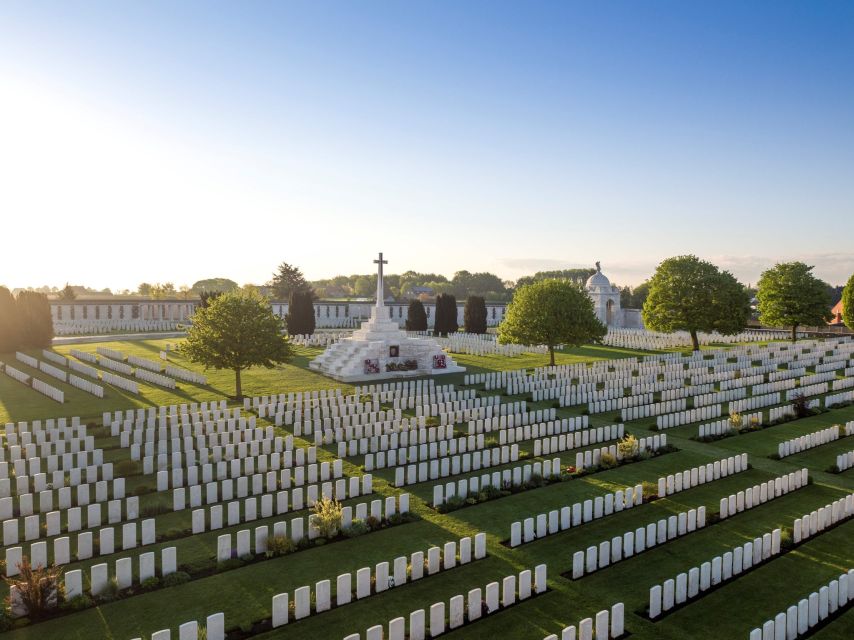
- Tyne Cot is a major stop: This is the largest Commonwealth cemetery in the world, with British, Irish, Australian, and Canadian soldiers buried there.
- The guide makes the difference: Much of the historical explanation takes place on the coach, with guides such as Diederik praised for clear, personal storytelling.
- The tour covers difficult ground: Expect cemeteries, trenches, battlefield sites, and stories of gas attacks and trench warfare.
- Bring comfortable shoes: Several stops involve walking, and the tour is not suitable for wheelchair users or people with limited mobility.
- Budget for your own food: Lunch and dinner are not included, and the available breaks are fairly short.
Why this Flanders Fields tour is worth a full day
The best reason to book this trip is simple: Flanders Fields is difficult to understand on your own in one day. The sites are spread around the Ypres Salient, public transport does not connect them neatly, and the meaning of each cemetery or battlefield is easy to miss without context.
The coach saves you that planning work. More important, the guide links the places together. You hear about the causes of the First World War, the early disasters, the trench system, the gas attacks, and the battles around Ypres before stepping out at the memorials.
That order matters. A cemetery can otherwise become a row of white stones. With the right explanation, you begin to see the human scale of the fighting and understand why one field, hill, or village mattered.
This is not a light sightseeing outing. The subject is war, death, and sacrifice, and much of the day is quiet and solemn. Yet the tour is not dry. The guides use maps, dates, personal stories, and occasional dry humor to keep the long day engaging.
The price is about $91 per person. For that amount, you receive round-trip coach transportation, an English-speaking guide, and entry to In Flanders Fields Museum. Since the route covers several sites that would be awkward to reach independently, I consider the price fair, particularly if this is your only day available for the Ypres area.
You still need to pay for lunch and dinner. The day is long enough that you should carry water and a small snack, even though there are food breaks.
A few more day trips around Belgium worth a look
- From Brussels: Guided Day Trip to Bruges and Ghent
★ 4.6 · 8,353 reviews - From Amsterdam: Bruges Day Trip in English with Boat Option
★ 4.4 · 1,989 reviews - From Amsterdam: Bruges Day Trip in Spanish with Boat Option
★ 4.6 · 1,866 reviews
Meeting at Bargeplein in Bruges
The meeting point is Bargeplein, also called Bargesquare. It is a coach parking area rather than a grand city-center landmark, so give yourself time to find it.
Look for the large red canopy beside the public bathroom. You wait underneath the canopy. This detail matters because the meeting instructions can be confusing, and people have arrived at the wrong place.
The coach ride to the Flanders Fields area takes about an hour. Use that time to settle in and listen. A large share of the background explanation comes while you are on the road, and the guide may begin describing the political events that led to the war before you arrive at the first stop.
The vehicle has been praised for comfort and safe driving. One practical weakness is that the coach acoustics may not be perfect. If you have trouble hearing, sit as close to the guide as possible and speak up early.
The tour is conducted in English. Guide quality is one of its strongest features, with Diederik, Stefan, Johannes, and Derek each receiving warm praise for their command of the subject and their ability to make the day personal.
German cemetery and the first look at the trenches
One of the first stops is a German cemetery. It sets the tone immediately.
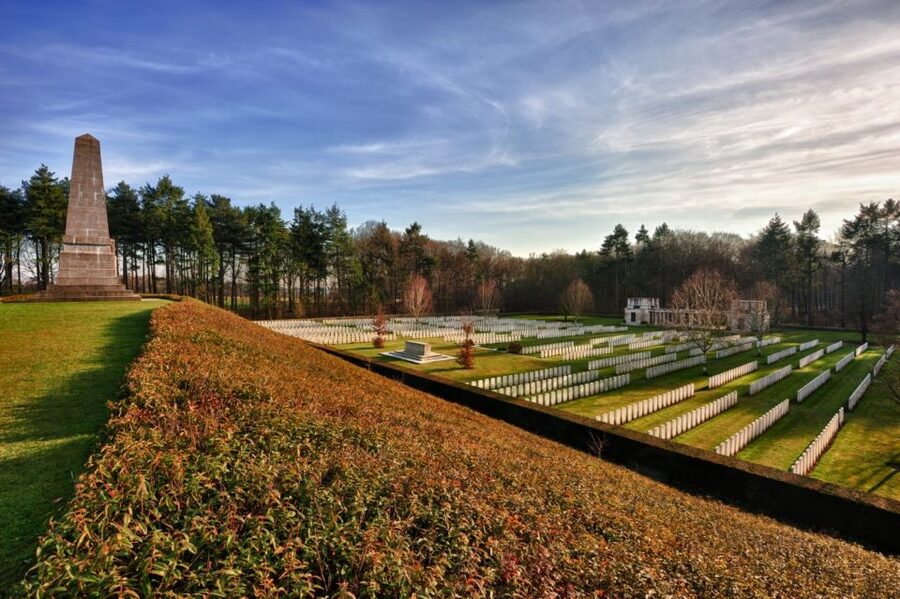
The cemetery is moving partly because it shows the war from another side. Flanders Fields is often associated with British, Commonwealth, and Canadian remembrance, but German graves remind you that the dead came from every army involved.
From there, the tour continues to a section of First World War trenches. These are not simply scenic ruins. They help you picture the cramped defensive system that shaped daily life at the front.
The guide explains how trench warfare developed and why armies could remain locked in place for so long. You begin to understand the distance between the clean lines on a military map and the wet, dangerous ground where soldiers actually lived and fought.
This stop involves walking over uneven ground, so comfortable shoes are essential. The tour is not recommended for people with limited mobility, and wheelchair users cannot take part.
The Brooding Soldier and Hill 60
The Monument of the Brooding Soldier commemorates roughly 2,000 Canadian soldiers who died during the first German gas attack. It is one of the day’s most personal memorials.
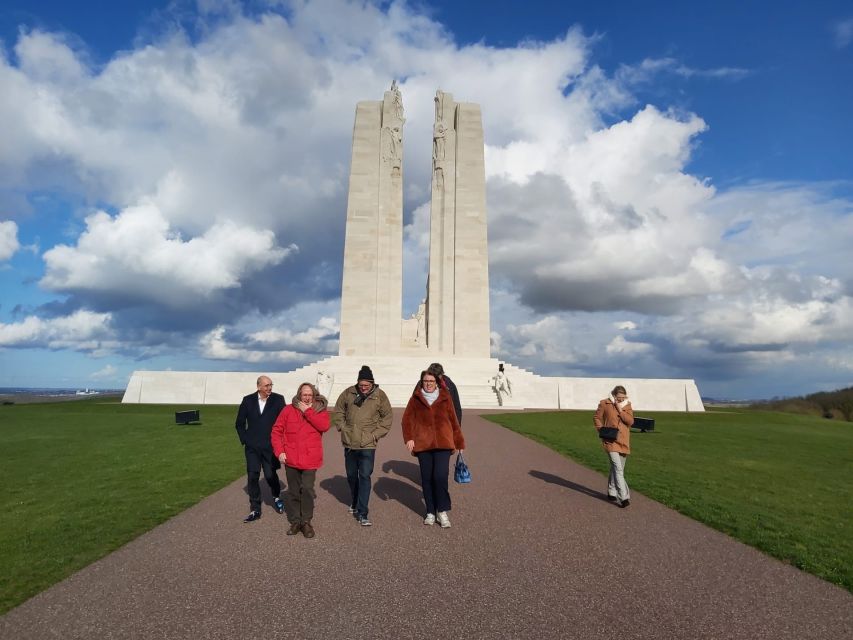
The soldier’s pose gives the monument its power. Rather than showing triumph or battle glory, it suggests grief and reflection. Your guide explains the attack and the Canadian sacrifice, giving the memorial a clear human meaning instead of leaving it as a quick photo stop.
Nearby Hill 60 brings another part of the war into view. German forces held the hill, while tunnelling companies of the Royal Engineers worked underground to mine it. The story shows how warfare extended below the surface as well as across the fields.
I find this pairing effective. The Brooding Soldier focuses on the people caught in the conflict, while Hill 60 explains the strange engineering and brutal tactics used to gain a few metres of ground.
You should not expect long, independent exploration at every stop. The guide keeps the group moving so the full route can fit into one day. That is useful for seeing the major sites, but it means you may have to choose between listening, taking photographs, and reading every sign.
Same base, a completely different day out:
- Luxembourg and Dinant Day Trip from Brussels
★ 4.0 · 1,474 reviews - From Brussels: Bruges Day Trip with Boat Tour Option (ENG)
★ 4.6 · 1,352 reviews - From Brussels: Bruges Day Trip with Boat Tour Option (ES)
★ 4.7 · 1,171 reviews - From Paris: Day Trip to Bruges with Optional Seasonal Cruise
★ 4.4 · 1,034 reviews
Lunch in Ypres, with little time to spare
The group stops in Ypres for a quick lunch. Food is not included in the stated price, though some departures have included a simple ploughman’s lunch.
Treat this as a practical break rather than a long Belgian meal. The schedule is tight, and restaurants can be busy. One useful tip is to order promptly and avoid planning an elaborate sit-down lunch.
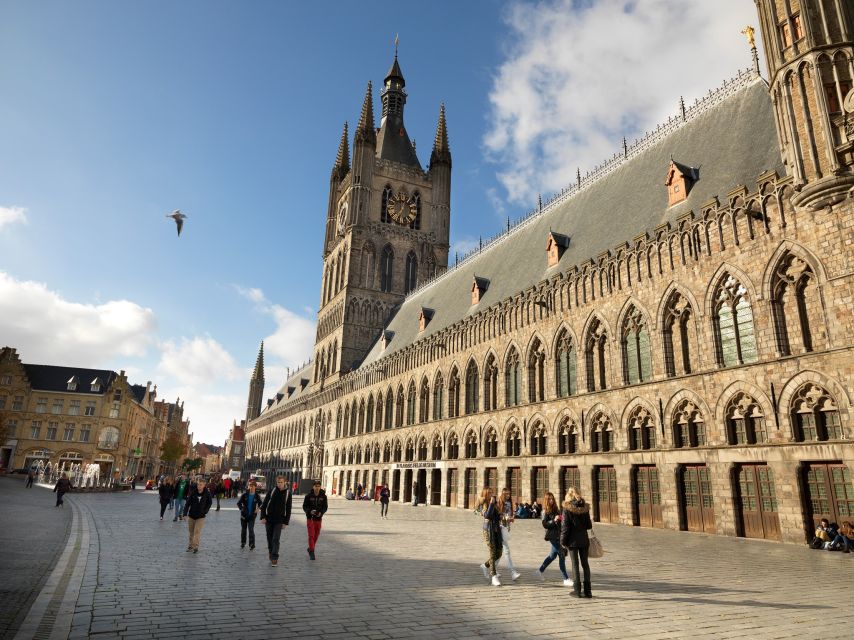
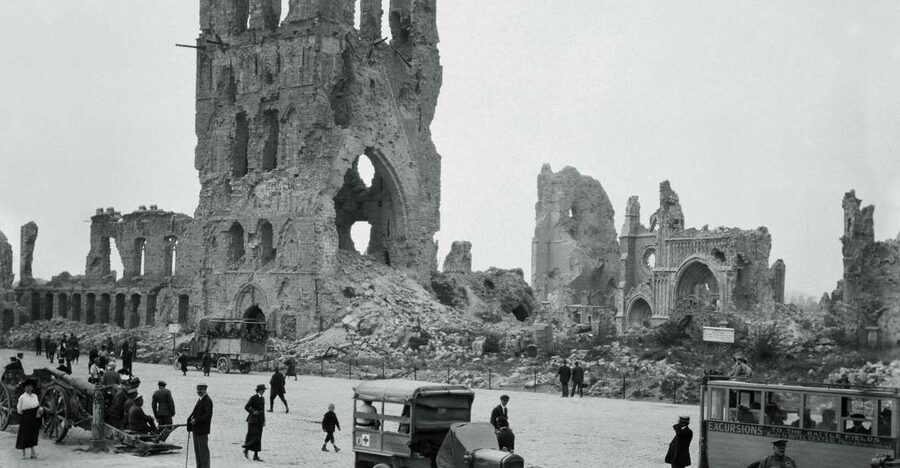
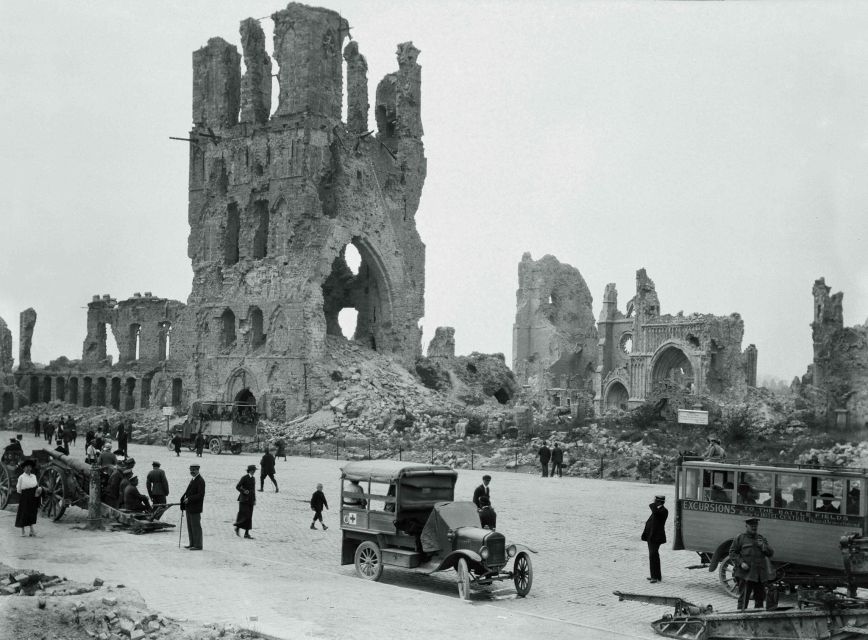
Ypres itself deserves attention. The town was heavily damaged during the war and rebuilt afterward. Its present-day beauty can make the destruction harder to imagine, which is exactly why the guide’s explanation helps.
The city is also where you return later for the Last Post Ceremony. You get a short introduction to Ypres during the day, then see its most important remembrance site after dark.
In Flanders Fields Museum: the day’s main indoor stop
After lunch, you visit In Flanders Fields Museum in Ypres. Entry is included.
The museum gives the day an indoor pause and gathers the wider story in one place. You hear about four years of trench warfare through personal accounts and exhibits, rather than only through troop movements and battle dates.
The usual museum visit lasts about an hour, though the exact time can feel different depending on your interests. For some people, that is enough for a clear overview. If you like to read every panel and study each display, it may feel too short.
I would use the museum time carefully. First, get the broad story. Then focus on the personal accounts and the sections that connect with the sites you have already visited. The museum is more meaningful once you have seen the cemeteries and trenches, because you can place its information in the ground outside.
The museum is also a useful balance to the outdoor stops. The cemeteries are quiet and spare. Here, you get more structured explanation and a chance to think about the war beyond one regiment or one field.
Passchendaele and Tyne Cot Cemetery
The route then reaches Passchendaele, one of the most strongly associated battlefields in the Ypres area. The name carries the weight of the 1917 fighting, but the visit is not only about a battle date.
The guide helps explain how the terrain and conditions shaped the campaign. You are looking at fields and roads today, yet the surrounding memorials and cemetery make clear how much suffering took place here.
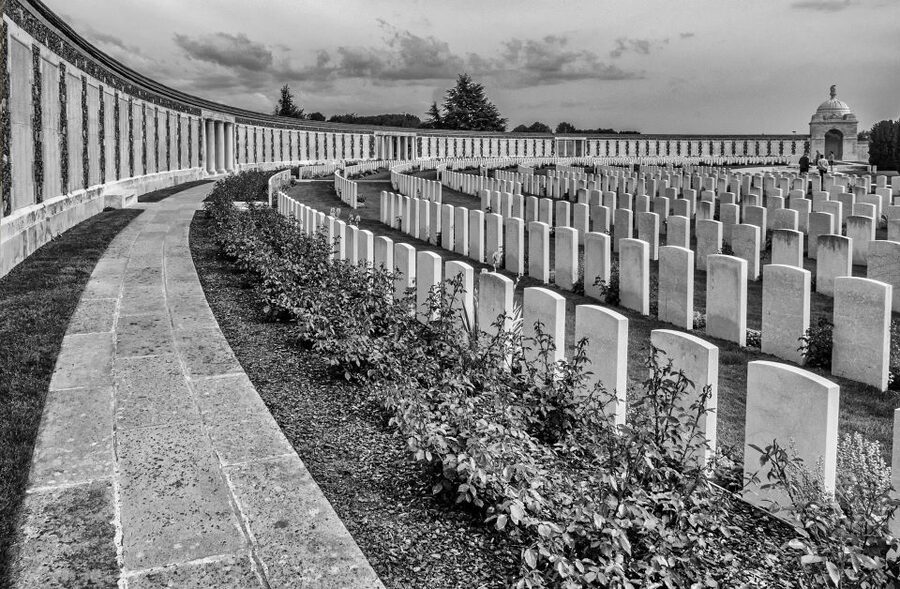
Tyne Cot Cemetery is the major stop. It is the largest Commonwealth cemetery in the world, and the scale is difficult to absorb at first. British, Irish, Australian, and Canadian soldiers are buried here.
This is one place where I would like more time. The tour has to keep to its schedule, and some people will want longer to read names, take in the layout, and reflect. You may need to move at a steady pace rather than wander slowly through every section.
Still, Tyne Cot is one of the strongest reasons to choose this day trip. It brings together the international character of the Commonwealth forces and the sheer size of the losses.
Please remember that a cemetery is a place of remembrance, not merely a historic attraction. Keep your voice low and allow other people space.
Essex Farm and the story behind a famous poem
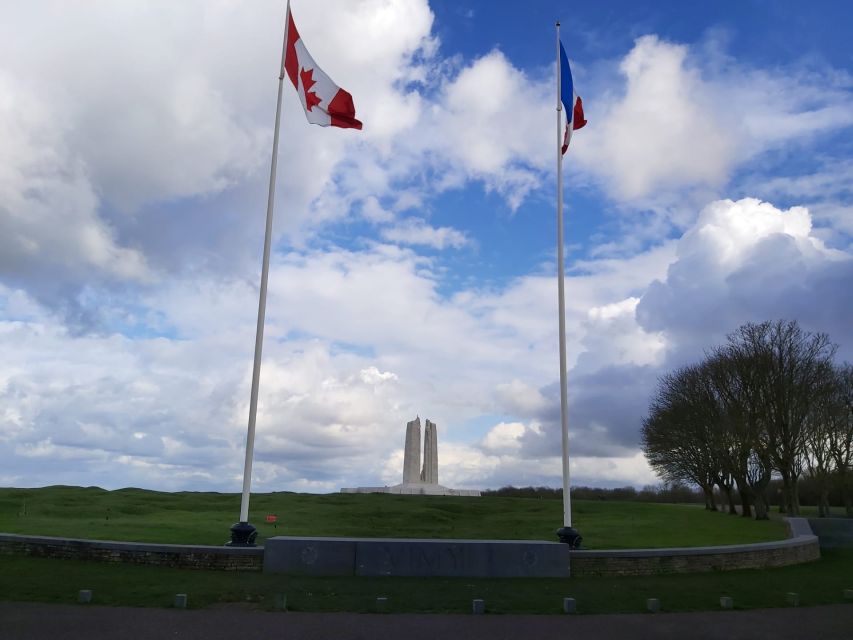
At Essex Farm, the group visits the field hospital where Canadian surgeon Dr. John McCrae wrote In Flanders Fields.
This stop adds a literary and medical side to the war. The poem is familiar to many people, but standing at the hospital site connects its words to the wounded soldiers and medical work of the front.
Essex Farm also helps correct the idea that the battlefield story belongs only to infantrymen and generals. Hospitals, surgeons, nurses, orderlies, and support workers were central to the war, too.
The standard presentation gives strong attention to military events and the soldiers who fought. If you are particularly interested in nurses or the role of women, ask your guide about that part of the story, since it may not receive as much attention as you would hope.
This is another stop where the guide’s personal approach matters. A few clear details about McCrae and the hospital can make the location memorable without requiring a long visit.
Menin Gate and the 8 pm Last Post
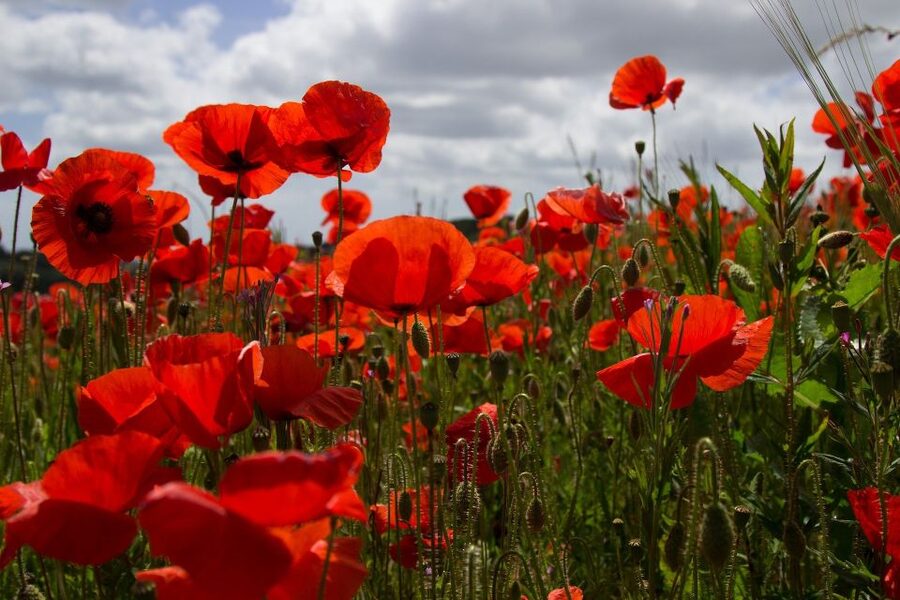
The day ends back in Ypres at Menin Gate for the Last Post Ceremony at 8 pm.
This daily tribute honors Commonwealth soldiers and officers who went missing after the battles. The ceremony is short, formal, and deeply emotional. After a full day of cemeteries and battlefields, it gives the experience a shared closing moment.
The gate itself is an important memorial, but its condition can affect the visit. Restoration work covered Menin Gate until mid-2025, so check the current appearance and arrangements before booking if the structure is especially important to you.
Even with restoration work, the ceremony remains the reason many people choose this particular tour. It is not an optional add-on at another location. The coach is arranged so you can attend the 8 pm event before returning to Bruges.
One past criticism was that the ceremony could feel less moving when the gate was covered in scaffolding or when the visible participants were mainly cadets and civilians. That is a fair expectation to set. The ceremony is respectful and meaningful, but the setting and crowd can vary.
Afterward, the coach returns to Bargeplein. This is a very long day, often around 10 hours, so expect to arrive back in Bruges tired.
Walking, food, and the pace of the day
You should wear comfortable shoes. The tour includes trenches, cemeteries, memorial grounds, and battlefield sites, so this is not a day spent mostly sitting in museums.
The activity is not suitable for wheelchair users or people with mobility impairments. The information provided does not give a precise walking distance, but the number of outdoor stops makes it sensible to assume you will be on your feet repeatedly.
The breaks are functional. Lunch lasts around 45 minutes, and there may be only a quick snack later before the ceremony. You may not have enough time for a full meal at every break, especially if restaurants are busy.
Bring:
- Comfortable walking shoes
- Water
- A small snack
- Weather-appropriate clothing
- A phone or camera, used respectfully at cemeteries and ceremonies
The schedule can also be affected if the minimum number of participants is not reached. The tour may be canceled in that situation. You can cancel up to 24 hours ahead for a full refund, and the reserve-now, pay-later option keeps your plans flexible.
Who will get the most from this tour?
I recommend it most strongly to you if you have a serious interest in the First World War, family military history, remembrance, or the development of modern Europe.
It also works well if you have only one day from Bruges. You can see sites that would be very hard to combine by public transport and gain a connected explanation instead of collecting isolated photographs.
Teenagers with an interest in history can enjoy it, too. The day is educational without being a school lecture, though the subject matter is solemn and the schedule is demanding.
I would think twice if you want a relaxed countryside outing, long meals, or lots of free time at each stop. The tour covers many places, and that efficiency comes at the cost of lingering.
The guide is the biggest variable in the experience, but the feedback about Diederik, Stefan, Johannes, and Derek is consistently strong. They explain dates and military movements, but also bring in personal stories and the contributions of particular nationalities.
Should you book the Flanders Fields day trip?
Book it if you want the widest possible introduction to Ypres and the surrounding battlefields in one day. The combination of coach transport, expert explanation, In Flanders Fields Museum, Tyne Cot, Essex Farm, and the Last Post Ceremony gives you far more context than a short visit to Ypres alone.
Go in prepared for a long, serious day. Bring food for the gaps, wear proper shoes, and accept that some stops will feel brief. If you prefer a slower visit with more museum time and fewer cemeteries, seek a shorter or more focused tour.
For most first-time visitors with limited time, the $91 price is reasonable. You are paying not just for the bus, but for a route that would be difficult to arrange independently and for the historical thread that ties the sites together. It is a sober experience, but a memorable one.
FAQ
Where does the Flanders Fields tour depart from in Bruges?
The meeting point is Bargeplein, also called Bargesquare. Wait underneath the large red canopy beside the public bathroom.
How long does the tour last?
The tour lasts about 10 hours. Starting times vary, so check availability when booking. One departure has started around 11 am.
Is transportation included?
Yes. Round-trip transportation by bus or coach is included.
Is lunch included?
No. Lunch is not included in the stated price. The tour provides a lunch break, but you should pay for your own meal. Dinner is also not included.
Is admission to In Flanders Fields Museum included?
Yes. Entry to In Flanders Fields Museum is included.
Is the tour conducted in English?
Yes. The tour has a live English-speaking guide.
Can wheelchair users join the tour?
No. The tour is not suitable for wheelchair users or people with limited mobility.
Can I attend the Last Post Ceremony on this tour?
Yes. The tour includes the Last Post Ceremony at Menin Gate at 8 pm, a daily tribute to Commonwealth soldiers and officers missing after battle.
Just added around Belgium
- From Brussels: Flanders Fields Remembrance Full-Day Trip★ 4.4 · 65 reviews
- From Paris: Day Trip to the Enchanting Brussels and Bruges★ 4.2 · 323 reviews
- From Brussels: Day Trip to Ghent with Atomium★ 4.7 · 192 reviews
- From Brussels: Day Trip to Ghent with Atomium in English★ 4.5 · 88 reviews
- From Brussels: Bruges Full-Day Trip by Train★ 4.5 · 232 reviews
- From Brussels: Bruges and Ghent Full-Day Trip by Train★ 4.3 · 103 reviews
- From Amsterdam: Day Trip to the Charming Brussels and Bruges★ 4.6 · 264 reviews
- From Amsterdam: Day Trip to Bruges in Spanish or English★ 4.6 · 357 reviews
Belgium Day Trips, compared.
From Brussels: Guided Day Trip to Bruges and Ghent
Read our review →
From Amsterdam: Bruges Day Trip in English with Boat Option
Read our review →
From Amsterdam: Bruges Day Trip in Spanish with Boat Option
Read our review →
From Brussels: Bruges Day Trip with Boat Tour Option (ENG)
Read our review →
From Brussels: Bruges Day Trip with Boat Tour Option (ES)
Read our review →
From Paris: Day Trip to Bruges with Optional Seasonal Cruise
Read our review →
Browse the lists this tour appears in