
Review · THE USA
From Fairbanks: Arctic Circle Northern Lights Full-Day Trip
The best part of this Arctic Circle tour from Fairbanks is the sheer range packed into one long day: a pipeline built across Alaska, the Yukon River, Finger Mountain, the Arctic Circle sign, and a night spent watching the sky for green light. Guides such as Paul, Ash, Elijah, and Colleen add stories, humor, safe driving, and often take photos for you.
I like the real sense of distance here. You do not simply pose at a roadside marker and turn back. You travel far up the Dalton Highway and see what northern Alaska feels like. I also like the fresh sandwiches, sweets, hot drinks, and included certificates, small comforts on a cold road. The drawback is plain: this is a very long, rough, sometimes freezing ride, and the aurora cannot be guaranteed.
Key points to know before booking
- The Arctic Circle is only one stop: You also see the Trans-Alaska Pipeline, Yukon River, Finger Mountain, and remote northern roads.
- The return drive is the aurora hunt: Stops are made when skies look promising, but clouds, rain, fog, and snow can hide the lights.
- Guides make a major difference: Paul, Ash, Ryan, Colleen, Elijah, and others are praised for stories, humor, photography, and careful driving.
- Expect a rough Dalton Highway ride: Gravel, potholes, snow, ice, and road noise are part of the outing.
- Food is included: Sandwiches, sweets, water, and hot drinks help during the long hours between Fairbanks and the Arctic Circle.
- This suits hardy adults and older children: Children under five cannot join, and winter outings demand serious cold-weather clothing.
What this 14-hour Arctic Circle trip is really like
This is not a quick sightseeing outing. You are picked up from a major Fairbanks hotel around 1 PM, drive north for much of the afternoon and evening, reach the Arctic Circle, and return to town around 3 AM. Some departures have run closer to 15 or 16 hours, especially when the guide stops for strong aurora displays.
That timing gives you two different experiences in one. During the first half, you can see the road, trees, rivers, pipeline, and open country. On the way back, darkness takes over and the focus shifts to the sky. In winter, much of the scenery is hidden by night, but that is also when your chance of seeing the aurora is strongest.
The tour costs $320 per person. That is a serious price, but the value depends on what you want from your Fairbanks visit. A guide handles the long drive, remote route, stops, food, certificates, and aurora search. You also avoid arranging a rental car for a demanding northern road. If you want a relaxed half-day with plenty of time at each stop, this is not good value. If you want to reach the Arctic Circle and make a serious attempt at seeing the lights in one outing, the price is easier to justify.
More glacier and Northern Lights day trips around the USA:
- Juneau: Whale Watching and Mendenhall Glacier Day Trip
★ 4.7 · 115 reviews - Reykjavík: South Coast Waterfalls, Black Sand & Glacier Tour
★ 4.8 · 11,030 reviews - Tromsø: Reindeer Sled, Dinner, and Chance of Northern Lights
★ 4.6 · 2,651 reviews
Leaving Fairbanks for the Dalton Highway
Pickup is provided at major hotels within Fairbanks city limits. It is not available from Airbnb properties or private homes, so you need to arrange your own way to an eligible hotel if you are staying elsewhere.
The drive follows the Dalton Highway, a rugged route with gravel, potholes, snow, ice, and uneven sections. Guides such as Jake, Ryan, Paul, and Ash have been praised for handling these conditions with care, but the ride can still feel like a slow roller coaster. Seat cushioning and vehicle condition have not always been perfect, and some passengers have reported cold interiors, frosted windows, or squeaks that made it hard to hear commentary.
Dress for the stop, not just the van. In the colder months, a warm base layer, insulated pants, thick boots, gloves, hat, and face covering are sensible. One winter participant reported being cold despite wearing several layers and hand warmers. That is a useful warning, not an exaggeration. You may be outside for photos, aurora viewing, or a short walk near a riverbank, and the Arctic cold quickly finds any gap in your clothing.
The guides help keep the hours moving. Paul is praised for humor, extra snacks, cultural items, and stories. Ash is often described as lively and well informed about Alaska’s past and wilderness. Ryan has provided steady commentary throughout the drive, while Colleen and Elijah have been praised for calm driving and friendly help. Your guide will vary, but the role is more than driving. The guide explains what you are seeing, watches the road, helps with photos, and judges when another aurora stop is worth the delay.
The Trans-Alaska Pipeline explained beside the road
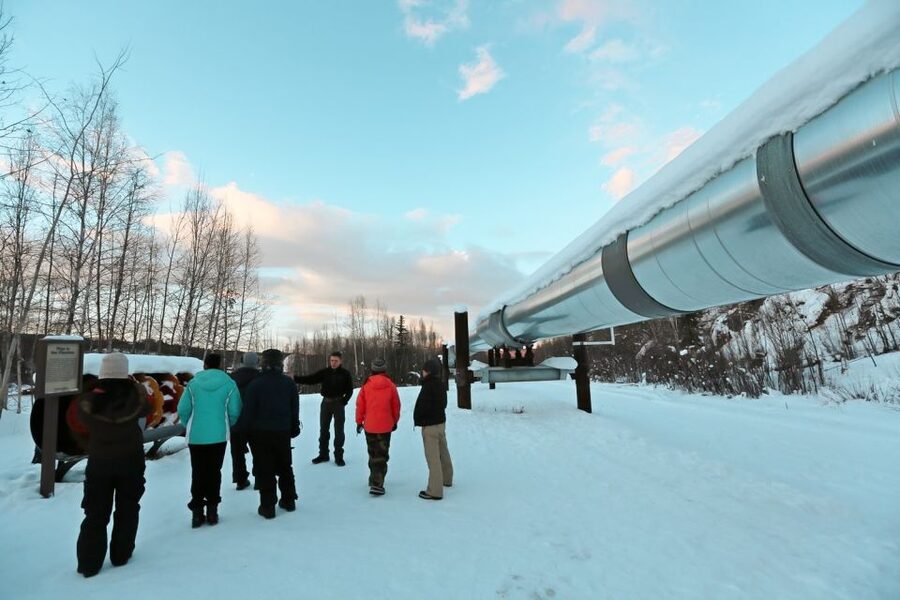
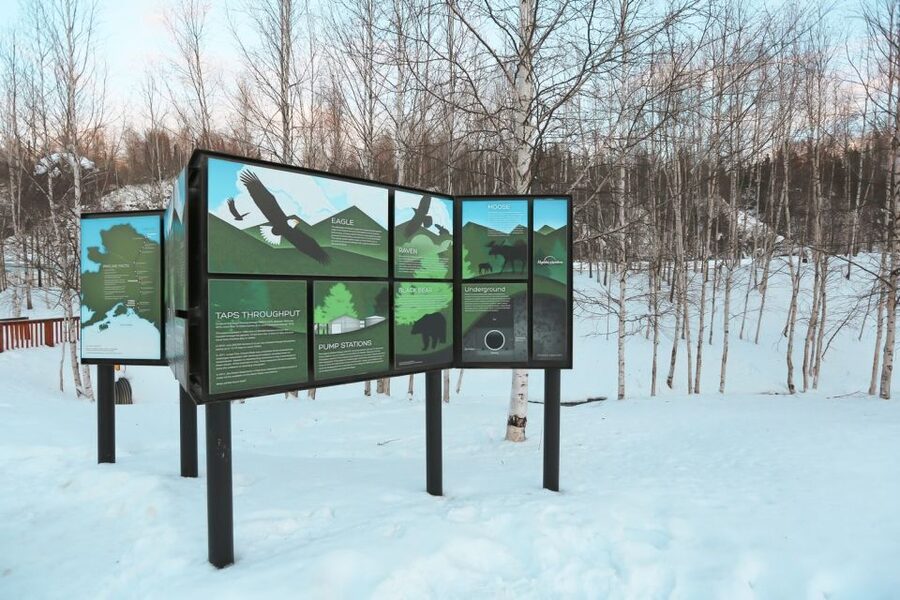
The pipeline stop can look modest at first. It is simply a large structure beside a long northern road. Its importance becomes clearer when you understand the scale: the Trans-Alaska Pipeline runs about 800 miles, or 1,287 kilometers, from the North Slope to Valdez.
Your guide explains how it was designed and built across difficult ground. This is a useful stop because it connects Alaska’s natural resources with engineering, transport, jobs, and environmental questions. You get to look at the structure and consider its effect on the country around it, rather than treating it as a passing curiosity.
This is also a good example of why the guide matters. A pipe can be visually dull if nobody explains its purpose. With a strong guide, it becomes a window into how modern Alaska works and why this remote road exists in the first place.
The Yukon River stop and a welcome meal
At the Yukon River, you walk toward the riverbank and look across one of the major waterways of the North. The stop gives you room to get out, stretch, take pictures, and feel the scale of the country around you.
The food break is practical rather than fancy. You receive sandwiches, sweets, water, and hot drinks. Several people have singled out the sandwiches as fresh and especially good, which matters when the next stretch includes hours on a rough road. Some departures also allow time near a base camp or stop where you can buy additional snacks, drinks, or souvenirs, though you should not count on every facility being open during the late return.
Restroom timing matters on this outing. Stops are arranged along the way, but on the return trip many places are closed. You may need to use an outdoor facility in the cold. Plan ahead, and do not wait until you are desperate.
A few more day trips around the USA worth a look
- NYC: Empire State Building Tickets – Observatory & Museum
★ 4.7 · 25,757 reviews - Small Group Yosemite and Giant Sequoias Day Trip from San Francisco
★ 5.0 · 3,671 reviews - From NYC: Guided Day Trip to Washington DC by Van or Bus
★ 4.7 · 3,418 reviews - Boston to Martha’s Vineyard Day Trip with Optional Island Tour
★ 4.5 · 3,162 reviews
Finger Mountain and the Arctic Circle marker
Finger Mountain is a high plateau and another chance to stop in the open air. The area can offer views across broad northern country, and you might see moose, foxes, bears, or even a lynx. Wildlife is never promised. Several outings have produced no animals, so treat this as a possibility rather than a feature you paid to receive.
The main goal is the Arctic Circle at 66.5622 degrees north. You can take pictures by the marker and receive a certificate confirming that you crossed the line. It is a simple souvenir, but it gives the journey a clear purpose. You have not only driven north into a colder zone. You have crossed a geographic boundary that has drawn explorers for centuries.
One small detail: names on the certificates may be written by hand. If you expect a polished, preprinted keepsake, adjust your expectations. The value is in having made the trip, not in the paper itself.
In winter, you may reach the Arctic Circle around 10 PM, long after daylight has gone. That can make the marker feel less like a daytime sightseeing stop and more like a remote night out in the cold. In summer and early autumn, you have a better chance of seeing the route and surrounding country, but the aurora may not be part of the experience in the same way.
Hunting for the Northern Lights on the way back
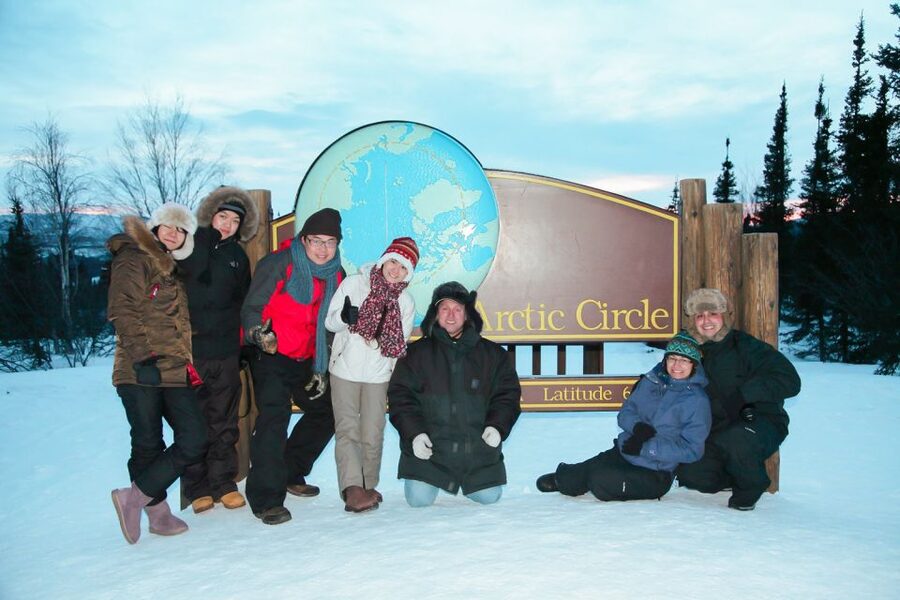
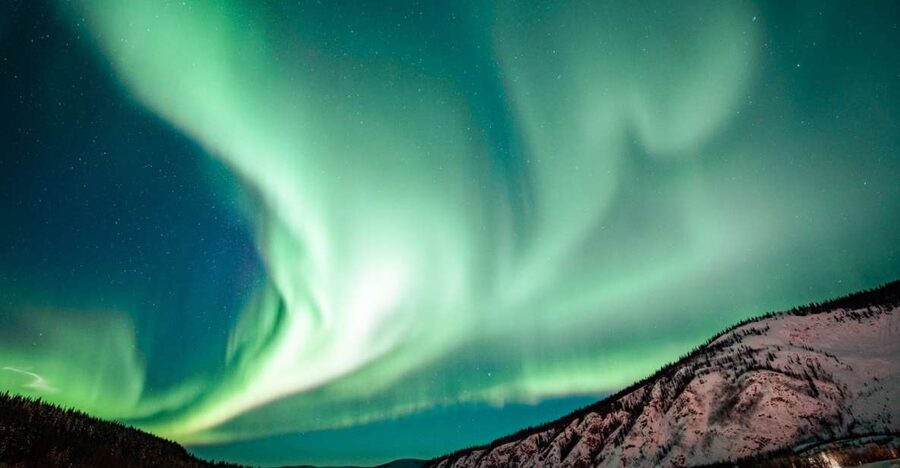
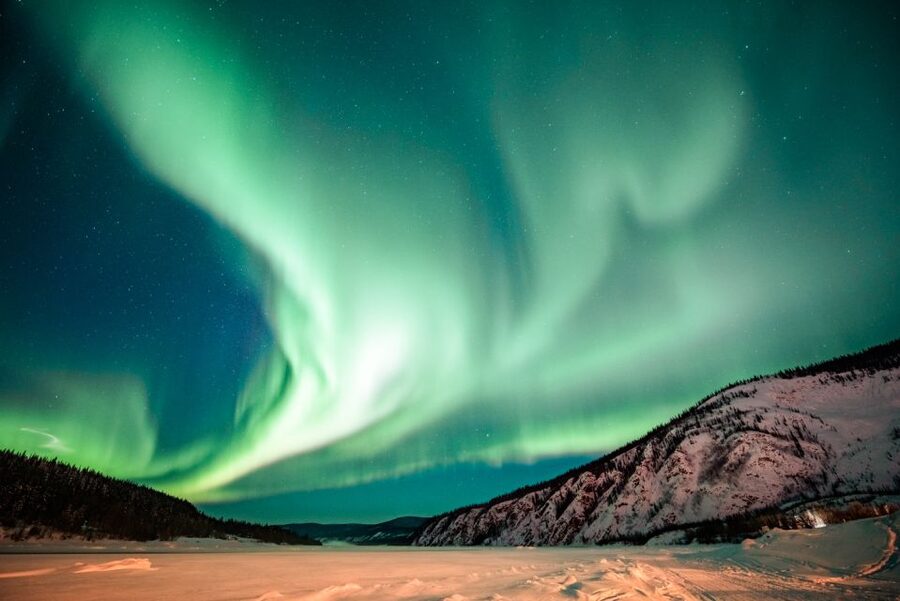
The aurora search begins in earnest on the return drive. Your guide watches the sky and weather, then may stop at more than one location when conditions look promising. Some outings have included two stops, while especially successful nights have allowed 90 minutes or more for photos.
This is where a good guide earns the fee. The driver cannot control the aurora, but can choose when to pause, explain what you are seeing, and help you make the most of a brief opening in the clouds. Guides have also taken group photos and individual pictures, which is helpful when you are trying to manage a phone or camera in heavy gloves.
The lights are caused by charged particles colliding with atoms high in the atmosphere. They may appear as a faint glow, a bright arc, or a stronger display that changes shape across the sky. You might see them clearly with the naked eye, or only catch a pale glow through cloud. Cameras can record color that looks stronger than what your eyes see.
There is no guarantee. Rain, fog, cloud, snow, and weak activity can spoil the view. Several outings returned without a sighting, even when the guide searched hard. One cloudy trip still managed to produce photographs of faint lights behind the clouds, but you should not expect that result every time. There is no refund if the aurora does not appear.
The strongest aurora experiences have included sightings at the Arctic Circle itself and multiple stops farther south. That can turn the return journey into the highlight of the whole day. It can also extend the schedule, so tell anyone waiting for you in Fairbanks that your arrival may be later than the advertised 3 AM estimate.
Comfort, safety, and the cost of the long ride
Safety is one of the tour’s strongest points. Guides are responsible for a difficult route, freezing conditions, darkness, and long hours behind the wheel. Paul, Ash, Elijah, Ryan, Jake, and others have received strong praise for steady driving and for making passengers feel looked after.
Comfort is more mixed. The van is functional, but some passengers have found it old, cold, noisy, or short on seat support. Road vibration can make sleeping difficult. The vehicle may be fine for the purpose, but do not picture a luxury coach. Bring water, spare warm layers, and anything small that helps you stay comfortable without creating clutter.
The trip is not suitable for children under five. I would also think carefully before booking it for anyone who dislikes rough roads, cold air, late nights, or long periods sitting in a vehicle. On the other hand, it works well for adults, families with older children, photographers, and first-time Alaska visitors who want one ambitious day rather than several separate excursions.
Free cancellation is available up to 24 hours before departure, and you can reserve now and pay later. Bring a passport or ID card as requested. The tour is conducted in English.
The best time to take this tour
Winter offers the best setting for an aurora-focused outing, with long darkness and frequent chances to see the sky. It also brings the most severe cold, icy roads, and the greatest need for proper clothing. If the lights are your main goal, accept that the weather may still win.
From late spring through summer, much more of the road and scenery is visible, but the bright sky can make aurora viewing difficult or impossible. September and October offer a useful middle ground, with darker nights returning and less severe cold than midwinter, though rain and cloud remain possible.
If you care most about the Arctic Circle, pipeline, Yukon River, and northern scenery, choose a period with more daylight. If you care most about the aurora, choose a darker season and build flexibility into your schedule.
Who should book this Arctic Circle outing?
Book it if you want a big northern Alaska day and understand that the road is part of the experience. You will see more than a sign, and the guide’s stories turn the long drive into an education in Alaska’s roads, energy industry, rivers, wilderness, and weather.
Book it if you would rather let someone else handle the Dalton Highway. That alone can make the $320 worthwhile. You also receive food, drinks, certificates, hotel pickup, and an organized search for the aurora.
Skip it if you need comfort, short transfers, or guaranteed lights. A clearer choice may be a shorter aurora outing from Fairbanks, but it will not give you the Arctic Circle crossing and Yukon River in the same day.
Should you book it?
I would book this tour for a first Fairbanks visit when time is limited and the Arctic Circle is on your must-see list. The combination of remote road, pipeline, Yukon River, Arctic Circle certificate, and possible aurora is hard to match in one organized outing.
Go in with sensible expectations. The van may be cold, the road may jolt you, the schedule may run long, and the sky may stay dark for reasons unrelated to the aurora. With warm clothing and patience, the journey can feel like the real Alaska experience, not just a checklist of stops.
FAQ
How long is the Arctic Circle tour from Fairbanks?
The advertised duration is 14 hours, with pickup around 1 PM and return to Fairbanks around 3 AM. Some outings can last 15 or 16 hours if extra aurora stops are made.
Is hotel pickup included?
Yes. Pickup and drop-off are provided at major hotels within Fairbanks city limits. Pickup is not available from Airbnb properties or private residences.
Is the Northern Lights display guaranteed?
No. The aurora is a natural event and cannot be guaranteed. There is no refund if the lights are not visible.
What food and drinks are included?
The tour includes sandwiches, sweets, water, and hot drinks. Some stops may also offer a chance to buy more food, drinks, or souvenirs, depending on opening hours.
Can children join the tour?
Children under five are not permitted. The information provided does not specify a maximum age or other child restrictions.
What should I bring?
Bring a passport or ID card and dress for severe cold, especially in winter. Warm layers, insulated footwear, gloves, and a hat are important because you will spend time outside during stops and aurora viewing.
Just added around the USA
- Rogue River Hellgate Canyon AM Half-Day Trip★ 5.0 · 42 reviews
- Jackson: Grand Teton and National Elk Refuge Winter Day Trip★ 4.8 · 140 reviews
- From NYC: Hamptons, Sag Harbor, and Outlet Shopping Day Trip★ 4.5 · 141 reviews
- From DC: Gettysburg National Military Park Full-Day Trip★ 4.9 · 34 reviews
- Sedona/Flagstaff: Grand Canyon Day Trip and Sunset★ 4.9 · 214 reviews
- Seattle: Snoqualmie Falls and Leavenworth Day Trip★ 4.3 · 23 reviews
- From Phoenix: Sedona, Jerome & Montezuma Castle Day Trip★ 4.9 · 33 reviews
- Austin to San Antonio Day Trip: Alamo Tour & Boat Cruise★ 4.9 · 87 reviews
Glacier & Northern Lights Day Trips, compared.
Reykjavík: South Coast Waterfalls, Black Sand & Glacier Tour
Read our review →
Tromsø: Reindeer Sled, Dinner, and Chance of Northern Lights
Read our review →
Golden Circle and Glacier Snowmobiling Day Trip from Reykjavik
Read our review →
From Reykjavik: Glacier Hike, South Coast and Waterfalls Day Trip
Read our review →
Full-Day Trip to Riviera Col du Pillon & Glacier 3000
Read our review →
From Reykjavík: Waterfalls, Black Beach & Glacier Day Trip
Read our review →
From Banff: Athabasca Glacier and Columbia Icefield Day Trip
Read our review →
Juneau: Whale Watching and Mendenhall Glacier Day Trip
Read our review →Browse the lists this tour appears in