
Review · KRAKOW
From Krakow: Auschwitz-Birkenau Camp Complex Guided Day Trip
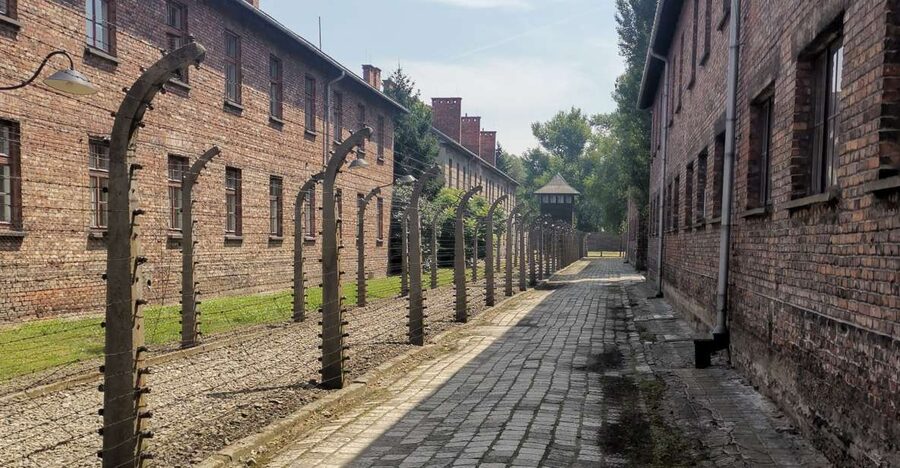
Auschwitz and Birkenau are not ordinary sightseeing stops. You come here to face the evidence of a system built around imprisonment, forced labor, and mass murder. The personal belongings in the prisoner blocks, including shoes, suitcases, glasses, photographs, and documents, make the scale of the Holocaust painfully human.
I like the Italian-speaking guide and the fact that transport, entry, and on-site assistance are bundled together. I also like the careful pickup system: you receive a photo of the vehicle the day before, and the driver contacts the group on the morning of departure.
The main drawback is the length and emotional weight of the day. You will spend about seven hours away from Krakow, with no food or drinks included, and much of the visit takes place outdoors. An early departure may be tiring, but it can help you enter the first camp before long lines form.
Key points to know before booking
- Two former camp sites in one day: Visit Auschwitz I and Birkenau, which served different purposes within the Nazi camp system.
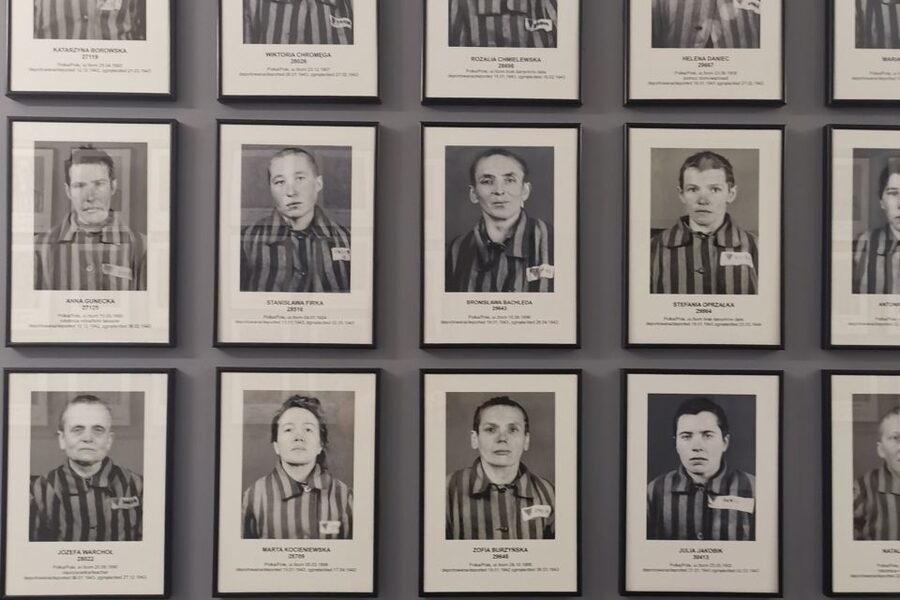
- Personal belongings tell the story: See shoes, suitcases, glasses, photographs, and documents left behind by prisoners.
- Italian guidance throughout: A live Italian-speaking guide leads the visit, with an Italian audio guide listed as an option.
- Early pickup can save time: A 6:00 a.m. departure is available, and one recent departure entered Auschwitz first without a queue.
- Private transport from Krakow: The roughly 45-kilometer journey is handled by vehicle, with pickup included.
- Bring only what you need: Large bags, oversize luggage, pets, smoking, flash photography, alcohol, and drugs are not allowed.
Why this visit matters more than a normal day trip
Auschwitz and Birkenau are difficult places, but that is precisely why a guided visit can matter. You are not simply walking through old buildings. You are moving through sites that shaped how the modern world understands genocide, state violence, racism, and the dangers of unchecked power.
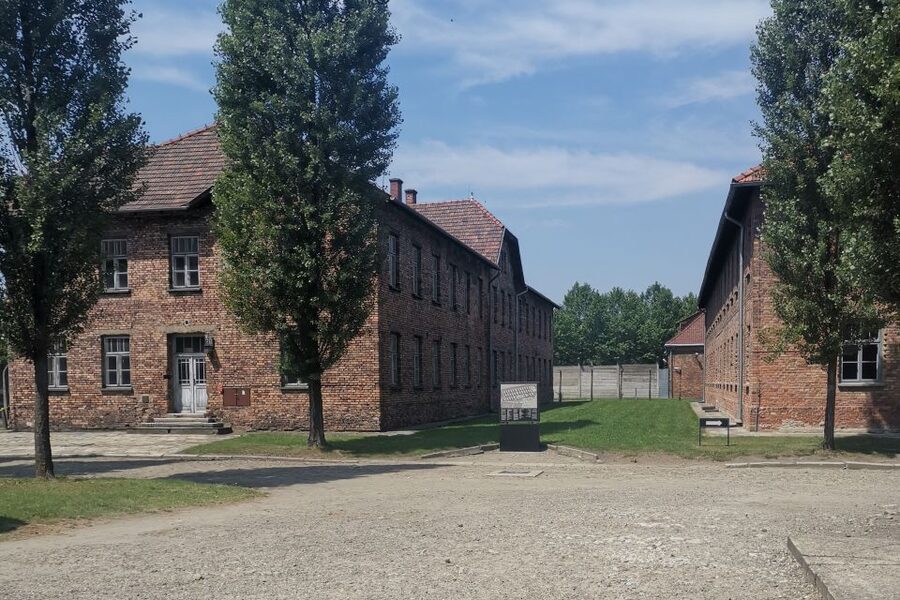
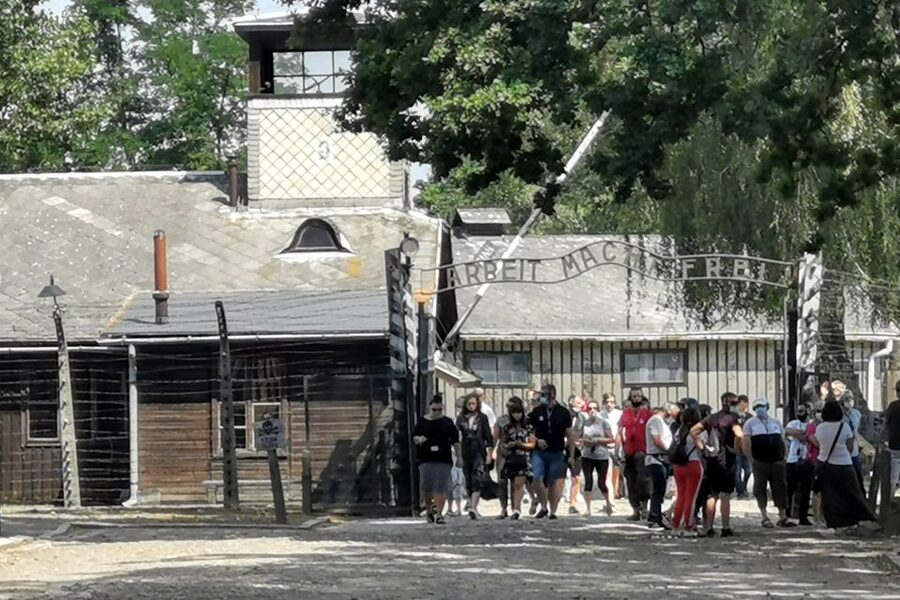
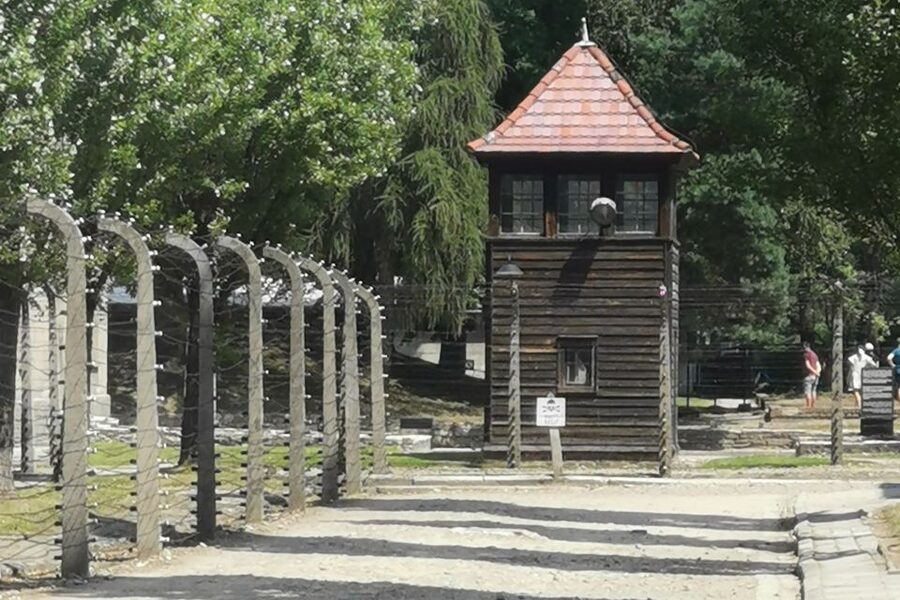
The tour begins with the former main camp at Auschwitz. This section was first used as barracks for the Polish military before becoming part of the Nazi camp system. At the entrance, you see the infamous gate carrying Arbeit macht frei. The words are a cruel distortion, and seeing them in place sets the tone for the rest of the visit.
The guide helps explain how the camp was organized and what role it played. That context is important because the buildings alone cannot tell you why the camp existed or how it functioned. You need the timeline, the purpose of the blocks, and the human stories connected to them.
I recommend treating the first part of the day as a lesson in evidence. The belongings and documents are not abstract symbols. They are the remains of ordinary lives interrupted without warning.
A few more day trips around Poland worth a look
- Krakow: Auschwitz-Birkenau Day Trip with Tour Leader
★ 4.3 · 5,452 reviews - Day Trip: Auschwitz-Birkenau and Wieliczka Salt Mine from Krakow
★ 4.5 · 4,282 reviews - Krakow: Zakopane, Funicular, Cheese, and Highland Day Trip
★ 4.7 · 1,489 reviews
Inside Auschwitz I, where personal items carry the weight
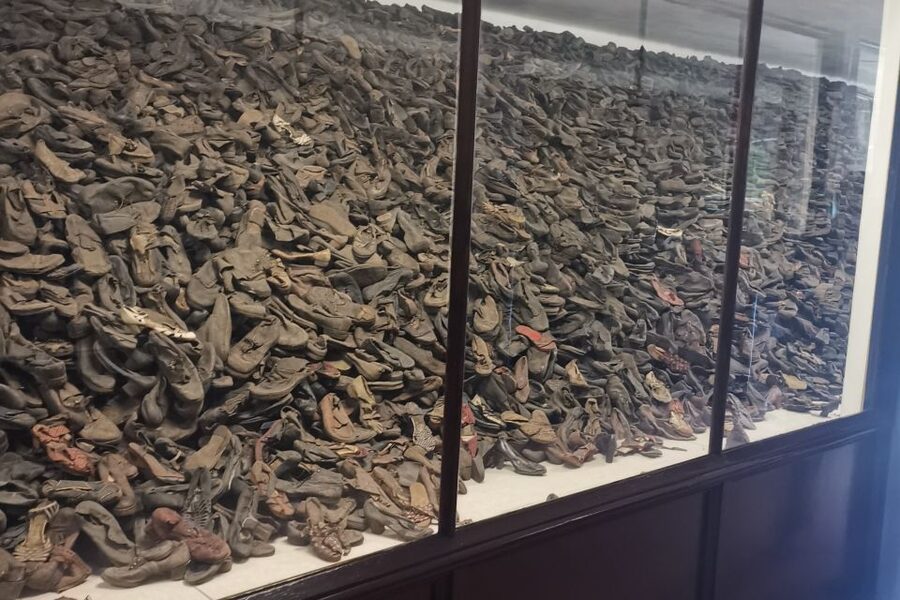
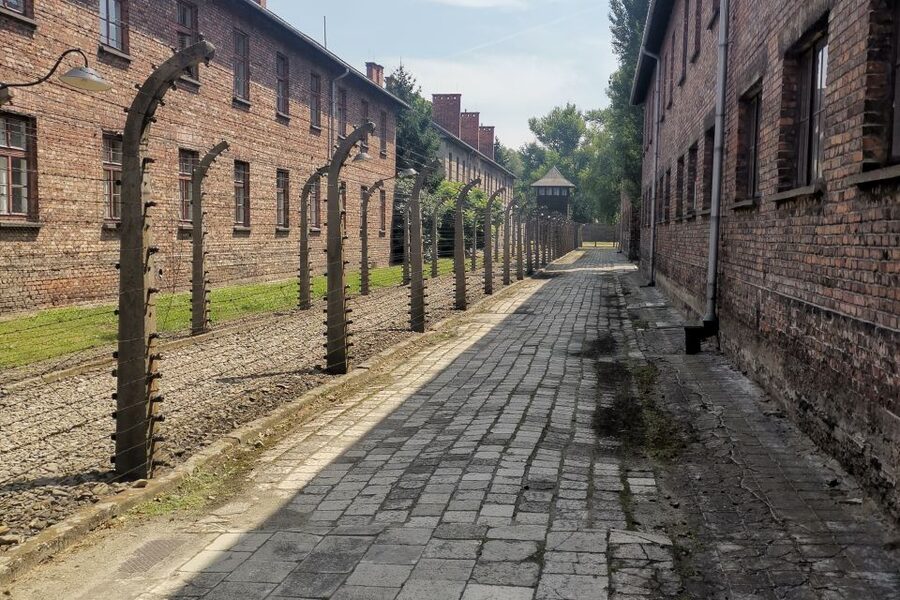
The prisoner blocks now contain displays connected with life in the camps. You may see photographs, paperwork, shoes, suitcases, glasses, and other objects that people carried when they arrived.
This is one of the most powerful parts of the visit because the objects are familiar. A suitcase suggests a person expecting to travel. A pair of glasses points to someone who needed them to see. Shoes tell you that these were families and individuals, not a faceless crowd in a textbook.
You should expect the displays to be emotionally demanding. The items are shown as historical evidence, not as entertainment, and you will need time to take them in. The guide’s job is to give meaning to what you are seeing without turning the visit into a rushed list of facts.
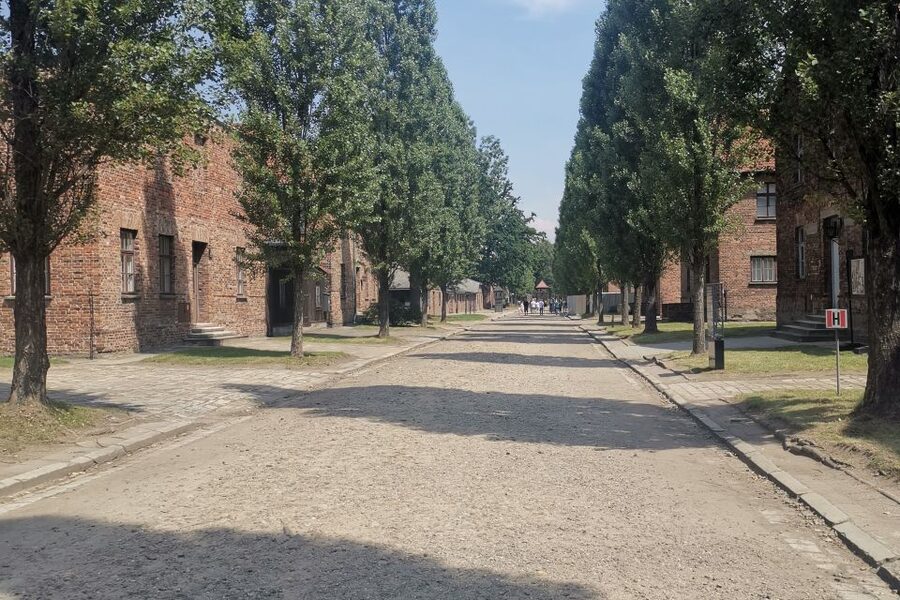
The former barracks also help you understand the physical setting. You are not viewing a museum detached from the place where events happened. The rooms and blocks are part of the former camp complex, which gives the displays a stark immediacy.
Photography is restricted in practical ways. Flash photography is not allowed, so bring a camera only if you can use it respectfully and follow instructions on site. For many people, the most useful record of this part of the day is what they remember rather than what they photograph.
Birkenau and the scale of the killing system
After Auschwitz, the vehicle travels a short distance to Birkenau. The two sites are connected, but they do not feel identical.
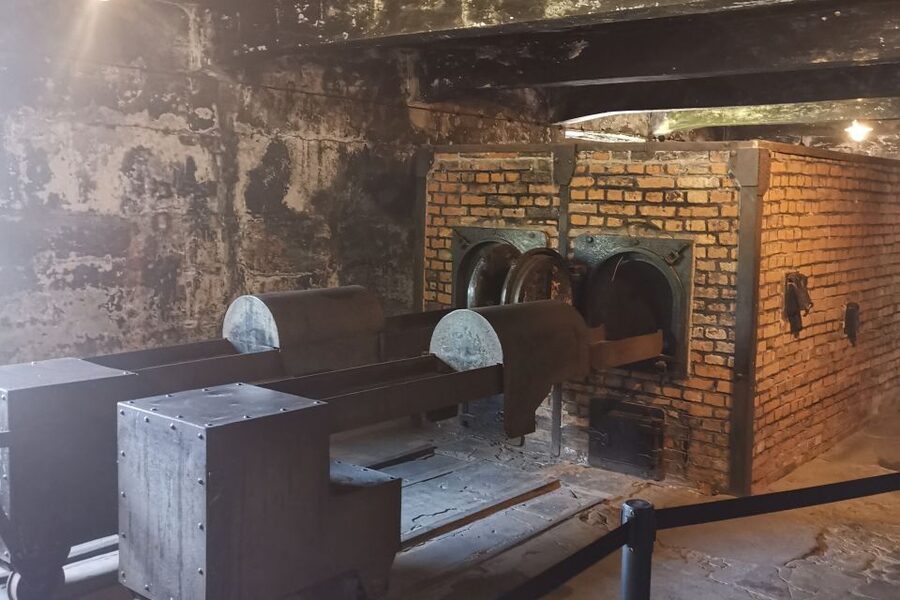
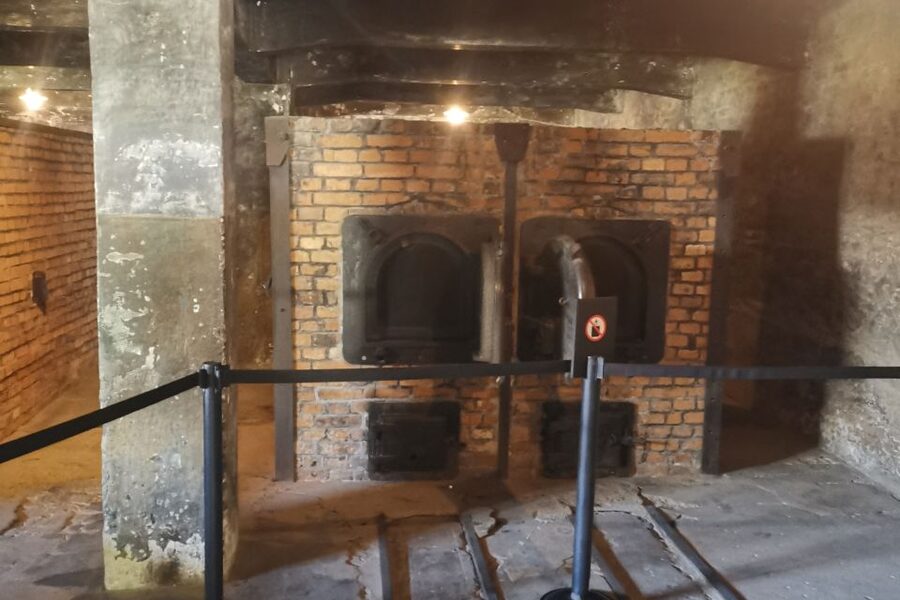
Birkenau is much more open in character, with memorial areas, the remains of gas chambers and crematoria, and a powerful sense of scale. The size of the site helps show how the camp system operated on an industrial level. At Auschwitz I, the barracks and indoor displays draw your attention to individual lives. At Birkenau, the physical expanse makes you think about the number of people affected.
Your guide explains the different purposes of the two camps and how they fit together. That distinction is worth paying attention to. Without it, the visit can become a blur of buildings and dates. With it, you gain a clearer picture of how prisoners were transported, confined, exploited, and killed.
The memorial areas are important stopping points. You will have time to reflect rather than simply moving from one site to the next. That quiet time can be uncomfortable, but it is part of the point. This is not a place where every moment needs commentary.
The weather can change your experience. One February visit took place on a cold, unsettled day, which made the exposed conditions feel especially harsh. You should not rely on that effect, though. Bring comfortable shoes and dress for the forecast, since parts of the visit involve walking outside.
What the Monowitz reference means for your day
The experience highlights insight into daily survival at Monowitz, one of the camps connected with the wider Auschwitz system. At the same time, the described route specifically takes you to Auschwitz I and Birkenau.
That means you should understand Monowitz as part of the historical explanation rather than assume it is a separate stop on the route. Your guide may use the wider camp system to explain forced labor and the day-to-day conditions prisoners faced, but the confirmed places described for the visit are Auschwitz and Birkenau.
This is useful context because Auschwitz was not a single-purpose site. The complex included different camps and functions. Learning how those parts related to one another gives you a stronger grasp of what you are seeing at the two main memorial sites.
Same base, a completely different day out:
- Krakow to Zakopane: Funicular, Tasting and Thermal Baths Day Trip
★ 5.0 · 1,189 reviews - From Krakow: Auschwitz and Wieliczka Salt Mine Full-Day Trip
★ 4.7 · 1,071 reviews - From Krakow: Auschwitz and Wieliczka Salt Mine Full-Day Trip
★ 4.6 · 731 reviews - Krakow: Zakopane, Gubałówka, and Thermal Baths Day Trip
★ 4.9 · 317 reviews
The Italian guide and the value of clear context
The live tour guide speaks Italian, and an Italian audio guide is also listed as an option. If you are most comfortable learning in Italian, this is a major reason to choose this departure rather than trying to follow a language you only partly understand.
A good guide matters here because the material is dense and the setting can be confusing. You need help connecting the former military barracks, the prisoner blocks, Birkenau, the crematoria, and the memorials into one understandable story.
The supplied information does not name the individual guide, so you should not expect to select a particular person. What is clear is that the guide is intended to explain the origins and roles of the camps, not simply escort you between buildings.
I would pay close attention to the guide’s explanation of how ordinary objects connect to individual prisoners. That is where the visit moves beyond dates and statistics. You leave with a clearer sense of how the camp system affected people in everyday ways, from clothing and eyewear to family possessions and personal documents.
The early Krakow pickup can be worth the lost sleep
The drive from Krakow to Auschwitz covers about 45 kilometers, and the full experience lasts about seven hours. Pickup is included, which removes the need to arrange separate transport to the memorial complex.
The exact departure time is sent by WhatsApp the day before the visit, no later than 6:30 p.m. You also receive a photo of the vehicle, which is a small but useful detail when you are standing in Krakow early in the morning trying to identify the right bus.
A 6:00 a.m. departure has been used for this experience. That start is not for everyone, but it can be a smart choice. One recent departure reached the first camp early enough to enter without a queue. At a place where waiting can cut into your limited visiting time, that is a real benefit.
The pickup process also includes phone calls to confirm that everyone is present. If someone is late, the driver calls and waits. That kind of direct contact is reassuring, though you should still be ready at the agreed meeting point. A late start can affect the whole group.
Transport is described as private and has been praised as punctual and comfortable. No precise vehicle size is provided, so do not book this expecting a particular type of bus or a guaranteed small group.
Is $83 a fair price?
At $83 per person, the cost is reasonable for a seven-hour excursion that includes entry tickets, private transportation, a guided visit, and on-site assistance. You are paying for more than a ride from Krakow. The price also covers the practical work of getting to two memorial sites and understanding what you see there.
A self-arranged visit might appear cheaper if you look only at transport. You would still need to organize the journey, secure entry, manage timing between Auschwitz and Birkenau, and make sense of a large and difficult historical site. For many people, the guide and transportation are worth the difference.
The price can rise if you book only a few days ahead, so early planning may help. One booking made two days before departure cost more, although the trip still operated as scheduled. The flexible reserve-now-and-pay-later option lets you hold a place without paying immediately, and cancellation is available up to 24 hours before departure for a full refund.
Food and drinks are not included. Bring what you need within the site rules, but remember that large bags and oversize luggage are not permitted. The sensible approach is a small day bag with identification, water if permitted under current rules, and weather-appropriate clothing.
Who will get the most from this experience?
I would choose this tour if you are staying in Krakow and want the practical structure of a guided day trip. It suits anyone who wants Italian explanations, included transport, and help with the timing of a visit that can be difficult to arrange alone.
It is also a good fit if you prefer historical context rather than simply walking through the grounds. The displays at Auschwitz I and the memorial areas at Birkenau make more sense when someone explains how the sites were established and what each part was used for.
You should think twice if you want a light or casual outing. The subject is traumatic, the schedule takes most of a day, and there is limited room for wandering off on your own. The visit also requires respectful behavior, including no smoking, alcohol, drugs, or flash photography.
Comfortable footwear is essential. You may spend time walking between buildings and memorial areas, and the weather can be cold or unsettled, especially outside the warmer months. Bring a passport or ID card, which is required information for the visit.
Practical details that can make the day easier
Keep your phone available the day before departure. The exact time arrives by WhatsApp, and the vehicle photo is part of the pickup instructions. If you do not check your messages, you could miss an important change.
Do not bring a large suitcase or bulky bag. Oversize luggage and large bags are not allowed, and pets are not permitted except for assistance dogs. Smoking and flash photography are also prohibited.
Opening hours can change, so treat the departure details as subject to confirmation. The operator provides on-site assistance, but you still need to follow instructions from staff and your guide.
I would also leave some quiet time after returning to Krakow. This is not a stop that ends neatly when you get back on the vehicle. The material can stay with you, and planning a busy evening immediately afterward may not be wise.
Should you book this Auschwitz and Birkenau day trip?
Book it if you want a structured, Italian-language visit from Krakow with transport and entry handled for you. The strongest reasons are the early-start option, reliable pickup communication, comfortable vehicle service, and a guide who connects the camp buildings with the personal objects left behind.
Choose another arrangement if you need a private custom schedule, a specific named guide, or a visit that includes more free time. Those details are not promised here.
For most people staying in Krakow, the $83 cost is justified by the time saved and the support provided at a complex, emotionally demanding site. Go prepared, arrive on time, pack light, and give the memorials the attention they deserve.
FAQ
How long does the Auschwitz and Birkenau tour from Krakow last?
The experience lasts about seven hours, including transport from Krakow and the visits to Auschwitz and Birkenau.
Is pickup from Krakow included?
Yes. Pickup is included, along with private transportation to the former camp complex and the return journey to Krakow.
What language is the live tour conducted in?
The live tour guide speaks Italian. An Italian audio guide is also listed as an option.
What will I see at Auschwitz I?
You will see the entrance gate, former prisoner blocks, photographs, documents, shoes, suitcases, glasses, and other belongings connected with the prisoners.
Does the tour visit Birkenau?
Yes. The tour continues from Auschwitz to Birkenau, where you will see the former camp area, gas chambers and crematoria, and memorial sites.
What should I bring?
Bring a passport or ID card and comfortable shoes. Large bags, oversize luggage, pets except assistance dogs, smoking, flash photography, alcohol, and drugs are not allowed.
Just added around Poland
- Krakow: Auschwitz-Birkenau and Wieliczka Salt Mine Day Trip★ 4.7 · 84 reviews
- Ojcow National Park: Full-Day Trip from Krakow★ 4.0 · 29 reviews
- Krakow: Zakopane, Gubałówka & Thermal Baths – Full-Day Tour★ 4.8 · 138 reviews
- Krakow: Zakopane and Chochołowskie Bath Full Day Trip★ 5.0 · 212 reviews
- From Krakow: Morskie Oko and Zakopane Day Trip★ 4.9 · 25 reviews
- From Krakow: Auschwitz and Wieliczka Salt Mine Full-Day Trip★ 4.6 · 731 reviews
- From Krakow: Wieliczka Salt Mine Half-Day Trip with Pickup★ 4.5 · 140 reviews
- Dunajec River Gorge and Zakopane: Full-Day Trip from Krakow★ 4.6 · 57 reviews
Krakow Day Trips, compared.
Krakow: Auschwitz-Birkenau Day Trip with Tour Leader
Read our review →
Day Trip: Auschwitz-Birkenau and Wieliczka Salt Mine from Krakow
Read our review →
Krakow: Zakopane, Funicular, Cheese, and Highland Day Trip
Read our review →
Krakow to Zakopane: Funicular, Tasting and Thermal Baths Day Trip
Read our review →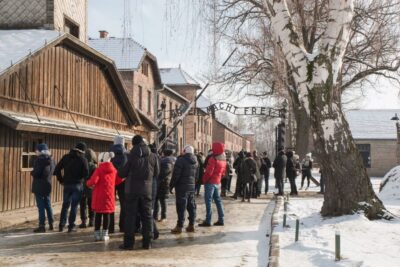
From Krakow: Auschwitz and Wieliczka Salt Mine Full-Day Trip
Read our review →From Krakow: Auschwitz and Wieliczka Salt Mine Full-Day Trip
Read our review →
Krakow: Zakopane, Gubałówka, and Thermal Baths Day Trip
Read our review →
Krakow: Zakopane and Chochołowskie Bath Full Day Trip
Read our review →Browse the lists this tour appears in