

Review · THESSALONIKI
From Thessaloniki: Aigai Royal Tombs & Pella Museum Day Trip
The most striking part of this trip is the chance to see Philip II’s royal tomb, still filled with remarkable gold and burial objects. You also visit Pella, the Macedonian capital linked with Philip and Alexander the Great, where a museum and open-air ruins help explain how this powerful city worked.
I like the compact route from Thessaloniki and the personal attention of a small group. I also like the human side of the guiding, especially when Alexandros leads the outing and adds stories about Macedonian politics, mythology, and Alexander’s campaigns. The main drawback is time: five hours is enough for a strong first look, but not enough to examine every museum display slowly.
Key points to know before booking

- Philip II’s tomb is the star attraction: See the underground royal tomb museum and its gold wreath, armor, shield, diadems, and burial chest.
- Pella gives the story a wider setting: The museum shows the luxury and daily life of Macedonia’s capital, while the ruins reveal its city plan.
- Alexandros adds real value: His strongest subjects are Philip II, Alexander the Great, ancient Macedonian politics, and the theories surrounding the tombs.
- The schedule is brisk but workable: Plan on about 80 minutes at Aigai, one hour in the Pella museum, and 30 minutes at the archaeological site.
- Budget for €20 in entrance fees: Aigai costs €12, while Pella’s museum and archaeological site together cost €8.
- It suits history-focused visitors: The outing works best if you enjoy museums, archaeology, walking, and a guided look at ancient Macedonia.
Why Aigai and Pella belong on your Thessaloniki plans
Thessaloniki is a good base for exploring Central Macedonia, but the story of Macedonian power is easier to understand outside the city. This trip links two former capitals in one half-day outing: Aigai, known today as Vergina, and Pella.
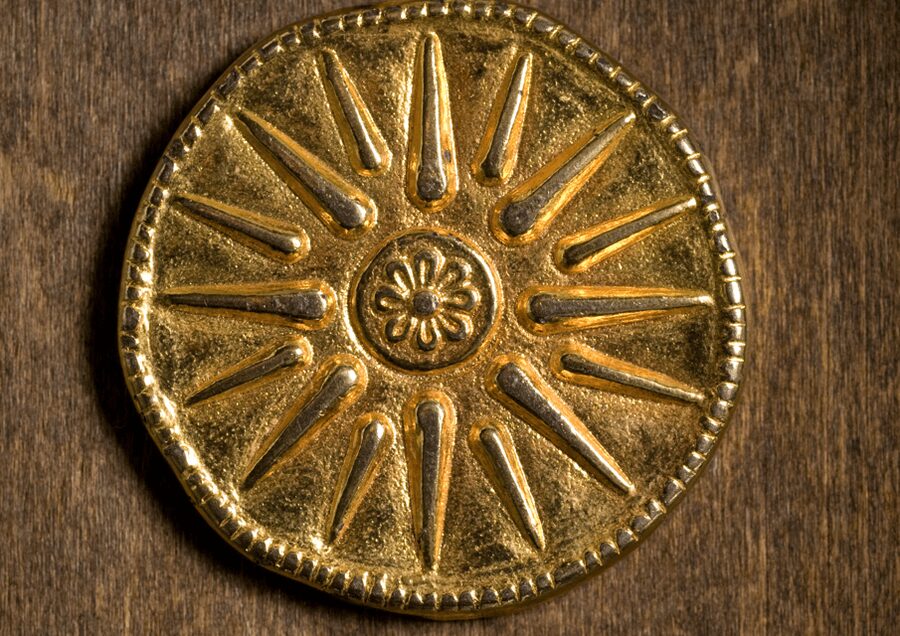
Aigai was the first capital of ancient Macedonia until the royal seat moved to Pella around 400 BC. It was also the burial place of Macedonian kings. The modern village became famous after archaeologist Manolis Andronicos discovered the royal tombs in 1977 and 1978.
Pella then shows you where the kingdom developed into a major political and cultural power. Philip II ruled from Pella, and Alexander the Great was born into this world of court politics, military planning, wealth, and ambition.
I find the pairing useful because the two stops do different jobs. Aigai focuses on royal burial and objects. Pella lets you walk through the setting of a Macedonian capital. You are not simply looking at two museums with similar displays.
More museum days around Greece:
- From Athens: Small-Group Delphi, Museum & Arachova Day Trip
★ 4.8 · 2,476 reviews - Premium Delphi Day Trip with an Expert Guide, Museum & Lunch
★ 4.5 · 1,100 reviews - From Athens: Small-Group Delphi, Museum & Arachova Day Trip
★ 4.5 · 267 reviews
The drive from Thessaloniki to Aigai
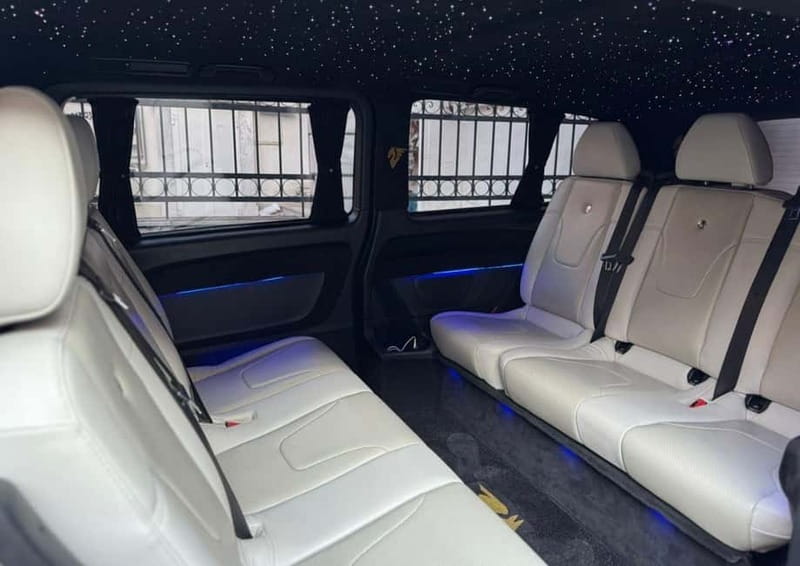
Pickup is available from any location in Thessaloniki, using a private car or van. The group can include up to eight people, though some bookings operate with only two passengers, making the outing feel close to a private tour.
The English-speaking driver-assistant handles the driving and gives background along the way. Alexandros receives especially strong praise for his command of Philip and Alexander, as well as his willingness to discuss less certain theories about the period. He also brings the conversation into modern Greece on the return drive, which adds a useful local angle.
The trip normally lasts five hours, although some outings run closer to five or six depending on traffic and road conditions. Delays can happen during farmer protests or road blockages, as one December trip showed. The route was changed around blocked roads, and the return took longer. If your schedule is tight, avoid placing an important evening booking too close to the planned return.
You receive bottled water, and the pickup and drop-off are included. The ride is the practical reason to choose this option over arranging separate public transport. You can reach both sites without changing buses or managing rural connections.
Inside the Royal Tombs of Aigai
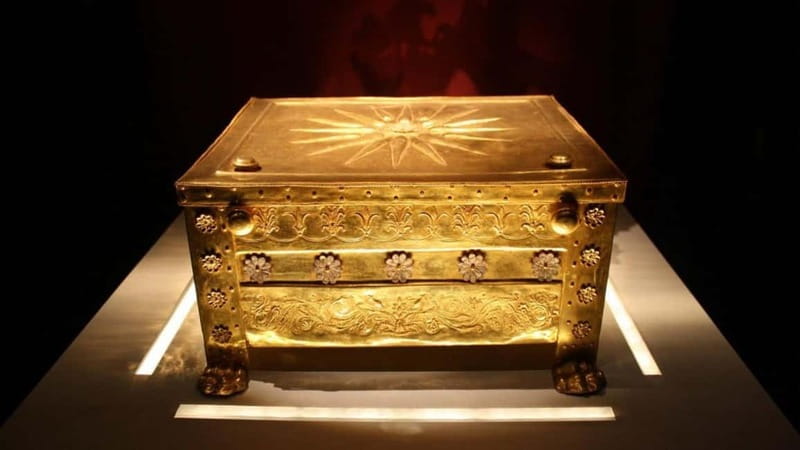
The Royal Tombs of Aigai, often called the Vergina tombs, are presented inside a subterranean museum. You enter a dark, carefully designed space built around the burial chambers, then move through displays of objects associated with the Macedonian court.
This is not a normal open-air ruin. The tombs themselves and the burial goods are the focus, and the indoor setting helps protect the objects while giving the visit a solemn feel. Video presentations add context, so use the available time wisely rather than rushing straight to the display cases.
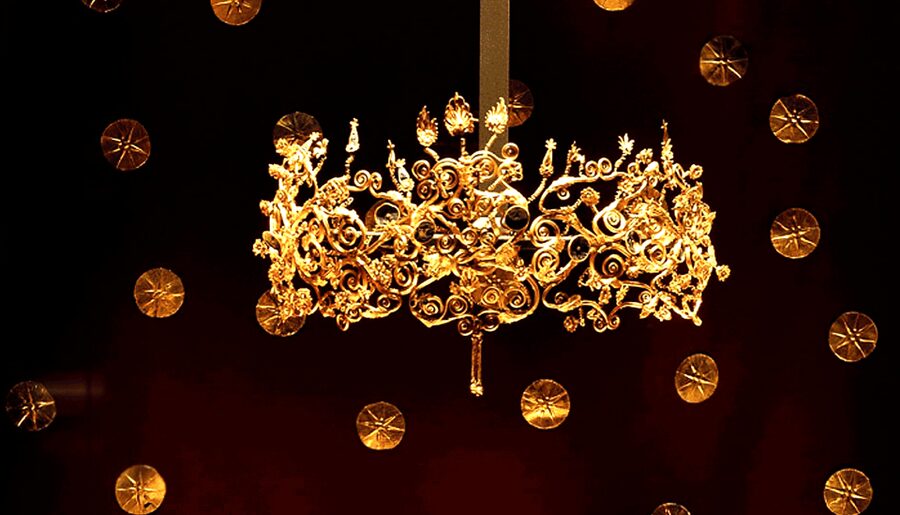
The most important burial is associated with Philip II, father of Alexander the Great. The objects connected with the tomb include:
- A gold and ivory shield
- A gold-trimmed iron breastplate
- Gold diadems
- A golden wreath of oak leaves
- A gold-plated collar
- Silver burial urns
- A golden chest said to contain the king’s bones
The burial chest and the bones are central to the story. The account presented at the site says the bones were washed with wine and wrapped in purple cloth. You also see the kind of luxury that made this discovery so important: finely worked gold, armor, ceremonial items, and objects meant for a royal burial rather than everyday use.
Allow about 80 minutes here. That sounds generous, but it includes entering the museum, watching the video material, listening to explanations, and looking closely at the objects. One hour can work if you keep moving, but you will not have time to study every case at leisure.
The site is especially rewarding if you already know a little about Philip II. If his role is new to you, Alexandros can fill in the family and political background before you enter. That preparation helps you see the objects as evidence of a real royal household, not just expensive antiques.
Pella Museum: Macedonian power in objects
After Aigai, the outing continues to the Archaeological Museum of Pella. Pella became the capital of ancient Macedonia and the center of the kingdom during the period of Philip II and Alexander the Great.
The museum gives you a wider picture than the tombs. Here you can connect royal power with domestic life, urban planning, art, and the habits of people who lived in the capital. The displays help explain why Pella was more than a royal address. It was a functioning city with homes, public areas, religious spaces, and a large population.
You have about one hour inside. That is enough for a focused visit, but not for a slow look at every display. The museum covers several floors, so you need to keep an eye on the clock. I would first follow the main story of Pella and the Macedonian court, then return to individual objects only if time allows.
This is where a good guide makes a real difference. Alexandros is particularly useful when linking the objects to Alexander’s family and the power struggles of the period. He also answers questions rather than simply reciting dates, which suits visitors who want to understand how the kingdom worked.
The museum is air-conditioned or indoors, but the rest of the Pella visit includes outdoor walking. Comfortable shoes are sensible. A bottle of water is supplied, but bring sun protection if you are visiting in warm weather.
A few more day trips around Greece worth a look
- Athens: Cape Sounion & Poseidon Temple Sunset Half-Day Trip
★ 4.8 · 8,241 reviews - Athens: Meteora Monasteries Day Trip with Caves and Lunch
★ 4.7 · 4,670 reviews - Crete: Day Trip to Agios Nikolaos and Spinalonga Island
★ 4.6 · 4,416 reviews - Santorini: Luxury Catamaran Day Trip with Meal and Open Bar
★ 4.8 · 3,678 reviews
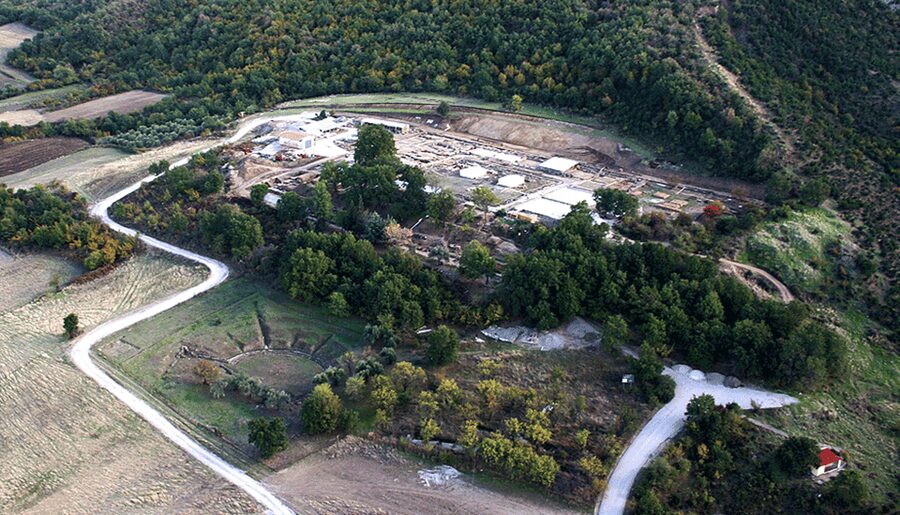
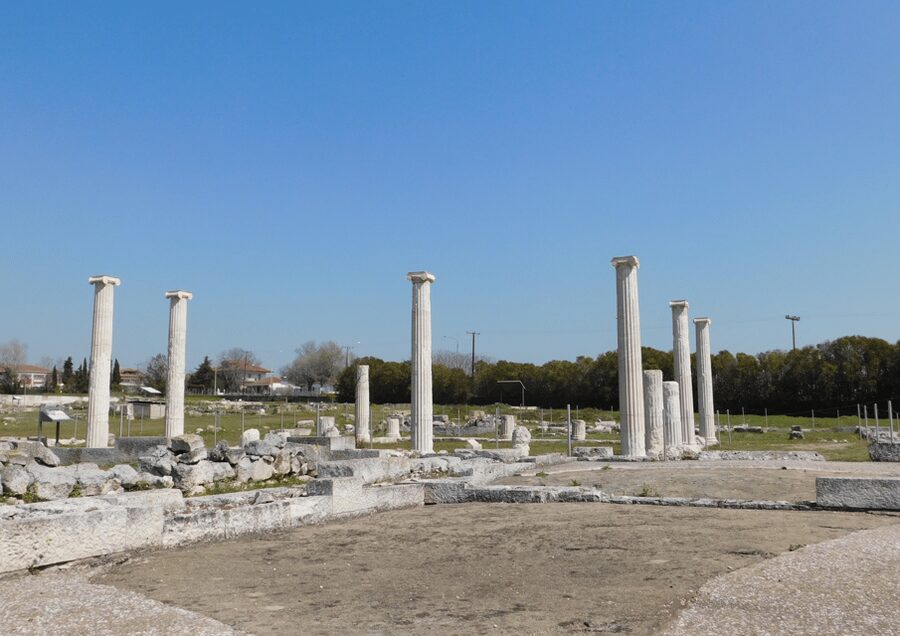
Walking through the archaeological site at Pella
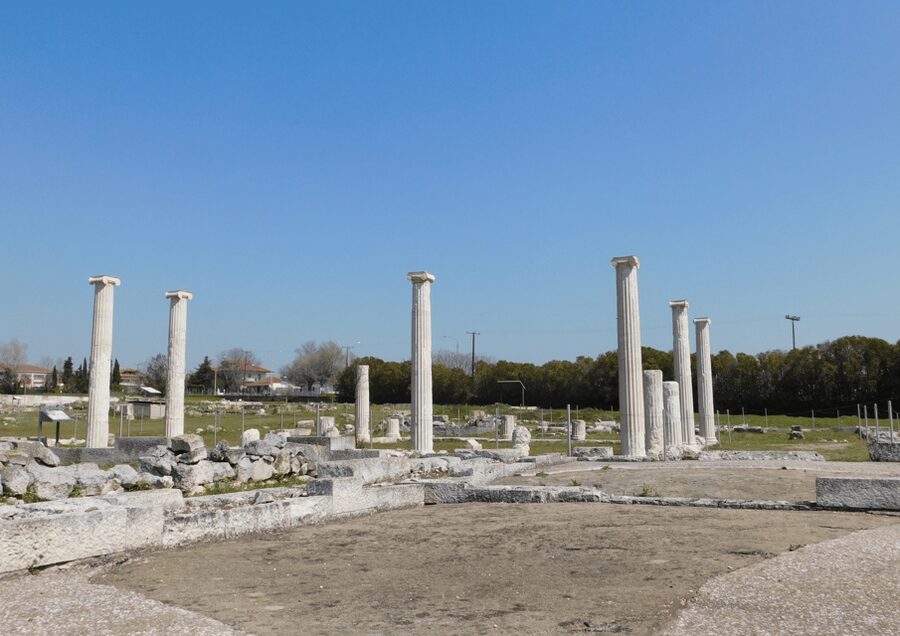
The open-air archaeological site is scheduled for about 30 minutes. That is brief, but it gives you a chance to see the city plan rather than only its objects behind glass.
You walk across unpaved paths and can continue toward the ruins of the Temple of the Mother of the Gods. If you walk all the way to that area, the half-hour passes quickly. If you stay near the closer end of the agora, you will have more time to look around without hurrying.
The site helps put the museum displays in place. You can begin to picture Pella as a planned Macedonian capital, rather than an abstract name from a history book. The exposed foundations and open spaces also make clear how much of the city remains below or beyond what is visible today.
This stop is less polished than the museum and less dramatic than the royal tombs. That is part of its value. You are looking at the remains of a city, not a single treasure chamber, so the experience depends more on your interest in archaeology and city planning.
Wear shoes that can handle uneven ground. The outdoor walk may be manageable for many people with mobility concerns, and the activity is listed as wheelchair accessible, but the route includes unpaved paths. If accessibility is essential for your group, confirm the current site conditions when booking.
How the timing works in real life
The published schedule gives approximately:
- 80 minutes at Aigai’s Royal Tombs
- One hour at the Archaeological Museum of Pella
- 30 minutes at Pella’s archaeological site
That adds up to two hours and 50 minutes at the attractions, with the rest used for driving and transfers. It is an efficient plan, not a slow day of archaeological study.
I would use the Aigai time for the main tomb displays and video presentations. At Pella, see the museum before walking outside, since the museum provides the background needed to read the ruins. At the archaeological site, decide in advance whether you want to reach the Temple of the Mother of the Gods or stay closer to the entrance.
Some outings take longer than five hours because of traffic, road conditions, or an extra stop. A guide may adjust the route if opening hours or local conditions affect the plan. One Tuesday outing included time around old Thessaloniki because the museums did not open until noon. That kind of flexibility can be useful, but it also means you should not treat every minute of the schedule as fixed.
The guide can shape the whole experience
The vehicle gets you to the sites, but the guide is the part that can turn this from transport into a history lesson. Alexandros is repeatedly singled out for his enthusiasm, fluent English, safe driving, and command of ancient Macedonian history.
His strongest material concerns Philip II and Alexander the Great. He can explain family ties, military success, political conflict, mythology, and competing ideas about the tombs. He also appears comfortable answering questions and adjusting the pace for people who need more time.
That said, this is described as a driver-assistant experience rather than a formal archaeologist-led tour. You should expect strong commentary and site guidance, but not necessarily a specialist lecture at every display. The quality of the day depends in part on who is assigned and how much discussion you want.
The small-group limit of eight is a practical advantage. You can ask questions without speaking over a large crowd, and the guide can help with mobility needs or adjust a short stop when possible. Some bookings effectively become private tours when only one or two people reserve.
What the $129 price really covers
The price is $129 per person. It includes hotel pickup and drop-off in Thessaloniki, the private vehicle, an English-speaking driver-assistant, bottled water, and taxes.
You must add €12 for the Royal Tombs of Aigai and €8 for the Pella museum and archaeological site. That makes €20 in admission fees per person, in addition to the advertised tour price. Lunch is not included, so plan to eat before or after the outing unless your guide suggests a suitable break.
The value is strongest for couples, families, or small groups who want door-to-door transport and live commentary without renting a car. If you are already comfortable driving in Greece and prefer long independent visits, arranging your own transport may offer more time at each site. You would then need to handle navigation, parking, fuel, and the historical background yourself.
For a five-hour trip covering two important archaeological destinations, the cost is reasonable when convenience matters. It is less attractive if your main goal is to photograph every object, read every label, or spend a full day at either location.
Free cancellation is available up to 24 hours before departure, and you can reserve while paying later. Those terms help if your Thessaloniki plans may change.
Who should book this half-day trip
I would recommend it most strongly to:
- First-time visitors to Thessaloniki who want to see ancient Macedonia beyond the city
- People interested in Philip II, Alexander the Great, archaeology, and royal burials
- Families who prefer a private vehicle to public transport
- Small groups that want direct access to an English-speaking guide
- Visitors with only one free day for Aigai and Pella
- Anyone who values historical explanation as much as the sites themselves
It is less suited to you if you want a leisurely museum day. The schedule is tight, and Pella’s multi-floor museum deserves more than an hour if you want to read every label. It may also disappoint visitors expecting a large tour with a dedicated professional archaeologist, since the service is built around a driver-assistant.
Should you book it?
Book this tour if you want the key Macedonian sites handled in one practical trip from Thessaloniki. The Royal Tombs of Aigai provide the emotional high point, while Pella adds the urban setting and everyday context. Together they make a stronger visit than either stop alone.
The best reason to choose this option is the combination of private pickup, a small group, and a guide such as Alexandros who can connect the objects to the people and power struggles behind them. The main caution is the brisk timing. Bring comfortable shoes, protect yourself from the sun at Pella, budget the extra €20 for entry, and keep your return schedule flexible.
FAQ
How long does the trip take?
The stated duration is five hours, though some outings may last five to six hours because of traffic, road conditions, or schedule changes.
Where does pickup take place?
Pickup and drop-off are available from any location in Thessaloniki, including your hotel, using a private car or van.
Which sites are included?
The trip visits the Museum of the Royal Tombs of Aigai in Vergina, the Archaeological Museum of Pella, and the archaeological site of Pella.
How much are the entrance fees?
The Royal Tombs of Aigai cost €12. Entry to the Archaeological Museum and Archaeological Site of Pella costs €8.
Is lunch included?
No. Lunch is not included in the price.
How many people can join?
The activity is limited to eight participants and may operate as a private experience when only a few people book.
Is the tour wheelchair accessible?
The activity is listed as wheelchair accessible. The Pella archaeological site includes outdoor, unpaved paths, so confirm the current access conditions if your group has specific mobility needs.
Can I cancel the booking?
You can cancel up to 24 hours in advance for a full refund. Reserve now and pay later is also available.
Just added around Greece
- Cape Sounio Private half day Poseidon Athenian Riviera sunset★ 5.0 · 38 reviews
- Private Delphi Daytrip from Athens★ 5.0 · 28 reviews
- Private Full-Day Trip to Meteora by Train From Athens – Local Agency★ 5.0 · 28 reviews
- Private Tour: Delphi Day Trip from Athens Including wonderful local Lunch★ 5.0 · 20 reviews
- Meteora Day Trip with central Pick up & optional Lunch★ 5.0 · 590 reviews
- Mycenae and Nafplion Day Trip from Athens with Official guide★ 4.5 · 501 reviews
- Full-day or Half-Day Trip from Athens to Cape Sounion★ 5.0 · 37 reviews
- Athens: Ancient Corinth & Nafplio Full Day Trip with Swim★ 5.0 · 33 reviews
Museums, compared.
Small-Group Delphi, Museum & Arachova Day Trip
Read our review →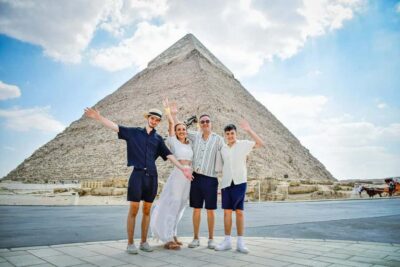
Hurghada: Cairo Pyramids, Sphinx & Egyptian Museum Day Trip
Read our review →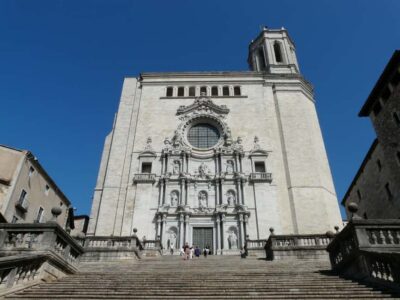
From Barcelona: Girona&Dalí Museum Day Trip with Small Group
Read our review →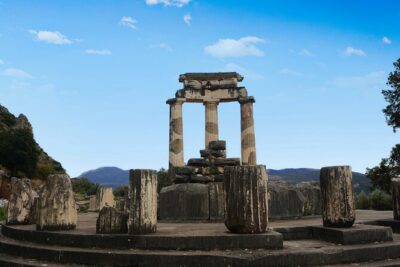
Premium Delphi Day Trip with an Expert Guide, Museum & Lunch
Read our review →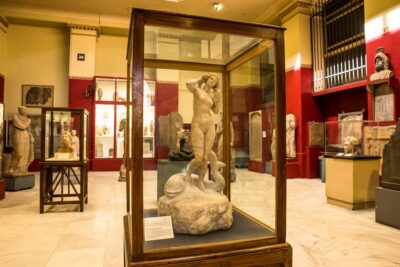
Hurghada Day Trip to Giza Pyramids, Sphinx, Museum and lunch
Read our review →
From Hurghada: Grand Egyptian Museum Pyramids Cairo Day Trip
Read our review →
Hurghada: Giza Pyramids, Sphinx, Museum & Old Souq Day Trip
Read our review →Browse the lists this tour appears in