
Review · CASABLANCA
Rabat: Full-Day Trip from Casablanca
Rabat’s best surprise is how much history fits into a clean, orderly capital that still feels easy to explore. This six-hour trip takes you from Casablanca to the Mohammed V Mausoleum, the unfinished Hassan Tower, the blue-and-white Kasbah of the Udayas, and the old Medina, with a stop at Chellah too.
I like the hotel pickup and small-group format, which removes the fuss of reaching Rabat on your own. I also like the guides who add context between stops. Sila, Khalil, Mehdi, and Arafa have all been praised for clear explanations, good humor, and steady care.
The main catch is time. Six hours passes quickly, and the tour can feel more like a well-managed visit to key sites than a long, leisurely walking tour. Lunch costs extra, and the guide may not remain beside you at every stop.
Key points to know before you book
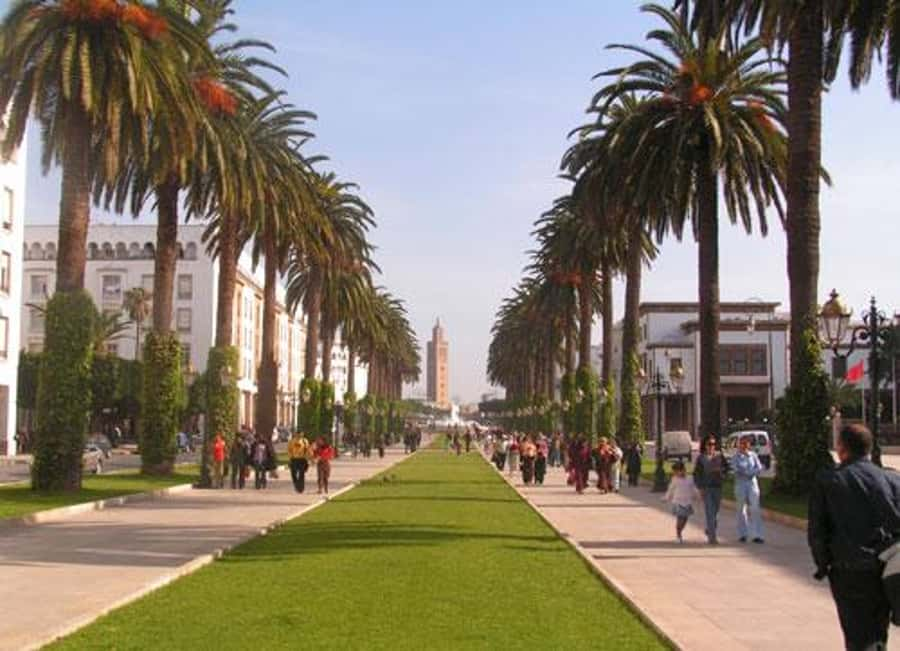
- Rabat’s major sights in one compact outing: See the Royal Palace exterior, Mohammed V Mausoleum, Hassan Tower, Kasbah of the Udayas, Medina, and Chellah.
- About one hour each way: The road trip from Casablanca takes roughly an hour in the air-conditioned vehicle.
- Small groups up to 15 people: This is more personal than a large coach excursion, though the exact feel depends on the day’s group.
- Strong guide and driver pairing: Sila, Khalil, Mehdi, Arafa, and other guides have been singled out for history, humor, safe driving, and helpful service.
- Food is not included: Keep money and time in mind if you want lunch during the 45-minute break.
- A good capital-city overview, not a slow local day: You will see the headline sights, but some stops are brief.
Why Rabat makes a smart day trip from Casablanca
Casablanca is Morocco’s economic center, but Rabat gives you a clearer look at the country’s royal, religious, and administrative side. The two cities are close enough for a day trip, yet Rabat feels calmer and more planned.
I like this excursion for anyone who has limited time in Morocco. You get the main monuments without arranging trains, taxis, local guides, and site visits separately. The driver handles the Casablanca to Rabat run, and the guide gives you a basic story for each major stop.
That convenience has a tradeoff. You are following a set route, so you will not have hours to wander wherever you please. The experience works best if your goal is to understand Rabat’s main sights and decide which parts deserve a longer return visit.
The booking price is $104 per person. That is not the cheapest way to reach Rabat, but it includes round-trip transportation, hotel pickup and drop-off, a local guide, and the guided city visit. For a solo visitor or a couple who values simplicity, that package can be fair. If you are traveling with several people and feel comfortable arranging transport yourself, a private taxi or train-based visit may offer more control.
A few more day trips around Morocco worth a look
- Marrakech Day Trip with Camel Ride from Casablanca
★ 5.0 · 740 reviews - Private Rabat Day Trip from Casablanca
★ 5.0 · 382 reviews - Rabat Imperial City Day Trip from Casablanca
★ 4.5 · 353 reviews
The Casablanca pickup and one-hour road trip
Pickup is included from your Casablanca hotel. The drive to Rabat takes about one hour in an air-conditioned vehicle, followed by the same travel time back to Casablanca.
The road time matters because the actual Rabat visit is not a full eight-hour day on the ground. The experience is advertised as a full-day trip, but the stated duration is six hours. Some departures have returned to Casablanca around 2 p.m., so check the available start time carefully if you want a longer afternoon in Rabat.
The driving is one of the strongest parts of the experience. Mehdi and Khalil, in particular, have been praised for punctuality, calm traffic handling, and making passengers feel secure. That is useful in Morocco, where busy roads can make a self-drive visit more tiring than expected.
A good guide may also point out buildings and city sights during the drive. Sila, for example, has been praised for explaining Rabat’s development, politics, customs, and history rather than waiting until the first monument.
The Royal Palace: an exterior look at royal Rabat
The first stop is Dar El Makhzen, the Royal Palace. The visit is brief, listed at about 15 minutes, and focuses on the exterior.
You will not tour the palace interiors. Instead, the guide explains the palace compound and its role. The complex includes the prime minister’s office, the Imperial College, the Ahl Fas mosque, a small racetrack, and barracks for the Black Guard.
This is a useful opening because it introduces Rabat as Morocco’s political capital. It also sets the right expectation: this is a look at an active royal complex, not an indoor palace museum. Your guide may point out architectural details and surrounding buildings, but the main value is the setting and the explanation.
Keep your camera ready, since the stop is short. If you expect a long palace visit, you may find this part limited.
Mohammed V Mausoleum and the polished Hassan Tower
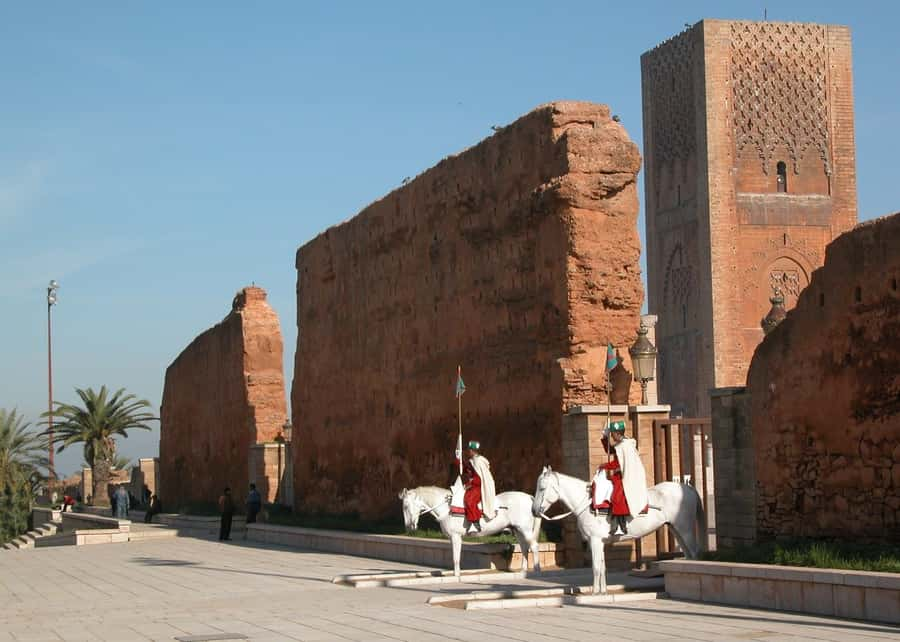
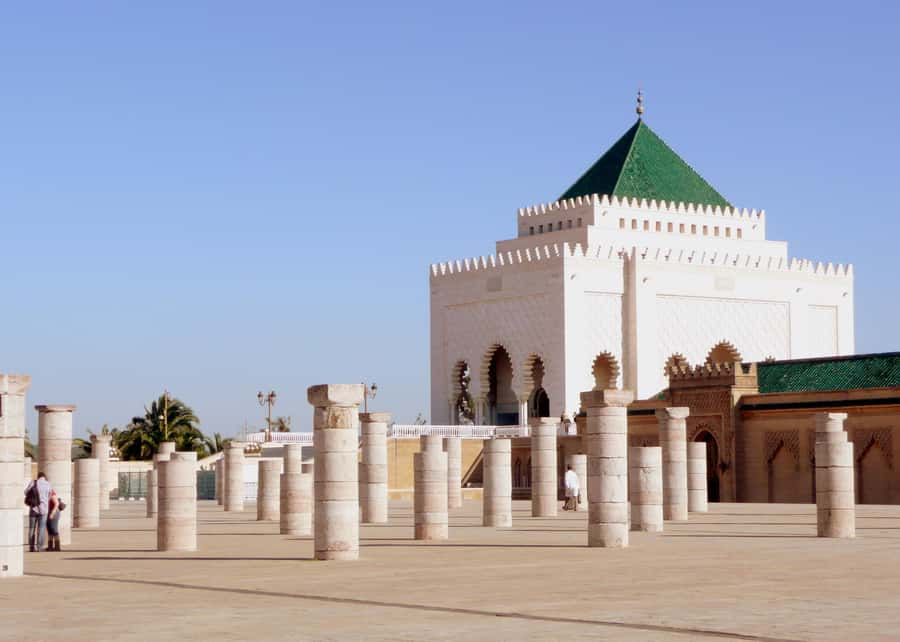
The Mohammed V Mausoleum is one of the clearest highlights of the day. The building is known for its careful design, bright tilework, and formal setting. Inside the burial chamber, you can admire the patterned tiles decorating the walls.
The planned guided visit lasts about 20 minutes. That gives you enough time to see the main spaces and hear the basic story, but not enough for a slow architectural study. I would pay close attention to the decoration here, since the building’s appeal is as much in its details as in its national importance.
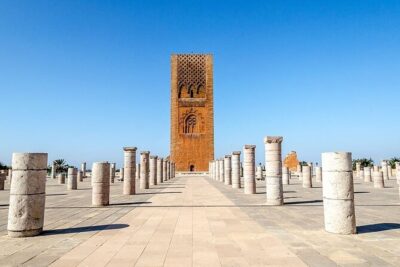
The nearby Hassan Tower takes about 10 minutes on the planned schedule. The tower is the famous unfinished minaret associated with the grand mosque project begun in the 12th century. The surrounding pillars and open space help you understand the original scale of the plan.
The two monuments work well together. The mausoleum represents modern Moroccan state memory and royal ceremony, while the Hassan Tower points to Rabat’s medieval Almohad past. You do not need a long lecture to see the contrast, but a good guide can make the connection clear.
This is one area where the guide makes a real difference. Sila and Arafa have been praised for telling history in an easy, story-based way. If your guide is less talkative, you will still see the monuments, but the stop may feel more like a photo visit.
Same base, a completely different day out:
- From Marrakech: Day Trip to Ouarzazate and Ait Benhaddou
★ 4.7 · 9,447 reviews - From Marrakesh: Essaouira Full-Day Trip
★ 4.6 · 8,137 reviews - From Marrakech: Small Group to Essaouira & Sekkala Day Trip
★ 4.9 · 6,671 reviews - From Marrakech: Essaouira Day Tour with Optional Activities
★ 4.3 · 5,125 reviews
Kasbah of the Udayas and the river view
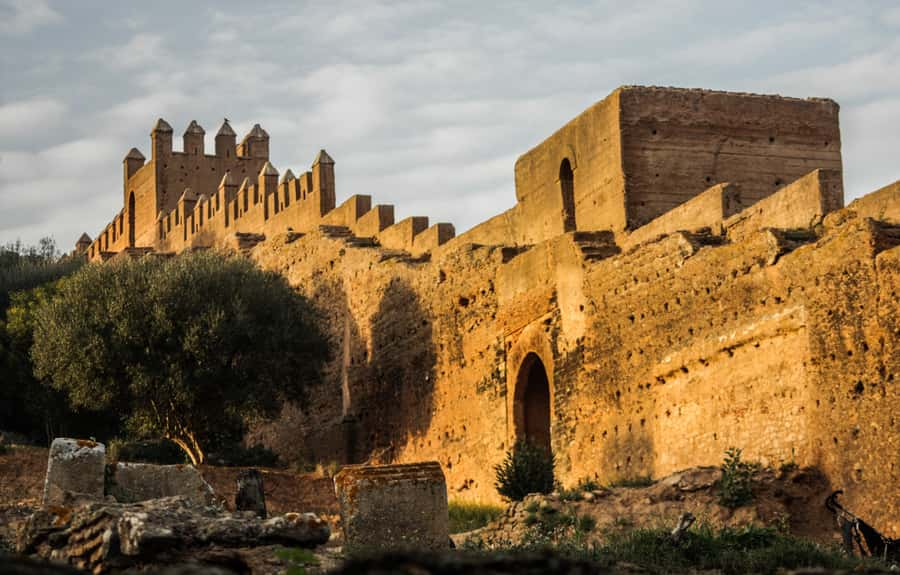
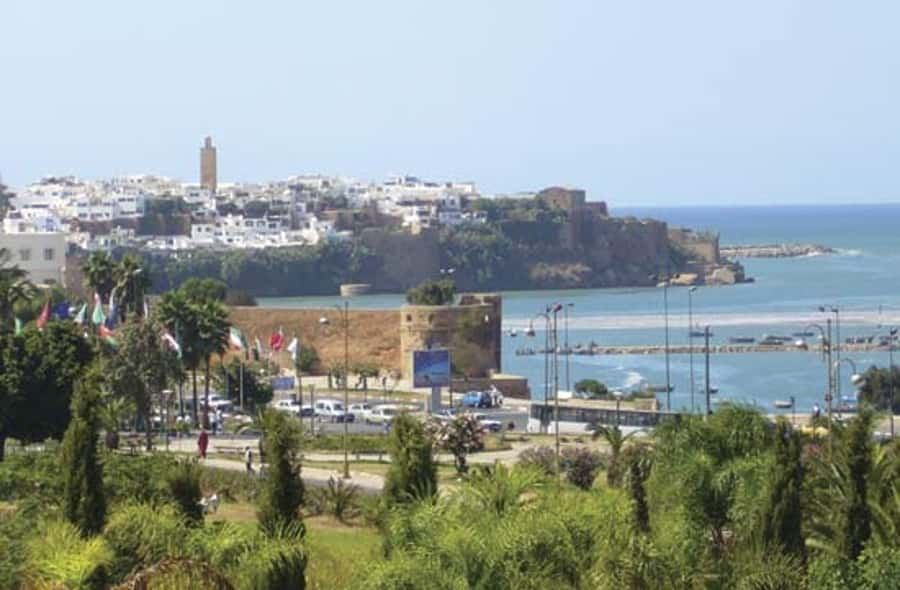
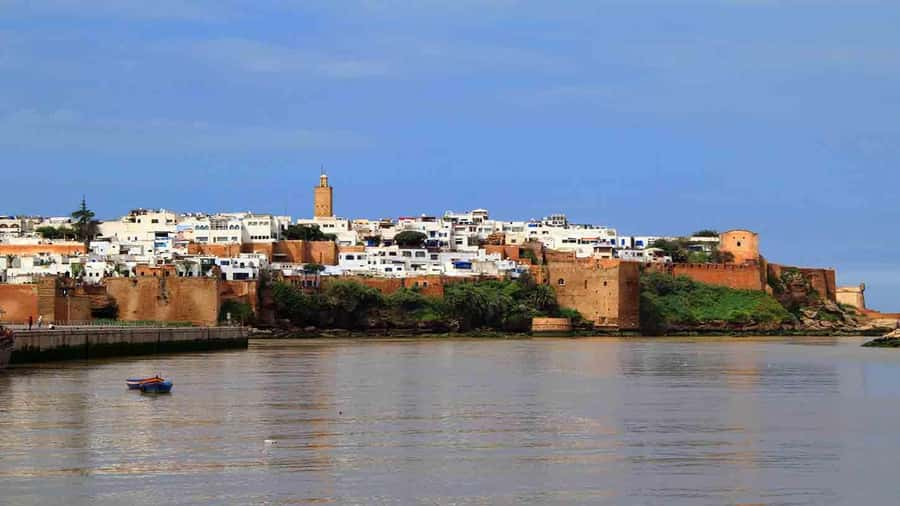
The Kasbah of the Udayas brings a change of mood. Its narrow lanes and white-and-blue walls offer a more intimate walk than the broad spaces around the mausoleum and Hassan Tower.
The visit is scheduled for about 15 minutes, so you should not expect to explore every lane. Still, the Kasbah is one of the day’s most atmospheric stops. Walk with your guide, listen to the explanation, and take in the small details of doors, walls, and changing views.
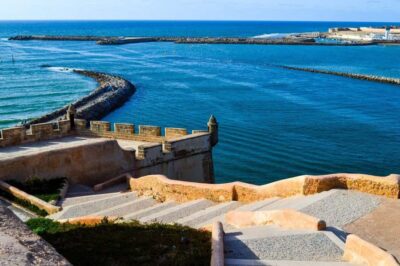
The Kasbah is part of a UNESCO World Heritage Site, which reflects its historical importance rather than simply its photogenic appearance. It also sits near the Bou Regreg River, with views toward Salé. One account of the excursion mentions a relaxed lunch near the water looking across at Rabat’s sister city, Salé, though lunch itself is not included in the price.
This is a good place to ask your guide questions. Guides such as Sila and Saleem have been praised for discussing Moroccan life as well as dates and monuments. That wider conversation can make the Kasbah feel like part of a living city, not just a pretty lane for photographs.
Rue des Consuls and the old Medina
The Medina walk is scheduled for 45 minutes, making it the longest guided stop in the main city center. Here you follow narrow streets, including Rue des Consuls, described as one of Rabat’s most architecturally interesting streets.
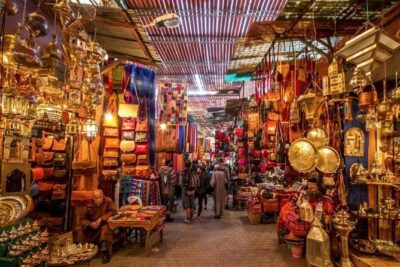
The route also includes Souika Street, the busiest shopping street in the Medina. This is where you can browse shops and see daily commerce at close range. It is not a quiet museum district, so expect shopkeepers, displays, and people moving through the lanes.
I like this part because it gives the day a more ordinary human scale after the formal royal sites. You can look at crafts, clothing, food products, and household goods, though the tour does not promise a dedicated shopping session.
Prices may be lower than in more heavily tourist-focused parts of Morocco, according to one account of the visit, but you should still compare prices and bargain politely where appropriate. Do not spend the whole 45 minutes shopping unless that is your main goal. The Medina is also where you get a sense of Rabat’s street plan and older neighborhoods.
The guide may walk with you for part of this section, but the experience is not always a continuous private escort. One person found the tour closer to being dropped at key sites than to a fully guided walk. If you want detailed commentary at every corner, ask at the beginning how much time the guide will spend beside the group.
Chellah: an extra historical layer
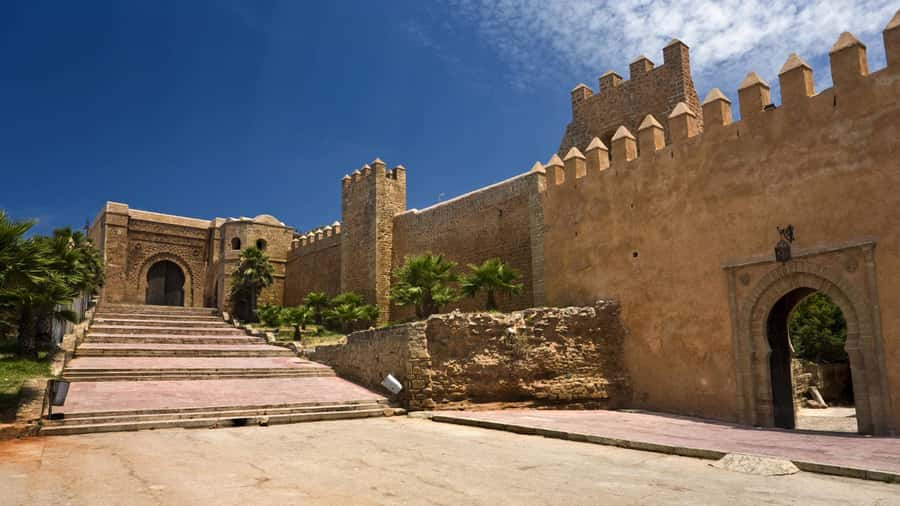
Chellah is included as a 30-minute guided visit. Its presence makes the route stronger because it adds an older archaeological and religious layer to a day already covering royal and Islamic monuments.
The planned time is enough for an overview, but it is not generous. One person specifically found 45 minutes too short for the ruins, which is a useful warning for anyone who likes to read every sign and explore at a slow pace.
Treat Chellah as a focused introduction. Stay close to the guide so you hear the main points, and use the remaining time for photographs. If ruins are your main interest, you may wish you had longer here than the schedule allows.
The stop also shows why Rabat works well as a history lesson. Within one day, you move from ancient remains to medieval construction, royal monuments, modern government, and a working Medina.
The 45-minute break and food costs
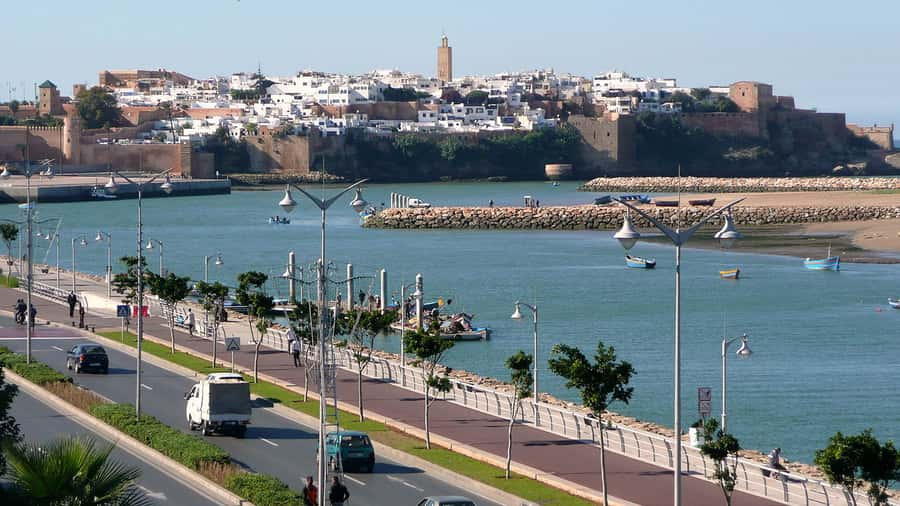
A 45-minute break is built into the day. Food and drinks are not included, so budget separately for lunch, a snack, and something to drink.
Some accounts describe a lunch stop near the water, while another mentions an obligatory restaurant with large menu choices. These details may vary by guide or departure. You should ask where the break will be and how much freedom you have before ordering.
If you prefer a light meal, say so clearly. Sharing a menu may be possible, but that depends on the restaurant. The break is also useful for a restroom stop and a short rest after the Medina and monuments.
Do not count on this being a long free period. Forty-five minutes is enough for a practical meal, not a leisurely afternoon beside the river.
The guide and driver can shape the whole day
The most praised part of this experience is the people running it. Sila is repeatedly described as warm, funny, and well informed about Rabat’s history, politics, customs, and growth. Khalil has been praised for punctual pickups, courteous service, and confident driving. Mehdi is also frequently described as a safe and attentive driver.
Other named guides include Arafa, Saleem, Dinos, and guides working with drivers such as Reda and Hamid. The exact pairing can change, so do not book solely for one person. Still, these names give you an idea of the service style you may receive.
The best version of this trip includes both a driver and a guide. In some cases, the driver may begin explaining the city before the guide joins the group. One person found the early English commentary less clear, while another appreciated the driver’s historical knowledge.
The tour is offered in English, French, and Spanish. A small group can make it easier to ask questions and adjust the pace, but a group of 15 is still large enough that the guide may need to keep everyone moving.
Tips are not included. Tipping is common in Morocco, but it should reflect the service you receive. You should not feel pressured to treat lunch or extra purchases as part of the tour price.
Who should book this Rabat day trip?
I would choose this trip if you are staying in Casablanca and want a simple introduction to Rabat without managing transport yourself. It suits solo visitors, couples, and small families who want the major sights in a compact format.
It is also a good fit if you prefer a guide who can explain the city as you go. The best guide pairings add details about Moroccan life, not just monument names, and the drivers can make the road portion comfortable.
You may want another plan if you want long museum visits, extensive ruins, or hours of unstructured Medina time. The six-hour schedule is efficient, but it is not slow. Chellah and the Kasbah may feel especially brief to anyone who likes to explore at length.
Free cancellation up to 24 hours before departure and the option to reserve without paying immediately make the booking less rigid. Still, check the starting time and the exact pickup details before committing, particularly if you have a flight or another Casablanca activity later that day.
Should you book it?
Book this Rabat trip if you want the capital’s major sights, a reliable ride from Casablanca, and a small-group guide in one package. The strongest value comes from the combination of hotel pickup, round-trip transport, site visits, and personal explanations from guides such as Sila, Khalil, Mehdi, or Arafa.
Skip it if your priority is a relaxed, self-directed day. At $104 per person, you are paying for convenience and structure, not just transportation. For most first-time visitors with limited time, that structure is worthwhile, provided you accept brief stops, pay extra for food, and treat the excursion as a highlights tour rather than a full exploration of Rabat.
FAQ
How long does the trip from Casablanca to Rabat take?
The drive takes about one hour each way in the air-conditioned vehicle.
How long is the full activity?
The stated duration is six hours, including transportation between Casablanca and Rabat.
Is hotel pickup included?
Yes. Pickup and drop-off at your Casablanca hotel are included.
What sights are visited in Rabat?
The route includes the Royal Palace exterior, Mohammed V Mausoleum, Hassan Tower, Kasbah of the Udayas, Rabat Medina, and Chellah.
Is the Royal Palace open for an interior visit?
No. The listed stop is a 15-minute visit to admire the exterior.
Is lunch included?
No. Food and drinks are not included. A 45-minute break is provided.
How large is the group?
The tour is described as a small-group experience with up to 15 participants.
Which languages are available?
The live guide service is offered in English, French, and Spanish.
Is a guide included?
Yes. A local professional guide and a guided tour of Rabat are included.
Can I cancel for a refund?
You can cancel up to 24 hours in advance for a full refund.
Just added around Morocco
- Taroudant half day excursion from Agadir★ 5.0 · 26 reviews
- Souss Massa National Park Half Day Trip from Agadir★ 4.5 · 26 reviews
- Agadir Jeep Safari Desert Day Trip including Lunch & camel ride★ 5.0 · 24 reviews
- Sahara Day Trip from Agadir★ 5.0 · 36 reviews
- Join our Surf Day trips and learn surfing!★ 5.0 · 28 reviews
- Private Day Trip of Taroudant & Tiout from Agadir★ 5.0 · 29 reviews
- Marrakech The History and Culture Day Trip★ 4.5 · 45 reviews
- Marrakech Day Trip From Agadir★ 4.5 · 185 reviews
Casablanca Day Trips, compared.
Marrakech Day Trip with Camel Ride from Casablanca
Read our review →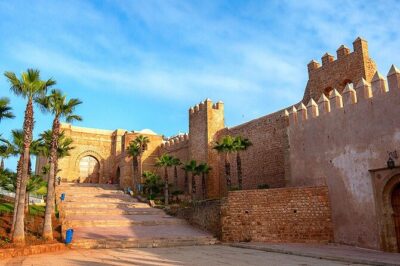
From Casablanca: Rabat Guided Day Trip with Hotel Transfers
Read our review →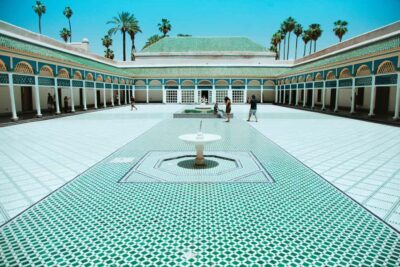
From Casablanca: Day Trip to Marrakech with Camel Ride
Read our review →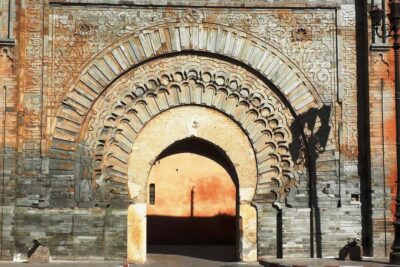
From Casablanca: Marrakech Guided Day Trip with Camel Ride
Read our review →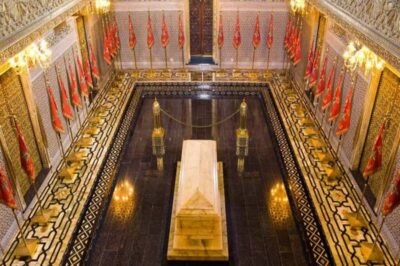
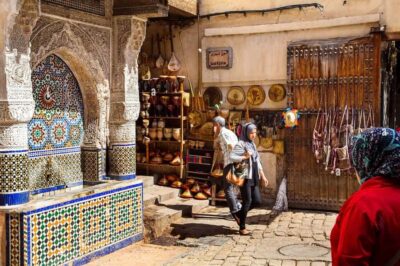
Casablanca to Fez: Scenic & Historical Day Trip with Lunch
Read our review →Browse the lists this tour appears in