
Review · ITALY
The Nuraghe Tour: Day Trip from Cagliari
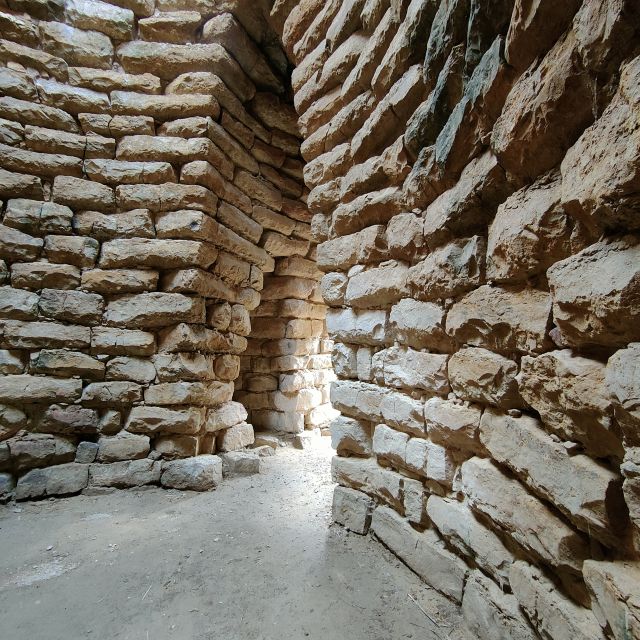
Sardinia’s Nuraghe Piscu is a 3,500-year-old stone stronghold on a hill above the Trexenta countryside. You can enter the complex, study its central tower and courtyard, and picture a Nuragic village of roughly 100 people, all without giving up a full day.
I like the small group of up to six, which gives Claudia or Genna time to explain the site properly and answer questions. I also like the comfortable ride from Cagliari and the open countryside views along the way.
The main thing to consider is the short duration. Four hours is enough for a focused visit, but not for adding several archaeological sites or a long countryside meal. Food and drinks are not included, and you will want sturdy shoes.
Key points at a glance
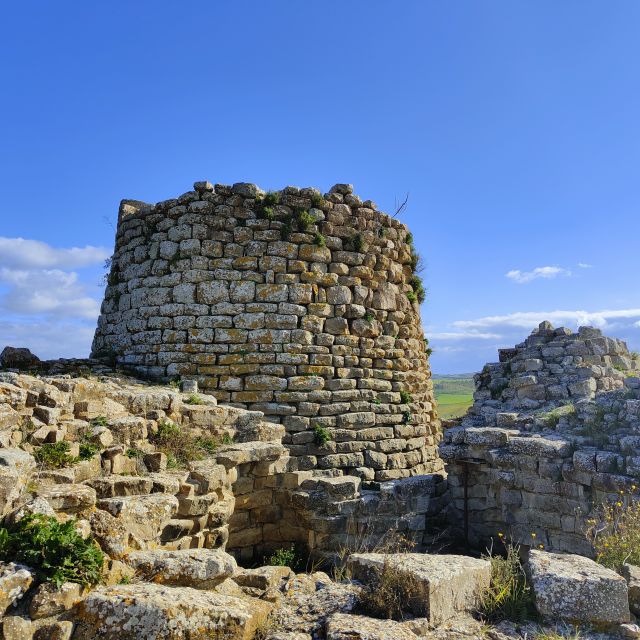
- A 3,500-year-old complex: See Nuraghe Piscu’s central tower, courtyard, well, and surrounding defensive wall.
- A small, personal outing: The group is limited to six people, so the guide can keep the visit conversational.
- A guide-led history lesson: Claudia, Genna, and Barbara have been praised for clear explanations, enthusiasm, and helpful advice about Cagliari.
- Wide Trexenta views: The hilltop setting gives you a peaceful look across Mediterranean countryside.
- A compact half-day plan: The four-hour schedule works well if you want to keep your afternoon open.
- A practical price point: At $100 per person, the value rests mainly on the small group, transport, and depth of guiding.
Why Nuraghe Piscu matters
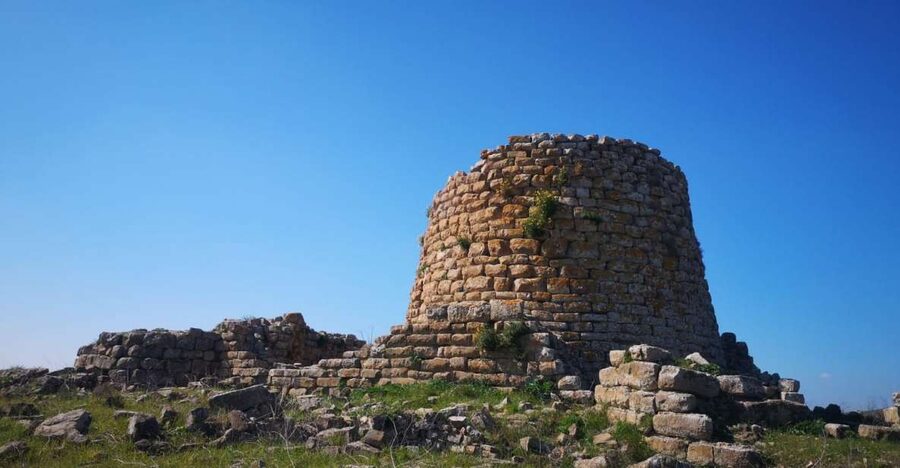
If you have spent time in Sardinia, you have probably seen the word nuraghe on road signs, maps, and museum labels. These prehistoric stone towers are one of the island’s defining sights. Yet a quick photograph from the roadside does not tell you much about how they worked or why so many were built.
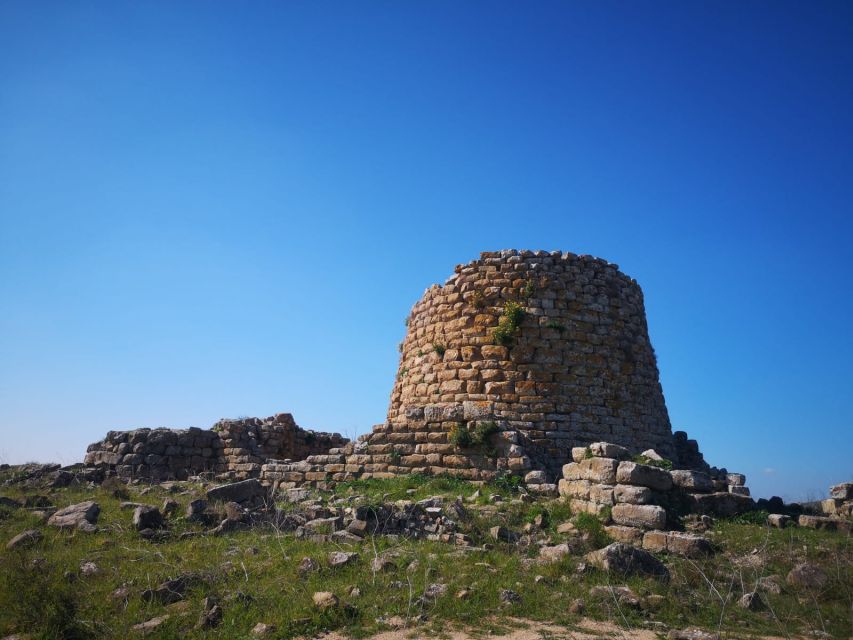
Nuraghe Piscu gives you a chance to look closely. It is a complex three-lobed nuraghe, not simply one round tower sitting alone in a field. Its central tower once reached about 10 meters, and the wider site included a courtyard, a well, smaller turrets, and a turreted antemurale, or outer defensive wall.
The exact purpose of nuraghi remains partly uncertain. They may have served as defensive structures, homes for important families, meeting places, or several of these things at once. That uncertainty is part of the appeal. You are not walking through a neatly documented Roman town with every room labeled. You are examining a powerful stone structure built by a culture whose written records have not survived.
The guide helps turn those stones into a human story. You learn about the Nuragic people, their engineering, the village around the tower, and the way a settlement of about 100 inhabitants may have used this site. That context matters. Without it, the tower can seem like an impressive pile of ancient masonry. With it, the site starts to feel like the center of a working community.
A few more day trips around Italy worth a look
- Tuscany Day Trip from Florence: Siena, San Gimignano, Pisa and Lunch at a Winery
★ 5.0 · 21,634 reviews - Florence: Pisa, Siena and San Gimignano Day Trip with Lunch
★ 4.6 · 9,771 reviews - From Naples: Sorrento, Positano & Amalfi Coast – Small Group Tour
★ 5.0 · 8,643 reviews
Leaving Cagliari for the Trexenta countryside
The tour begins at Viale La Plaia, 1, in front of the ENI Gas Station. This is a straightforward meeting point, but it is worth checking the exact location before setting out. You return to the same place after the visit, so the outing begins and ends in Cagliari.
From the city, you head toward Suelli in the heart of Trexenta. The change is noticeable. You leave the urban setting behind and reach quieter Mediterranean countryside, with open fields and hilltop views. The drive gives you useful geographical context: Nuraghe Piscu was not built in isolation, but in a region with natural routes, farmland, and broad sightlines.
The transport has received a perfect score from all recorded ratings, and that is important for a short tour. A long or awkward transfer would eat into your time at the site. Here, the ride is part of a compact plan that gets you from Cagliari to the archaeological area and back within four hours.
You should not expect a full sightseeing circuit of the Trexenta area. This is a direct outing centered on Nuraghe Piscu. That focus is a strength if you want one ancient site explained well, but it may feel limited if you hoped for several villages, museums, or food stops.
Walking into a three-lobed nuraghe
The main visit lasts about two and a half hours, leaving the rest of the four-hour schedule for transport and the meeting arrangements. That gives you enough time to explore without having to rush from one feature to the next.
The first thing to grasp is the site’s position. Nuraghe Piscu sits on a hill, and its location offered wide views in every direction. Those views were useful in the Bronze Age, since a high point could help people watch movement across the surrounding area. Today, the same position gives you a quiet setting and a clear sense of why the builders chose this spot.
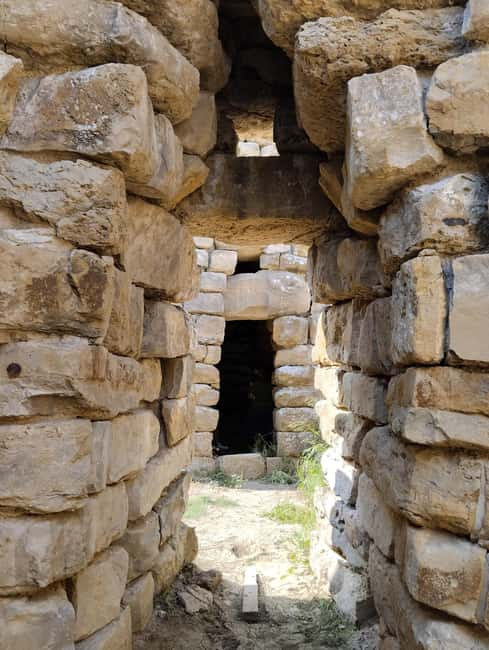
Inside, you see the central tower and the spaces around it. The tower’s original height, about 10 meters, is a reminder of the construction skill involved. Large stone blocks had to be placed carefully without modern machinery, and the structure had to support itself over many centuries.
The courtyard gives the complex a more social feel. Rather than imagining one isolated tower, you can picture people moving between the central structure and the surrounding areas. The well adds another practical detail. Water access would have mattered greatly to a settled community, especially inside a site with defensive features.
The turreted antemurale forms an outer layer around the complex. This helps you understand that the site was not only a tall monument. It was also an organized place with boundaries, controlled access, and several connected parts.
A guide is especially useful here because the site’s scale can be hard to read at first. Claudia has been praised for explaining both the history and the technical side of the construction in clear English. Genna is also described as well prepared and attentive, checking in during the visit so you can ask questions. When Claudia and Barbara lead together, the combination of guiding and driving adds an extra layer of support.
Reconstructing life in a village of 100 people
The most useful part of the visit is not simply identifying the tower. It is learning how the site may have functioned as part of a settlement.
The village connected with Nuraghe Piscu was home to around 100 people. That number helps you picture a real community rather than an empty ruin. Families lived, worked, stored supplies, and organized daily life around the structures that remain.
You will hear about the Nuragic civilization as a whole, not just one building. Sardinia’s Bronze Age communities developed a distinctive style of tower construction, and Nuraghe Piscu offers a close look at that tradition. The guide can also connect the site to the broader story of the island, which is useful if this is your first encounter with Nuragic archaeology.
The subject can be mysterious because so much remains uncertain. There is no simple written account explaining who built each tower or exactly how every room was used. A good guide must separate what is known from what is proposed. The strongest comments about this experience point to that balance: the explanations cover history, engineering, and possible uses without turning the visit into a dry lecture.
You should expect a walking tour rather than a staged historical show. The value comes from looking, listening, and asking questions. If you enjoy ancient sites but want a guide to help you read the evidence, this is a good match. If you prefer fast sightseeing with little explanation, two and a half hours at one archaeological complex may feel long.
Same base, a completely different day out:
- Cinque Terre Day Trip with Optional Hiking or Pisa
★ 5.0 · 8,486 reviews - From Rome: Pompeii, Amalfi Coast, and Sorrento Day Trip
★ 4.6 · 7,031 reviews - From Rome: Pompeii, Amalfi Coast and Positano Day Trip
★ 4.6 · 6,620 reviews - From Milan: Como Private Boat, Bellagio and Lugano Day Trip
★ 4.8 · 6,271 reviews
Views, wild herbs, and a slower side of Sardinia
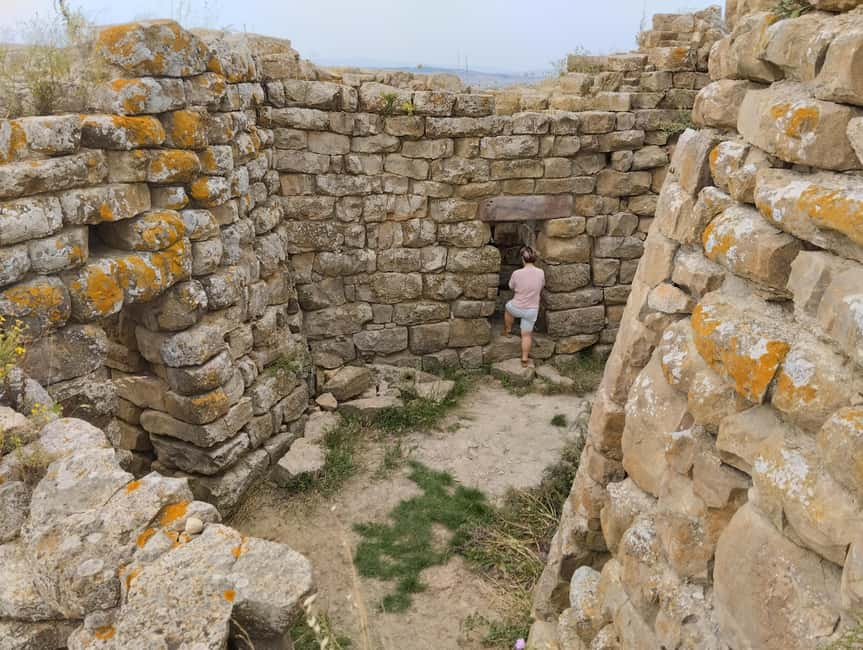
The countryside around the site is part of the experience. The hilltop position offers panoramic views, while the surrounding fields provide a softer contrast to the heavy stonework of the nuraghe.
In spring, you might see wild herbs and flowers across the fields. One guide also gives useful suggestions about where and what to eat in the Cagliari area, adding a local angle beyond the ruins. That advice can be handy if you are using this outing to plan the rest of your stay.
The setting feels peaceful, but you should prepare for an outdoor archaeological visit. Wear comfortable clothes and shoes. The supplied information does not promise paved paths, shade, or indoor facilities, so practical footwear is the sensible choice. Bring water for your own use, since food and drinks are not included.
The countryside is not a separate attraction with a planned nature walk. Think of it as the setting that makes the visit more enjoyable. You get a break from city streets and a better sense of Sardinia beyond Cagliari’s historic center.
What $100 per person buys you
At $100 per person, this is not the cheapest way to see an ancient site. The price makes more sense if you value a small group, organized transport, and a guide who can spend time on questions.
The group limit is six people. That is a meaningful difference from a large coach outing. You are less likely to be standing at the back of a crowd, and the guide can adjust the explanation to your interests. The recorded rating is 4.9 from 38 ratings, with repeated praise for the guides’ preparation, warmth, and ability to explain the site in detail.
The transport also matters. You do not need to arrange your own route from Cagliari to Suelli, and you return to the original meeting point. For a visitor without a car, that convenience may justify much of the cost.
Still, you should judge the price against your own plans. Food, drinks, and any other sightseeing are extra. The tour also covers one main archaeological complex rather than a full day of Sardinian heritage. If you have a rental car and enjoy reading site information independently, you may prefer to visit a nuraghe on your own. If you want the history brought to life and would rather not manage the drive, the price is easier to defend.
Who will enjoy this four-hour outing
I would recommend this tour to you if you want a focused introduction to Sardinia’s prehistoric past. It works especially well for:
- First-time visitors who want more than beaches and city sightseeing.
- Couples or friends who prefer a small group.
- People who enjoy archaeology but want clear explanations rather than a museum-only visit.
- Visitors without a car who want to reach the countryside from Cagliari.
- Anyone interested in how ancient communities built and used large stone structures.
- Travelers who want local suggestions about food and places to see in the Cagliari area.
Families may enjoy the open setting and the physical remains, but the tour’s suitability depends on how well children handle a history-focused visit lasting about two and a half hours. The available information does not provide a specific child policy, so you should confirm that before booking if it matters to your group.
This is less suitable if you want a beach stop, a meal, a museum, or a long free period. It is also not the right choice if you prefer to avoid walking outdoors or need a detailed accessibility plan, since no accessibility information is provided.
Language, cancellation, and simple planning details
The tour is offered in Italian and English. Claudia has been specifically praised for clear English, and the guides’ style appears conversational rather than rushed.
You can cancel up to 24 hours before departure for a full refund. The reserve-now, pay-later option lets you keep your plans flexible, although you should still check the available starting times before booking.
The meeting point is in front of the ENI Gas Station at Viale La Plaia, 1, in Cagliari. Wear comfortable shoes and clothes, and remember that food and drinks are not part of the tour. The four-hour duration leaves you time to plan another activity in Cagliari afterward, though you should allow a little breathing room rather than scheduling something immediately after the return.
Should you book Nuraghe Piscu?
Book it if you want an intimate, well-explained look at Sardinia’s Bronze Age culture, especially if you do not have a car. The combination of a small group, comfortable transport, hilltop views, and a guide such as Claudia or Genna gives the visit more meaning than a quick self-guided stop.
Skip it if your priority is a full-day road trip, a meal in the countryside, or several archaeological sites in one outing. For most people with four hours to spare in Cagliari, though, this is a thoughtful way to see a quieter part of Sardinia and understand what makes the island’s nuraghi so unusual.
FAQ
How long is the Nuraghe Tour from Cagliari?
The tour lasts four hours in total. The guided visit at Nuraghe Piscu takes about two and a half hours.
Where does the tour begin?
Meet the guide at Viale La Plaia, 1, in Cagliari, in front of the ENI Gas Station.
Where does the tour finish?
You return to Viale La Plaia, 1, in Cagliari.
What site do you visit?
The tour visits Nuraghe Piscu in the municipality of Suelli, in the Trexenta area of Sardinia.
What can you see at Nuraghe Piscu?
You can see and enter the central tower, courtyard, well, turreted antemurale, and remains connected with the surrounding village.
How old is Nuraghe Piscu?
The complex was built about 3,500 years ago during the period of the Nuragic civilization.
Is the tour available in English?
Yes. The tour is offered in English and Italian.
How large is the group?
The tour is limited to six participants.
Are food and drinks included?
No. Food and drinks are not included, so you should plan to bring or purchase your own refreshments separately.
Just added around Italy
- Small Group Boat Day Excursion to Capri Island from Amalfi★ 4.5 · 97 reviews
- Catamaran Alghero, Catamaran Sailing Day Trip★ 5.0 · 110 reviews
- Sailing day trip on Tall Ship Andrea Jensen with Lunch and Wine★ 5.0 · 360 reviews
- Florence: Day Trip to the Saturnia Thermal Baths★ 4.7 · 32 reviews
- Castellammare: San Vito Lo Capo Boat Day Trip with Swimming★ 3.5 · 26 reviews
- From Rome: Villa D’Este & Villa Adriana Day Trip with Lunch★ 4.4 · 289 reviews
- Day trip Rome by car : Tivoli Unesco Villa D’este & Hadrian★ 5.0 · 56 reviews
- From Rome: Hadrian’s Villa & Villa d’Este Day Trip & Lunch★ 4.5 · 157 reviews
Italy Day Trips, compared.

Tuscany Day Trip from Florence: Siena, San Gimignano, Pisa and Lunch at a Winery
Read our review →
Florence: Pisa, Siena and San Gimignano Day Trip with Lunch
Read our review →
From Naples: Sorrento, Positano & Amalfi Coast – Small Group Tour
Read our review →
Cinque Terre Day Trip with Optional Hiking or Pisa
Read our review →
From Rome: Pompeii, Amalfi Coast, and Sorrento Day Trip
Read our review →
From Rome: Pompeii, Amalfi Coast and Positano Day Trip
Read our review →
From Milan: Como Private Boat, Bellagio and Lugano Day Trip
Read our review →
Pompeii, Amalfi Coast and Positano Day Trip from Rome
Read our review →Browse the lists this tour appears in