
Review · JAPAN
Tokyo: Mount Fuji 5th Station & Onsen Day Trip
Seeing Mt. Fuji from 2,300 meters without a long climb is the main appeal here. The bus handles the uphill work, leaving you with time for photos, volcanic-stone souvenirs, and a look at the mountain from several very different settings.
I like the mix of Oshino Hakkai’s spring-fed ponds and the open-air bath at Konohananoyu. You get rural Japan, a classic Fuji viewpoint, and a warm soak in one day. The catch is that the guide service can be uneven, and weekend traffic may turn this tidy plan into a long day.
Key points at a glance
- Mt. Fuji without the hike: Reach the 5th Station by coach and enjoy high-altitude views with little walking.
- Seasonal Fuji viewpoint: From May 10 through November 30, the tour visits the 5th Station. Outside that period, it goes to Shinkurayama Asama Park, home to the famous red pagoda view.
- Oshino Hakkai’s clear ponds: Walk among traditional houses, spring water, local snacks, and small souvenir shops.
- A mountain-view hot spring: Weekdays may include two hours at Konohananoyu, though the onsen fee is extra and the bath requires nude bathing.
- A useful weekday alternative: You may choose Gotemba Premium Outlets instead of the hot spring on Monday through Friday.
- A low-cost day outside Tokyo: At $50 per person, the round-trip coach makes this a sensible option if you want several Fuji-area stops without arranging transport yourself.
Why this Fuji day trip works
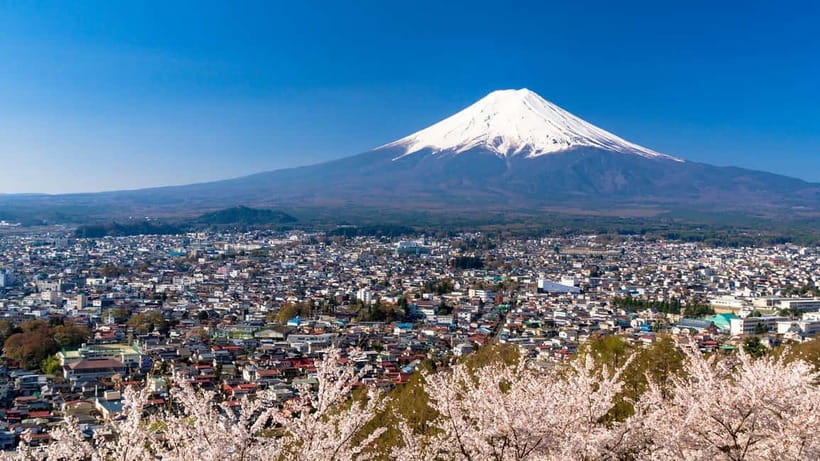
Mt. Fuji is easy to admire from Tokyo and surprisingly difficult to visit well on your own in a single day. The mountain sits far enough away that train connections, local buses, and weather decisions can eat up your time. This tour solves the transport problem with a direct coach from central Tokyo.
That matters most if you want a no-hike Fuji experience. You can step off the bus at the 5th Station, take photographs, look toward the upper slopes, and browse shops without committing to a demanding mountain route. At 2,300 meters, the air can feel much cooler than in Tokyo, so pack a light jacket even on a warm day.
The day also gives you more than one standard postcard stop. Oshino Hakkai feels lower, greener, and more traditional, with eight ponds fed by snowmelt from Mt. Fuji. The final stop, when available, changes the mood again: you either sit in hot water with a Fuji view or shop at a large outlet center below the mountain.
At $50, the price is attractive for a full day with round-trip transport and a guide. Meals, personal purchases, and the onsen fee are not included, so the final cost will be higher if you choose the bath. Still, the coach alone can make the price worthwhile, especially if you value convenience over independent timing.
More hot spring day trips around Japan:
- Osaka: Nara and Uji Day Trip with Deer Park and Hot Spring
★ 4.4 · 302 reviews - Tokyo: Onsen, Arts, and Nature Day Trip to Fuji and Hakone
★ 5.0 · 66 reviews - Chiang Mai: Chiang Rai Temples, Karen Tribe and Hot Springs
★ 4.7 · 5,401 reviews
Starting in Shinjuku or near Tokyo Station
You can begin at SMBC Bank Shinjuku Nishiguchi or Tokyo Station’s Marunouchi North Exit, depending on the option you book. The same two areas serve as the return points, which is helpful if your hotel or evening plans are near either side of central Tokyo.
Allow extra time to reach the meeting point. The tour uses a fixed departure, and the experience has two starting locations, so check your booking carefully rather than assuming the bus will wait at the more convenient station.
The ride to the Fuji area takes about two hours. That is a fair amount of coach time, but it is also the tradeoff for reaching several outlying sights in one day. Bring water, sunglasses, a camera, and comfortable clothes. Food and drinks are not allowed in the vehicle, so do not plan to turn the bus into a picnic spot.
If the group is small, an English-speaking driver-guide may handle the day. Commentary is not provided while driving. On larger departures, the guide may serve both English and Chinese speakers, so explanations can be brief and divided between languages.
Guide quality is worth keeping in mind. Lin Tian Anna received especially warm praise for keeping the day organized, giving clear stop instructions, and suggesting useful souvenirs and photo locations. That does not guarantee the same person on your departure, but it shows how much better the experience can feel when the guide explains what you are seeing instead of simply announcing a meeting time.
Mt. Fuji 5th Station from May through November
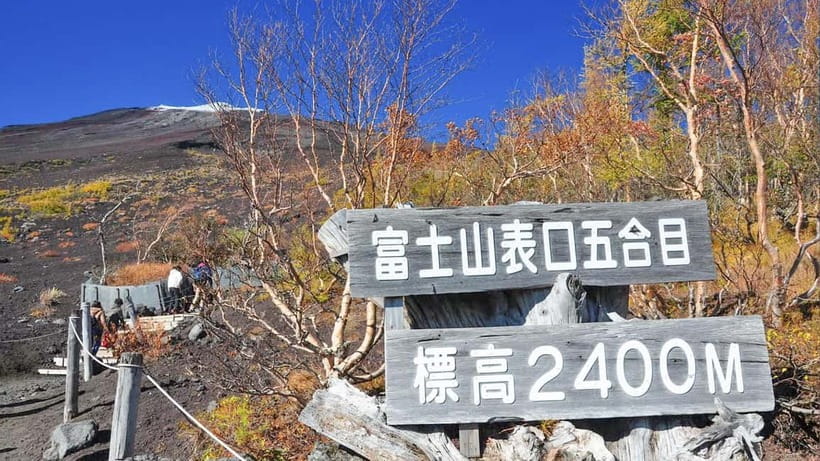
The 5th Station is the tour’s high point, both literally and visually. The bus climbs to about 2,300 meters, where you can photograph Mt. Fuji from a close vantage point without hiking up the mountain.
You get about an hour here for a photo stop, a short walk, sightseeing, and shopping. The shops sell souvenirs made from volcanic stone, a fitting purchase at a famous volcano. This is also a good place to buy a small keepsake without giving up much of the day.
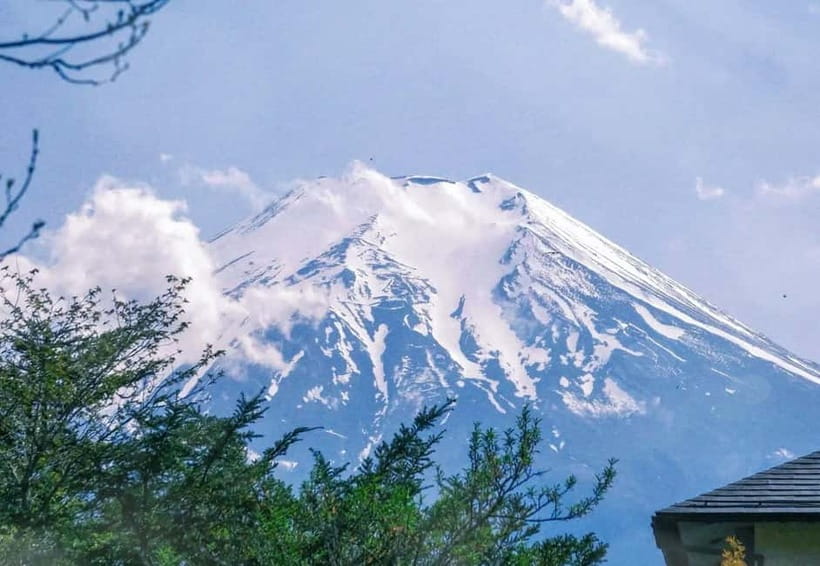
The view is weather-dependent. Clear conditions can produce the kind of close Fuji photographs that make the uphill drive worthwhile. Clouds, haze, or poor visibility can change the experience completely. No tour can control that, so try to keep your expectations focused on the visit itself rather than a guaranteed mountain portrait.
The altitude also changes the practical details. Wear shoes with good grip and bring a light jacket. Even if Tokyo feels mild, the 5th Station can be cold and windy. Sunglasses help with glare, and comfortable shoes make the short walking period easier.
The 5th Station is open for this tour from May 10 through November 30. Outside that window, the itinerary switches to Shinkurayama Asama Park rather than trying to force a visit to a seasonal mountain road.
Shinkurayama Asama Park and the famous red pagoda view
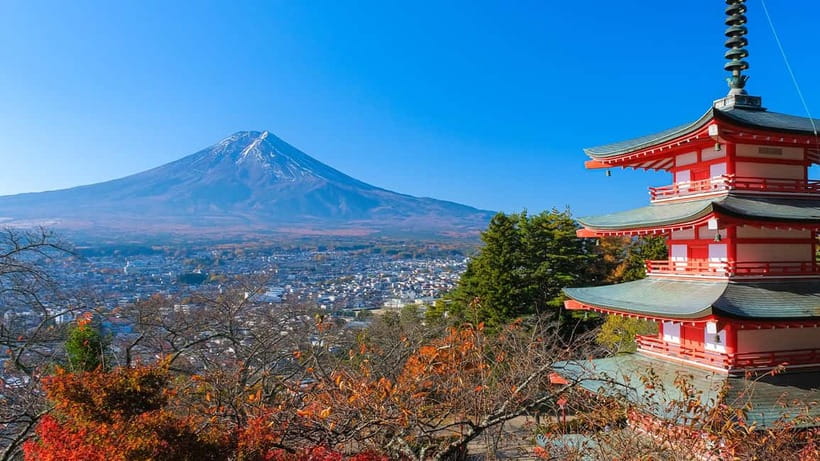
Shinkurayama Asama Park offers a different kind of Fuji photograph. Its well-known view combines the mountain, a crimson pagoda, and traditional Japanese design in one frame. This is the classic image many people picture when they think of Mt. Fuji postcards.
The change of site is important if you book during the colder months. You will not be standing at the 5th Station, but you may get the more recognizable composition of Fuji behind Japanese architecture. The park is best suited to people who care about photography and iconic scenery more than high-altitude access.
The exact order of stops can change when roads are crowded or conditions require it. On weekends and Japanese holidays, traffic delays are possible, and the tour may adjust the route, stop order, or time at each place. Avoid scheduling a same-day flight, Shinkansen, or early dinner after the tour.
More spa and hot spring days around Japan:
- From Marrakech: Camel Ride, Quad Bike & Spa Full-Day Trip
★ 4.7 · 473 reviews - Materuni waterfalls coffee tour & Chemka hot springs Day trip
★ 5.0 · 131 reviews - Chiang Mai: Chiang Rai Famous Temples & Hot Springs Day Trip
★ 4.0 · 129 reviews - From Ponta Delgada: Lagoa do Fogo & Hot Springs Day Trip
★ 4.9 · 71 reviews
Oshino Hakkai’s ponds and village lanes
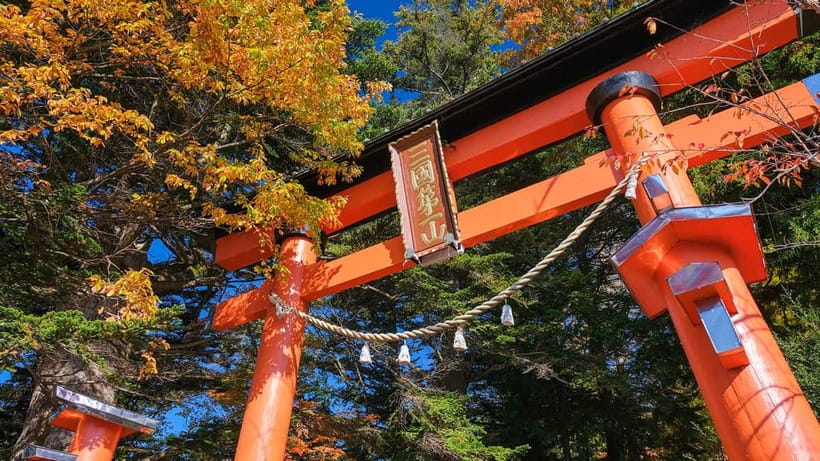
After the mountain viewpoint, the coach continues to Oshino Hakkai. You have about an hour to walk, take photographs, browse shops, eat lunch, and try street food.
The village is known for eight clear ponds fed by Mt. Fuji’s snowmelt. Their water is the star here. Look for reflections, quiet surfaces, and the contrast between the cold spring water and the traditional thatched-roof buildings nearby.
You can sample local mochi made with Fuji spring water, though food is at your own expense. Bring cash for snacks and small purchases. The supplied information specifically recommends cash, and small village stops are easier when you do not need to search for a card machine.
One hour is enough for a taste, not a slow village visit. You will need to choose between food, photographs, shops, and a proper walk. I would first locate the meeting point, then spend the remaining time at the ponds and village lanes before buying anything.
Oshino Hakkai gives the day some welcome texture. The 5th Station is broad, high, and exposed. Oshino feels more intimate and grounded, with water, old-style roofs, small shops, and local food. If you want only a mountain photograph, this stop may feel like a detour. If you want a fuller picture of the Fuji region, it earns its place.
Two hours at Konohananoyu Onsen
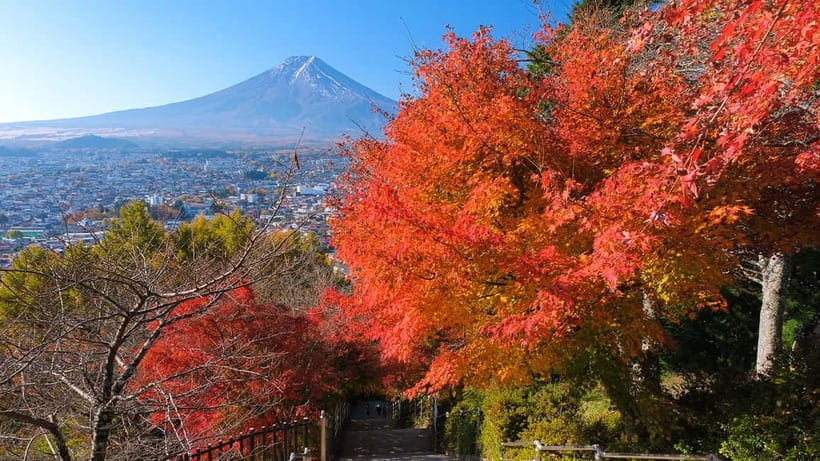
The final major stop is Konohananoyu, where the planned visit lasts two hours. The draw is simple: soak in an open-air bath while looking toward Mt. Fuji.
This can be the most relaxing part of the day, especially after several hours on a bus and short walks at the other stops. You can also eat a traditional Japanese meal in the rest area, but food costs extra.
You need to understand Japanese bath rules before choosing this option. Bathing is nude, with separate areas for men and women. Tattoos must be covered, and entry can be refused if they are not. The onsen fee is also not included in the $50 tour price.
Weekend and holiday conditions require extra caution. The baths can be crowded, with long waits. The information for this tour says hot spring arrangements are not available on weekends and Japanese national holidays, and that you may need to inquire in person. In practice, check the exact option and date before booking rather than assuming the onsen will operate in the same way every day.
Some recent experiences describe small tattoos being accepted when covered or handled according to the facility’s rules, but the stated policy is stricter: cover tattoos or risk refusal. If you are unsure, contact the provider before departure.
The guide may bring you to the onsen without explaining every bathing step. If you have never used a Japanese bath, ask for instructions at the entrance and watch the posted signs. Wash before entering the bath, keep towels out of the water, and stay within the correct bathing area. Those details make the visit far less stressful.
Gotemba Premium Outlets as the weekday alternative
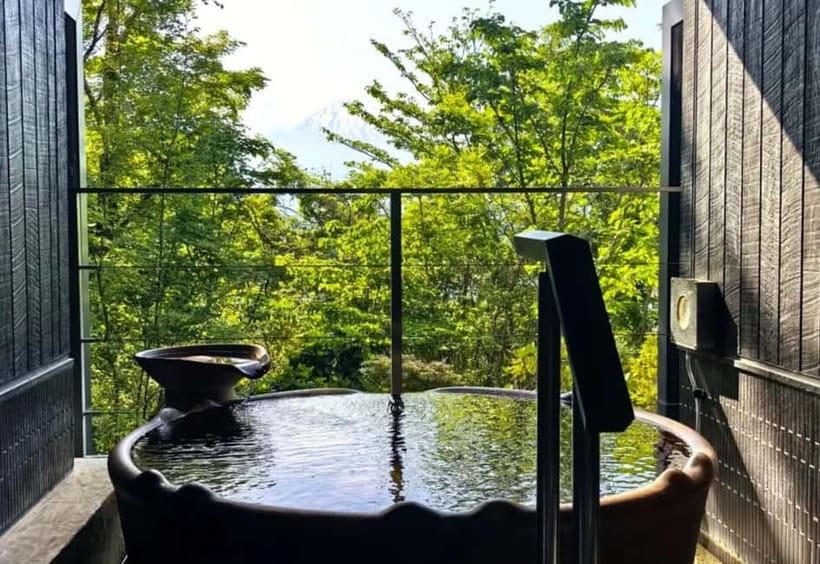
From Monday through Friday, you may be offered Gotemba Premium Outlets instead of the hot spring. This is not a minor substitute. It changes the final third of the day from quiet bathing to shopping, food, and browsing at the foot of Mt. Fuji.
The outlet center gives you a practical option if nude bathing is not for you, if you have tattoos, or if you simply prefer shopping. You can look up from the stores and still catch views of Fuji when the weather cooperates.
The tradeoff is atmosphere. The onsen offers a distinctly Japanese experience and a chance to slow down. The outlet center is more familiar and commercial. I would choose the bath if cultural experience and rest matter most. Choose Gotemba if you want clothing, gifts, a casual meal, or an easier option for a group with mixed interests.
The choice applies on weekdays. On weekends and Japanese national holidays, the hot spring arrangement is not available in the same way, so the exact plan may be adjusted. Confirm what your departure includes before you count on either option.
What the guide service is really like
This tour is sold as a guided experience, but the amount of explanation can vary. The best departures include a guide who gives clear instructions, points out useful photo spots, and helps you understand what each stop offers. Lin Tian Anna is one guide specifically praised for friendly organization and practical advice.
The weaker version is closer to escorted transport. You may reach a stop, receive a return time, and explore on your own with little context. One recent account described a driver with limited English and almost no explanation at the sights. That is a meaningful concern if you want cultural background rather than transport between photo stops.
The tour uses English and Chinese, and a guide may serve both language groups. That can mean shorter commentary than you would receive on a single-language tour. If your priority is detailed interpretation, a smaller specialist tour may suit you better. If your priority is reaching Fuji-area highlights without planning buses, this format remains useful.
Group size can also change. A small number of bookings may produce a small group with an English-speaking driver-guide. A fuller departure may use a more crowded coach. Weekend traffic can make the bus feel especially slow, so keep your evening open.
Who should book this experience
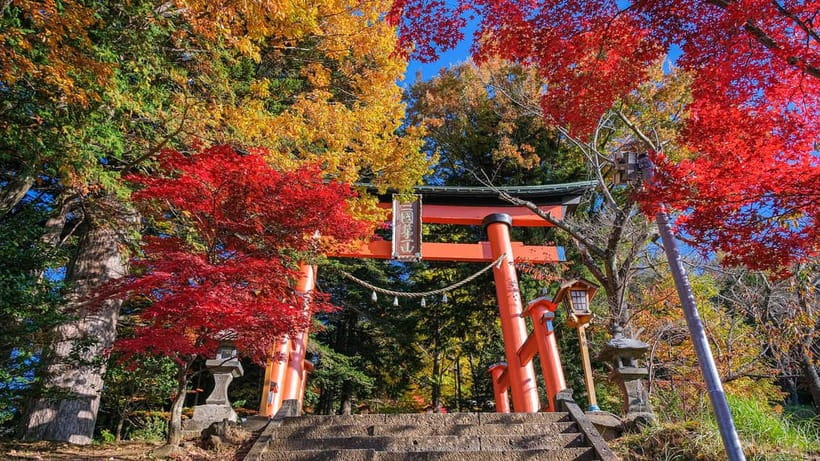
I would recommend it to you if you want to see Mt. Fuji without hiking, prefer an organized day from Tokyo, and like the idea of mixing scenery with a traditional village and either an onsen or outlet shopping.
It suits first-time visitors who do not want to decode regional bus routes. It also works for couples or friends who want several photo opportunities without renting a car.
It is less suitable if you need a slow, deeply explained cultural tour. The schedule gives about an hour at the 5th Station and Oshino Hakkai, so you will be moving on before every shop, pond, or viewpoint has been explored.
The tour is not suitable for pregnant women, people with mobility impairments, wheelchair users, or people over 70. Children aged 0 to 3 may join only after checking with customer service in advance, and any paid attraction tickets for them are not included.
The day involves long coach rides, short walking periods, changing weather, and possible delays. Pack lightly, tell the provider in advance about luggage or special requests, and expect extra fees for such arrangements.
Is the $50 price good value?
For $50, the strongest part of the deal is the transport. Tokyo to the Fuji area is a long trip, and this coach connects the mountain, Oshino Hakkai, and a final bath or shopping stop without requiring you to manage each leg.
The value is strongest when the weather is clear and the 5th Station is open. You receive several distinct settings for one fare, plus a guide and return transport. Add cash for food, souvenirs, and the onsen fee if applicable.
The value falls if you expect every admission and meal to be covered or if you need constant, detailed commentary. The tour is better understood as an organized sightseeing route with guide support, not a private educational tour.
Free cancellation up to 24 hours before departure and reserve-now, pay-later booking add flexibility. The provider does not include personal travel or accident insurance, so arrange that separately if you want it.
Should you book this Fuji day trip?
Book it if your goal is easy access to several Fuji-area highlights at a modest price. The 5th Station or Shinkurayama Asama Park, Oshino Hakkai, and a weekday onsen or outlet stop create a satisfying range of scenery and activities.
Before paying, check three things: the seasonal viewpoint, the final-stop choice, and the onsen fee. If you are visiting on a weekend, build in extra time and do not schedule tight evening transport.
My practical verdict is positive, with realistic expectations. You are buying convenience and variety, not a perfectly paced private tour. On a clear day with a strong guide, it can be an excellent Tokyo escape. If detailed commentary, guaranteed bathing, or a quiet schedule matters most, choose a smaller or more specialized option.
FAQ
Where does the tour start in Tokyo?
You can meet the group at SMBC Bank Shinjuku Nishiguchi or Tokyo Station’s Marunouchi North Exit. The exact meeting point depends on the option booked.
How long does the bus ride to Mt. Fuji take?
The bus ride from Tokyo to the Fuji area takes about two hours. The return ride to Tokyo also takes about two hours.
Is the Mt. Fuji 5th Station visited all year?
No. The stated opening period for the 5th Station visit is May 10 through November 30. Outside that period, the tour visits Shinkurayama Asama Park instead.
Is hiking required at Mt. Fuji’s 5th Station?
No. The tour reaches the 5th Station by bus, giving you time for sightseeing, photographs, and shopping without a mountain hike.
Is the onsen included in the $50 price?
No. The onsen fee is listed as an extra cost. Meals and personal expenses are also not included.
What are the rules for using the onsen?
Japanese nude bathing rules apply, with separate areas for men and women. Tattoos must be covered, or entry may be refused.
Can I choose Gotemba Premium Outlets instead of the onsen?
From Monday through Friday, you can choose between Gotemba Premium Outlets and the hot spring experience. Hot spring arrangements are not available in the same way on weekends and Japanese national holidays.
Just added around Japan
- From Tokyo: Mt Fuji and Hakone Private Day Trip★ 4.5 · 75 reviews
- Tokyo: Onsen, Arts, and Nature Day Trip to Fuji and Hakone★ 5.0 · 66 reviews
- Tokyo: Nikko World Heritage Private Day Trip Hotel Pick-up★ 4.8 · 145 reviews
- Tokyo Private Day Trip With English Speaking Driver★ 4.9 · 34 reviews
- Tokyo: Mount Fuji and Hakone Private Sightseeing Day Tour★ 4.9 · 76 reviews
- From Tokyo:Mount Fuji&Hakone Customize Full Day Private Tour★ 4.8 · 27 reviews
- Tokyo → Nikko:Private Customizable Day Trip (English Driver)★ 4.9 · 26 reviews
- Tokyo: Day Trip to Kamakura in Spanish – Spanish★ 4.9 · 22 reviews
Hot Spring Day Trips, compared.
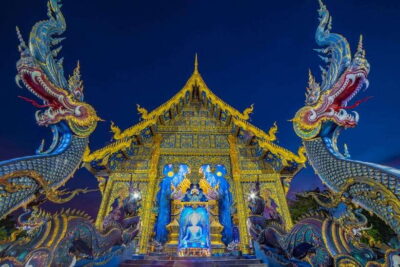
Chiang Mai: Chiang Rai Temples, Karen Tribe and Hot Springs
Read our review →
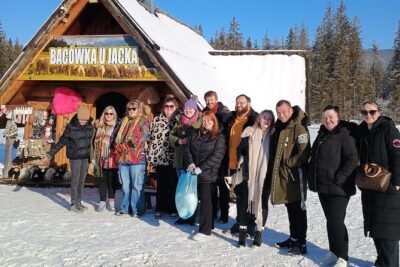
Krakow to Zakopane: Funicular, Tasting and Thermal Baths Day Trip
Read our review →
Krakow: Zakopane, Gubałówka, and Thermal Baths Day Trip
Read our review →
Osaka: Nara and Uji Day Trip with Deer Park and Hot Spring
Read our review →
Krakow: Zakopane, Gubałówka & Thermal Baths – Full-Day Tour
Read our review →
Materuni waterfalls coffee tour & Chemka hot springs Day trip
Read our review →
Chiang Mai: Chiang Rai Famous Temples & Hot Springs Day Trip
Read our review →Browse the lists this tour appears in