
Review · BELGIUM
From Brussels: Flanders Fields Remembrance Full-Day Trip
The most moving part of this full-day trip is its final hour: after a long day among cemeteries, trenches, and battle sites, you stand beneath Menin Gate for the Last Post Ceremony. The simple daily tribute gives the whole day a quiet focus. Before that, you visit Passchendaele, Tyne Cot, Essex Farm, and the In Flanders Fields Museum.
I like the way the tour links famous sites with smaller memorials, especially the Brooding Soldier and the field hospital where John McCrae wrote In Flanders Fields. I also like the strong guides, including Dietrich, Stefan, and Steffen, who have been praised for clear explanations and personal connections to the war. The drawback is the length: this can run 12 to 13 hours, with possible extra driving through Bruges and limited time at the museum.
Key points to know before you go
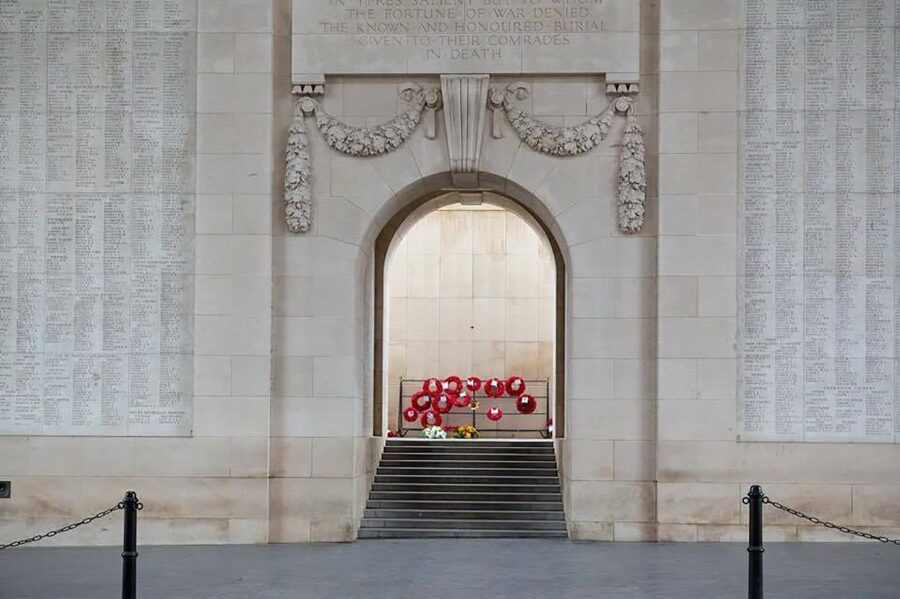
- The Last Post at Menin Gate is the emotional high point, held at 8 p.m. as a tribute to Commonwealth soldiers missing after battle.
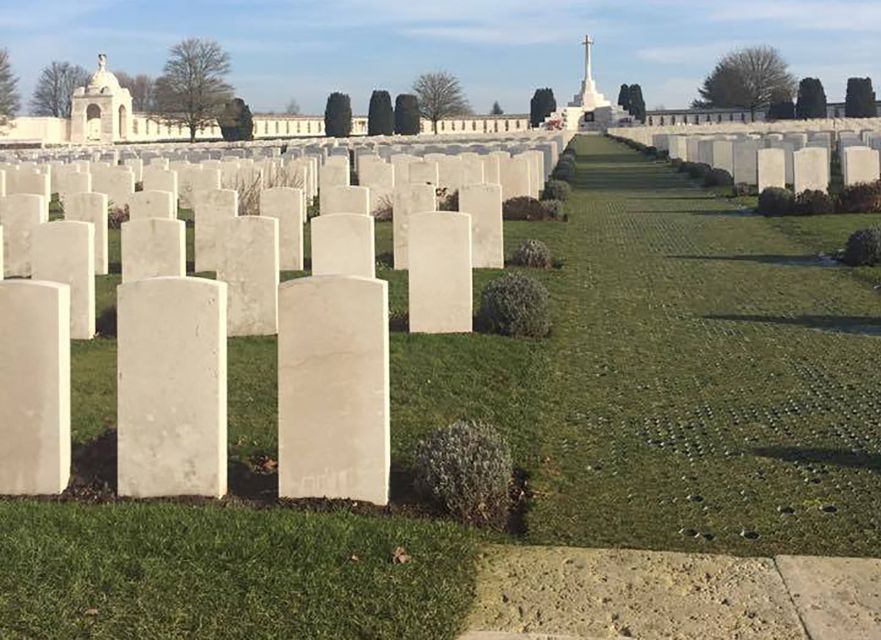
- Tyne Cot is the largest Commonwealth cemetery in the world, with British, Irish, Australian, and Canadian servicemen buried there.
- The tour covers a lot of ground, from German and Commonwealth cemeteries to trenches, Passchendaele, Ypres, and Essex Farm.
- Museum time can feel rushed, sometimes lasting only 35 minutes to one hour, so history enthusiasts may want a longer independent visit to Ypres.
- The coach is comfortable, but a pickup or drop-off in Bruges can add roughly two hours to the day.
- Wear sturdy, comfortable shoes, and think carefully before booking if stairs, uneven ground, or long days are difficult for you.
What this Flanders Fields day is really about
This is not a quick photo stop in the countryside. It is a long, serious study of the First World War, built around places where men fought, died, were treated, or were buried.
Your guide begins speaking on the road from Brussels, explaining the events that led to the war and how the conflict spread into the trench systems of Belgium. That early talk matters. Without it, a cemetery can become only rows of names and white stones. With some context, the sites begin to show the scale of the fighting and the human cost behind it.
The English-language commentary continues throughout the day. Guides such as Dietrich, Stefan, and Steffen have been singled out for their command of the subject, warm manner, and ability to add family stories. The quality of the guide matters a great deal here. A good explanation can connect a quiet field to a battle that changed thousands of lives.
This is also a tour for people who accept that remembrance is the point. There is little light sightseeing. Much of the day is spent at cemeteries, memorials, trenches, and museums. That may sound obvious, but it is worth saying plainly before you commit to 13 hours.
A few more day trips around Belgium worth a look
- From Brussels: Guided Day Trip to Bruges and Ghent
★ 4.6 · 8,353 reviews - From Amsterdam: Bruges Day Trip in English with Boat Option
★ 4.4 · 1,989 reviews - From Amsterdam: Bruges Day Trip in Spanish with Boat Option
★ 4.6 · 1,866 reviews
The road from Brussels to Flanders
The meeting point is outside the National Bank of Belgium on Boulevard de Berlaimont 18. Look for the tour staff and the Keolis coach. The trip ends back at the same meeting point near Central Station.
The first transfer is listed as about two hours. In practice, the route may include Bruges to collect or return other passengers. That extra stop has frustrated some people because it can lengthen an already demanding day and reduce time for lunch or the museum.
The coach itself has been described as comfortable, which helps. Still, you should not think of the ride as dead time. The guide starts setting out the political background and military story on the way, often using maps to explain the fronts and the main battles.
Bring water, a small snack, and something to read only if you can do so without missing the commentary. You will have free time later, but the schedule is full and the day does not leave much room for delays.
German Cemetery and the first trench sites
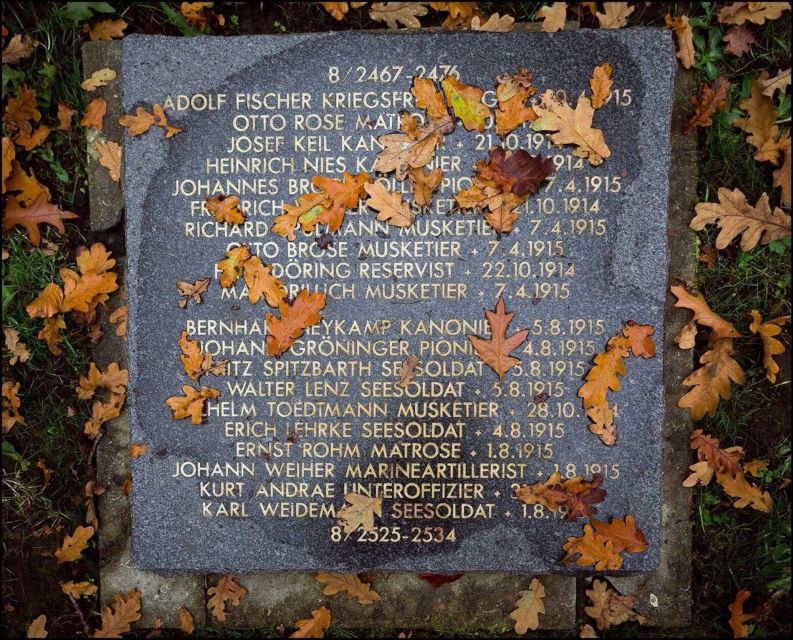
One of the early stops is a German cemetery. It gives you a different view of the war from the Commonwealth cemeteries visited later. The graves are a reminder that this was not a simple story of heroes on one side and villains on the other. Young men from several countries were sent into an industrial war that destroyed entire units.
The tour then reaches a section of First World War trenches. The exact amount of time at trench sites can vary, and one account felt that the trench element was not extensive enough. That is useful to keep in mind if you expect a large preserved trench complex.
The ground around these sites can be uneven. The tour is not recommended for people with limited mobility and is not suitable for wheelchair users. Comfortable shoes are essential, not merely a packing suggestion.
The Brooding Soldier and Hill 60
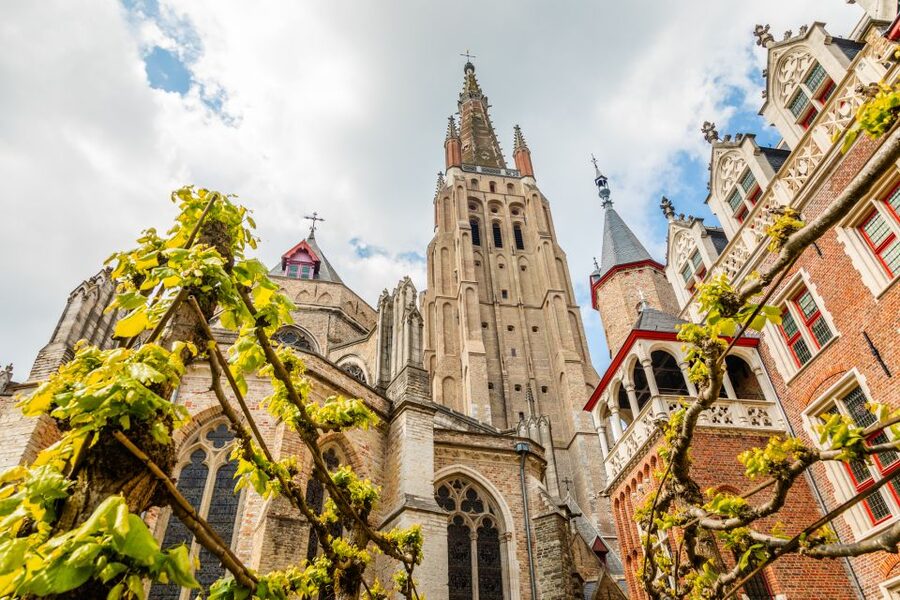
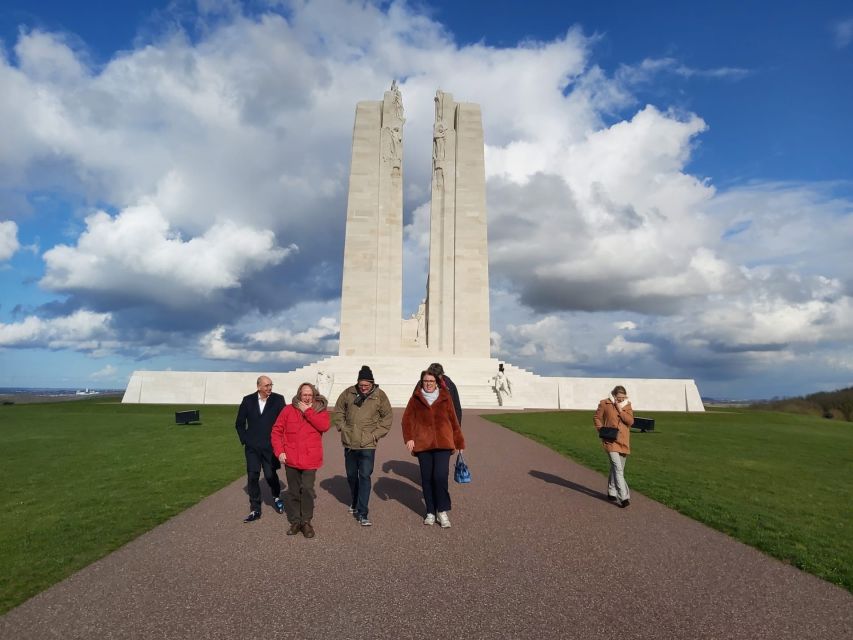
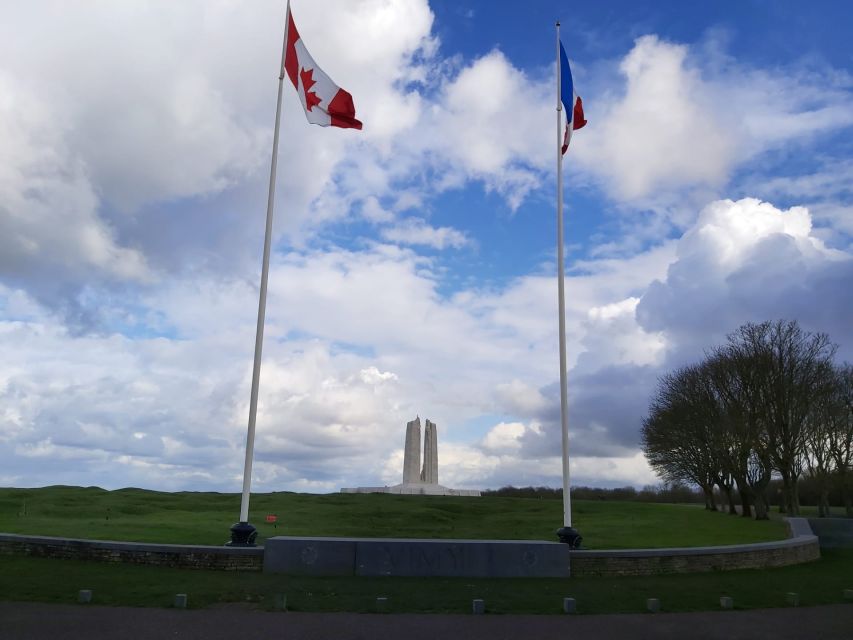
At the Brooding Soldier, you pause before the monument to Canadian soldiers killed during the first German gas attack. The statue depicts a soldier in a posture of grief and thought, which gives the stop a different mood from a grand military memorial.
The monument recalls the sacrifice of 2,000 Canadian soldiers. It is one of the day’s most focused moments because the memorial links a broad event, chemical warfare, to a specific national force and a particular place.
Nearby Hill 60 was created through tunnelling by the Royal Engineers before German forces took it. Your guide explains the underground work and the fighting connected with this ground. Even if you have read about the war, being shown how closely the sites sit together helps you understand why control of a small rise could matter so much.
Expect interpretation rather than a long, independent exploration at each stop. The guide does most of the storytelling, so stay close and listen.
Same base, a completely different day out:
- Luxembourg and Dinant Day Trip from Brussels
★ 4.0 · 1,474 reviews - From Brussels: Bruges Day Trip with Boat Tour Option (ENG)
★ 4.6 · 1,352 reviews - From Brussels: Bruges Day Trip with Boat Tour Option (ES)
★ 4.7 · 1,171 reviews - From Paris: Day Trip to Bruges with Optional Seasonal Cruise
★ 4.4 · 1,034 reviews
Passchendaele, where the mud became part of the story
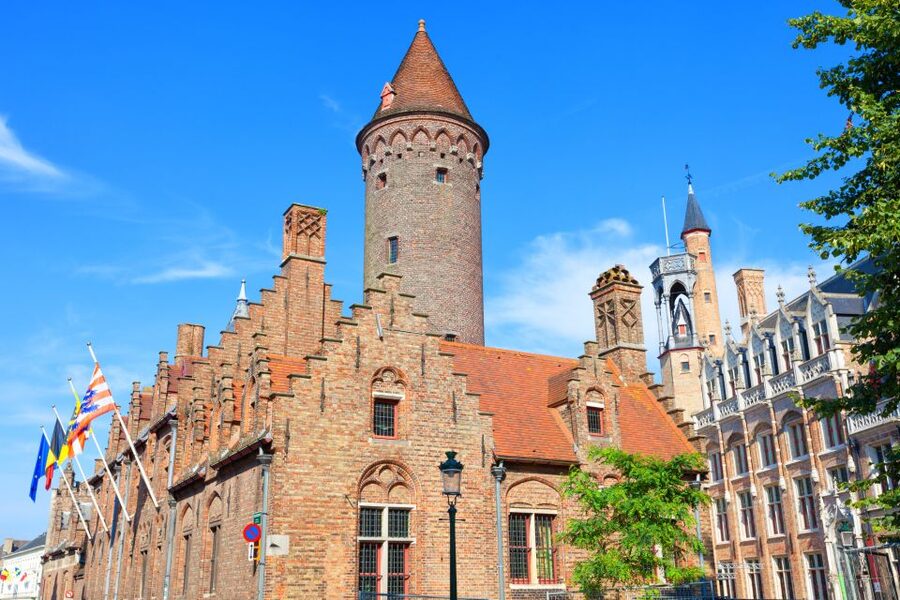
Passchendaele is one of the names most closely tied to the misery of the First World War. The battlefield visit helps place the famous battle in its physical setting, rather than leaving it as a date in a book.
The stop is valuable because the name Passchendaele carries so much weight. The fighting, mud, artillery, and terrible conditions have become symbols of trench warfare. Your guide connects the battlefield to the larger story of the four-year conflict.
Do not expect a theme park or a rebuilt battle scene. The experience is about standing in the area, hearing the explanation, and thinking about what happened there. Much of the power comes from the contrast between the quiet modern countryside and the violence that once filled it.
The amount of time available at each battlefield can be limited. This is a good overview for a first visit, but a specialist may want a private guide or a longer battlefield program focused on specific units and actions.
Tyne Cot Cemetery and the scale of loss
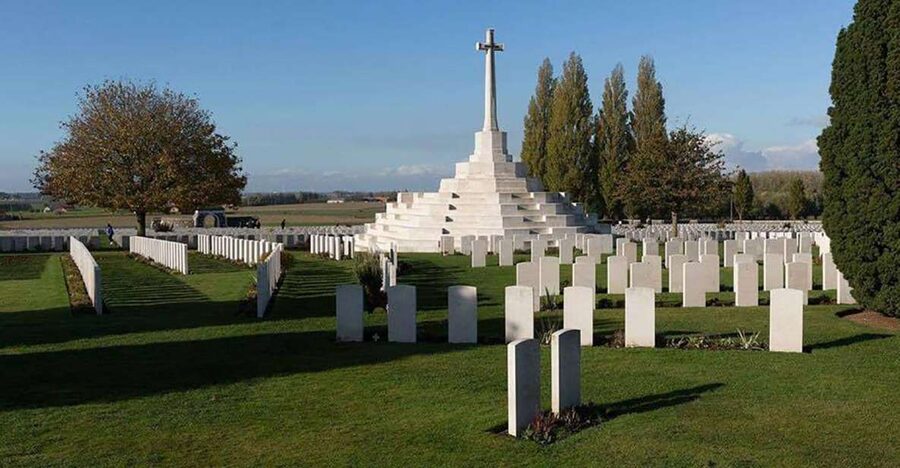
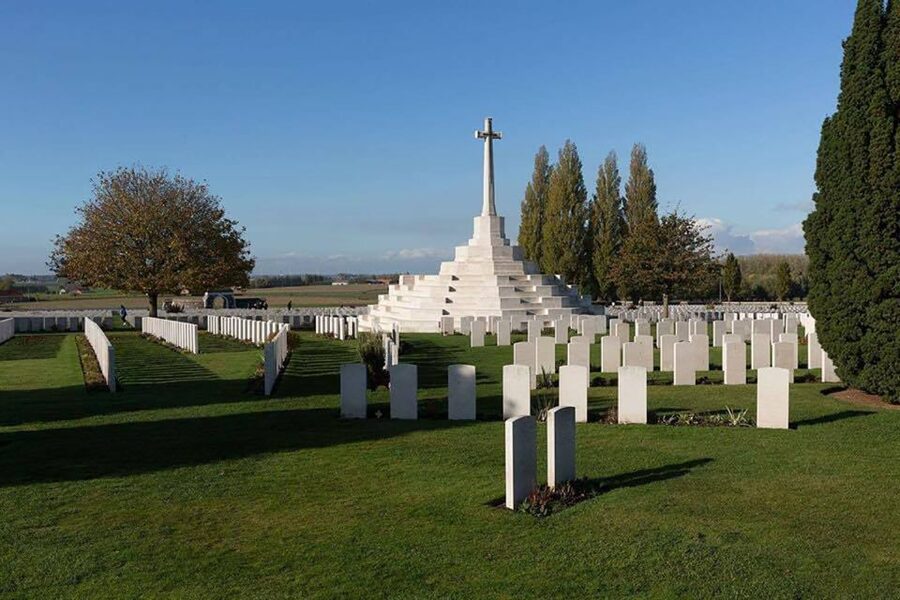
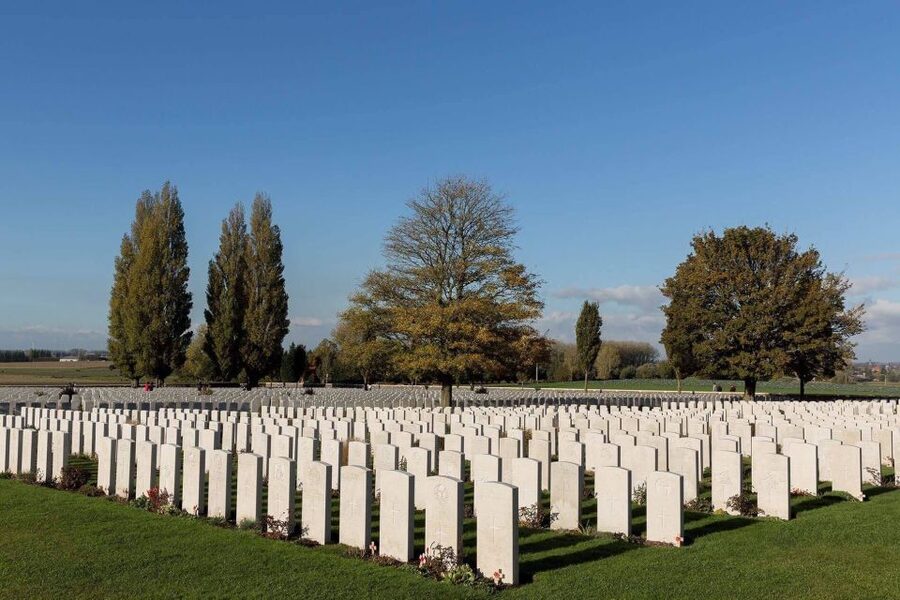
Tyne Cot is one of the central stops. It is the largest Commonwealth cemetery in the world, and the scale becomes clear as you move among the graves and memorials.
British, Irish, Australian, and Canadian soldiers are represented here. The cemetery is orderly and carefully maintained, but the order does not make the numbers easier to absorb. It gives you a place to slow down after the military explanations and consider the individual lives behind the names.
Your guide will help explain what you are seeing, but allow yourself some quiet time as well. This is not a place for a hurried group photo. The value of the stop is in the contrast between the vast number of burials and the small details on each marker.
For anyone with a family connection to the area, Tyne Cot may be especially powerful. The tour can work as a pilgrimage as much as a history outing, though you should tell your guide early if you need help locating a particular name or regiment. The supplied information does not promise individual grave research, so do not book on the assumption that this will be a dedicated genealogy tour.
Lunch and Ypres between battlefield visits
The group stops in Ypres for lunch and later has free time or a quick snack before the evening ceremony. This is your chance to sit down, use facilities, and see a little of the town beyond its war memorials.
The lunch is not the main attraction, and one account found the meal underwhelming. Time can also be tight. Some people have had to eat quickly because the restaurant schedule and museum booking left little slack.
That is not necessarily a flaw in a battlefield day. The tour is trying to cover a large area before the fixed 8 p.m. ceremony. Still, you should keep expectations modest. If you want a leisurely Belgian meal in Ypres, this schedule may not suit you.
Ypres itself provides a welcome pause. After hours of cemeteries and battle sites, the town gives you a chance to reset before the museum and Menin Gate. Use the free time carefully, since the later departure is fixed.
In Flanders Fields Museum: excellent, but possibly rushed
The In Flanders Fields Museum is the only stated museum entrance included in the price. It offers a broader account of the war, with particular attention to the trench experience and the people caught in it.
The museum is an important counterpoint to the outdoor stops. Cemeteries show the aftermath, while the exhibits help explain the daily life, fear, politics, and military systems that shaped the conflict. You hear individual stories rather than only battle names and casualty figures.
The main warning is time. The scheduled visit may be about one hour, and some departures have allowed only 35 minutes. That is not enough for a careful visit if you read displays at a normal pace.
If museums are your main reason for coming, this tour may leave you wanting more. You can return to Ypres independently on another day and spend longer inside. For a first overview, though, even a short visit adds useful context to the battlefield stops.
Essex Farm and the story behind McCrae’s poem
At Essex Farm, you visit the field hospital associated with Canadian surgeon John McCrae. It was here that he wrote In Flanders Fields, one of the best-known poems connected with the First World War.
This stop gives the day a more personal entry point. McCrae was not only observing the war from a distance. He was working in a medical setting, seeing the wounded and the dead. The poem’s familiar lines carry more weight when you understand the place and circumstances tied to them.
The cemetery and hospital connection also broaden the story. The war was fought in trenches, but it was endured in dressing stations, hospitals, roads, farms, and towns. Essex Farm helps you see that wider network of suffering.
You will not spend the whole afternoon here. Think of it as a concise, meaningful stop that gains much of its effect from the guide’s explanation.
The Last Post Ceremony at Menin Gate
The day ends at Menin Gate in Ypres for the 8 p.m. Last Post Ceremony. This daily tribute honors Commonwealth officers and soldiers who went missing after battles in the area.
The ceremony is simple, formal, and quiet. After a day filled with dates and military movements, the sound of the Last Post brings the focus back to remembrance. You do not need a specialist interest in military history to understand why this moment affects people.
Arrive prepared to stand and remain attentive. The ceremony is not a casual evening attraction, and the group will need to be in position on time. Its fixed schedule also explains why the rest of the day can feel tightly controlled.
For me, this is the strongest reason to choose the full-day format. A shorter battlefield outing might show you a cemetery or trench, but it would miss the way the day builds toward this public act of remembrance.
What the $107 price includes
At $107 per person, the tour is not a bargain day trip in the ordinary sense, but the price covers a lot of ground. You receive round-trip coach transport from Brussels, an English-speaking professional guide, and entry to the In Flanders Fields Museum.
The value rests mainly on transport and interpretation. Reaching Passchendaele, Hill 60, Essex Farm, Tyne Cot, and Ypres independently would take planning, local connections, and careful timing. The coach also solves the problem of getting back to Brussels after the evening ceremony.
The price does not include hotel pickup or drop-off, lunch, snacks, or drinks. You must reach the Brussels meeting point yourself. Factor in food costs and the possibility of extra travel through Bruges when comparing this with a private car or a shorter local tour.
For a history enthusiast, the combination of several major sites and the Last Post is fair value. For someone who mainly wants to see Ypres, the museum, and one cemetery, a shorter visit may be a better use of time and money.
Who should book this day
I would choose this tour if you want a broad introduction to First World War sites in Belgium and prefer a guide to organize the transport and explain the story. It is especially suitable for history buffs, family remembrance trips, and anyone who wants to attend the Last Post without arranging a late return from Ypres.
You should also be comfortable with a long coach day. The schedule can reach 13 hours, and the possible Bruges connection may add more sitting time. Museum lovers and serious battlefield students may find the explanations too general or the stops too short, especially if you already know the major campaigns.
The best preparation is simple: wear walking shoes, bring food money, allow for a rushed lunch, and read a little about the First World War beforehand. You will get more from the sites if names such as Passchendaele, Hill 60, and Essex Farm already mean something to you.
Should you book the Flanders Fields tour?
Book it if you want a carefully arranged, emotionally serious introduction to the Ypres area, with a strong chance of having a passionate guide such as Dietrich, Stefan, or Steffen. The combination of Tyne Cot, Passchendaele, Essex Farm, the museum, and Menin Gate gives you a broad view in one demanding day.
Skip it if you need a relaxed pace, a long museum visit, or detailed unit-by-unit battlefield research. The tour covers a great deal, but that means time at individual sites can be brief.
For most first-time visitors with a real interest in the First World War, I think the final Last Post Ceremony makes the long day worthwhile. Just book it knowing that this is a remembrance tour first and a comfortable sightseeing outing second.
FAQ
How long does the Flanders Fields tour last?
The advertised duration is 13 hours. The full day includes travel from Brussels, several battlefield and cemetery visits, time in Ypres, and the 8 p.m. Last Post Ceremony.
Where does the tour begin?
It begins at Boulevard de Berlaimont 18, outside the National Bank of Belgium. Look for the tour staff and the Keolis coach.
Where does the tour finish?
The tour returns to the original meeting point near Brussels Central Station.
Is hotel pickup included?
No. Hotel pickup and drop-off are not included, so you must make your own way to the Brussels meeting point.
Is the tour conducted in English?
Yes. The tour has a live English-speaking guide.
What entrance fee is included?
Admission to the In Flanders Fields Museum is included. Other meals, snacks, and drinks are not included.
Is the tour suitable for wheelchair users?
No. The activity is not suitable for wheelchair users and is not recommended for people with limited mobility.
What should I bring?
Bring comfortable shoes. You should also allow for a long day, walking at cemeteries and memorials, and limited time for meals.
Just added around Belgium
- From Paris: Day Trip to the Enchanting Brussels and Bruges★ 4.2 · 323 reviews
- From Brussels: Day Trip to Ghent with Atomium★ 4.7 · 192 reviews
- From Brussels: Day Trip to Ghent with Atomium in English★ 4.5 · 88 reviews
- From Brussels: Bruges Full-Day Trip by Train★ 4.5 · 232 reviews
- From Brussels: Bruges and Ghent Full-Day Trip by Train★ 4.3 · 103 reviews
- From Bruges: Flanders Fields Remembrance Full-Day Trip★ 4.8 · 65 reviews
- From Amsterdam: Day Trip to the Charming Brussels and Bruges★ 4.6 · 264 reviews
- From Amsterdam: Day Trip to Bruges in Spanish or English★ 4.6 · 357 reviews
Belgium Day Trips, compared.
From Brussels: Guided Day Trip to Bruges and Ghent
Read our review →
From Amsterdam: Bruges Day Trip in English with Boat Option
Read our review →
From Amsterdam: Bruges Day Trip in Spanish with Boat Option
Read our review →
From Brussels: Bruges Day Trip with Boat Tour Option (ENG)
Read our review →
From Brussels: Bruges Day Trip with Boat Tour Option (ES)
Read our review →
From Paris: Day Trip to Bruges with Optional Seasonal Cruise
Read our review →
Browse the lists this tour appears in