
Review · DAY TRIPS
Private Day Trip to Timisoara from Belgrade
Timisoara gives you a fine reason to cross the Serbian border for a day. Its old center packs Baroque churches, Art Nouveau facades, grand squares, and the story of Romania’s 1989 anti-communist revolution into a compact area that is easy to explore on foot. The private ride from Belgrade makes the border crossing and long drive far less tiring.
I like the door-to-door pickup and the freedom of a private vehicle. I also like the mix of guided sightseeing and independent time. Guides such as Uros, Drazen, Konstantin, Milos, and Stefan have been praised for explaining both Serbia and Romania, adjusting the pace, and making the day feel personal.
The catch is the driving time. You can spend close to five hours on the road, and border formalities or traffic may reduce your time in Timisoara. At $226.85 per person, this is easiest to justify for a couple or small group, especially when the group discount applies.
Key points to know
- A real cross-border day: You leave Belgrade around 8 a.m. and travel roughly 2.5 hours each way to Timisoara.
- Private transport: One to three people travel by private sedan, while groups of four to seven use an air-conditioned minivan.
- The best old-town sights: The route includes Victory Square, Liberty Square, Union Square, the Serbian Orthodox Cathedral, and the Roman Catholic Cathedral.
- A serious history stop: The Memorialul Revolutiei covers the December 1989 uprising with photographs, documents, posters, and an English-subtitled film.
- Free time matters: After the guided walk, you can choose lunch, shopping, photographs, or a longer visit to the revolution museum.
- Good for history-minded visitors: The guide adds useful context about the Banat region, Serbian and Romanian connections, and Timisoara’s role in ending communist rule.
Why Timisoara makes sense from Belgrade
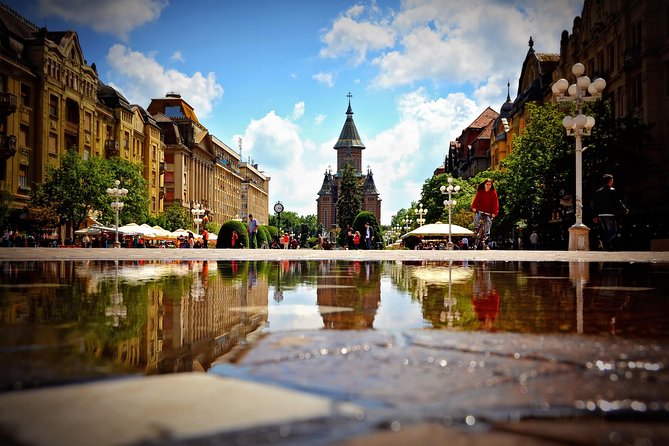
Belgrade and Timisoara are close enough geographically for a day trip, but they offer noticeably different city experiences. Belgrade has a larger, rougher, more layered feel. Timisoara’s central district is more compact, with broad squares and carefully arranged historic buildings.
The city’s identity comes from several cultures meeting in the Banat region. Romanian, Serbian, Hungarian, Austrian, German, Catholic, Orthodox, and Ottoman influences all appear in the streets and buildings. You do not need a long museum visit to notice this. A walk from one square to the next brings a new church, language, architectural style, or historical reference.
That makes a guide particularly useful. Without one, you can admire the facades and take good photographs, but you may miss why two different churches face one another in Union Square, or why bullet marks near the Orthodox Cathedral matter.
More private day trips around the world:
- From Milan: Como Private Boat, Bellagio and Lugano Day Trip
★ 4.8 · 6,271 reviews - From Delhi: Taj Mahal & Agra Private Day Trip with Transfers
★ 4.9 · 3,181 reviews - Lake Como & Bellagio Day Trip with Private Boat Cruise
★ 4.0 · 2,587 reviews
A comfortable start from your Belgrade hotel
The day begins with pickup at about 8 a.m. from a hotel, Airbnb, pension, or the Belgrade port, provided it is within 10 kilometers of Republic Square. Airport pickup is possible for an extra 15 EUR.
You travel in a private sedan for one to three people or an air-conditioned minivan for four to seven. Fuel, parking, and road tolls are included, and each person receives a bottle of water. That removes the small costs and planning chores that can make a cross-border day trip feel messy.
The drive takes around 2.5 hours in each direction, although the actual time can change with traffic and border procedures. The route itself becomes part of the day. Guides have used the journey to explain Serbian and Romanian history, point out places of interest, and discuss the countryside and villages of the Banat area.
I would treat the outward ride as useful orientation time rather than dead time. Still, be realistic: with roughly five hours spent traveling, this is not a slow, leisurely exploration of Romania. It is an efficient way to add one important city to a Belgrade stay.
Orthodox Cathedral and the first clues to the 1989 uprising
The walking portion begins at Timisoara’s Orthodox Cathedral, built in the late 1930s in an eclectic neo-Moldavian style. Its design brings together Byzantine, Gothic, Ottoman, and Renaissance elements, which makes it a fitting first stop in a city shaped by several traditions.
Inside, you may see fragments of an 18th-century Baroque altar. The basement contains religious objects, rare books, icons, and paintings. The visit is brief, about 15 minutes, so do not expect a long interior study.
The most striking detail is outside. Look for bullet marks on the steps in front of the cathedral. They connect this ordinary-looking part of the city to the people’s revolution that began in Timisoara in December 1989. Your guide can explain how the events unfolded and why this location became important.
Victory Square and Timisoara’s public face
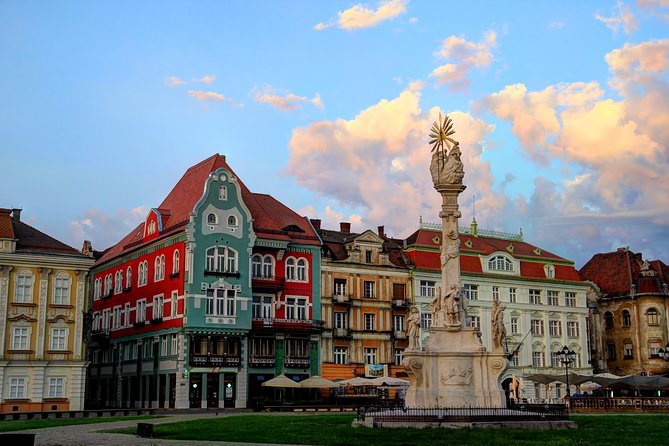
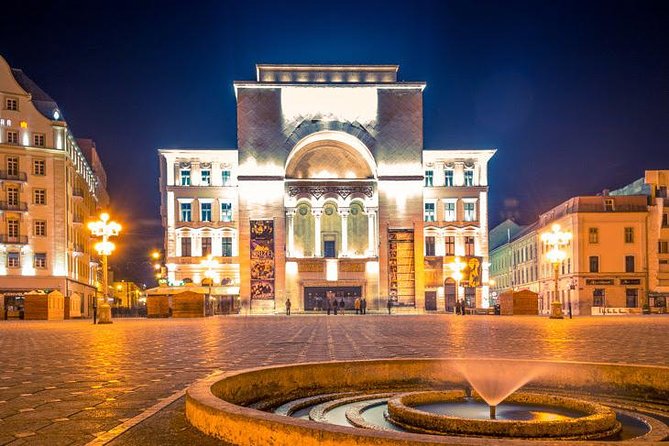
From the cathedral, the route continues to Piata Victoriei, or Victory Square, also called Opera Square. Laid out in 1906, it is one of the city’s broad public spaces and a good place to understand Timisoara’s architecture at a glance.
The square is framed by older buildings whose ground floors now hold bookshops, galleries, cafes, and restaurants. You will also see theaters, a museum, a monument to King Ferdinand, and a memorial to those who died in the 1989 revolution.
The Capitoline she-wolf sculpture, presented by Rome, is another easy-to-miss detail. So is the old artesian well. The scheduled visit lasts about 20 minutes, enough for an explanation and photographs, but not enough for a full look at every building.
This is one place where your free time later becomes useful. If a facade catches your eye, note it and return after the formal walk. The center is compact enough that you can find your way back without much trouble.
A few more day trips around the world worth a look
- Capri & Blue Grotto Semi Private Boat Day Trip from Sorrento
★ 5.0 · 2,053 reviews - Delhi to Agra and Taj Mahal Private Day Trip by Express Train with Lunch
★ 5.0 · 1,389 reviews - From Tokyo: Mount Fuji Customizable Private Day Tour
★ 4.9 · 1,070 reviews - Nara Half Day Trip Walking Tour (Private Option Available)
★ 5.0 · 937 reviews
Liberty Square and the city’s layered past
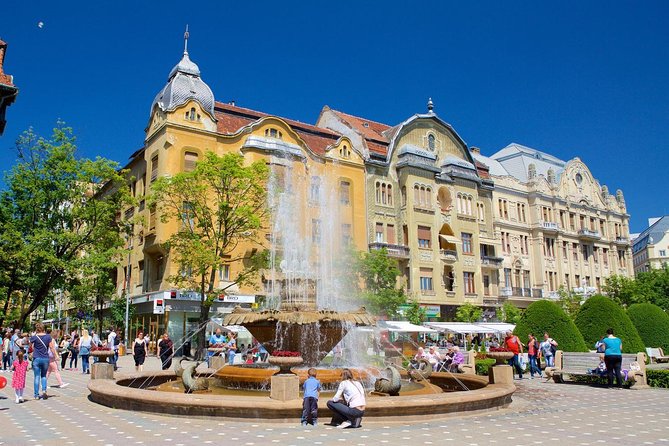
Liberty Square offers a different mood. It is smaller and more enclosed than Victory Square, with buildings that show how Ottoman, Habsburg, Serbian, Romanian, and Catholic influences overlap in Timisoara.
The Old City Hall carries a Turkish inscription, an unusual detail that helps explain the city’s past under Ottoman rule. The square also includes the Casino Military Museum, the old town hall, the Foreign Ministry building, and the Sf Ioan Nepomuk Monument.
The sandstone monument dates from 1756 and honors those who died during the plague epidemic of 1738. Its presence gives the square a human scale. This is not just a stop for architectural photographs. It also shows how public spaces once recorded war, disease, religion, and government in stone.
The planned stop is around 15 minutes. Keep listening during the guide’s explanation, since the significance of the square is easy to miss if you simply walk through it on your own.
Union Square and two churches facing each other
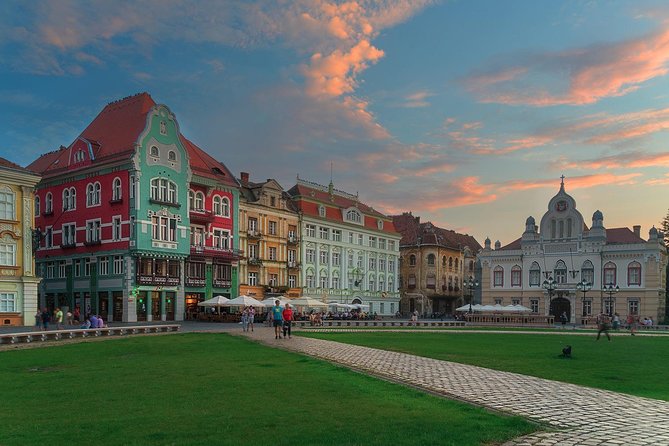
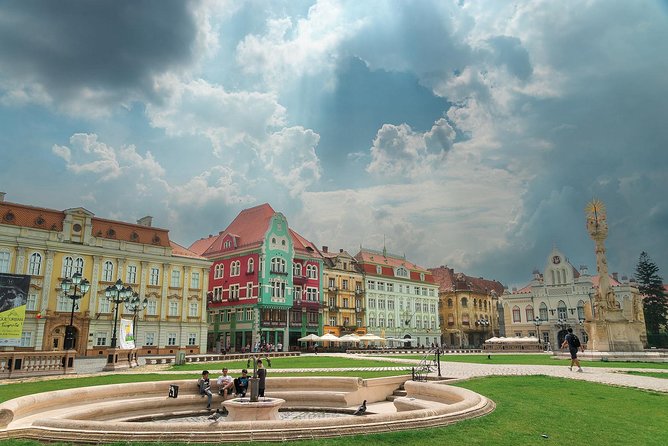
Union Square is the oldest of the main squares on this route. Its architecture is largely from the 18th and 19th centuries, so it feels older and more formal than Victory Square.
The square’s name has a symbolic quality. The Serbian Orthodox Cathedral and the Roman Catholic Cathedral face each other across the open space, not in conflict but in quiet proximity. The arrangement reflects the area’s mixed religious and cultural character.
Until 1919, the square was called Lasonczy Market, after Stefan Lasonchy, a 16th-century commander who defended the city against the Turks. That detail gives the square another layer of meaning, linking military history with the everyday business of a market.
You get about 20 minutes here, which should allow time for photographs and a clear explanation of the major buildings. If you care about architecture, this is likely the strongest part of the walking tour.
The Serbian Orthodox Cathedral and the Roman Catholic Cathedral
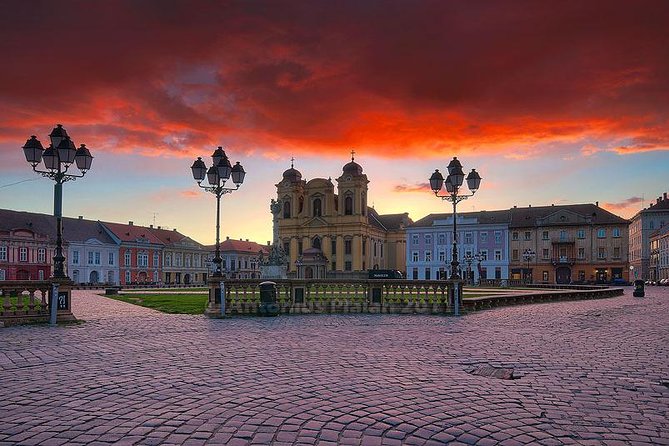
The Serbian Orthodox Cathedral was built between 1745 and 1748 in the Baroque style. Its facade contrasts with the Bishop’s Residence beside it, and together they show how strong the Serbian presence has been in the Banat region.
The stop is short, around 10 minutes. That is enough to hear the key background and see the relationship between the church and residence, but it is not a full religious-art visit.
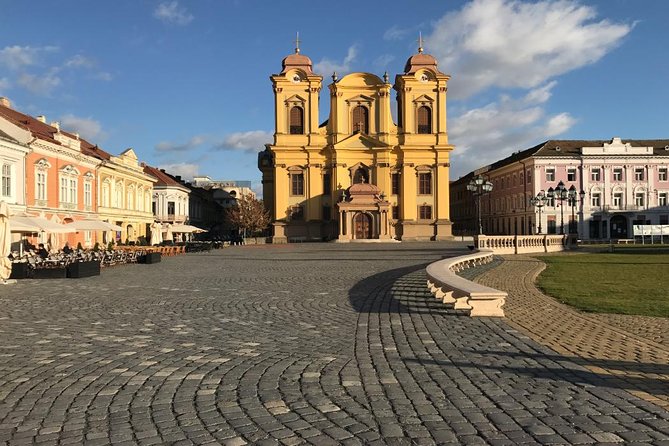
The Roman Catholic Cathedral, also in Union Square, took 18 years to build after work began in 1736. Viennese architect Emanuel Fischer von Erlach designed the original plan, and Timisoara architects Theodor Kostka and Alexander Steinlein continued the work after Fischer von Erlach died.
Inside, look for the painting of St. George on the main altar by Michelangelo Unterberger. The organ was made by Austrian craftsman Carl Leopold Wegenstein. These details are easy to pass over, so this is another moment when having an English-speaking guide adds real value.
The Memorialul Revolutiei and the story of December 1989
The final formal stop is the Memorialul Revolutiei, or Revolution Memorial. This is the most historically serious part of the day, and it changes the focus from architecture to recent political history.
The displays include photographs, posters, and documents from the December 1989 anti-communist revolution. A graphic 20-minute film with English subtitles completes the visit. The film is not suitable for young children, so families should decide in advance whether everyone in the group will be comfortable with it.
The scheduled museum visit lasts about 30 minutes, but that should be treated as a minimum rather than a strict limit. If you want to read the displays carefully or watch the full film, your independent time may be better used here than in the shops.
The museum helps connect the bullet marks at the Orthodox Cathedral, the memorial in Victory Square, and Timisoara’s place in Romania’s political history. I would not rush this stop simply to gain a few extra minutes for lunch.
Free time for lunch, shops, and a second look
After the guided sightseeing, you have time to explore independently. The guide can recommend a local restaurant for traditional Romanian food, but lunch is not included in the price.
This free period is one of the tour’s better design choices. A tightly scheduled walking tour can show you the main sights but leave no room for your own interests. Here, you can choose a restaurant, return to a favorite square, browse shops, take more photographs, or spend longer at the Revolution Memorial.
One person who took the tour used the free time to stay longer at the museum after the brief formal visit. That is a useful strategy if modern history matters to you. If food is your priority, ask the guide for a recommendation and confirm the meeting time before sitting down.
Keep an eye on the clock. You must meet the guide for the return drive, and the border crossing can add uncertainty. This is not the place for an unplanned second museum on the far side of town.
What the private format really adds
A private tour is more than a nicer vehicle. You can ask questions as they come up, stop for photographs, and adjust the balance between guided sightseeing and free time.
The guides named in the feedback include Uros, Drazen, Konstantin, Radenko, Milos, Vladimir, Michael, Aleksandar, Stefan, and Alex. The strongest pattern is personal attention: guides explain the route, ask what interests you, and adapt when weather or opening hours affect the day.
That flexibility is especially useful in Timisoara because the center can be visited quickly, but the details reward patience. You might want more time at a church, a longer lunch, or a deeper look at the 1989 exhibits. A private group makes those requests more realistic than a fixed coach excursion.
There is no promise that you will receive a particular guide, so book this for the private format and English-language service rather than a specific personality. The supplied experience is offered only in English.
Price, timing, and who gets the best value
At $226.85 per person, the price is high for one person but more reasonable when shared by a couple or small group. Group discounts may improve the value further. You are paying for a private vehicle, an English-speaking guide, pickup and drop-off, fuel, parking, tolls, water, and the Revolution Memorial entrance.
The practical value is strongest if you are already staying in Belgrade and want a simple way to reach Romania. Planning the route yourself would mean arranging transport, handling the border crossing, finding the old center, and fitting the major sights into a single day.
The weak point is time. A 10-hour day with about five hours on the road leaves limited room for museums, long meals, and wandering. A traveler who wants a slow Romanian city break should stay overnight in Timisoara instead. Someone with only a few days in Belgrade, however, may find this an efficient addition.
Weather also matters. Timisoara remains worth seeing in poor weather, but rain or cold can make the walking sections less pleasant. Around Christmas, the squares can have seasonal markets, while early January may be quiet, with shops and cafes closed or operating on holiday hours.
Practical details before you book
Pickup is free from accommodations within 10 kilometers of Republic Square and from the Belgrade port. Contact the operator about locations farther away. Airport pickup is available for a 15 EUR supplement.
Confirmation is provided at booking. Service animals are allowed, public transportation is nearby, and the experience is described as suitable for most people. Since this is a private activity, only your own group participates.
Free cancellation is available up to 24 hours before the start time for a full refund. Cancellations or changes made less than 24 hours before departure are not accepted for a refund, and the cut-off follows local time.
Bring your passport and any documents required for your border crossing. The supplied details do not specify nationality-based entry rules, so check your own requirements before departure.
Should you book the Timisoara day trip?
Book it if you want a private, guided introduction to Timisoara without changing hotels or arranging cross-border transport yourself. It suits couples, families with older children, history fans, and small groups who value a flexible day and clear English explanations.
The tour is especially worthwhile if the 1989 revolution interests you, since the cathedral, Victory Square, and Revolution Memorial connect into one coherent story. It also works well for architecture lovers who want to compare Serbian, Romanian, Austrian, Orthodox, and Catholic influences.
Think twice if you dislike long drives or want a relaxed city visit. The price is harder to justify for a solo visitor, and border delays can shorten the time available in town. For most people who accept those limits, this is a practical way to add Romania to a Belgrade itinerary, with enough free time to make the day feel personal rather than programmed.
FAQ
How long is the private Timisoara trip from Belgrade?
The experience lasts about 10 hours in total. The drive to Timisoara takes approximately 2.5 hours, followed by the return journey after sightseeing and free time.
What time does the tour begin?
Pickup begins at 8:00 a.m. The operator collects you from an eligible hotel, Airbnb, pension, or the Belgrade port.
Is hotel pickup included?
Yes. Free pickup and drop-off are available from accommodations within 10 kilometers of Republic Square. Airport pickup is possible for an additional 15 EUR.
What type of vehicle is used?
One to three people travel in a private sedan. Groups of four to seven use an air-conditioned minivan.
Is the entrance to the Revolution Memorial included?
Yes. The entrance fee to Memorialul Revolutiei is included. The museum contains documents, photographs, posters, and a graphic 20-minute film with English subtitles.
Can I cancel the tour for a full refund?
Yes, if you cancel at least 24 hours before the experience begins. Cancellations or changes made less than 24 hours before the start time are not accepted for a refund.
Just added around the world
- Šargan Eight Railway, Wooden Town & House on Drina river day trip from Belgrade★ 5.0 · 107 reviews
- Day Trip from Belgrade: Gems of Eastern Serbia★ 5.0 · 424 reviews
- Sidon, Tyre & Maghdouche Day Trip – With Lunch (4G on Board)★ 4.5 · 44 reviews
- Belgrade Sightseeing Half-Day Trip Old and New Belgrade★ 4.5 · 71 reviews
- Along the Danube: Golubac Fortress & Iron Gate Gorge day trip from Belgrade★ 4.5 · 185 reviews
- Anjar, Baalbek & Ksara Day Trip – With Lunch (4G on Board)★ 4.5 · 181 reviews
- Private Day Trip to Jinshanling Great Wall with English Speaking Driver★ 5.0 · 39 reviews
- Byblos, Jeita Grotto & Harissa Day Trip -With Lunch (4G on Board)★ 4.5 · 145 reviews
Private Day Trips, compared.
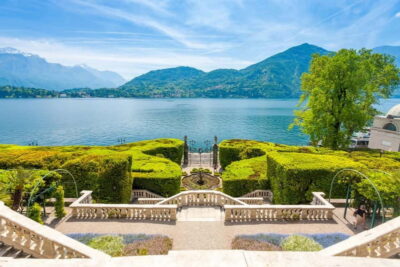
From Milan: Como Private Boat, Bellagio and Lugano Day Trip
Read our review →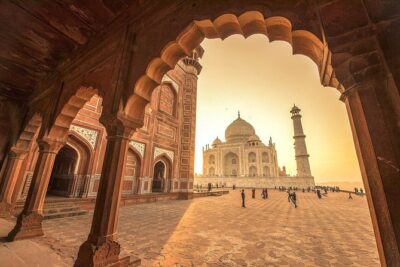
From Delhi: Taj Mahal & Agra Private Day Trip with Transfers
Read our review →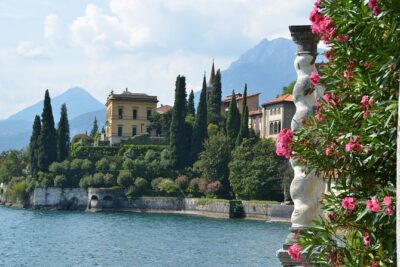
Lake Como & Bellagio Day Trip with Private Boat Cruise
Read our review →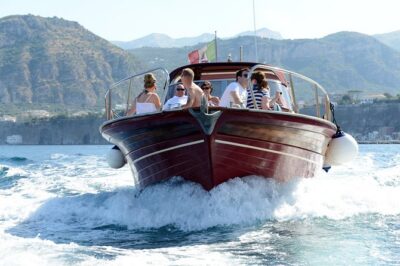
Capri & Blue Grotto Semi Private Boat Day Trip from Sorrento
Read our review →
Stonehenge Inner Circle Private Tour from London with Bath Visit
Read our review →
Delhi to Agra and Taj Mahal Private Day Trip by Express Train with Lunch
Read our review →
Nara Half Day Trip Walking Tour (Private Option Available)
Read our review →Browse the lists this tour appears in