
Review · JAPAN
Nara Half Day Trip Walking Tour (Private Option Available)
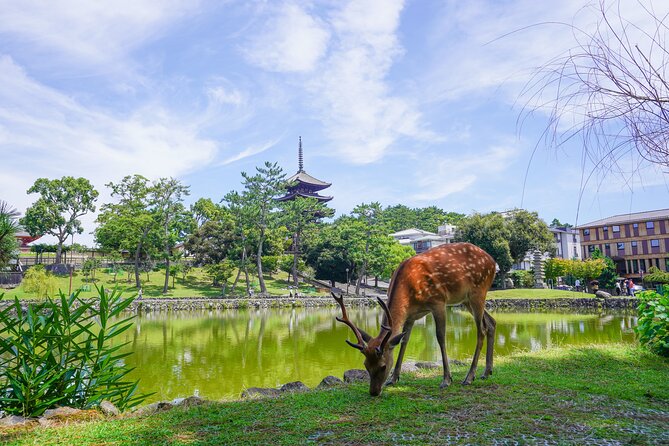
Nara’s deer get the postcards, but the best part of this tour is how quickly the day moves beyond the deer. In about five hours, you visit Todaiji Temple, Kasuga Taisha, Kofuku-ji, and Naramachi, while a local guide explains the customs, stories, and small details that are easy to miss on your own.
I like the mix of famous sights and quieter corners. A traditional lunch, admission tickets, a merchant’s house, and even a lesser-known Japanese pyramid give the tour more range than a simple temple walk. I also like the small group limit of eight, since guides such as Shin, Yuki, Miyabi, and Nao have been able to answer questions, adjust the pace, and help families or older members of a group.
The main consideration is that this is still a walking tour, not a relaxed sightseeing bus ride. You will cover several areas in five hours, often outdoors, and Nara’s summer heat can be severe. The food may also require care if you have allergies, dietary restrictions, or need gluten-free meals.
Key points to know before booking
- The Great Buddha is the centerpiece: Enter Todaiji’s Main Hall and pass through the guardian statues at Nandaimon.
- The deer are part of the culture, not just a photo stop: Your guide can show you how to feed them without letting a hungry group crowd you.
- Lunch is included: Expect a traditional Japanese meal at an established restaurant in an old town setting.
- You see more than the headline sights: The route adds Naramachi, a merchant’s house, a hidden Japanese pyramid, and smaller local spots.
- The group stays small: A maximum of eight people makes it easier to ask questions and adjust the pace.
- The price covers useful extras: At $105.45 per person, temple admissions and lunch are included, not just guiding.
Why this five-hour Nara route works
Nara can look simple on a map. The temples, park, and old town are all near one another, but the experience is better when someone explains how they fit together. This tour gives you a clear route through the main sights without asking you to spend a full day planning connections, entrance fees, meal stops, and deer etiquette.
The pace is fairly brisk. The listed sightseeing stops add up to about three hours, leaving time for walking between them, lunch, questions, photographs, and short breaks. You should arrive ready to walk, but you will not be expected to race from one monument to the next.
The small-group format is a real advantage here. Guides have adapted routes for different energy levels and mobility needs, and families have found the format manageable. The tour welcomes all ages, but you should mention health concerns in advance. The route includes short breaks rather than long periods of sitting.
The experience is offered as a group tour, with a private option available. If you value personal attention or have a group with its own pace, the private format may be worth asking about. The group version offers better value if you are happy meeting other people and following a shared route.
More Private Day Trips in Japan
- From Tokyo: Mount Fuji Customizable Private Day Tour
★ 4.9 · 1,070 reviews - Mt Fuji Private Day Trip from Tokyo with English speaking driver
★ 5.0 · 846 reviews - Tokyo Private Day Trip – Enjoy Your First-Time Visit to Tokyo!
★ 5.0 · 793 reviews
Kofuku-ji and the five-story pagoda
The tour begins at the statue of Gyoki-bosatsu on Higashimuki Nakamachi, near public transportation. From there, you head to Kofuku-ji Temple and its five-story pagoda, one of Nara’s most recognizable sights.
The pagoda was built by the Fujiwara clan in 730 and is known for its detailed wooden carving. The stop lasts about 15 minutes and has no separate admission charge. That short visit is enough to introduce Nara’s religious setting and give you a strong first photograph, but it is not a full exploration of the temple grounds.
I like this opening because it gets you into the story of Nara right away. You are not starting with a long lecture or a shopping street. You begin with a landmark that shows the power of the Fujiwara family and the city’s long connection with Buddhism.
Your guide may also explain how to approach temple spaces and make wishes. Several guides have helped people understand local customs rather than simply pointing out buildings. That makes the next stops feel less like a checklist.
Todaiji Temple and the Great Buddha
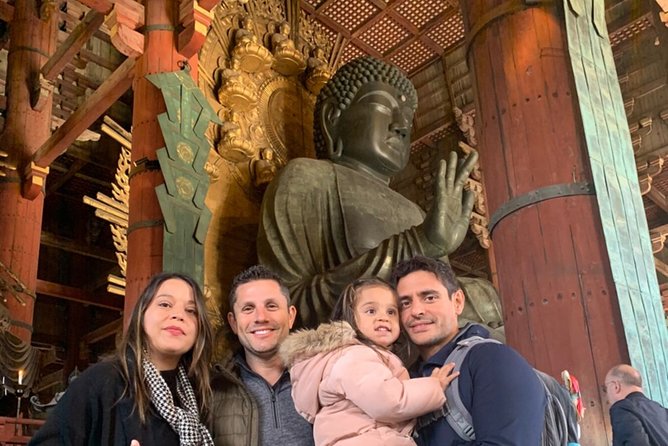
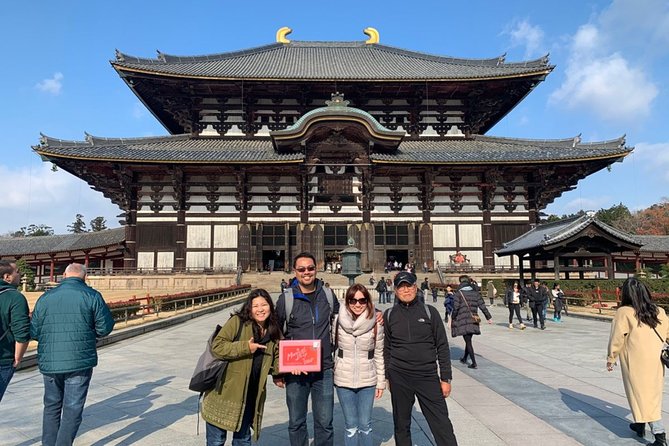
Todaiji is the major stop, and it deserves the attention. You enter the Main Hall and approach through Nandaimon, the great gate guarded by two imposing Kongorikishi statues. The tour includes admission, so you do not need to arrange that separately.
Inside, the Great Buddha provides the visual high point of the route. The scale is hard to grasp from photographs. Your guide can put the temple, the statue, and the religious traditions into context, which helps turn an impressive sight into a meaningful one.
The scheduled visit is about 30 minutes. That is enough to see the main interior, hear an explanation, and take photographs, but it will feel short if you want to study every detail. Nara can become crowded, especially around the most famous temples, so staying with the group helps you keep moving and use your time well.
This is also where a good guide matters most. Shin has helped explain how to make wishes, while other guides have connected religious customs with familiar cultural ideas. You should expect interpretation rather than a formal academic lecture. The tone is practical, friendly, and suited to people seeing Nara for the first time.
A Japanese lunch in an old town setting
Lunch comes at a traditional Japanese restaurant around 107 Zoshicho and lasts about 45 minutes. The meal is included, and the setting is part of the appeal. You eat in an established restaurant in an old Japanese town rather than stopping at a generic chain near the station.
The exact dishes can vary, but the experience includes local-style food and, in some cases, a set meal with several small dishes. One guide helped explain the meal itself, and some people were introduced to foods such as mochi and red bean tea. Sake tasting has also been included on some outings, though you should not assume it is guaranteed on every departure.
This is one of the tour’s strongest value points. A $105.45 price can seem high for a half-day walk, but lunch and all listed shrine admissions are included. You are also paying for route planning and a guide who can help you find a restaurant you might otherwise pass by.
Food restrictions need careful handling. Gluten-free requests cannot be accommodated. The operator does not guarantee allergy-free meals, and substitutions may not always be possible because the kitchens are run by the restaurants. Dietary requests must be made by the day before, not on the day itself.
Some outings have managed vegetarian or vegan meals, and one meal was adjusted for a fish allergy. Those examples are encouraging, but they do not replace advance confirmation. If your diet is strict, contact the operator before booking and treat any accommodation as something to confirm, not something to assume.
More private day trips around Japan:
- Tokyo: Mount Fuji and Hakone Private Sightseeing Day Trip
★ 4.8 · 434 reviews - From Tokyo: Mount Fuji And Hakone Private Full Day Trip
★ 4.8 · 359 reviews - From Tokyo: Nikko World Heritage Site Private Full-Day Trip
★ 4.9 · 243 reviews - From Tokyo: Mount Fuji and Hakone Private Day Trip
★ 4.8 · 166 reviews
Kasuga Taisha and the forest edge
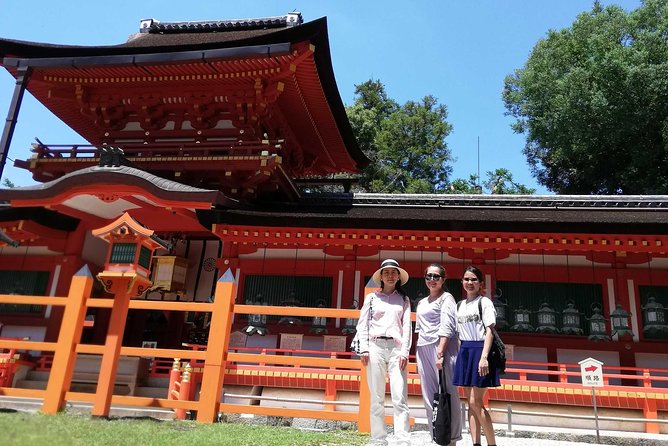
The route continues to Kasuga Grand Shrine, also called Kasuga Taisha, with about 30 minutes at the shrine and surrounding area. Kasuga is known for its red shrine buildings and hundreds of lanterns, which give the grounds a very different mood from the enormous hall at Todaiji.
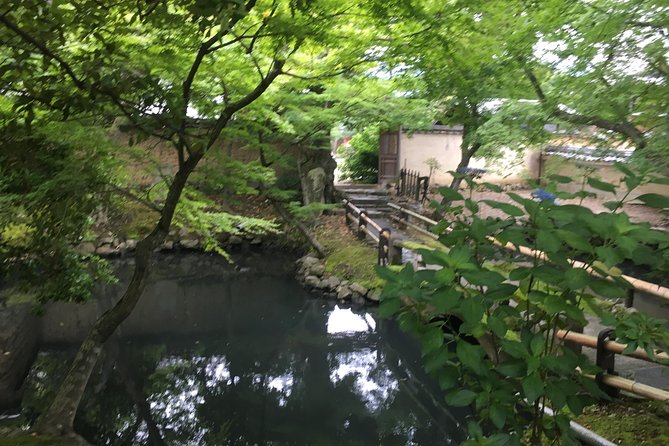
The shrine is connected with Kasugayama Primeval Forest and the old religious traditions of Nara. Your guide can explain the difference between Buddhist temples and Shinto shrines, including how to behave and make a respectful visit. That basic cultural guidance is especially useful if this is your first time in Japan.
The allotted time is enough for a focused visit, not a long forest walk. If you want to explore every path around Kasuga Taisha, you may wish for more time. The strength of this tour is range: you see several important places in one morning or afternoon, rather than spending the whole outing at one shrine.
The lanterns are a memorable detail, so listen for the explanation instead of rushing straight to photographs. The red structures, stone paths, and forest setting also provide a welcome change after the crowds around Todaiji.
Nara Park and the bowing deer
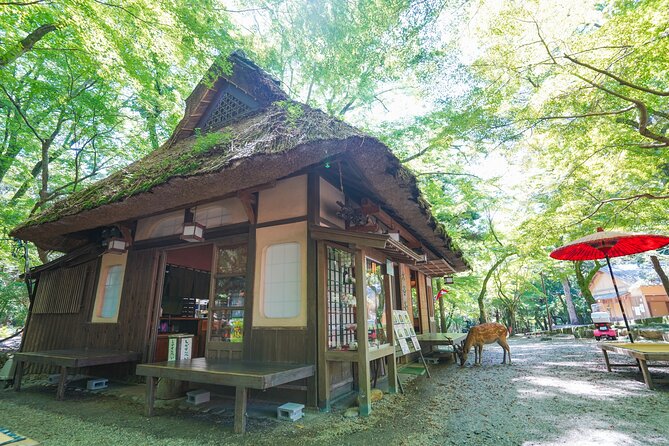
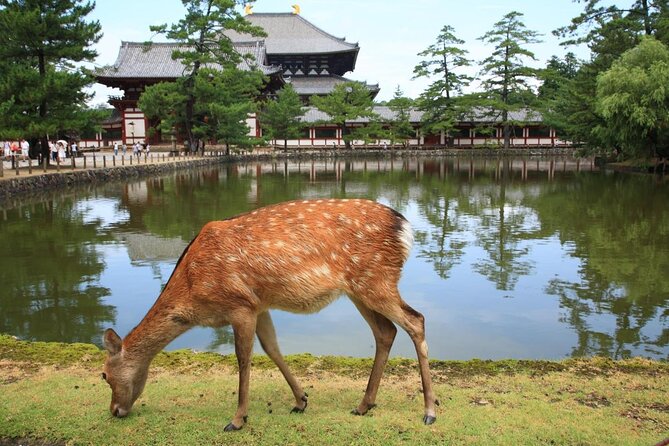
Nara Park is where the tour becomes playful. You walk among the famous wild deer, which are used to people and may approach when food appears. Deer crackers are part of the experience on some tours, and guides have shown people how to feed the animals without encouraging them to crowd or push.
The deer sometimes bow before receiving a treat. That charming gesture is real behavior shaped by repeated interaction with people, not a magic trick. It is also wise to remember that these are animals, and hungry deer can be surprisingly persistent. Keep food controlled, follow your guide’s instructions, and do not tease them with an empty hand.
A particularly useful touch is being shown quieter spots near the forest, where younger and gentler deer may be found. One outing even included a baby fawn. You cannot count on seeing a fawn, but the advice is valuable because the busiest areas can be noisy and crowded.
Nara Park is listed as a 30-minute stop. That gives you time for photographs and a close look at the deer, but not endless feeding. I prefer that limit. It keeps the animal encounter fun and leaves room for the cultural sights that make Nara worth visiting in the first place.
The season matters. Summer can reach 40°C, with high humidity, while winter temperatures can fall to -5°C. Bring water and wear a hat in hot weather. In winter, dress for wind and cold, since much of the experience takes place outside.
Naramachi, merchant houses, and a quieter Nara
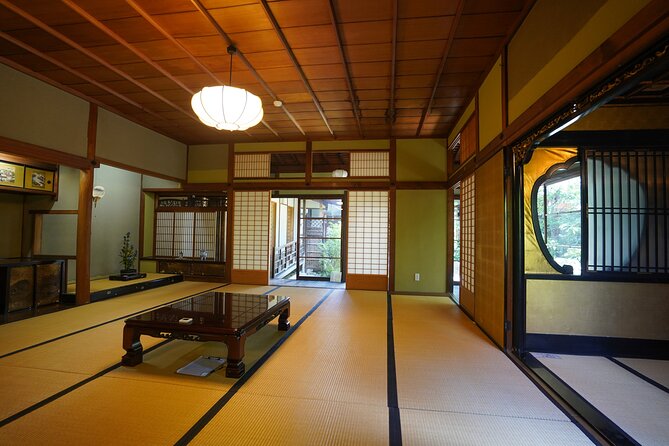
The final major area is Naramachi, Nara’s old merchant district. Its streets and historic buildings offer a sharp contrast with modern Tokyo and the open parkland around the temples. The tour includes a visit to Naramachi Nigiwai no Ie, where you can see a traditional merchant house.
This is the point where the tour broadens from monuments to everyday life. The buildings show how merchants lived and worked, and the narrow streets help you picture an older Nara beyond the grand religious complexes. The tour also includes lesser-known sights, including a hidden Japanese pyramid, which adds a bit of discovery to the route.
Guides have also introduced people to artisan goods, local sweets, mochi, knives, and nearby shops. These stops are not the central promise of the tour, and the exact choices can vary, but they give you useful ideas for the rest of your time in Nara.
Naramachi is a good ending because it leaves you near restaurants, shops, and other parts of the old city. The activity ends back at the original meeting point, so you should not need to arrange a separate pickup. The return also keeps the day simple if you are continuing by train.
What the guides add to the day
The guide is the difference between seeing Nara and understanding it. Names that appear across the tour include Shin, Yuki, Miyabi, Nao, Yuuki, Yusuke, Eri, Mari, Hide, and others. You cannot choose a particular guide unless the operator confirms that option, but the guide style is generally personal and local.
Shin has been praised for his stories about temples, his photography, and his ability to recommend food and shopping. Yuki and Yuuki have helped people keep a relaxed pace while explaining customs. Miyabi has added context for people who had already visited several Japanese temples, and Mari adjusted the route for a family’s mobility and energy levels.
That kind of flexibility matters. A guide can slow down for children, help with photographs, explain a food dish, or steer you away from the worst crowding. One guide provided a link to photographs taken during the day, though you should not assume every guide offers the same service.
English is used for the tour. Guides have been described as friendly, attentive, funny, and clear in their explanations. The experience suits people who want conversation and questions, not only a set speech delivered at each stop.
Is $105.45 a fair price?
At $105.45 per person, this is not the cheapest way to see Nara. You could visit many public areas independently and spend less. The comparison changes once you count the included lunch, Todaiji and Kasuga Taisha admissions, local transport planning, and five hours of guided attention.
The value is strongest for a first visit. You get the major temples, the deer, the old merchant district, and a Japanese meal in one organized route. You also avoid the uncertainty of choosing a restaurant, figuring out shrine customs, and deciding how to fit Nara Park around the temple visits.
The tour has been booked more than five times in the past week and carries a 4.9 rating from 937 reviews, with 99 percent recommending it. Those figures suggest a dependable experience, though no group tour can guarantee your exact guide, meal, weather, or crowd levels.
I would compare it with the cost of a private guide and separate entrance tickets. If you are a couple or solo visitor who wants structure, the small group offers a sensible balance. If you have a larger family or a particular pace, ask about the private option.
Who should book this Nara tour?
Book it if you have one day in Nara and want the essential sights without spending hours on planning. It is especially useful for first-time visitors, families, people who want an English-speaking guide, and anyone who values a local lunch over a quick meal near the station.
It also suits people who want more than a deer photograph. The old merchant district, shrine customs, lanterns, temple architecture, and local food give the day a wider purpose.
You may prefer independent sightseeing if you want long, unhurried visits inside each temple, need firm control over your diet, or dislike walking in heat and cold. Five hours is efficient, but it does not allow unlimited time at every stop.
Free cancellation is available up to 24 hours before the start time. Changes made within 24 hours are not accepted, and poor weather may lead to a new date or a full refund. Check the forecast, wear practical shoes, and bring water.
Should you book it?
I would book this tour for a first Nara visit, especially if you want the Great Buddha, Kasuga Taisha, and the deer handled in one well-paced outing. The lunch, admissions, small group size, and local explanations make the price easier to justify.
I would pause only if you need gluten-free food, have serious allergies, or want a slow day with long temple visits. For everyone else, this is a useful introduction to Nara that gives you the famous sights while leaving you with enough local context to keep exploring on your own.
FAQ
How long does the Nara walking tour last?
The tour lasts approximately five hours.
How much does the tour cost?
The listed price is $105.45 per person.
What is the maximum group size?
The group can include a maximum of eight people.
Is a private option available?
Yes, a private option is available.
Where does the tour start?
The meeting point is the Statue of Gyoki-bosatsu at 27 Higashimuki Nakamachi, Nara, 630-8215, Japan.
Where does the tour end?
The activity ends back at the meeting point.
Is lunch included?
Yes, lunch at a traditional Japanese restaurant is included.
Are temple admission fees included?
Yes, admission tickets for the included shrines and temples are covered.
Can children join the tour?
Yes, all ages are welcome. The tour includes walking with a few short breaks, so you should mention any health concerns in advance.
Can the tour accommodate gluten-free or allergy-related diets?
Gluten-free requests cannot be accommodated. Allergy-free meals and dietary substitutions are not guaranteed, so make any dietary request by the day before the tour.
More Walking Tours around Japan
- Madrid: 6-Hour Day Trip to Toledo with Guided Walking Tour
★ 4.0 · 1,029 reviews - Madrid: Day Trip to Toledo with Walking Tour & Small Group
★ 4.2 · 111 reviews - Half Day Trip from Nice to Monaco MC with Guided Walk
★ 4.1 · 44 reviews - Barcelona: Walking and Horse Riding Day-Trip in Montserrat
★ 4.8 · 40 reviews
Just added around Japan
- From Tokyo: Mt Fuji and Hakone Private Day Trip★ 4.5 · 75 reviews
- Tokyo: Mount Fuji 5th Station & Onsen Day Trip★ 4.3 · 75 reviews
- Tokyo: Onsen, Arts, and Nature Day Trip to Fuji and Hakone★ 5.0 · 66 reviews
- Tokyo: Nikko World Heritage Private Day Trip Hotel Pick-up★ 4.8 · 145 reviews
- Tokyo Private Day Trip With English Speaking Driver★ 4.9 · 34 reviews
- Tokyo: Mount Fuji and Hakone Private Sightseeing Day Tour★ 4.9 · 76 reviews
- From Tokyo:Mount Fuji&Hakone Customize Full Day Private Tour★ 4.8 · 27 reviews
- Tokyo → Nikko:Private Customizable Day Trip (English Driver)★ 4.9 · 26 reviews
Private Day Trips, compared.
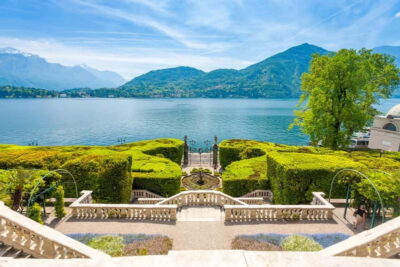
From Milan: Como Private Boat, Bellagio and Lugano Day Trip
Read our review →
From Delhi: Taj Mahal & Agra Private Day Trip with Transfers
Read our review →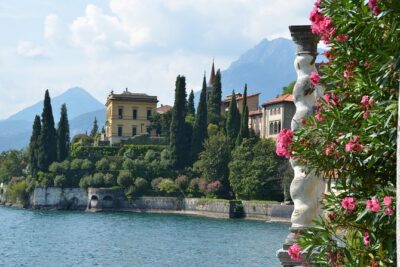
Lake Como & Bellagio Day Trip with Private Boat Cruise
Read our review →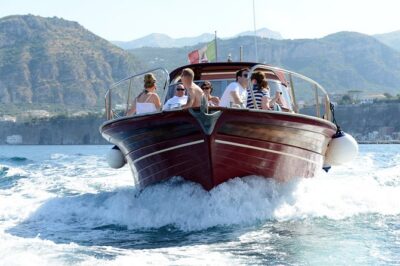
Capri & Blue Grotto Semi Private Boat Day Trip from Sorrento
Read our review →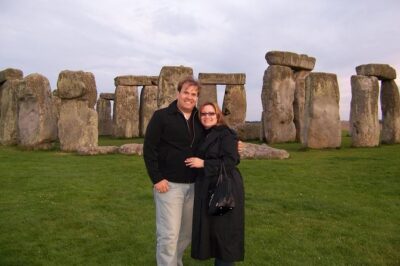
Stonehenge Inner Circle Private Tour from London with Bath Visit
Read our review →
Delhi to Agra and Taj Mahal Private Day Trip by Express Train with Lunch
Read our review →
Mt Fuji Private Day Trip from Tokyo with English speaking driver
Read our review →Browse the lists this tour appears in