
Review · JAPAN
Nagano/Matsumoto: Matsumoto Castle and Narai-juku Day Trip
Matsumoto Castle is the star here, but Narai-juku may be the surprise. You get a close look at Japan’s oldest surviving five-tiered, six-story castle, then walk an old mountain road town where wooden buildings still line the street. I especially like the mix of samurai history and ordinary local life, from castle guns to frog-shaped sweets.
I also like the easy transport from Nagano or Matsumoto and the English guidance that gives the buildings context instead of leaving you to guess. The main caution is simple: this is a long outdoor day, and the castle’s steep, narrow stairs are not suitable for everyone.
Key points at a glance
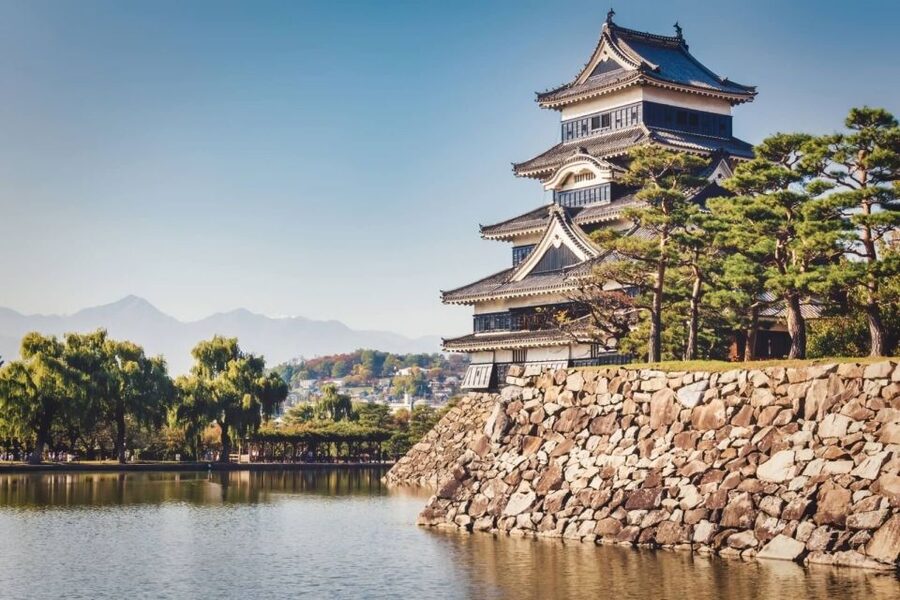
- Matsumoto Castle’s six-story climb: See original woodwork, weapons, defensive features, and city views inside one of Japan’s National Treasures.
- Nawate-dori’s frog theme: Browse more than 50 shops, cafés, and food stalls along the short but entertaining Frog Street.
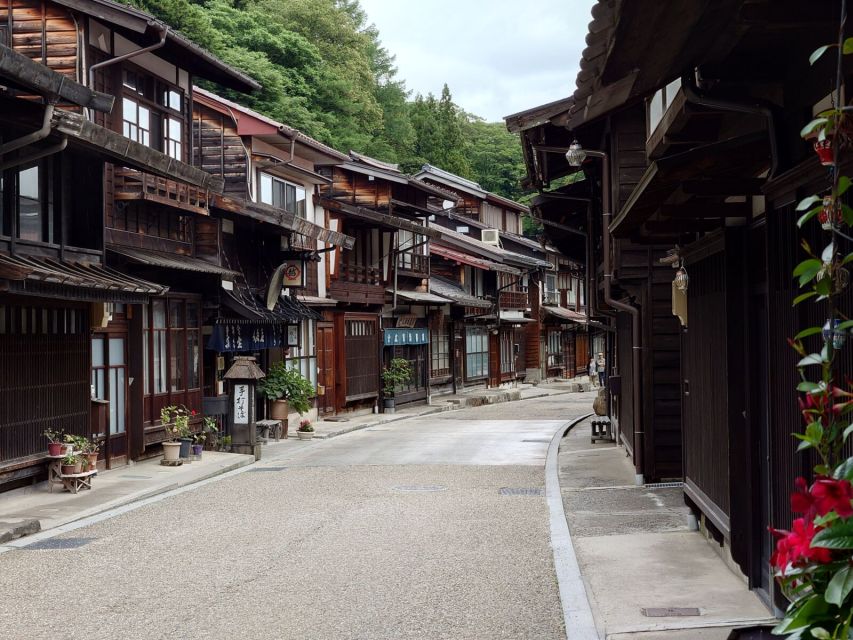
- Narai-juku’s Edo-era street: Walk a preserved post town on the old Nakasendo route between Tokyo and Kyoto.
- A full day on the road: Plan for roughly 100 minutes to Matsumoto, about an hour to Narai-juku, and 2 hours 15 minutes back.
- Helpful English guidance: Guides including Shawn, Nadin, and Joyce have been praised for historical explanations, food suggestions, and personal attention.
- Weather matters: Snow, rain, and cold are possible, especially in winter, so waterproof shoes and proper layers are essential.
Why this day trip works so well
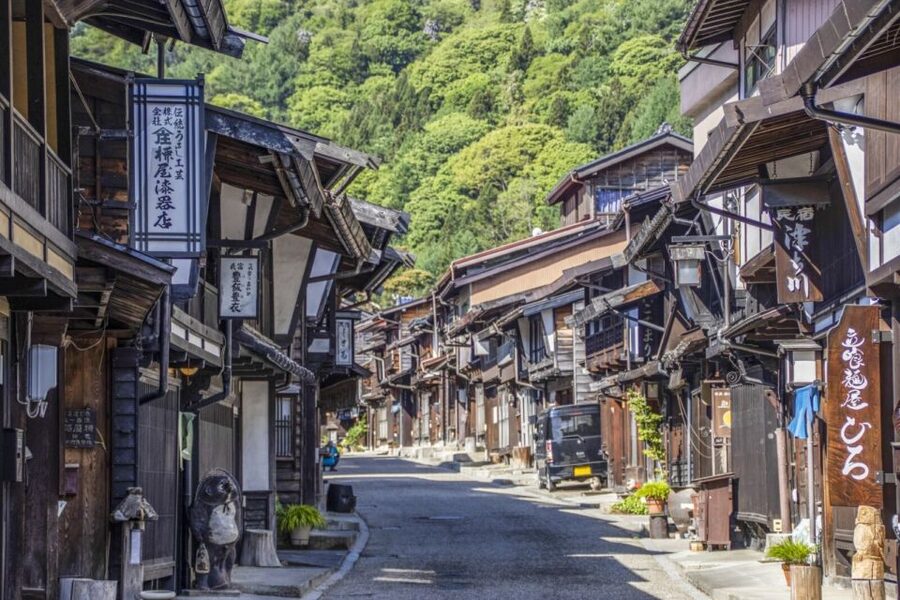
This outing connects two places that tell different parts of Japan’s past. Matsumoto shows you power, defense, and the world of feudal lords. Narai-juku shows you the road beneath that grand story, where ordinary people stopped for food, lodging, and trade while crossing the Kiso Valley.
That contrast gives the day purpose. You are not simply checking off a castle and an old street. You see how a castle town functioned, then how people moved through the country before modern railways and highways changed the journey.
The tour costs $180 per person. That is not a small price, but the value becomes clearer when you add up the long-distance transport, castle admission, a full day of guiding, and the difficulty of visiting both places independently in one day. The fee also removes much of the planning work between Nagano, Matsumoto, and Narai-juku.
You still pay for lunch and any extra travel costs. Since the day is long, I would treat the price as payment for transport and time as much as for sightseeing. If you already have a rail pass and enjoy planning regional connections yourself, you may prefer independent travel. If you want two distant sights connected without changing trains and buses on your own, this is a fairer deal.
More castle and palace day trips around Japan:
- From Munich: Neuschwanstein & Linderhof Castle Full-Day Trip
★ 4.6 · 14,646 reviews - Bucharest: Dracula Castle, Peles Castle & Brasov Old Town
★ 4.6 · 10,891 reviews - Lisbon: Pena Palace, Sintra, Cabo da Roca, & Cascais Daytrip
★ 4.7 · 9,981 reviews
Starting from Nagano or Matsumoto
You can join at Kokusai 21, Matsumoto Station, or Nagano Station, depending on the option you book. The meeting point varies, so check your confirmation carefully rather than assuming every departure begins at Nagano Station.
The route is especially practical for someone based in Nagano. You travel first to Matsumoto Station, where the second pickup takes place, then continue once everyone is aboard. Pickup from Matsumoto makes the experience useful for people staying there too, and the drop-off options return you to Matsumoto Station, Kokusai 21, or Nagano Station.
The first bus ride takes about 100 minutes. Use it as a chance to rest, but keep an eye on the changing scenery. The route moves from the city toward fields and mountains, with snow often visible in colder months.
Transportation is one of the strongest reasons to book this tour. Narai-juku is not a quick side trip from central Nagano, and combining it with Matsumoto Castle takes careful timing. Here, the long transfers are handled for you.
Nawate-dori, where frogs rule the street
The day begins in Matsumoto’s historic center, a place shaped by the castle and its former samurai community. Before entering the castle, you walk along Nawate-dori, also called Kaeru Michi, or Frog Street.
The frog theme gives this stop a lighter mood before the serious castle visit. More than 50 shops, restaurants, and cafés line the street, with frog sculptures and frog-related souvenirs appearing along the way. You can browse o-senbei rice crackers, taiyaki fish-shaped pastries, dagashi candy, ice cream, and other small treats.
I like this part because it gives you room to explore ordinary shopping streets rather than only major monuments. It is also a useful place to pick up a snack. Lunch is not included, and the day moves at a steady pace, so buying something small here can help.
Frog Street is not a huge district, and you should not expect hours of sightseeing. Its value is in the local color, quick food options, and connection to the castle area. You may also have time to visit a temple or choose lunch nearby. One meal mentioned by a participant was a regional fried chicken dish, while another guide suggested a modest local restaurant serving udon in a meat and seafood soup.
Inside Matsumoto Castle’s dark wooden tower
Matsumoto Castle is the main event. Built near the end of Japan’s Warring States Period, it retains much of its original structure and is designated a National Treasure of Japan. Its black exterior gives it a strong, memorable look, especially against the surrounding mountains.
The castle tower is the oldest surviving five-tiered, six-story castle tower in Japan. Those numbers can sound tidy on paper, but the interior feels anything but easy. You climb through a sequence of steep, narrow wooden stairways, with uneven steps and low-clearance areas adding to the sense of age.
This is not a modern museum with wide ramps and gentle staircases. The difficult climb is part of what makes the visit feel real, but it also sets a firm limit on who can enjoy it comfortably. People with mobility impairments and wheelchair users should not book this outing. Even able walkers should use care and avoid rushing.
Inside, look closely at the woodwork and defensive design. The structure was built for protection, not comfort. Openings, stair positions, and tight passages make more sense when you remember that this was a warrior stronghold rather than a residence designed for easy movement.
The collection of historical guns, artifacts, and other objects adds useful human detail. You get a glimpse of the weapons and equipment connected with the warriors who lived and worked here. The guide helps turn these items into a story about the castle and the samurai way of life.
At the top, you can look across Matsumoto City and the surrounding mountains. The view rewards the climb, though the route up and down may take more effort than expected. Allow yourself time to pause, especially if the stairs are crowded.
The guided portion at Matsumoto Castle lasts about 2.5 hours. That is enough time for the grounds, the tower, the explanation, and a little independent browsing. After the guided visit, you have free time to look around the castle grounds and nearby shops.
A few more day trips around Japan worth a look
- From Tokyo: Mount Fuji Customizable Private Day Tour
★ 4.9 · 1,070 reviews - Nara Half Day Trip Walking Tour (Private Option Available)
★ 5.0 · 937 reviews - Tokyo: Mt. Fuji, Kamakura, Big Buddha, & Lake Ashi Day Trip
★ 4.5 · 867 reviews - Mt Fuji Private Day Trip from Tokyo with English speaking driver
★ 5.0 · 846 reviews
A useful balance of guidance and free time
The format is not a nonstop march behind a flag. Your guide leads the important sections, then gives you space to look around. That balance matters at a place like Matsumoto Castle, where you may want to spend extra time studying a weapon, taking photographs, or simply looking at the tower from outside.
English guidance is a major part of the value. Shawn, Nadin, and Joyce are among the guides associated with particularly warm and helpful experiences. Shawn has been praised for explaining both the sites and the surrounding region. Nadin has taken special care with dietary needs, including vegetarian meals. Joyce has offered local food advice and even taught origami during a smaller outing.
Guide assignments can vary, so you should not expect a specific person unless your booking confirms it. What you can expect is a tour built around explanation rather than a simple transfer service.
The free time also gives the day breathing room. You can browse shops, choose food, or enjoy the castle grounds without having every minute filled with narration. That is useful because the castle itself demands attention and the long bus rides make a little quiet time welcome.
The road to Narai-juku through the Kiso Valley
After Matsumoto, the bus continues for about an hour toward Narai-juku. The journey is part of the experience, with fields and mountains passing outside the windows. In winter, snow may cover the ground and nearby peaks, giving the route a very different character from the warmer months.
Narai-juku once served travelers on the Nakasendo, the old road linking Tokyo and Kyoto. People stopped here to rest during the long journey through the mountains. Today, its preserved main street gives you a strong sense of how a post town was arranged.
The guided walk begins near the train station at the entrance to Narai-juku. You then follow the main street while learning about the town’s construction and its busiest period. Look for the long wooden facades, traditional proportions, and buildings set close to the road.
Narai-juku is quieter and more intimate than Matsumoto Castle. There is no single grand monument to dominate the visit. Instead, the pleasure comes from the street itself, the mountain setting, and the chance to imagine the constant flow of people who once used this route.
The guided portion here is listed at about 2.5 hours, though that includes time to explore the town. After the walk, you get about an hour of free time for shops, cafés, or a meal.
One practical point: Narai-juku can feel very quiet outside peak periods. Some shops may be closed, particularly on weekdays, though open stores can offer local woodwork and lacquered handicrafts. I see this as part of the town’s character, but it also means you should not book the tour expecting every storefront to be operating.
Lunch, shopping, and the small pleasures of Narai-juku
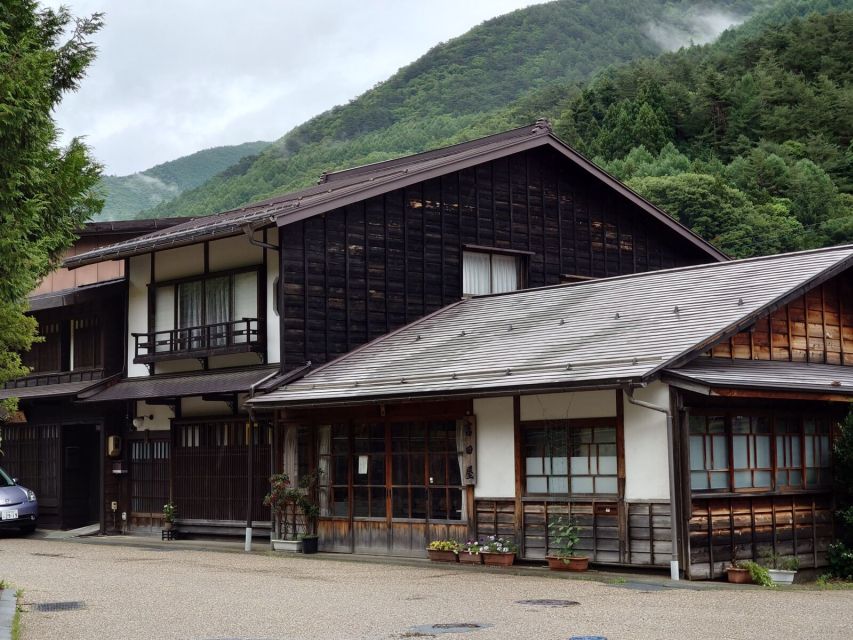
Lunch is not included, so plan to buy food during one of the free-time periods. Your guide may suggest a local restaurant, but the exact choice depends on what is open and what suits the group.
Narai-juku’s cafés and restaurants give you the chance to try something connected with the area rather than eating only familiar chain food. A local udon soup with meat and seafood was recommended on one occasion, and vegetarian needs received personal attention on another. Tell your guide about dietary restrictions early in the day.
Shopping here is more about useful craftwork than mass-produced souvenirs. Local wood and lacquered items are among the goods you might find. Because opening hours can vary, keep your expectations flexible and enjoy the old street even if you are not buying anything.
An hour of free time is enough for a meal and a look around, but not enough for a slow, unplanned afternoon. Watch the time, especially if you stop at a café.
Weather, walking, and the long return
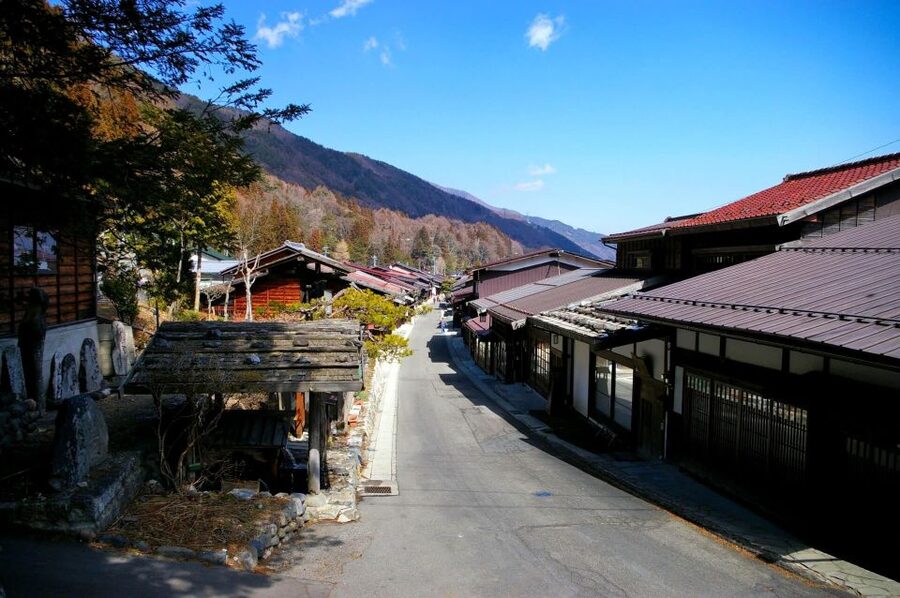
This is an outdoor day in practical terms. You walk through the castle grounds, climb inside the tower, move along Nawate-dori, and spend substantial time on Narai-juku’s main street. Comfortable shoes matter more than stylish ones.
Bring sunglasses, a sun hat, an umbrella, and rain gear. The weather can shift, and the tour continues in rain. One wet-weather outing still reached all the planned stops, but good preparation will make the day far more pleasant.
Winter requires special care. Snow is often on the ground, so wear waterproof winter shoes and warm clothing. Ordinary sneakers may leave you cold or wet before the day is half over.
The return bus takes about 2 hours 15 minutes. Added to the morning ride and the transfer between Matsumoto and Narai-juku, this makes the outing a substantial day. You may return tired, especially after the castle stairs, but the transport means you do not need to navigate a final series of connections.
The experience is not suited to wheelchair users or people who cannot manage steep stairs and a reasonable amount of walking. If you need a low-effort sightseeing day, choose a shorter city tour instead.
Who should book this experience
I would recommend this day trip to you if you want a strong first look at central Japan beyond Tokyo and Kyoto. It suits people who enjoy castles, old roads, regional food, and cultural explanation more than fast-paced shopping.
It is especially useful for:
- Visitors staying in Nagano without a car
- People based in Matsumoto who want Narai-juku arranged for them
- First-time visitors who want English historical guidance
- Anyone interested in samurai-era architecture and traditional post towns
- People who prefer one organized day over several rail and bus connections
I would hesitate if your main goal is a slow visit to either Matsumoto or Narai-juku. The schedule gives you a good introduction to both, but it cannot provide the freedom of staying overnight. I would also hesitate if you dislike long bus rides, steep stairs, or uncertain shop hours.
The perfect transport score and the repeated praise for guides such as Shawn, Nadin, and Joyce point to the tour’s strongest feature: it is well organized while still feeling personal. The guide can explain the setting, help with food choices, and keep the day moving without turning it into a lecture.
Should you book Matsumoto Castle and Narai-juku?
Book it if you want two very different historical experiences in one day and value a guide who can explain what you are seeing. The $180 price is reasonable when you factor in transport, admission, and the time saved arranging the route yourself.
Skip it if you have mobility limits, want a slow independent schedule, or already have easy transport arranged between the towns. For most active visitors based in Nagano or Matsumoto, though, this is a practical and memorable way to see a castle, a local shopping street, and an old mountain post town without wrestling with the logistics alone.
Free cancellation is available up to 24 hours before departure, and reserve-now-pay-later booking keeps your plans flexible. All activities remain subject to availability, so check the confirmed schedule before setting your day around any one stop.
FAQ
Where does the tour start?
Starting locations include Kokusai 21, Matsumoto Station, and Nagano Station. The exact meeting point depends on the option booked.
Where does the tour finish?
Drop-off locations include Matsumoto Station, Kokusai 21, and Nagano Station, depending on the option selected.
How long does the tour last?
It is a full-day experience. The listed travel includes about 100 minutes to Matsumoto, one hour to Narai-juku, and about 2 hours 15 minutes on the return journey, along with visits to both sites.
Is lunch included?
No. Lunch is not included, so you need to purchase your own meal or snacks during the free-time periods.
Is the tour conducted in English?
Yes. The tour includes a live English-speaking guide.
What is included in the price?
The price includes the guide, transportation between the destinations from Nagano and Matsumoto, Matsumoto Castle admission, the guided castle visit, and the guided walk at Narai-juku.
Are Matsumoto Castle’s stairs difficult?
Yes. The castle has steep, narrow stairs, and you climb through all six stories. Take care and allow extra time if you need to move slowly.
Is the tour suitable for wheelchair users?
No. The experience is not suitable for wheelchair users or people with mobility impairments.
What should I bring?
Bring sunglasses, a sun hat, an umbrella, rain gear, and clothing suited to the weather. In winter, wear waterproof winter shoes and warm clothing because snow is often on the ground.
Just added around Japan
- From Tokyo: Mt Fuji and Hakone Private Day Trip★ 4.5 · 75 reviews
- Tokyo: Mount Fuji 5th Station & Onsen Day Trip★ 4.3 · 75 reviews
- Tokyo: Onsen, Arts, and Nature Day Trip to Fuji and Hakone★ 5.0 · 66 reviews
- Tokyo: Nikko World Heritage Private Day Trip Hotel Pick-up★ 4.8 · 145 reviews
- Tokyo Private Day Trip With English Speaking Driver★ 4.9 · 34 reviews
- Tokyo: Mount Fuji and Hakone Private Sightseeing Day Tour★ 4.9 · 76 reviews
- From Tokyo:Mount Fuji&Hakone Customize Full Day Private Tour★ 4.8 · 27 reviews
- Tokyo → Nikko:Private Customizable Day Trip (English Driver)★ 4.9 · 26 reviews
Castle & Palace Day Trips, compared.

From Munich: Neuschwanstein & Linderhof Castle Full-Day Trip
Read our review →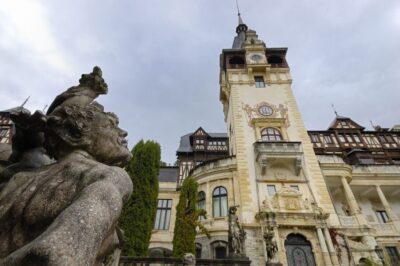
Bucharest: Dracula Castle, Peles Castle & Brasov Old Town
Read our review →
Lisbon: Pena Palace, Sintra, Cabo da Roca, & Cascais Daytrip
Read our review →
Bucharest: Dracula’s Castle, Peleș Castle & Brașov Day Trip
Read our review →
Dubai: Abu Dhabi Day-Trip Grand Mosque, Royal Palace & Lunch
Read our review →
Windsor Castle, Stonehenge, and Oxford Day Trip from London
Read our review →
Inverness: Isle of Skye and Eilean Donan Castle Day Trip
Read our review →
From Munich: Neuschwanstein Castle Full-Day Trip
Read our review →Browse the lists this tour appears in