
Review · JAPAN
Kyoto/Osaka: Kyoto and Nara Sites & History Day Trip
Kyoto’s red torii gates, Nara’s free-roaming deer, and the gold facade of Kinkaku-ji make this a big sightseeing day with very little train-and-bus planning. I like the private group of up to six, which gives you more control than a large coach tour, and I like the hotel pickup and drop-off from Osaka, Kyoto, or Nara. You can also ask for help with photos, lunch, or small changes to the route.
The catch is simple: this is a lot for ten hours. You will cover long distances and walk at several temple and shrine sites, while entrance fees, food, and kimono rental are extra. If you want a slow Kyoto day, this is too packed. If you have only one day and want to see the major sights, it makes practical sense.
Key points before you book
- See Kyoto and Nara in one long day: The route covers major temples, shrines, markets, a bamboo forest, and Nara Park.
- Private transport saves time: Hotel pickup, an air-conditioned vehicle, and drop-off reduce the hassle of changing trains and buses.
- Guides can shape the day: Guides named in past bookings include Nomi, Rana, Tahir, Hamza, Muhammad, and Nana.
- The kimono photo is optional: Rental is available for an extra charge and should be arranged ahead of time.
- Expect a moderate amount of walking: Comfortable shoes, water, sunscreen, and a hat are sensible.
- Budget for extras: Meals, Kiyomizu-dera admission, Todai-ji admission, and kimono rental are not included.
One day, two historic cities
This experience is designed for the person who looks at Kyoto and Nara on a map and thinks, How am I going to fit all that in? You can be picked up in Osaka, Kyoto, or Nara, then travel in an air-conditioned vehicle with an English-speaking guide.
The listed route includes Nara first, followed by several Kyoto stops. In practice, the exact order can depend on pickup point, traffic, opening conditions, and the guide’s planning. You should expect a full ten hours, not a relaxed morning outing.
The private format is the main reason to consider this tour. With up to six people, you are not tied to a large group’s pace. Guides have adjusted stops, helped with photos, suggested food, and made small changes when time allowed. One guide even helped a guest who was struggling in the rain by finding an umbrella. Those details matter when you are sightseeing for a full day.
Still, private does not mean leisurely. Kyoto and Nara are spread out, and the itinerary names ten sightseeing stops. You will spend part of the day in the vehicle, which is useful for covering ground but limits the time available at each place.
More history day trips around Japan:
- From Tokyo: Nikko World Heritage Site Private Full-Day Trip
★ 4.9 · 243 reviews - Tokyo: Nikko World Heritage Private Day Trip Hotel Pick-up
★ 4.8 · 145 reviews - Nikko Heritage & Nature Day Trip from Tokyo
★ 4.8 · 94 reviews
Nara Park and Todai-ji: deer with an attitude
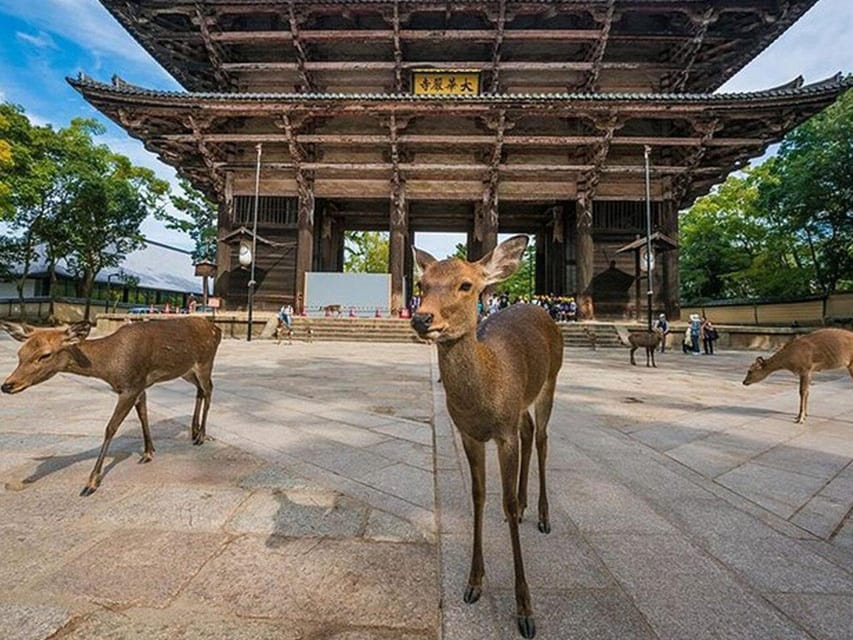
Nara Park is one of the day’s most memorable stops. The large urban park sits at the foot of Mount Wakakusa and is known for its deer, which move freely around the grounds.
You can feed them, but keep your attention on the animals. The deer are accustomed to people and may crowd around you, nudge you, or knock you off balance. Keep food controlled, follow local instructions, and do not assume that a cute face means calm behavior.
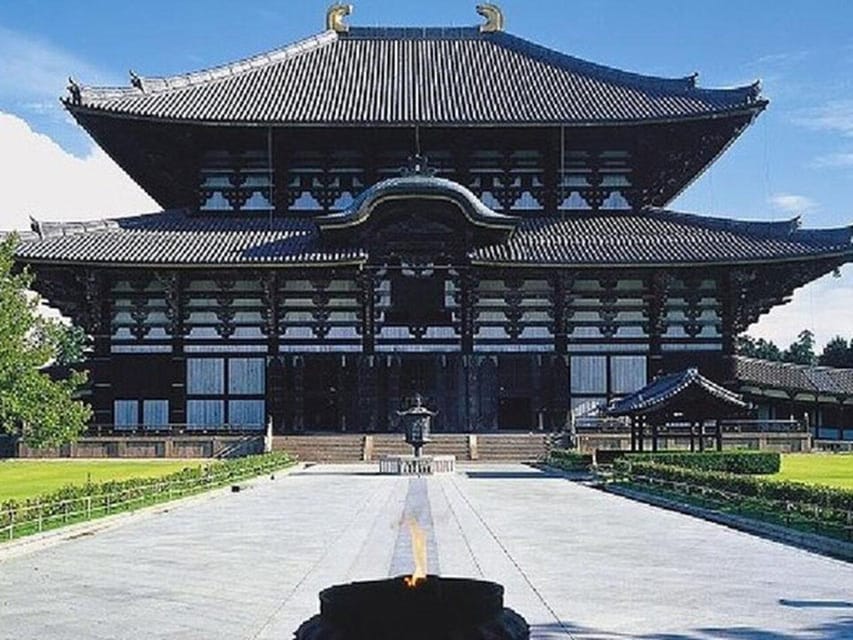
Todai-ji is the major temple visit in Nara. It is famous for its enormous bronze Buddha and imposing wooden structure. The temple gives the Nara portion of the day a strong cultural focus after the more playful deer encounter.
Todai-ji admission is not included, so bring money for the entrance fee. The tour includes time to visit and take photos, but the exact amount of free time depends on the pace of the group and the rest of the route.
Kasuga Taisha Shrine is also included in the Nara portion of the experience. Its forest setting, lanterns, and traditional Shinto atmosphere offer a contrast to Todai-ji’s Buddhist scale. The itinerary allows a guided visit around Nara, followed by time in Nara Park and at Todai-ji.
Arashiyama Bamboo Forest: beautiful, brief, and busy
Arashiyama is scheduled for about one hour of photo time, visiting, and independent exploration. The bamboo forest is one of Kyoto’s most recognizable sights, with tall green stalks rising on both sides of the path.
I would treat this as a quick taste rather than a full Arashiyama visit. One hour gives you time for photographs and a walk through part of the area, but not much room for a slow wander or several nearby attractions.
The forest can feel crowded, especially at popular times. Your guide can help with orientation and photos, but you should not expect the entire area to be quiet or empty. Comfortable shoes are important because the day involves repeated walks on temple grounds, lanes, and park paths.
The value here is convenience. Reaching Arashiyama from central Kyoto by public transport takes planning, and adding it to a day that also includes Nara, Fushimi Inari, and Kiyomizu-dera is difficult without private transport.
Kinkaku-ji and Kyoto’s temple circuit
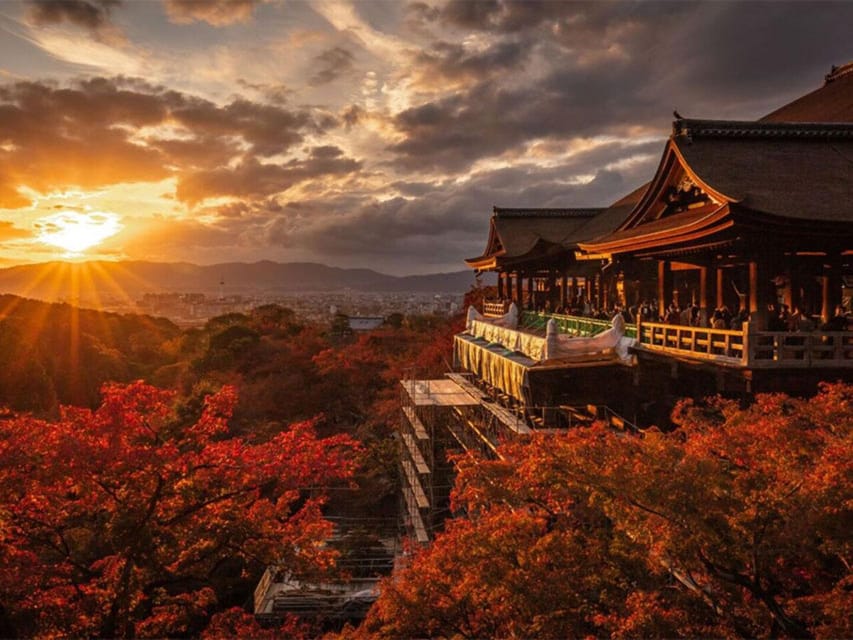
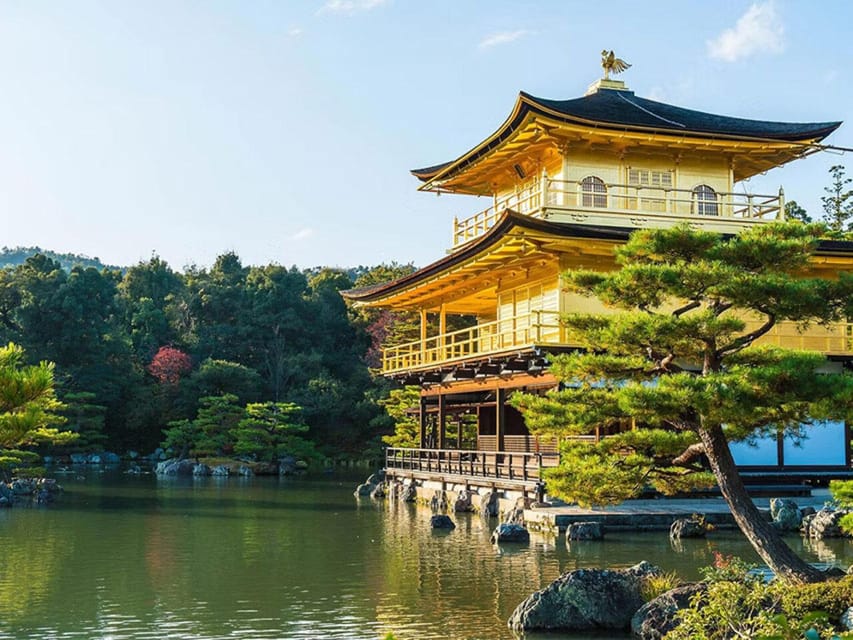
Kinkaku-ji, the Golden Pavilion, is one of Kyoto’s signature sights. The gold-covered building reflects in the pond and makes for an easy, memorable photograph. You visit with the guide, then continue through the day’s other major stops.
The pavilion is a short, focused sightseeing stop rather than a place for a long interior visit. Much of the appeal comes from seeing the building in its garden setting and understanding its place among Kyoto’s historic religious sites.
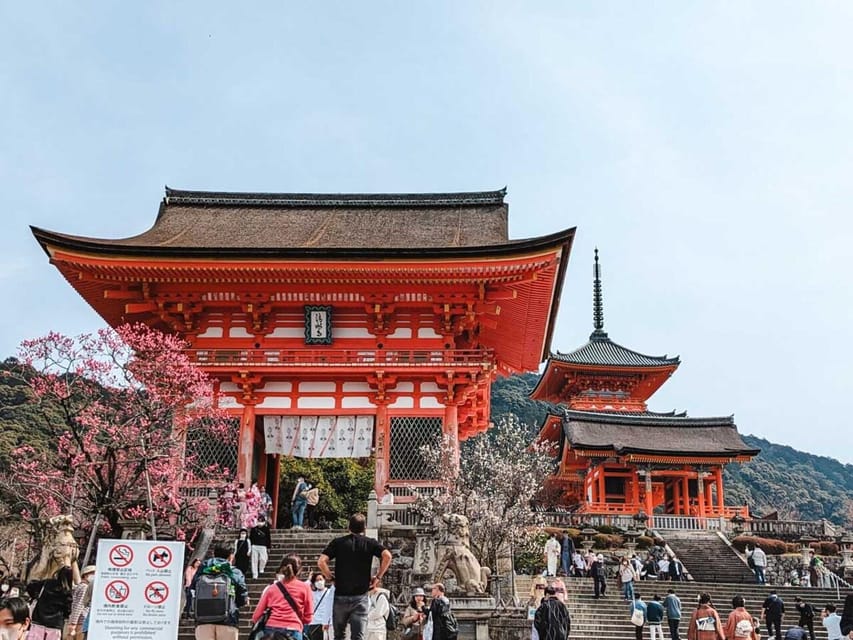
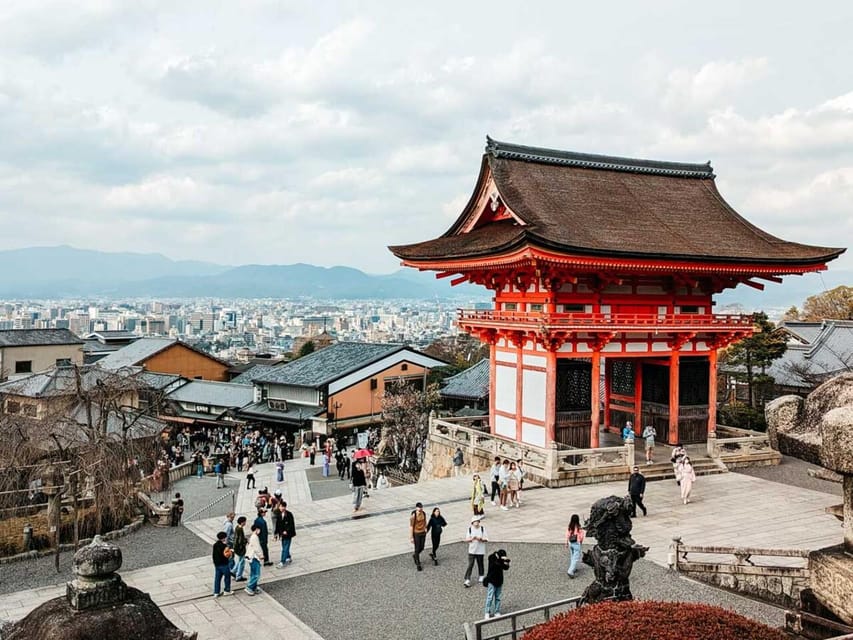
The itinerary also includes Kiyomizu-dera, one of Kyoto’s best-known temples. Its wooden stage and hillside position provide a broad view across the city, while the approach leads through historic streets filled with small shops and food stalls.
Admission to Kiyomizu-dera is extra. The approach can be crowded, and the route includes slopes and uneven walking surfaces. If you have back problems or find hills difficult, tell the company before booking and confirm that the proposed route suits you.
A few more day trips around Japan worth a look
- From Tokyo: Mount Fuji Customizable Private Day Tour
★ 4.9 · 1,070 reviews - Nara Half Day Trip Walking Tour (Private Option Available)
★ 5.0 · 937 reviews - Tokyo: Mt. Fuji, Kamakura, Big Buddha, & Lake Ashi Day Trip
★ 4.5 · 867 reviews - Mt Fuji Private Day Trip from Tokyo with English speaking driver
★ 5.0 · 846 reviews
Kiyomizu-dera, Ninenzaka, and the kimono photo
The streets around Kiyomizu-dera are among the most atmospheric parts of the day. You will walk through Ninenzaka and Sannenzaka, Ishibei-koji Alley, Hanamikoji Street, and around Yasaka Shrine.
These lanes give you a better sense of old Kyoto than a quick temple stop alone. Wooden facades, narrow passages, traditional shops, and shrine approaches create plenty of chances for photographs. They also create crowds, so keep an eye on your belongings.
The kimono activity adds a cultural photo opportunity. You can rent a traditional kimono and take pictures in the historic streets. The rental fee is not included, and advance booking is recommended. Ask how much time the fitting and photos will take, since every extra activity matters on such a tightly packed day.
This is one part of the tour where the guide’s personal help can make a difference. Past guides have taken family photos and pointed out good photo locations. If you want a kimono rental, state that clearly when booking rather than hoping it can be arranged at the last minute.
Fushimi Inari and the Senbon Torii
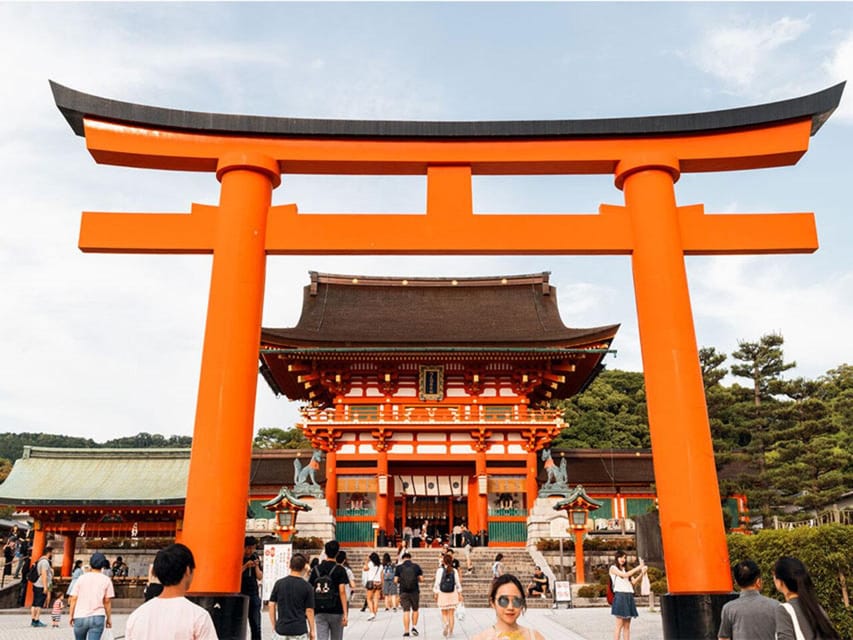
Fushimi Inari Taisha is the shrine famous for its thousands of orange-red torii gates. The gates form the Senbon Torii, a long pathway that climbs into the wooded hills behind the shrine.
You do not need to walk the entire mountain route to enjoy the visit. The lower gates are the most accessible part for a short stop, and the guide can help you understand the shrine’s purpose and customs. You can also see the shrine’s distinctive ema, wooden prayer plaques that are especially associated with Fushimi Inari.
This stop is both visual and active. You will be walking, standing, and sharing narrow paths with other people. Flash photography is not allowed, and respectful behavior matters at the shrine. If you want a quieter experience, ask the guide about the best available timing, though traffic and the day’s route limit what can be promised.
Nishiki Market and time to eat
Nishiki Market gives the day a food-focused break. The covered market is a practical place to browse Japanese ingredients, snacks, and prepared foods. The tour does not include meals, so you pay for anything you choose to eat.
The market is also a useful place to pause because a ten-hour temple day can become tiring. Your guide may suggest a restaurant or help you decide what to try. Several bookings praised guides for lunch recommendations, including a Japanese-Chinese restaurant, but no specific restaurant is guaranteed.
Do not plan on a long sit-down meal unless you confirm it with the guide. Nishiki Market is one of many stops, and the schedule may require a quicker meal or snack. Bring water and consider carrying a small amount of cash for food and entrance fees.
What the guide adds
The guide is central to the experience. Names associated with previous bookings include Nomi, Rana, Tahir, Hamza, Muhammad, and Nana, though you should not assume a particular person will lead your tour unless the company confirms it.
The strongest guide qualities reported across the booking details are clear English, historical explanation, flexibility, humor, and help with photographs. Guides have explained the sites before arrival, taught simple Japanese phrases and counting, organized tickets, suggested lunch, and accommodated last-minute requests when time allowed.
Rana was especially praised for helping groups move efficiently between stops, taking photographs, and adjusting the route for older people. Tahir was noted for his English and explanations of Kyoto and Nara’s history. Nomi was described as patient and cheerful during a rainy day.
These personal touches are valuable because the tour is not just a driver dropping you at a parking area. The guide can explain what you are seeing and help you make practical choices. Still, the amount of explanation and customization may depend on the assigned guide and the traffic on the day.
Is the $670 group price good value?
The price is $670 for a private group of up to six people. For one person, that is expensive. For six people sharing the cost, it works out to about $112 per person before entrance fees, meals, and optional kimono rental.
The price pays for the vehicle, professional guide, hotel pickup and drop-off, and the ability to cover Kyoto and Nara without managing several train and bus connections. That convenience is particularly useful if you are coming off a cruise, have only one day, or are traveling with older family members.
The value is weaker if you are comfortable with Japanese public transport and prefer spending several hours at one temple. You will pay extra at Kiyomizu-dera and Todai-ji, and the itinerary may feel rushed at some stops.
Free cancellation up to 24 hours before the start and reserve-now, pay-later terms give you some planning flexibility. The experience is offered in English and as a private group.
Walking, weather, and accessibility
Bring comfortable walking shoes. The day includes temple grounds, shrine paths, market lanes, park paths, and the approach to Kiyomizu-dera. A hat, sunscreen, water, and a camera are also recommended.
Prepare for changing weather. Rain does not necessarily stop the tour, and one guide helped a guest with an umbrella during a wet day, but you should still bring suitable clothing. Flash photography is not allowed, and smoking is prohibited.
The accessibility information needs careful checking. The activity details describe the tour as wheelchair accessible, but they also say it is not suitable for wheelchair users and not suitable for people with back problems. Because the route includes hills, uneven surfaces, and moderate walking, contact the provider before booking if mobility is a concern.
The tour is also listed as unsuitable for pregnant women. That is a clear reason to ask about the route and walking demands before paying.
Who should book this Kyoto and Nara day trip?
I would choose this tour if you have one free day, want to see both cities, and value door-to-door transport more than a slow pace. It suits families, small groups, cruise passengers, and people who would rather have a guide handle the route.
It is also a good fit if you want help with photographs, lunch, Japanese customs, and simple historical context. The private format gives you a better chance of adjusting the day than a large scheduled bus tour.
I would skip it if you have several days in Kyoto and Nara. In that case, separate day plans would let you spend more time in Arashiyama, explore Fushimi Inari at your own pace, or linger around Kiyomizu-dera without watching the clock.
Should you book it?
Book this Kyoto and Nara tour if your priority is seeing the famous sights efficiently from Osaka, with a private vehicle and an English-speaking guide. The combination of Nara’s deer, Todai-ji, Fushimi Inari, Arashiyama, Kinkaku-ji, Kiyomizu-dera, and Nishiki Market covers a lot of ground in one day.
Before booking, confirm the pickup location, assigned guide, kimono plan, entrance costs, and mobility requirements. If six people share the $670 price, the value is much better. If you are traveling alone and prefer unhurried temple visits, use Japan’s excellent rail system and build your own slower route.
FAQ
How long does the tour last?
The tour lasts 10 hours. Check availability for the available starting times.
Where can pickup and drop-off take place?
Pickup and drop-off options include Osaka, Kyoto, and Nara. Confirm the exact hotel pickup details when booking.
Is this a private tour?
Yes. It is a private group experience for up to six people.
Is an English-speaking guide included?
Yes. A live English-speaking professional guide is included.
Is transportation included?
Yes. Hotel pickup and drop-off, plus transport in an air-conditioned vehicle, are included.
Are meals included?
No. Meal costs are not included.
Are temple entrance fees included?
No. Entrance fees for Kiyomizu-dera and Todai-ji are paid separately on the day.
Is kimono rental included?
No. Kimono rental costs extra. Advance booking is recommended.
Can I cancel for a full refund?
Yes. You can cancel up to 24 hours in advance for a full refund.
Is the tour suitable for wheelchair users?
The information is inconsistent. It is described as wheelchair accessible in one section but also listed as unsuitable for wheelchair users. If you use a wheelchair, contact the provider before booking to confirm the route and vehicle.
Just added around Japan
- From Tokyo: Mt Fuji and Hakone Private Day Trip★ 4.5 · 75 reviews
- Tokyo: Mount Fuji 5th Station & Onsen Day Trip★ 4.3 · 75 reviews
- Tokyo: Onsen, Arts, and Nature Day Trip to Fuji and Hakone★ 5.0 · 66 reviews
- Tokyo: Mount Fuji and Hakone Private Sightseeing Day Tour★ 4.9 · 76 reviews
- Tokyo: Nikko World Heritage Private Day Trip Hotel Pick-up★ 4.8 · 145 reviews
- Tokyo Private Day Trip With English Speaking Driver★ 4.9 · 34 reviews
- From Tokyo:Mount Fuji&Hakone Customize Full Day Private Tour★ 4.8 · 27 reviews
- Tokyo → Nikko:Private Customizable Day Trip (English Driver)★ 4.9 · 26 reviews
Historical Tours, compared.

From Bangkok: Ayutthaya Historical Park Guided Day Trip
Read our review →
From Strasbourg: Best Of Alsace Historical Day Trip
Read our review →
Day Trip From Addis Ababa See Historical Monastery,Stunning Nature,Animals,Birds
Read our review →
From Tokyo: Nikko World Heritage Site Private Full-Day Trip
Read our review →
River Kwai Day Tour from Bangkok – History, Scenery & Culture
Read our review →
Tokyo: Nikko World Heritage Private Day Trip Hotel Pick-up
Read our review →Browse the lists this tour appears in